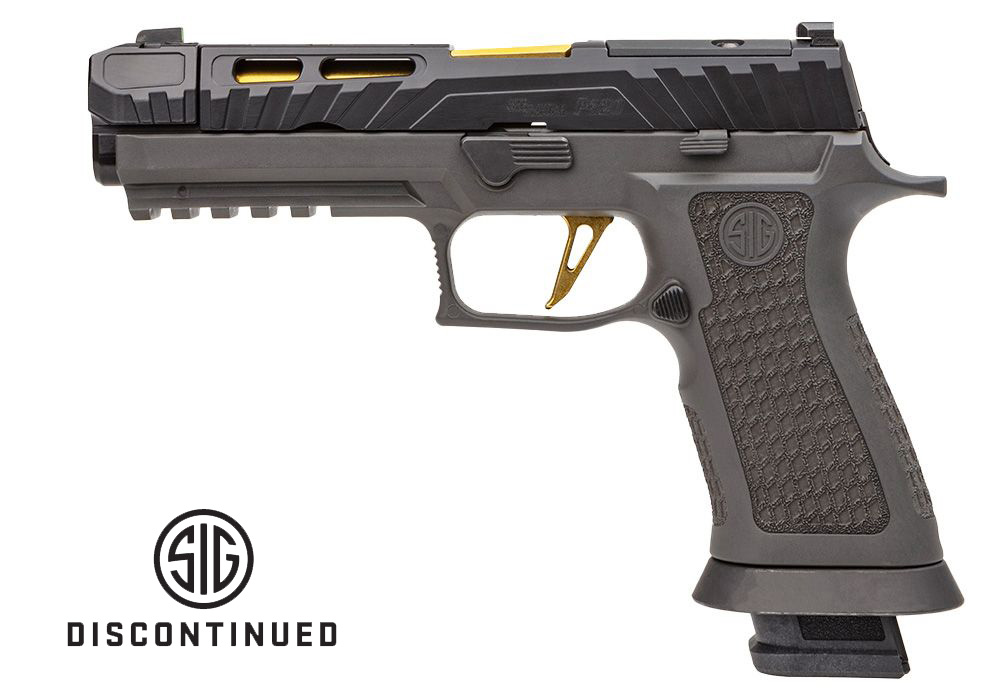
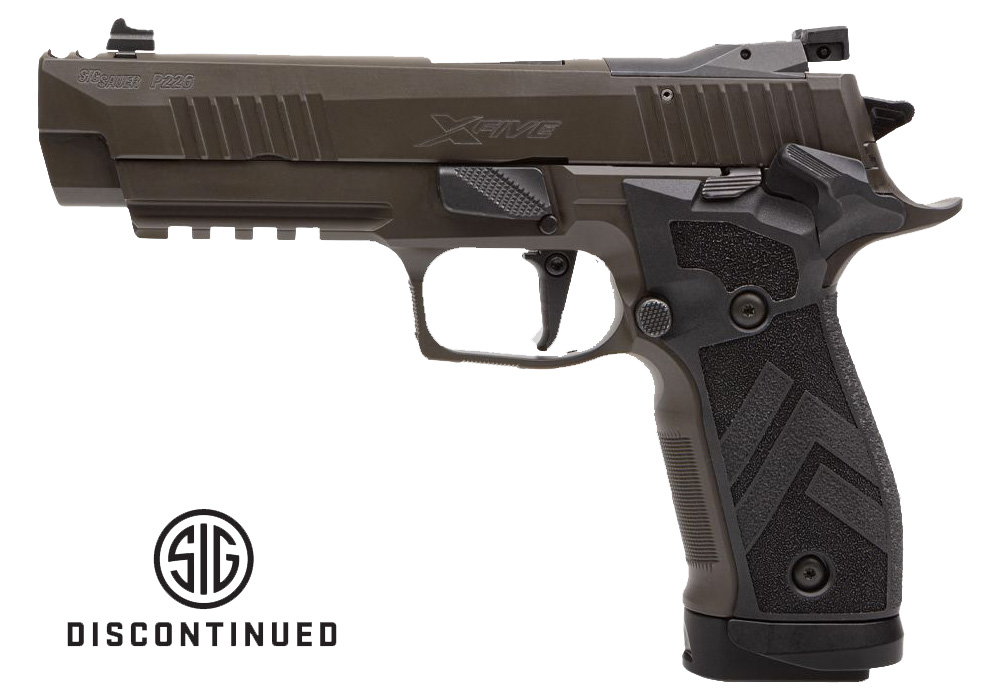
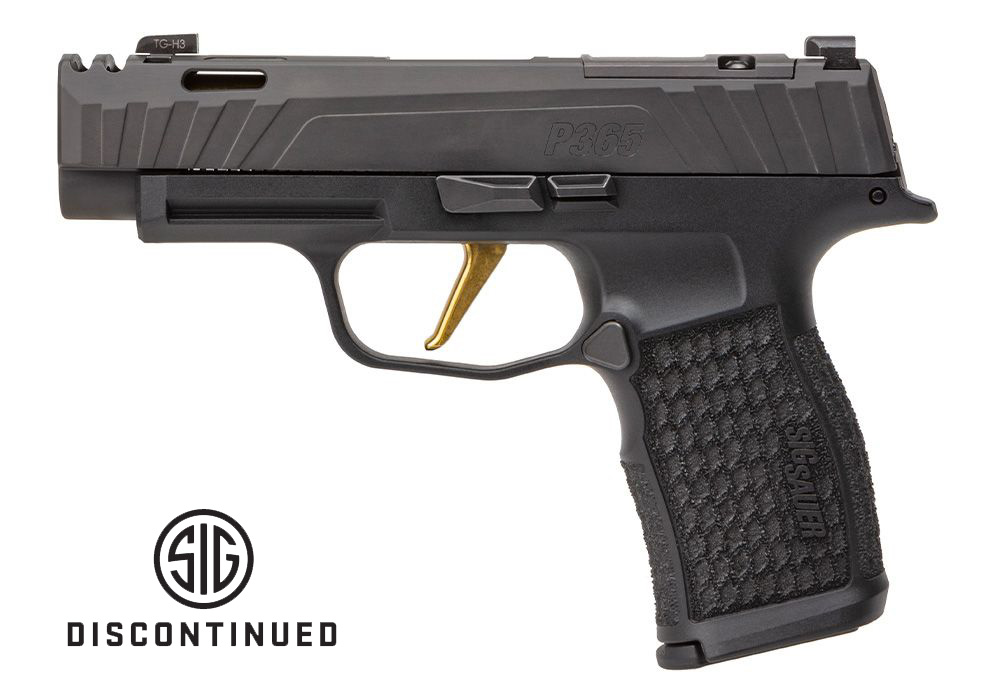
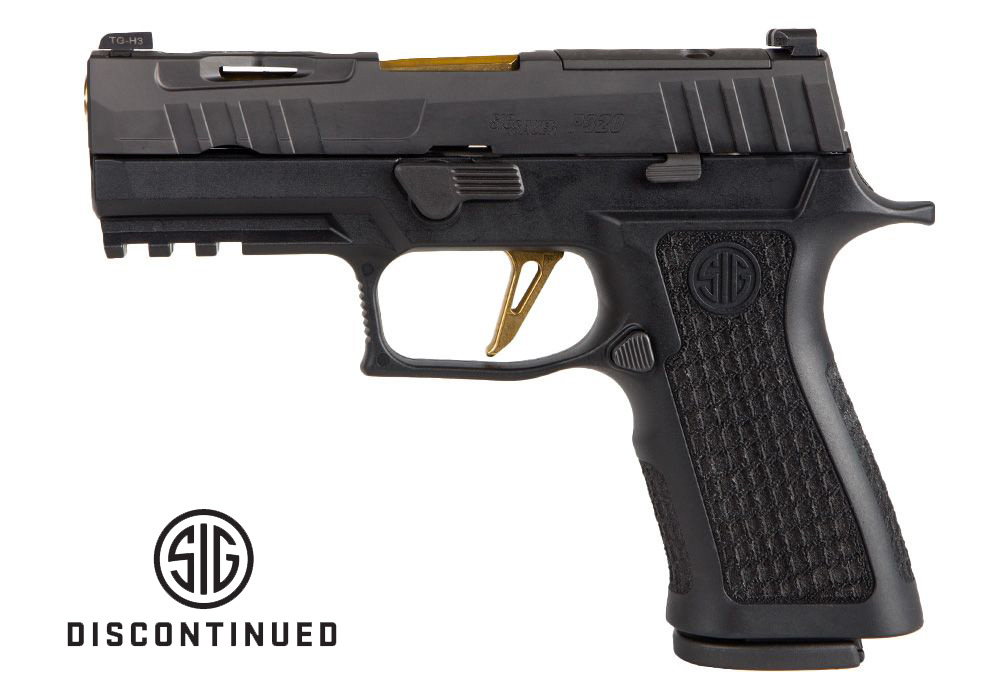
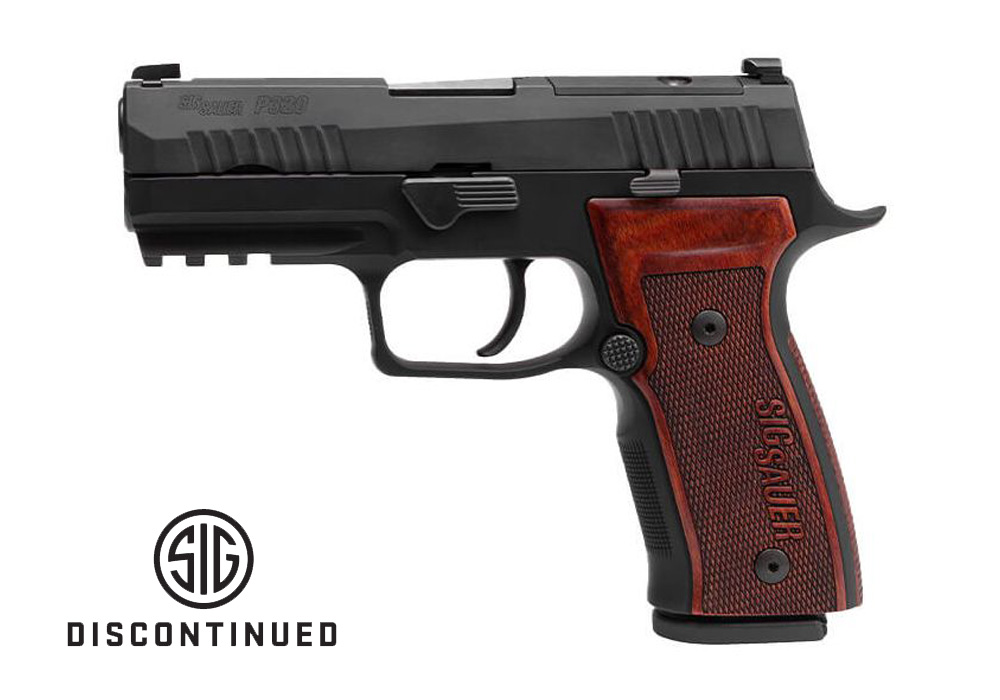
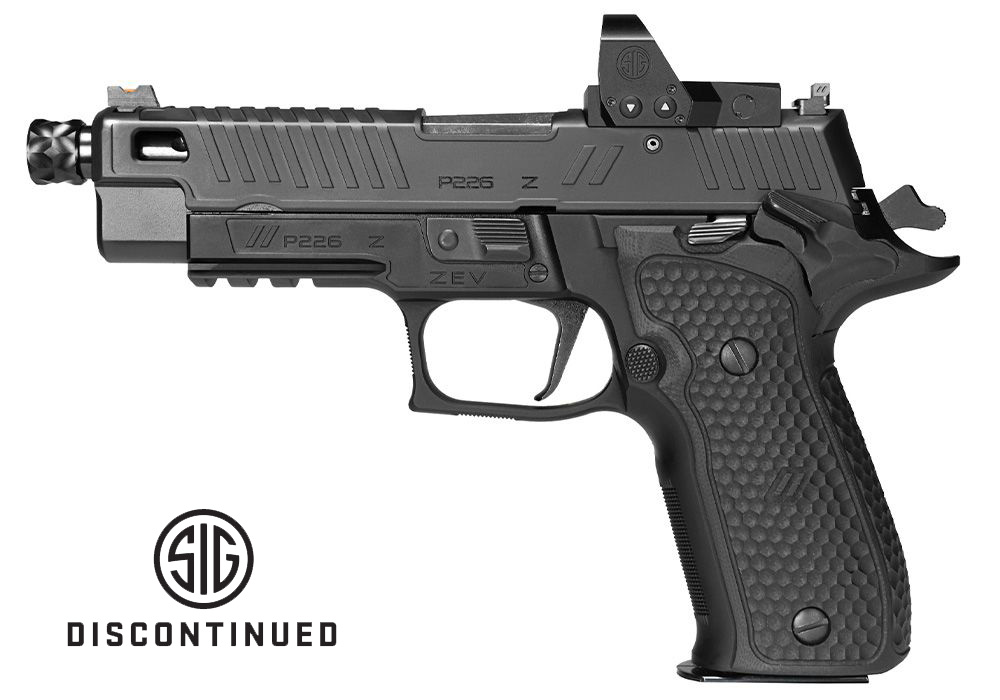
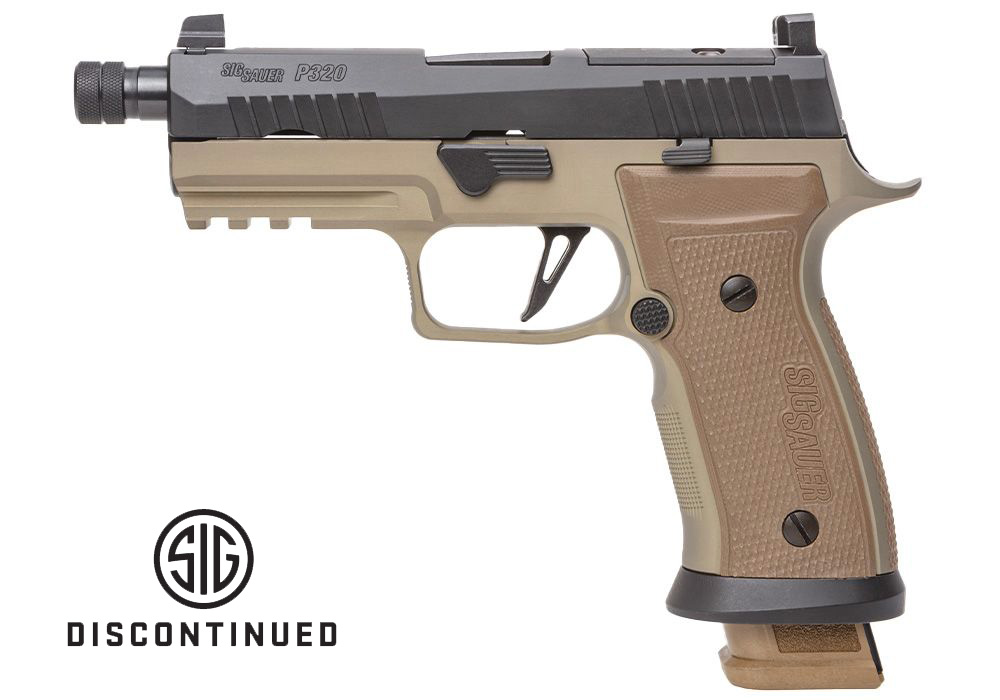
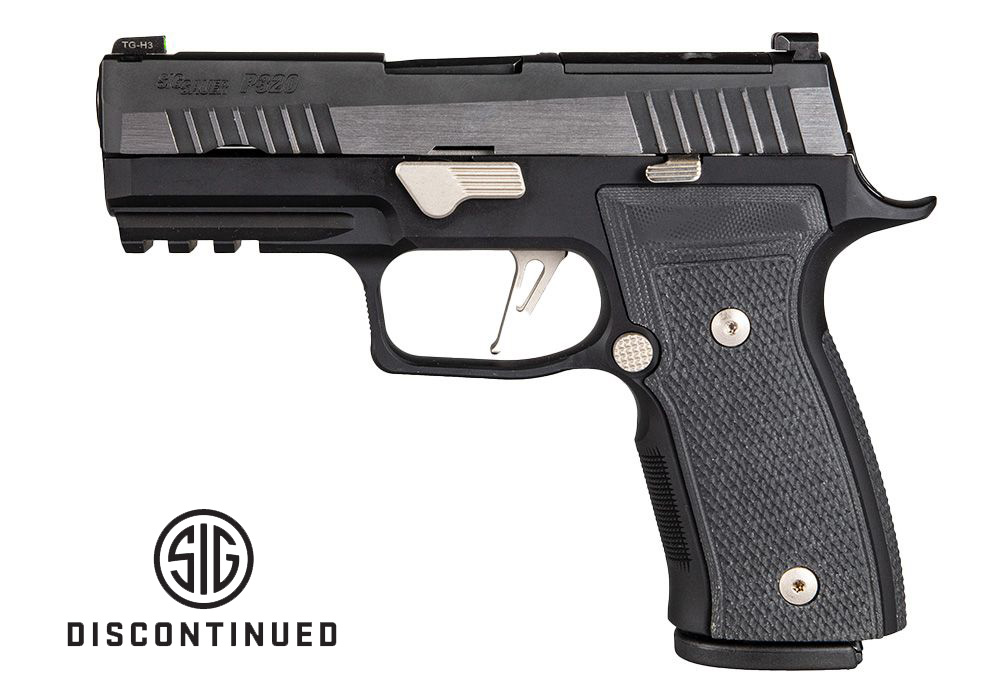
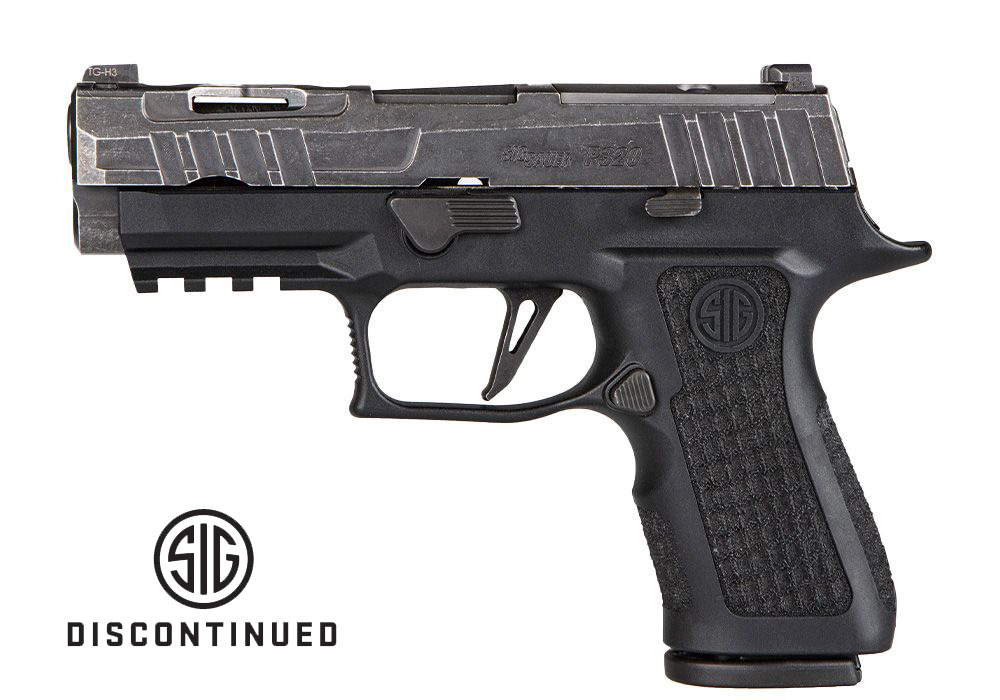
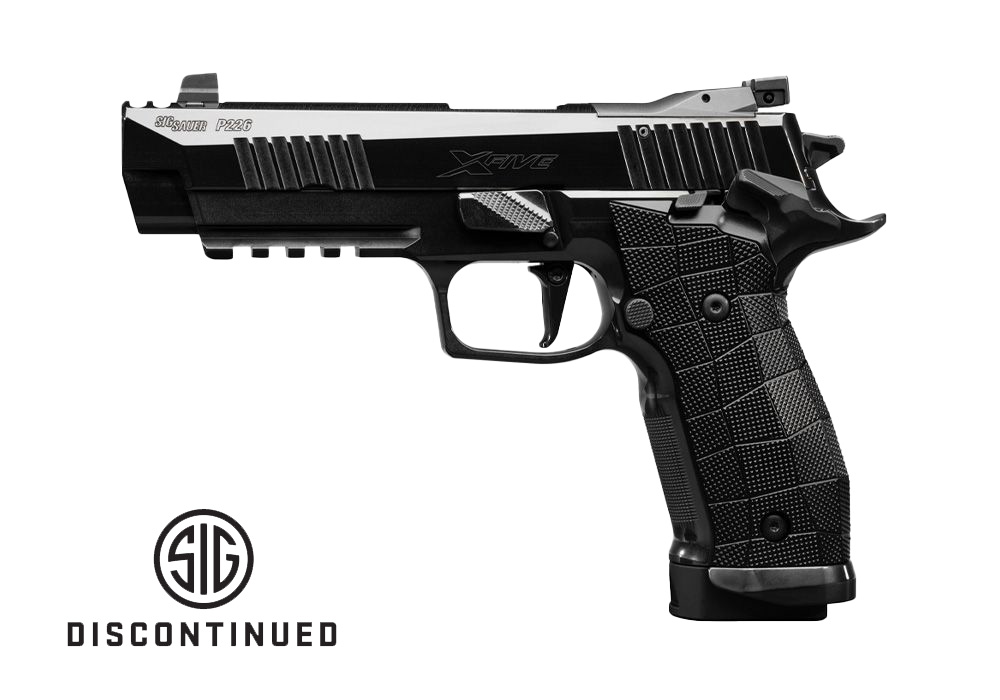
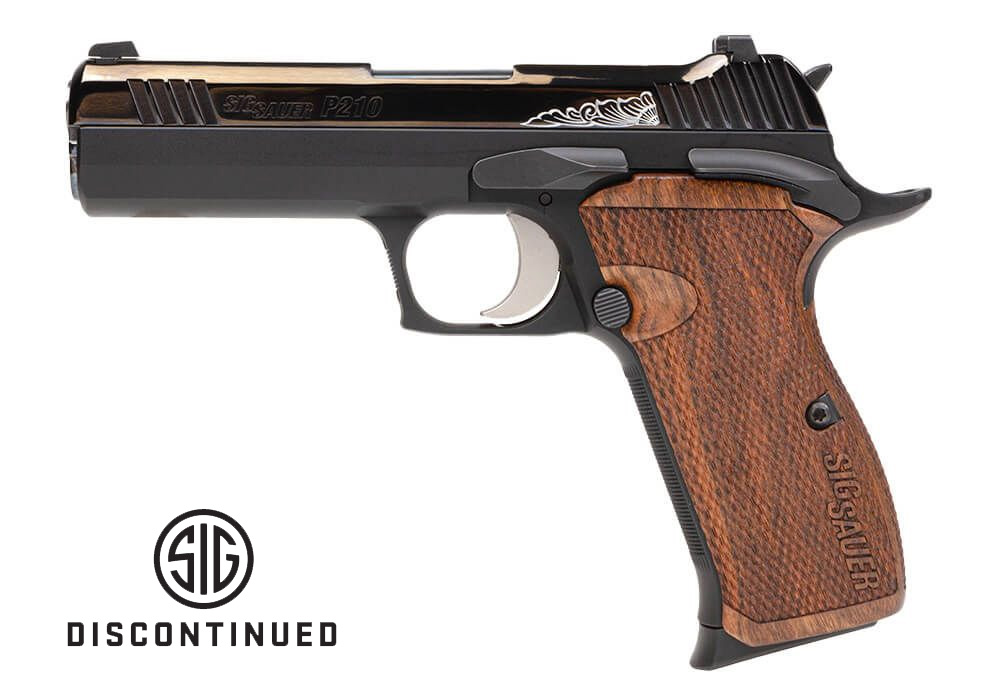
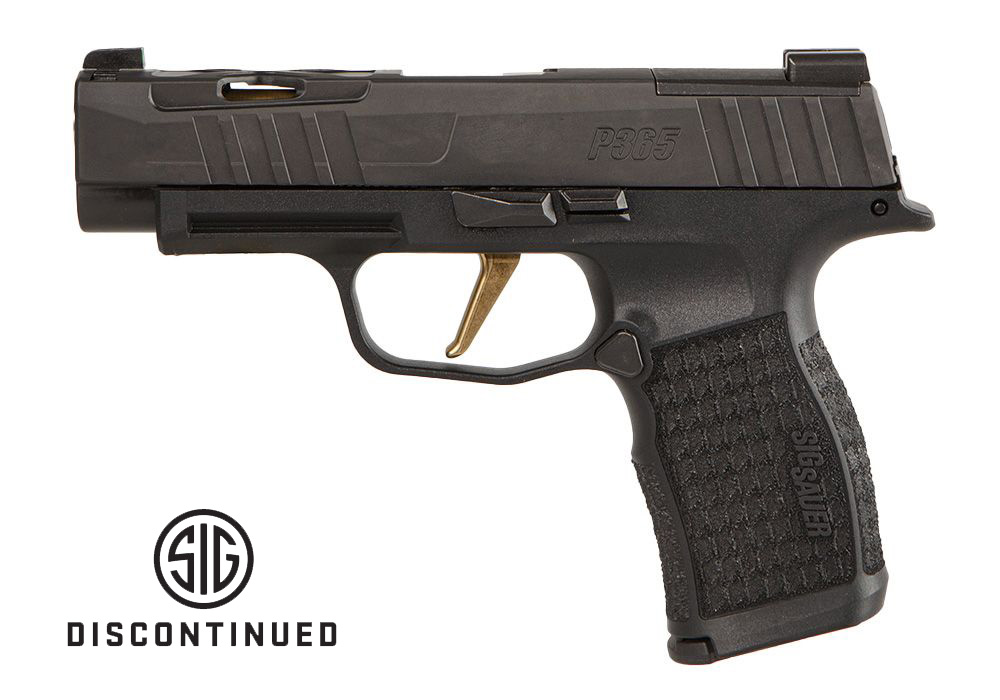
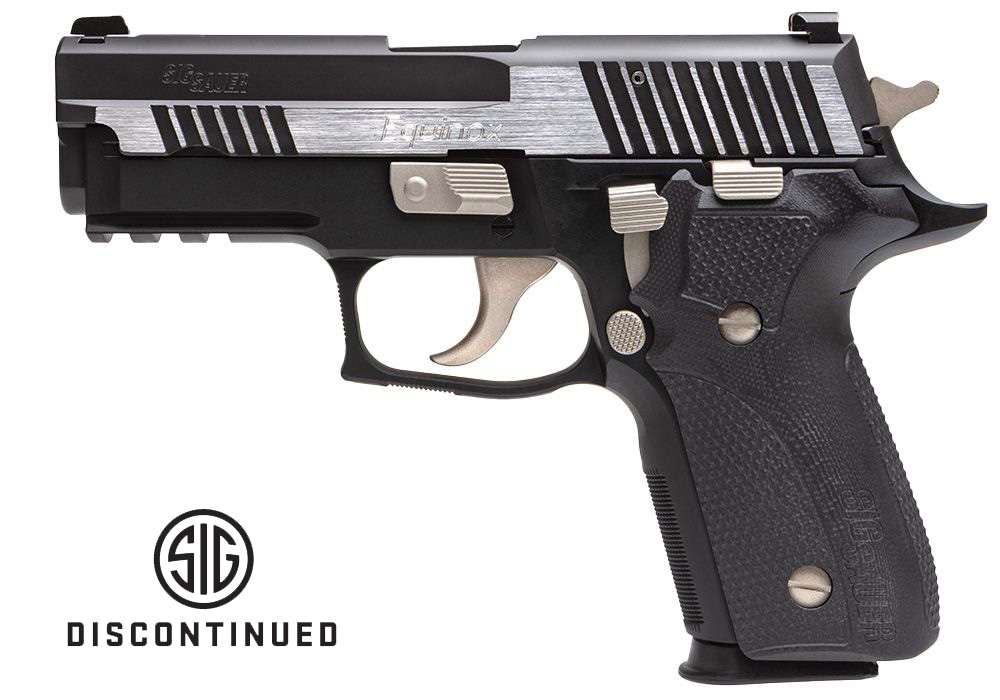
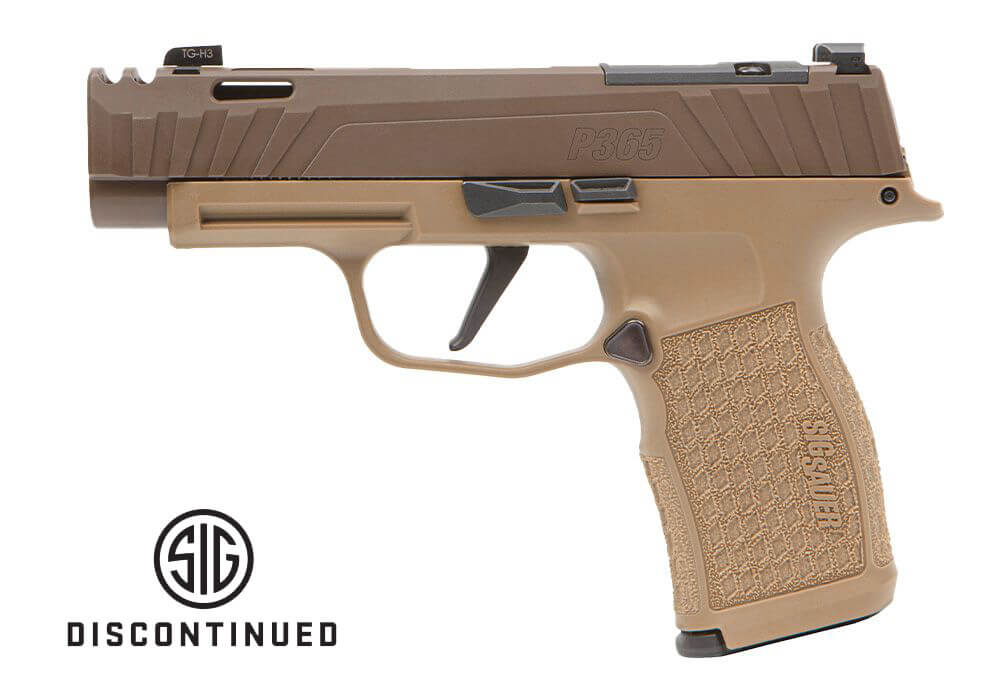
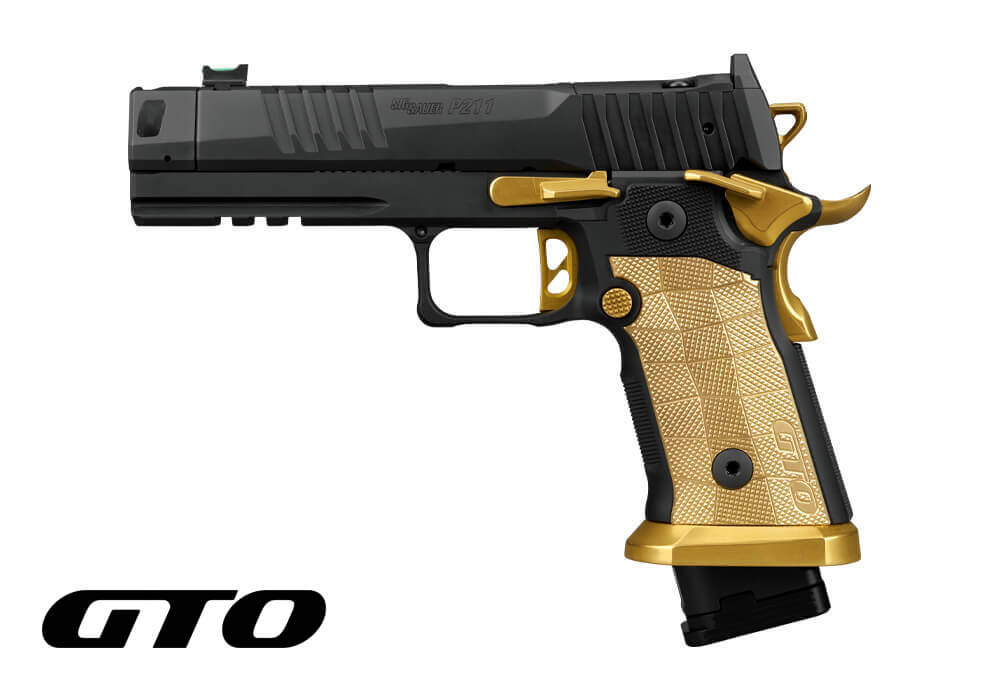
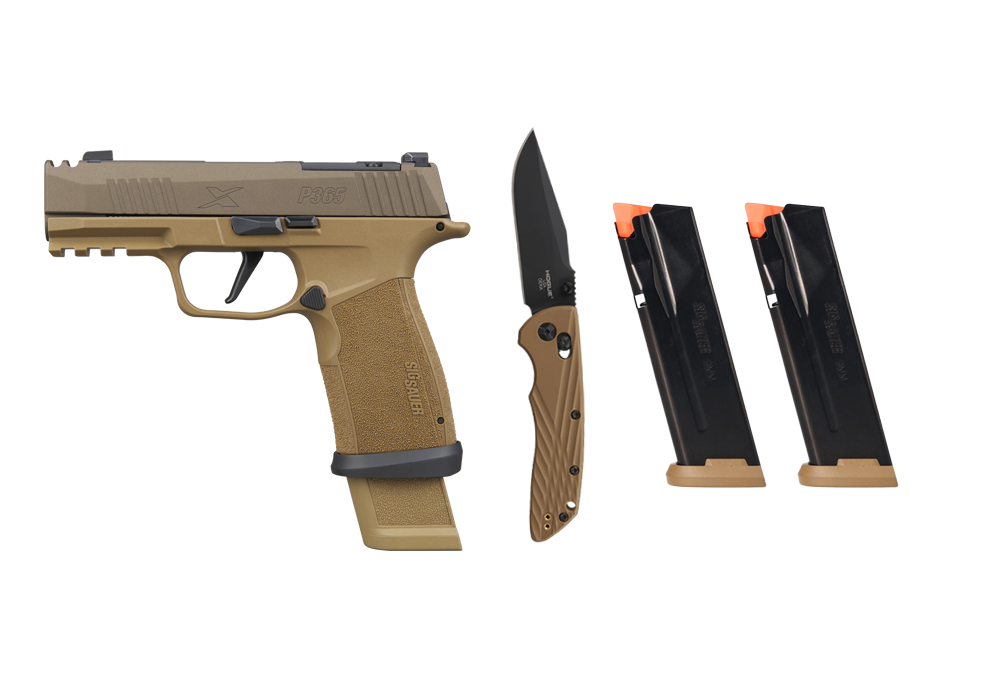
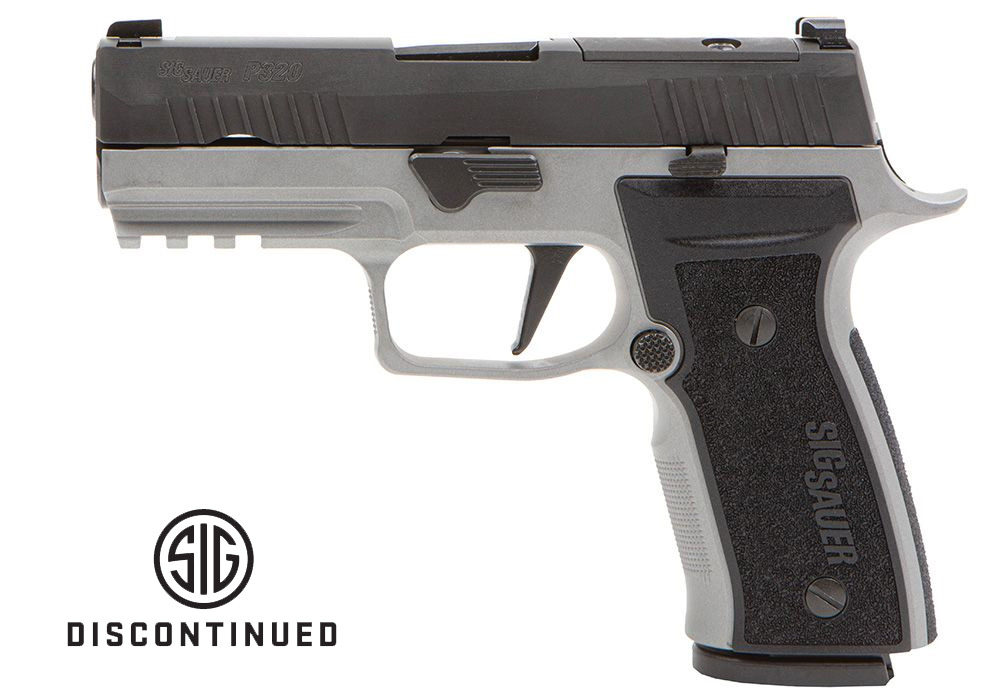
Elegant 9mm pistols with custom designs bring together the visual character of a finely finished object and the practical qualities of a working handgun. Their appeal lies in details that feel deliberate: engraving that follows the contours of a slide, grip panels with a distinctive grain or pattern, and finishes that create contrast without overwhelming the overall silhouette. Custom design can range from restrained accents to elaborate scrollwork, geometric decoration, or personalized lettering. A subtle border around a polished surface offers a different impression than extensive engraving across a darker finish, yet either approach can give a pistol an individual identity. The strongest designs maintain a clear relationship between ornament and function, leaving controls accessible and preserving the surfaces used for a secure grip. Two-tone treatments can highlight the relationship between the frame and slide, while satin textures offer a quieter appearance than mirrorlike polish. Dark finishes paired with warm wood tones create a traditional look; textured composite panels and carefully defined lines suggest a more contemporary interpretation. The 9mm chambering connects these aesthetic choices to a familiar handgun category used for recreational shooting, organized competition, training, and lawful personal protection. Appearance alone, however, does not establish accuracy, reliability, or suitability for a particular purpose. Those qualities depend on the underlying design, condition, ammunition compatibility, and the relationship between the pistol and its owner. For someone drawn to craftsmanship, a custom design offers more than decoration: it provides a recognizable combination of proportion, texture, and finish that can remain appealing through years of responsible ownership. Collectors may appreciate a cohesive engraving pattern or an unusual material pairing, while regular range users may prefer a more understated treatment that looks distinctive without feeling delicate. A pistol can be visually refined without being ornate, and extensive ornamentation can still feel balanced when its scale complements the handgun rather than competing with it.
Materials help determine how that design feels in the hand and how well it stands up to use. Steel, aluminum, and polymer each contribute different weight, surface characteristics, and maintenance considerations, with substantial variation among individual handgun designs. A metal frame can provide a sense of solidity, while a polymer frame can keep overall weight lower; neither material alone guarantees a better fit or a more satisfying shooting experience. Stainless steel offers corrosion resistance rather than immunity, and protective finishes still benefit from appropriate cleaning and storage. On an embellished pistol, the relationship between the finish and the underlying material matters as much as the initial shine. Areas that contact a holster, a case lining, or a shooting bench may develop wear differently from sheltered surfaces, so durability includes both mechanical longevity and the way the exterior ages. Grip materials introduce another layer of character. Wood panels can display distinctive grain and a warm, traditional appearance, while G10, a layered fiberglass composite, supports durable textures and contrasting patterns. Aluminum panels offer crisp visual detail and a firm feel. These materials vary in thickness, contour, and texture, making grip shape a more useful consideration than appearance alone. A beautifully patterned grip should still allow comfortable trigger reach and access to the controls without forcing an awkward hand position. Texture should support a consistent hold without creating uncomfortable pressure during a longer range session. Frame dimensions, grip circumference, overall weight, and balance all influence that experience, particularly for owners with smaller hands or limited hand strength. Sight visibility also deserves attention: decorative treatments should not distract from a clear sight picture or interfere with normal operation. Trigger feel is another practical distinction, but refinement is not simply a matter of a lighter pull. Consistency, appropriate specifications, and compatibility with the intended use matter more than a dramatic description. Any functional alteration belongs with a qualified professional and should remain consistent with the manufacturer's requirements.
Intended use gives these details their context. A pistol selected primarily for a collection may place greater emphasis on engraving depth, finish uniformity, distinctive grip materials, and the visual continuity between components. One intended for frequent range visits needs those qualities to coexist with comfortable handling, readable sights, and straightforward maintenance. For lawful carry, dimensions, weight, control layout, and compatibility with a properly fitted holster take on additional importance; decorative features should not obstruct secure retention or coverage of the trigger area. The owner who admires polished flats and intricate scrollwork may still want practical textures where the hand contacts the frame, just as a collector may value documentation that identifies the source and scope of custom work. Personalization is most meaningful when it reflects the recipient or owner's taste rather than following a passing style. Initials, a restrained motif, or a carefully chosen grip material can mark a milestone without overwhelming the pistol's design. As a gift, a firearm requires particular care regarding the recipient's eligibility, preferences, training, and all applicable transfer requirements; an attractive finish cannot substitute for those considerations. Long-term ownership also includes care suited to both the mechanical components and decorative surfaces. Manufacturer-recommended cleaning products and methods help protect coatings, engraving, and grip materials, while a soft cloth can address handling marks without unnecessary abrasion. Wood and composite panels may have different care requirements, and aggressive solvents can be unsuitable for some finishes. Secure storage, with the firearm unloaded and ammunition stored separately, supports responsible ownership and helps keep the pistol protected between uses. A related aesthetic appears in 9mm Pistols With Modern Design, where contemporary proportions and purposeful detailing offer another expression of refinement. Across both approaches, lasting elegance comes from a coherent design: materials that suit the intended use, proportions that feel comfortable, and decorative work that enhances rather than interrupts the handgun's character. That balance allows a distinctive 9mm pistol to remain both an object of appreciation and a practical part of a responsible shooting routine.