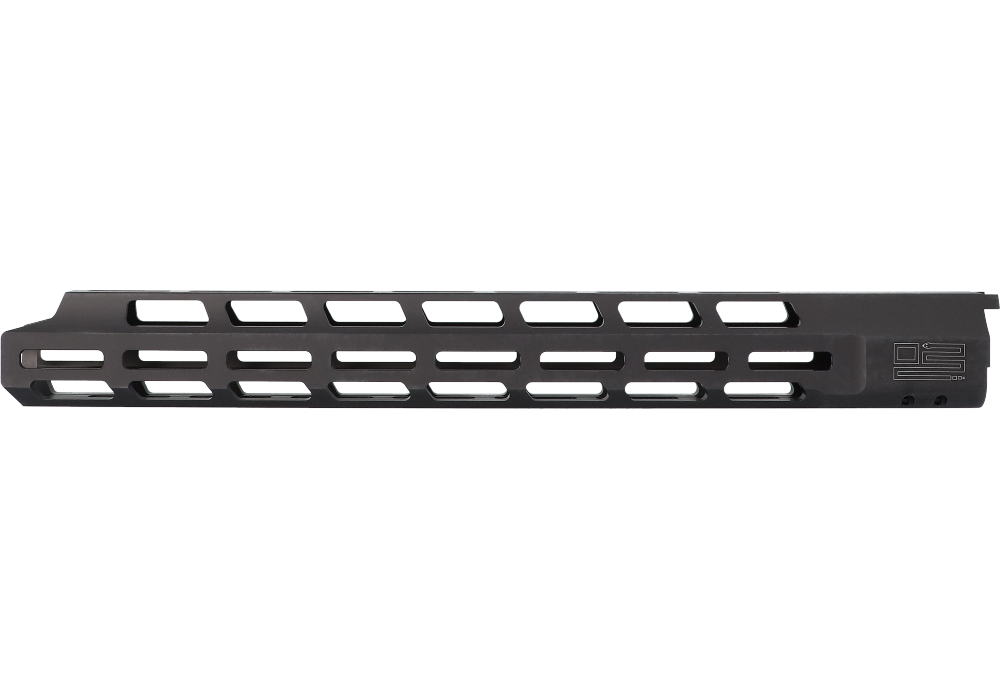
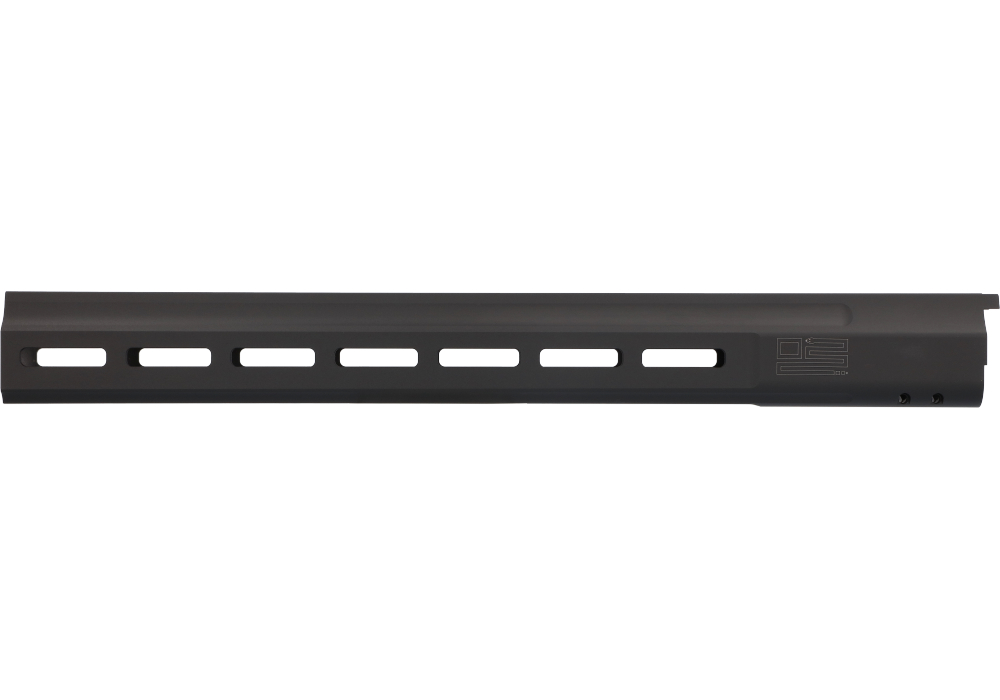
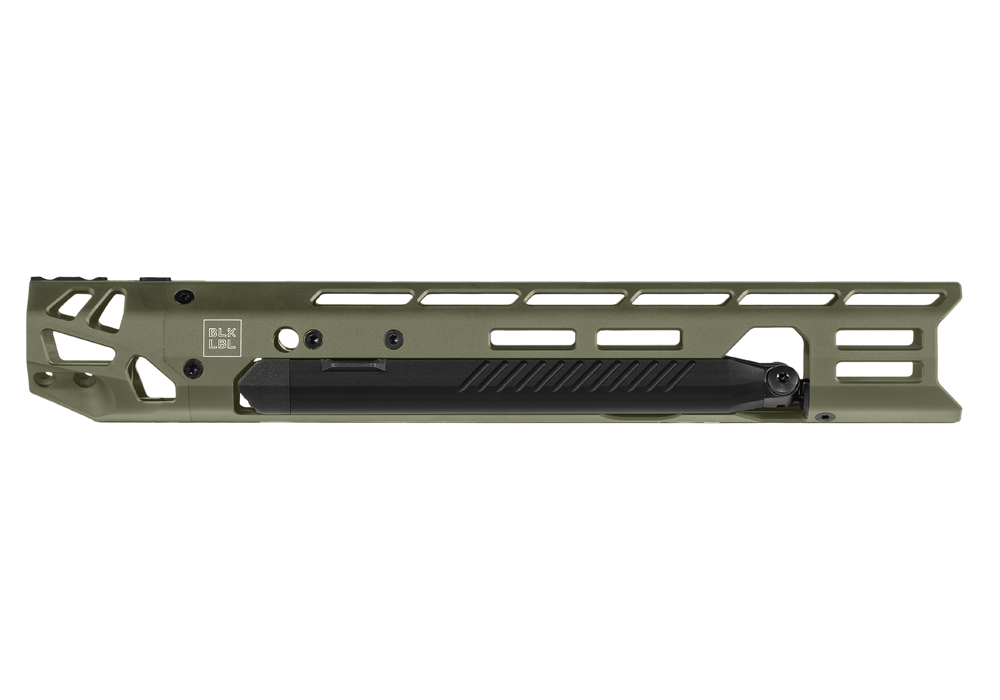
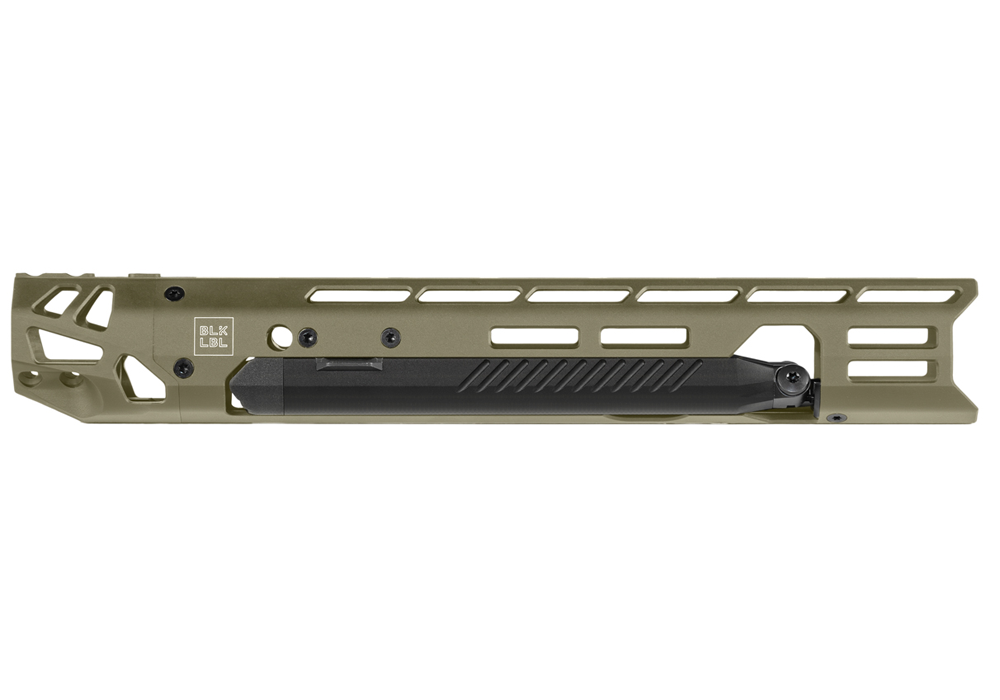
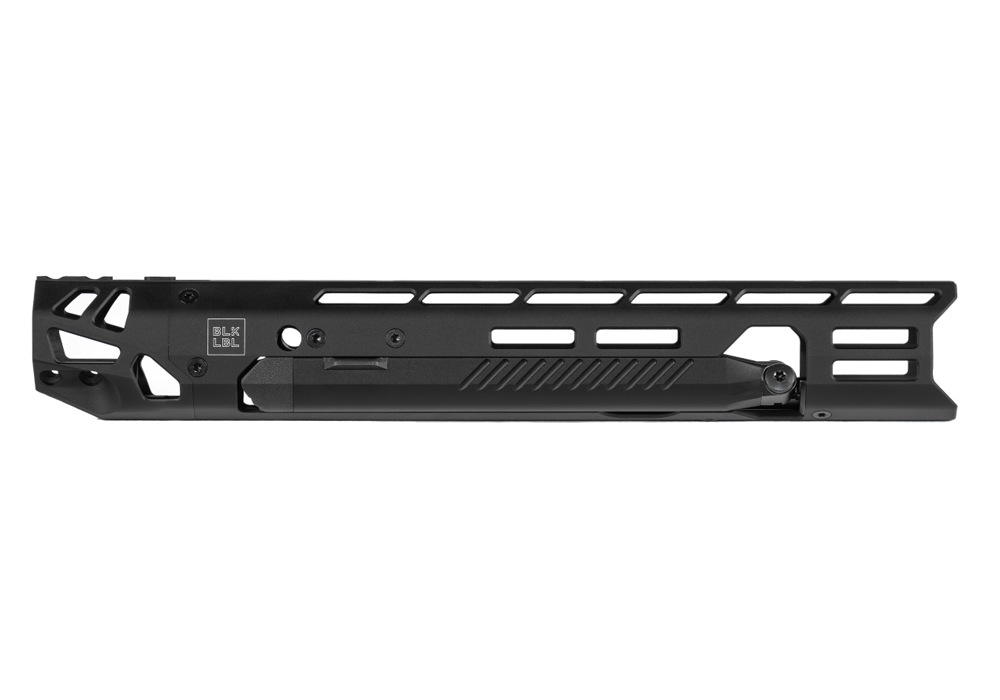
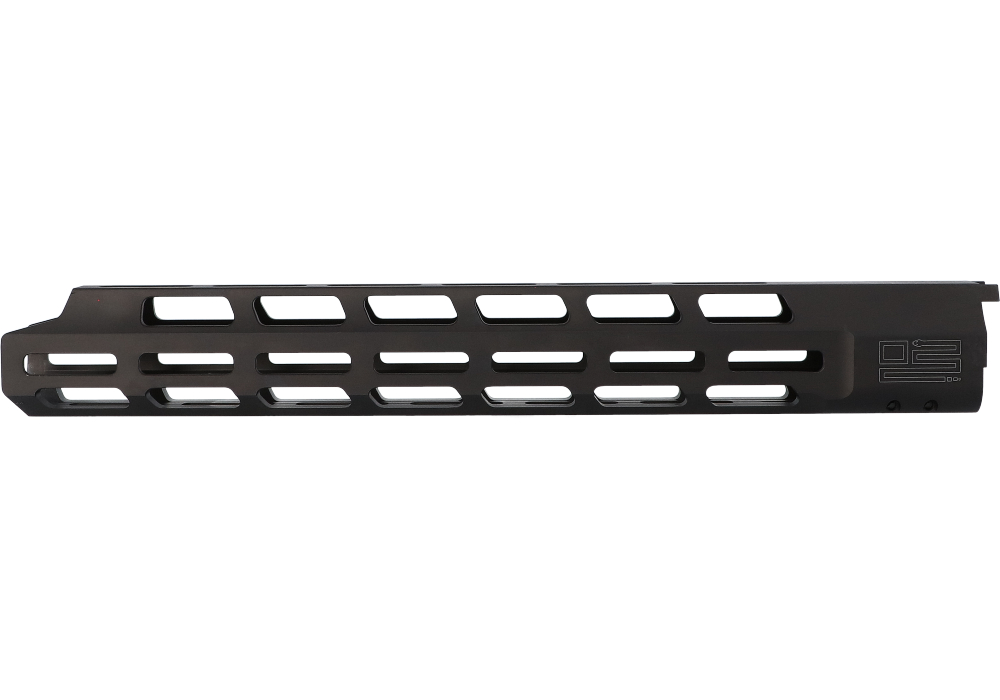
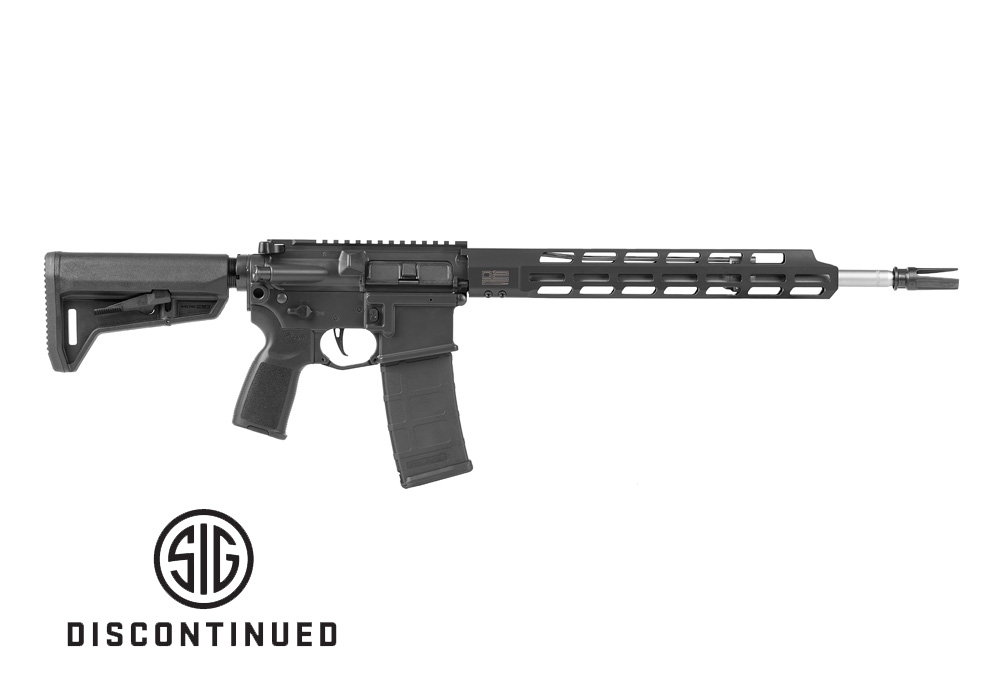
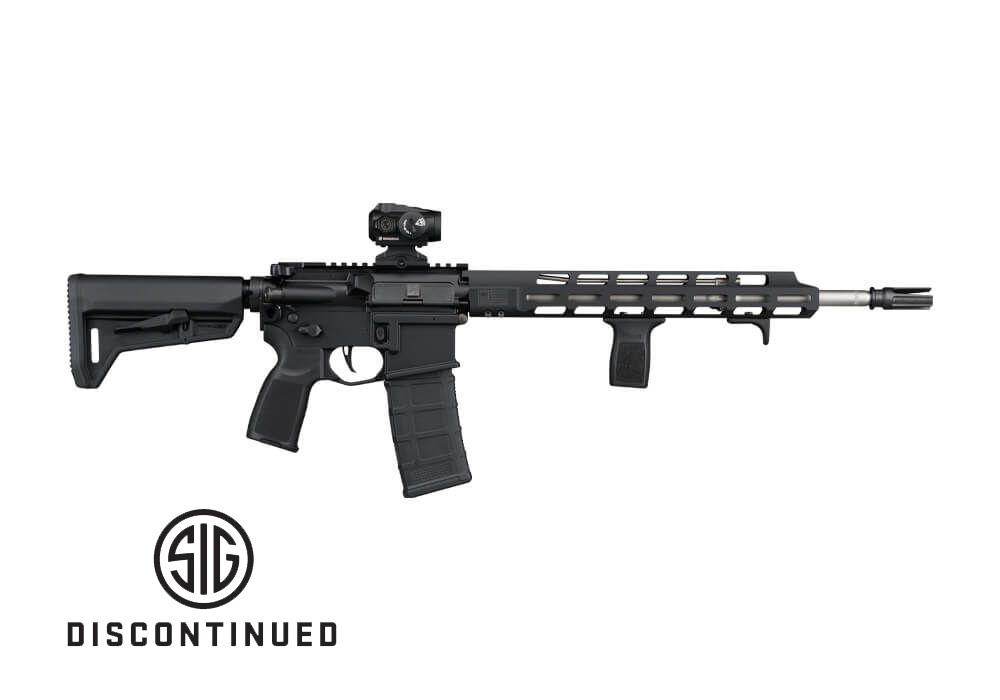
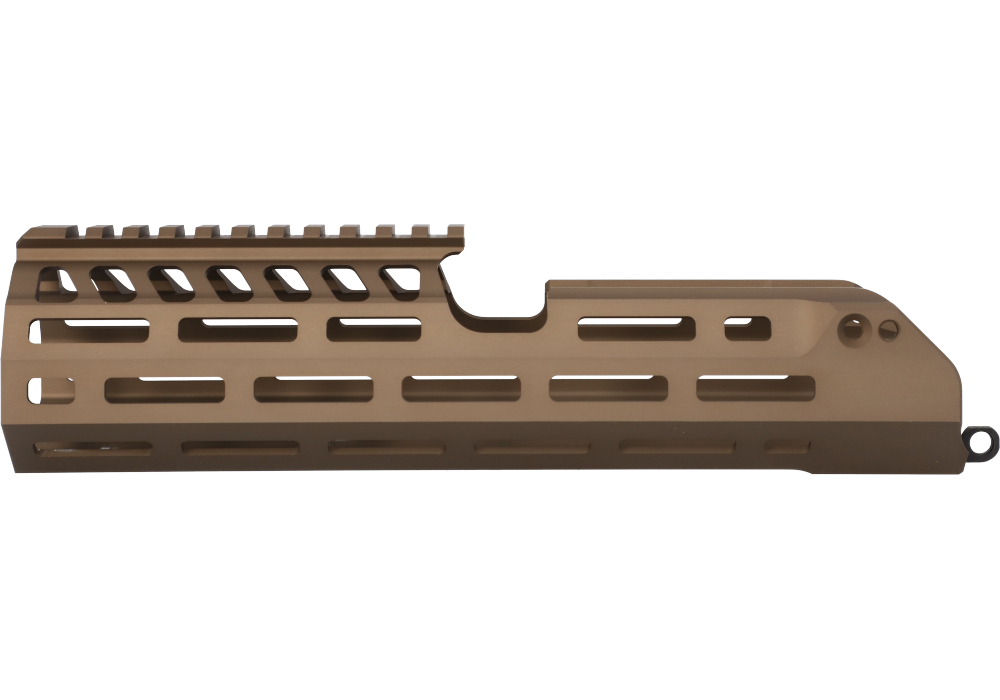
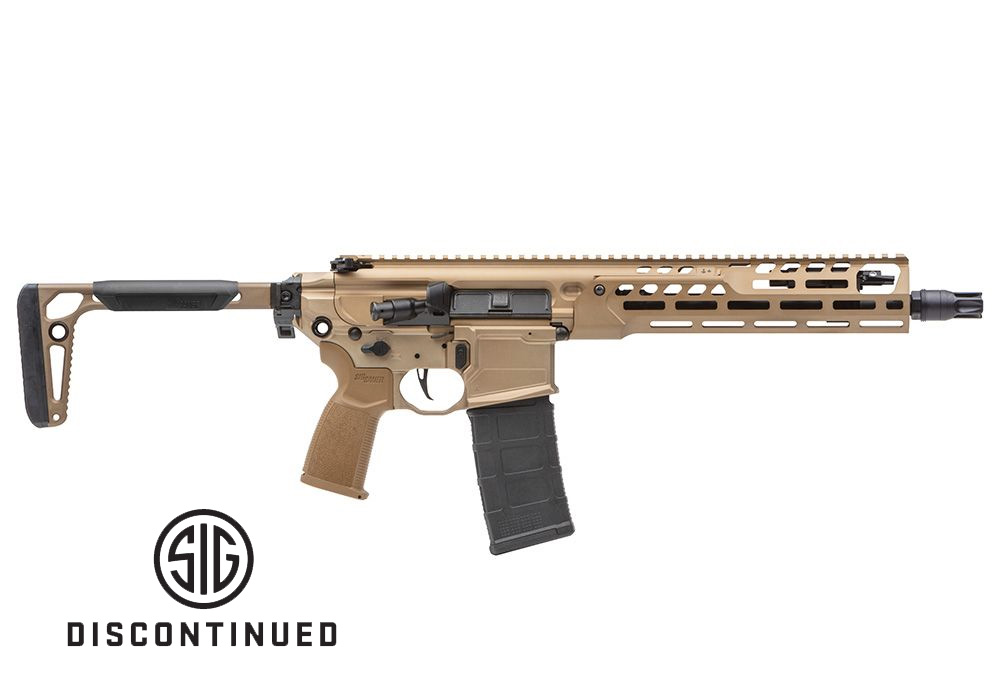
Enhanced rifle handguards combine a comfortable gripping surface with structural support for compatible accessories, helping a rifle feel more balanced and better suited to its intended use. Positioned around the barrel area ahead of the receiver, a handguard gives the support hand a place to hold the rifle while maintaining separation from the barrel. Its shape, length, weight, and attachment system all influence how the firearm handles, whether it rests on a bench bag or moves between shooting positions at a supervised range. Free-float handguards attach through a compatible receiver or barrel-nut interface without contacting the barrel along their length. By limiting the transfer of support-hand pressure and supported shooting loads directly to the barrel, that arrangement can help maintain consistent barrel behavior. It does not guarantee tighter groups; ammunition, barrel condition, shooting technique, and the complete firearm configuration still matter. Other handguard designs use retention points associated with the rifle’s existing configuration, with compatibility and performance characteristics that depend on the platform. The word enhanced generally describes refinements in ergonomics, mounting versatility, construction, or attachment security rather than a single universal specification. A slim, rounded profile may feel natural in the hand, while a broader underside can provide a more settled contact surface against a shooting rest. Carefully finished edges and thoughtfully placed texturing can improve comfort without creating an unnecessarily abrasive grip. Length also changes the experience: a longer gripping area offers more room for different hand positions and accessory placement, while a shorter design may keep the front of the rifle lighter. Neither approach is automatically better. The useful distinction is how the handguard complements the rifle and the person handling it. Openings along the body can reduce weight and allow airflow around the barrel, but ventilation should not be mistaken for complete heat protection. Handguards can become hot during firing, and their design does not replace attentive handling or appropriate protection.
Materials and construction help explain why enhanced rifle handguards can feel different even when their dimensions appear similar. Aluminum is common because it offers a practical balance of rigidity, weight, and resistance to everyday wear. Alloy, wall thickness, machining quality, and the attachment structure all contribute to the finished component’s strength; a material name alone cannot describe its durability. Anodized finishes can protect aluminum surfaces and provide a consistent appearance, although contact with rests, mounts, and other equipment may leave visible wear over time. Composite and carbon-fiber designs can offer different weight and handling characteristics, with care requirements that depend on their construction and finish. Polymer designs have their own balance of weight, surface feel, and structural limitations. Across materials, the important details include smooth edges, secure attachment, consistent dimensions, and an interface appropriate for the rifle. Fit is platform-specific. Receiver configuration, barrel-nut compatibility, barrel profile, gas-system components, and the space around neighboring parts can all affect whether a handguard is suitable. Similar appearance or a familiar platform description is not enough to establish compatibility, and matching length alone does not confirm a proper fit. Manufacturer specifications and qualified professional assessment are especially valuable when an existing rifle has been altered or its component history is uncertain. Mounting systems deserve the same attention. M-LOK slots provide modular attachment locations, allowing compatible accessories to occupy selected areas rather than covering the entire handguard with rails. Picatinny rails provide a standardized interface for compatible mounts, with continuous sections offering placement flexibility at the expense of additional bulk and potentially more weight. Some designs combine a top rail with modular attachment points along the sides and underside. Sling attachment provisions, rail sections, and supported-shooting accessories should match the interface and remain within the component manufacturer’s requirements. The handguard’s listed weight is only part of the handling equation: the complete configuration determines how much weight sits forward of the receiver. A lightweight body fitted with several accessories can feel heavier than a simpler, more substantial handguard. A balanced configuration leaves useful gripping space while providing the attachment features needed for the intended activity.
Long-term satisfaction with a rifle handguard often comes from details that become noticeable through repeated use. A recreational shooter spending an afternoon at a bench may appreciate a comfortable underside, sufficient clearance around the support hand, and a surface that does not snag a range bag. Someone participating in organized competition may place greater emphasis on predictable handling and a profile that remains comfortable across permitted shooting positions. An owner seeking a straightforward replacement may value compatibility, durable finishing, and uncluttered ergonomics more than numerous mounting locations. These priorities give enhanced rifle handguards a broad role without making every design appropriate for every rifle. For a related view of this accessory category, Black Rifle Accessory Handguards offers additional context for comparing handguard styles and intended applications. Routine care helps preserve both appearance and function. Before handling or inspecting a firearm, confirm that it is unloaded and follow its manufacturer’s safe-handling instructions. Dust, residue, and debris can collect around vents, attachment slots, and textured surfaces, so cleaning methods and products should be appropriate for the handguard material and finish. Aggressive solvents, abrasive tools, and incompatible chemicals may damage protective surfaces or composite materials. After use, visible cracks, unusual movement, damaged mounting areas, or sharp edges warrant attention from a qualified professional rather than being dismissed as cosmetic wear. A secure attachment and adequate clearance around adjacent components remain important throughout the accessory’s service life. Protective storage also matters: loose equipment rubbing against the handguard can mark its finish, while a suitable case helps reduce unnecessary contact during transport. As a gift, a handguard is best suited to a recipient whose rifle configuration and preferences are already known, since dimensions and attachment requirements leave little room for guesswork. The strongest match is not necessarily the longest, lightest, or most elaborate design. It is the handguard that fits correctly, supports a comfortable hold, accommodates appropriate accessories, and provides dependable construction for the way the rifle will be used.