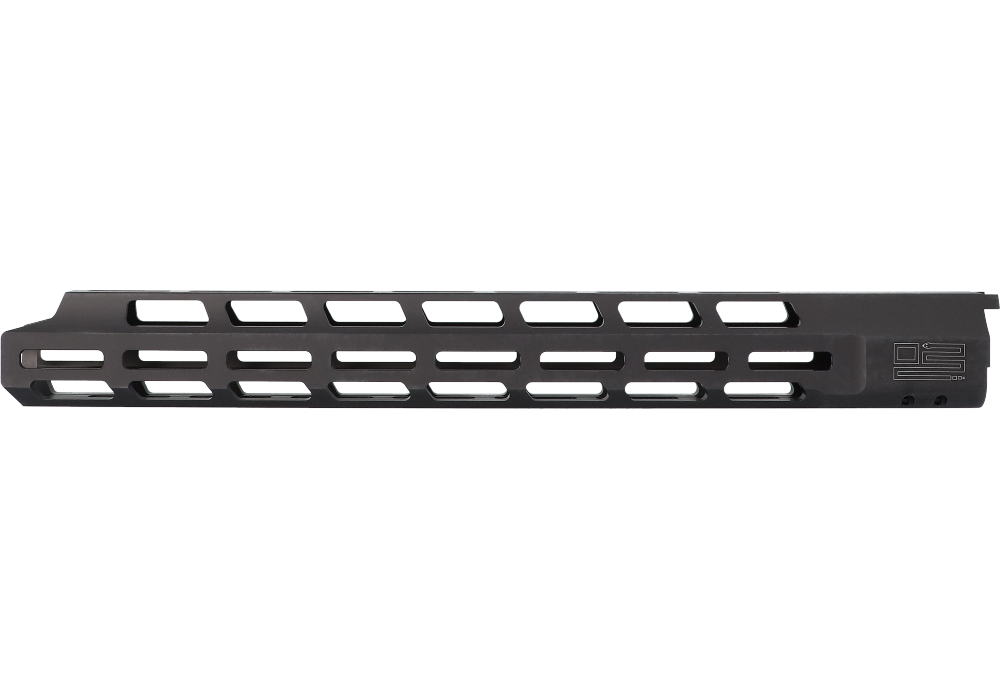
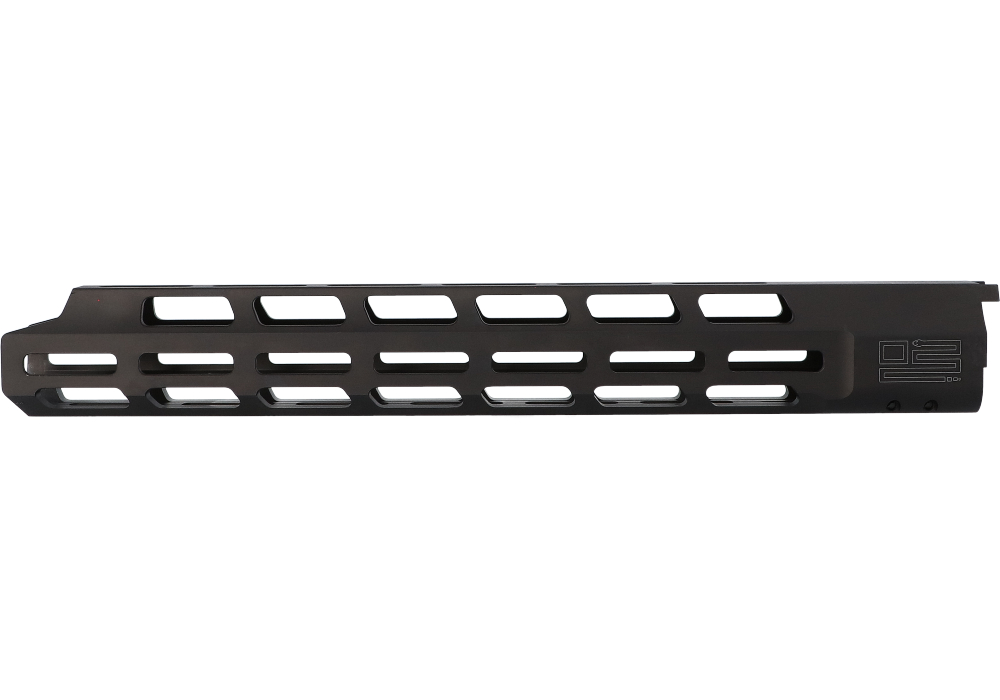
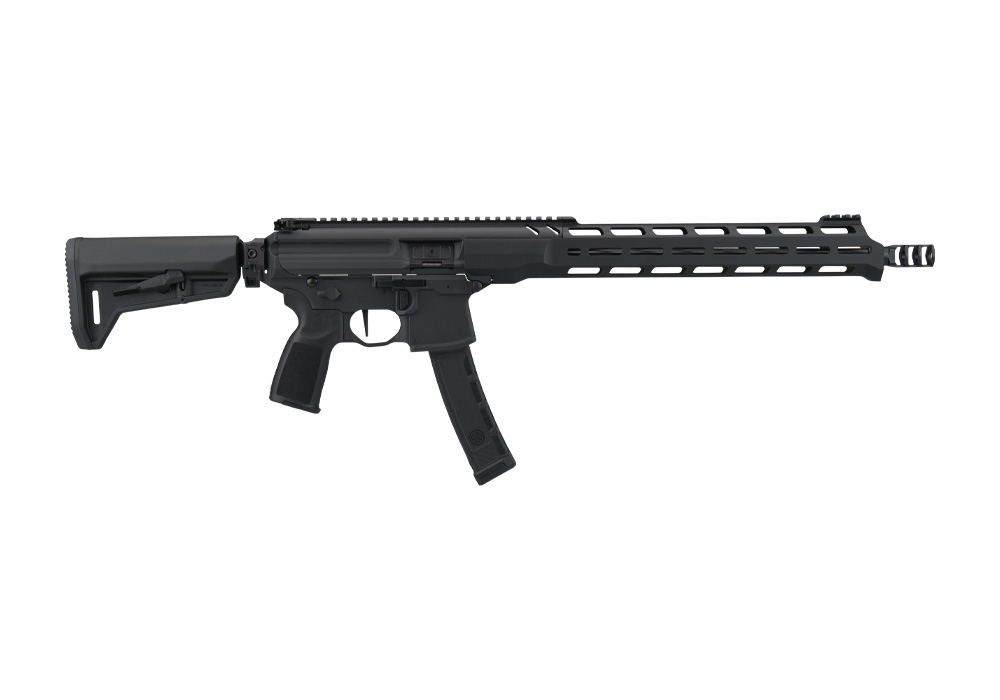
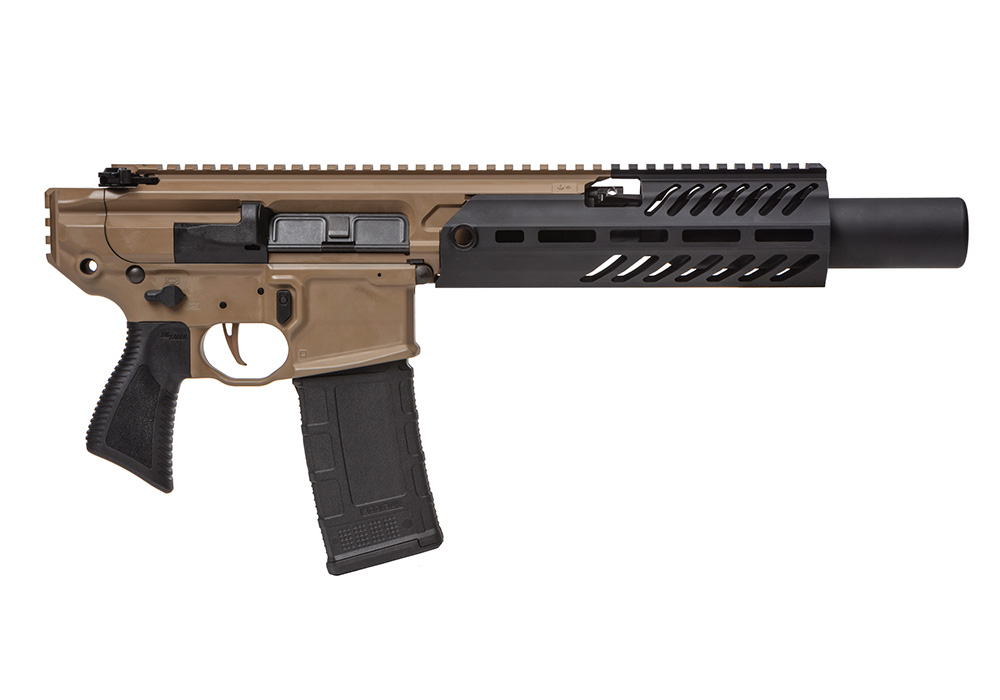
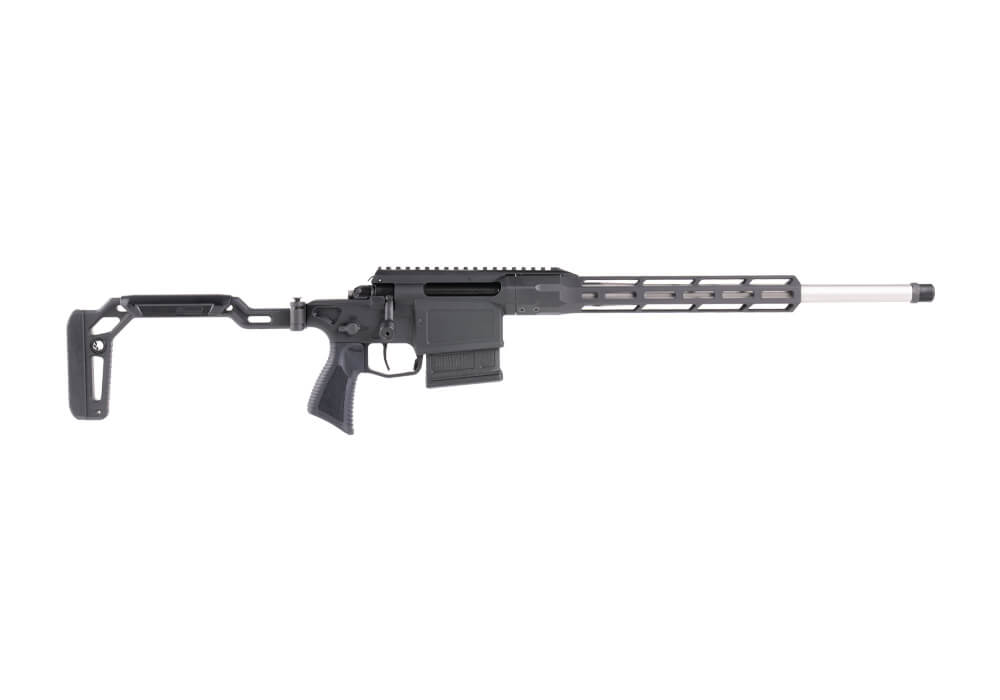
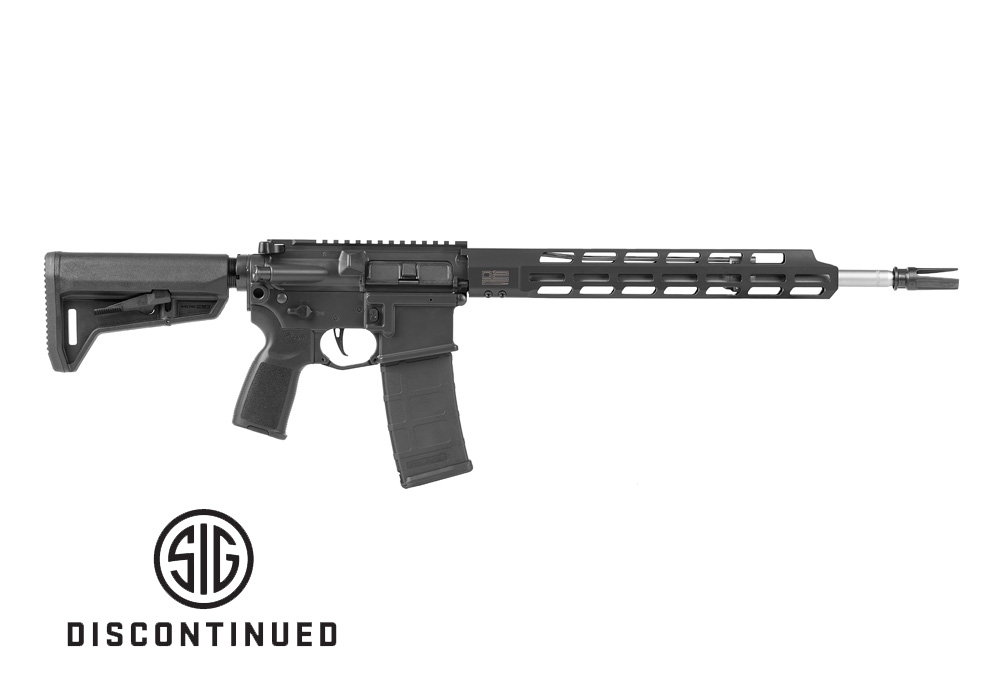
High-performance rifle handguards provide a stable gripping surface around the barrel and a secure foundation for compatible accessories, with designs that balance rigidity, weight, ventilation, and fit. Their value comes from how well those qualities work together on a particular rifle, not from any single specification. A comfortable profile can make a lengthy range session less tiring, while a well-supported mounting interface helps keep attached equipment secure during routine handling. Free-floating designs attach to the receiver-side mounting structure without contacting the barrel along their length. This arrangement can reduce the influence of pressure on the handguard, such as pressure from a supported shooting position, on barrel movement and point of impact. It does not guarantee tighter groups; ammunition, barrel quality, mechanical condition, and shooter consistency still matter. Other designs use the rifle’s existing front and rear retention points, with compatibility determined by that platform’s configuration. Neither approach is universally interchangeable, and a familiar appearance is not proof of fit. Length, internal clearance, mounting hardware, and receiver geometry all affect whether a handguard belongs on a particular rifle. For recreational target shooters, the priorities often include a comfortable hold, manageable weight, and enough mounting space for a straightforward setup. Competitive shooters may place greater emphasis on balance and repeatable hand placement, while hunters may prefer a smooth exterior that is comfortable to carry and less likely to catch on clothing or brush. Across these uses, a useful handguard is one that suits the rifle without adding unnecessary bulk or complexity. A narrow profile can feel natural in smaller hands, but a wider profile may provide more room around compatible internal components. Likewise, a longer gripping surface offers more placement options, yet it also changes how the rifle carries and balances. Looking at the complete configuration gives a clearer picture of performance than comparing length or weight in isolation.
Materials and construction shape how a rifle handguard feels, wears, and holds its form over time. Aluminum is common because it combines relatively low weight with useful structural strength and can accommodate precisely machined mounting features. Alloy designation provides part of the picture, but wall thickness, cross-sectional shape, machining quality, and the attachment system also influence rigidity. A higher-strength alloy does not automatically turn every design into a better choice. Carbon-fiber construction can reduce weight and transfer heat differently than metal, although its long-term condition depends on the quality of the composite, its bonding, and any metal interfaces. Reinforced polymer offers another balance of weight, feel, and durability where the rifle’s design supports it. Surface treatments deserve attention as well. Anodized finishes help protect aluminum against corrosion and surface wear, but no finish is immune to scratches from hard use. Cleanly finished edges, consistent machining, and a comfortable exterior often become more noticeable over repeated range visits than cosmetic details alone. Ventilation openings allow airflow around the barrel and can reduce material weight, though an open design does not eliminate heat exposure during firing. Handguards can still become hot, and comfort should never be mistaken for a measure of barrel condition. Mounting layouts introduce another practical tradeoff. Picatinny rails provide an established interface for compatible accessories, while modular slot systems allow mounting points to be added only where needed. Continuous rails offer extensive attachment space, but they can increase weight and create a more textured gripping surface. A largely smooth handguard with selected mounting sections may feel less crowded in the hand. For someone who carries a rifle between shooting stations or spends extended periods practicing from supported positions, those differences can be tangible. The strongest specification sheet is not necessarily the most comfortable setup; the better match leaves room for the intended accessories while keeping the normal gripping area usable and uncluttered.
Fit deserves the same attention as materials, particularly when similar-looking rifle platforms use different attachment systems. Overall length alone cannot establish compatibility. Receiver dimensions, barrel-nut requirements, gas-system clearance, and the space required by other components must align with the manufacturer’s specifications. Proprietary interfaces can limit interchangeability even among rifles with a similar outline. A qualified gunsmith is an appropriate resource when compatibility or installation requirements are unclear, especially if replacing the handguard involves other firearm components. Once properly fitted, the handguard should remain secure, with no unexpected movement or interference. Routine care is generally straightforward: follow the manufacturer’s maintenance directions, use cleaning products suitable for the material and finish, and remove accumulated dirt from accessible surfaces and mounting recesses. Before handling or maintenance, confirm that the firearm is unloaded and follow its safety instructions. Abrasive cleaning tools and unapproved chemicals can damage finishes or composite surfaces, so more aggressive cleaning is not necessarily better. Periodic inspection can reveal loose accessories, damaged mounting features, cracks, or changes in fit before the rifle returns to use. Any unexpected looseness or structural damage warrants professional evaluation rather than continued use. These considerations also matter when choosing a handguard as a gift for an experienced rifle owner. Knowing the exact platform and the recipient’s preferences is essential; a well-intentioned selection based only on appearance may not fit or may alter a setup the owner already finds comfortable. For shoppers comparing related options, Enhanced Rifle Handguards offers a relevant category to explore alongside the dimensions and compatibility details that govern any selection. The lasting appeal of a high-performance rifle handguard is practical: a secure interface, sensible weight, durable construction, and a shape that supports the owner’s intended use. Those qualities are easier to appreciate after repeated handling than in a photograph, which makes careful attention to fit, finish, and the complete rifle configuration especially worthwhile.