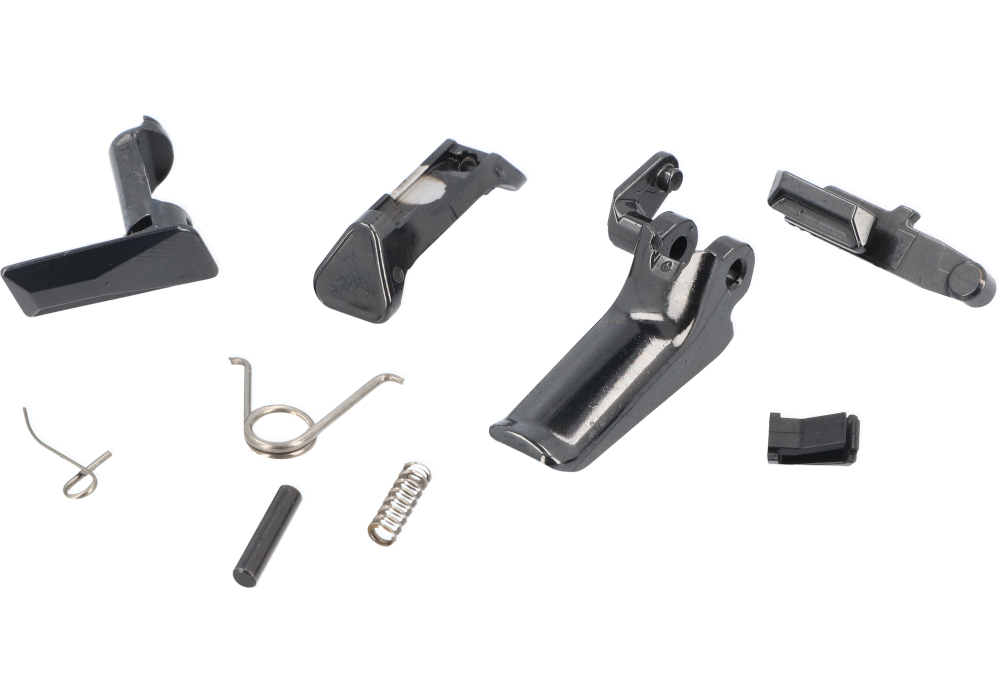
Extractor replacement kits for civilian handguns are practical maintenance parts for restoring reliable extraction when a worn, damaged, or corroded extractor no longer grips the rim of a spent cartridge case consistently. An extractor is a small component with an important job: as the slide moves rearward, its hook catches the cartridge rim and draws the fired case from the chamber so the case can be ejected and the next round can be loaded. A typical kit may include the extractor itself, a tension spring, a plunger or sleeve, and retaining hardware suited to a particular handgun design. Because these parts work together under repeated spring tension and movement, replacing only one piece is not always the best solution when the assembly shows wear. A complete extractor replacement kit can provide a more dependable refresh while keeping the related components matched to one another. Symptoms associated with extractor wear can include a spent case remaining in the chamber, inconsistent ejection, stovepipe malfunctions, or visible damage to the extractor hook. Brass marks, accumulated fouling, surface rust, and chipped or rounded edges may also point to a part that deserves careful inspection. These signs can have other causes, including ammunition, chamber condition, recoil components, or improper maintenance, so a qualified gunsmith should evaluate any handgun that is not functioning as expected. Before handling or inspecting a replacement part, unload the firearm completely, remove all ammunition from the work area, and verify the chamber and magazine well are empty according to the manufacturer’s safety instructions.
Compatibility is the most important consideration when choosing extractor replacement kits for civilian handguns. Extractors are not universal parts, even when two pistols appear similar from the outside. The correct kit may depend on the exact handgun model, generation, slide configuration, chambering, production variation, and whether the firearm uses a particular style of spring, plunger, pin, or retaining plate. Confirming the manufacturer’s model information and checking the owner’s manual or official parts documentation can prevent an otherwise frustrating mismatch. Pay close attention to the listed chambering as well; a kit intended for one cartridge family may not be suitable for another configuration. Buyers should also compare the contents of each kit, since some packages include only the extractor while others provide the spring and small hardware commonly replaced during service. Corrosion-resistant finishes and durable materials can be useful for handguns exposed to humidity, perspiration, range debris, or long periods in a holster, but the part still needs appropriate cleaning and lubrication based on the firearm manufacturer’s recommendations. Those who maintain a handgun at home may already have a small bench block, correctly sized punches, a compact gunsmithing hammer, and a well-lit work surface, yet extractor service can involve tiny spring-loaded components that are easy to lose or install incorrectly. A clear plastic tray, light-colored towel, or magnetic parts dish can help keep small hardware visible, while protective eyewear is sensible whenever springs or pins are being handled. If the procedure requires removing a slide plate, retaining pin, or other component under tension, consult the owner’s manual and consider using a certified gunsmith rather than relying on guesswork. Correct fit and proper function matter more than saving a few minutes, particularly on a defensive handgun.
Extractor replacement kits can be useful for regular maintenance, repair planning, or keeping a commonly used civilian handgun ready for inspection by a professional. Recreational shooters may choose a kit after extended range use, when repeated cycling and residue have made the extractor area difficult to clean. A concealed-carry owner may keep a compatible spare with other maintenance supplies, especially when the firearm is carried through changing temperatures and cooler, damp weather. Instructors, range staff, and responsible collectors may also appreciate having replacement components available for handguns that see frequent handling or training. These kits can make thoughtful gifts for an adult firearm owner who already knows the exact model and prefers to maintain equipment carefully, although a gift card or a confirmed compatibility check is safer than selecting a part based on appearance alone. Store replacement components in their original packaging or a labeled container, away from moisture, loose ammunition, and harsh chemicals. During the cooler months, a handgun that has moved between a warm vehicle, an outdoor range, and an indoor storage area may experience condensation, so allowing equipment to acclimate and inspecting it before storage can help limit corrosion. A replacement kit is not a substitute for a complete function check: after installation, a qualified professional should verify correct assembly and safe operation, and any testing should follow the manufacturer’s instructions and take place at an appropriate range with suitable eye and ear protection. For shoppers comparing available options, the selection of Extractor Replacement Kits for Guns provides a starting point for finding model-matched components and planning responsible handgun maintenance.