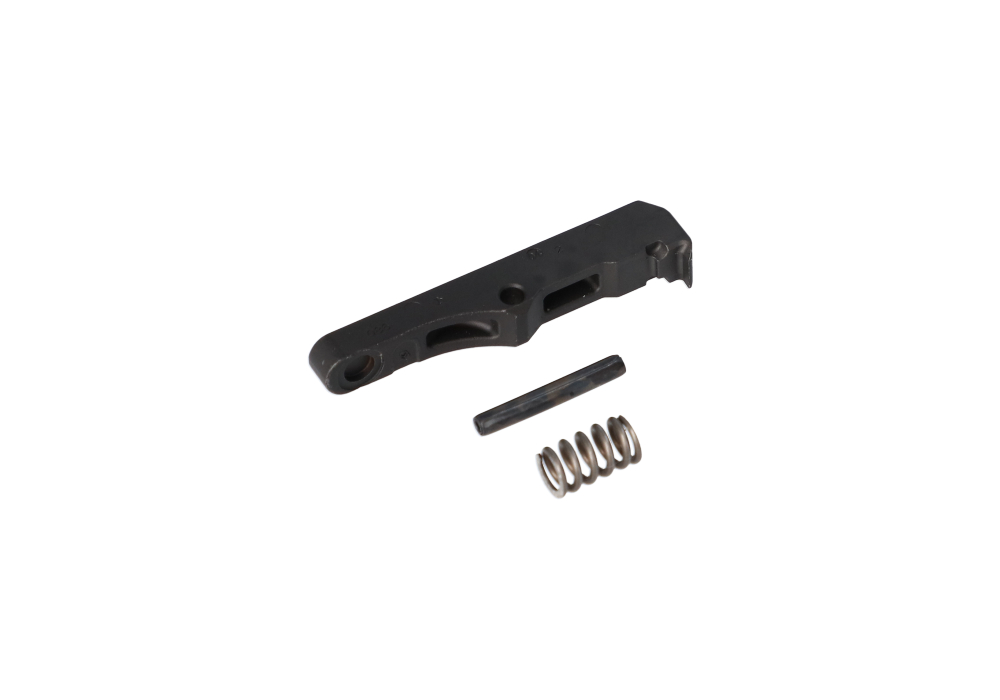
Extractor springs are small components with an important role in the dependable operation of an AR-15, M4, or M16-pattern rifle. During the firing cycle, the extractor must maintain a firm grip on the cartridge case rim as the bolt moves rearward, pulling the spent case from the chamber so it can be ejected and the next round can be chambered. When spring tension weakens, extraction may become inconsistent, with symptoms that include a case remaining in the chamber, weak or erratic ejection, or a failure-to-extract stoppage. A replacement spring selected for tactical upgrades can help restore the positive, repeatable tension that a hard-used rifle needs. These components are especially relevant for owners who train regularly, maintain a defensive carbine, or configure a rifle for demanding conditions where a stoppage is more than a minor inconvenience. They can also be useful when refreshing a familiar firearm during a detailed maintenance session. Like replacing a worn recoil spring or inspecting a bolt carrier group, changing an extractor spring is a practical part of keeping a rifle’s operating system in proper working order. This product selection is intended for shoppers comparing replacement and enhanced extractor spring components for compatible platforms, whether the goal is routine maintenance, a reliability-focused parts refresh, or a carefully planned tactical upgrade.
When comparing extractor springs, start with platform compatibility and the specifications of the bolt and extractor being serviced. AR-pattern components can look similar while differing in dimensions, spring rate, insert design, or intended application, so confirm that the part matches the firearm and the manufacturer’s installation requirements before ordering. Material and construction also deserve close attention. Heat-treated, shot-peened chrome-silicon springs are commonly chosen for their ability to withstand repeated compression cycles, heat, and sustained use without losing tension as quickly as a lower-grade spring. A robust spring works together with the extractor insert, which provides a bearing surface and helps the extractor maintain contact with the case rim. Enhanced inserts are often selected when a firmer grip is desired, particularly in a rifle that sees frequent firing or difficult operating conditions. Some upgrade configurations also include a rubber O-ring that fits around the spring assembly to add tension at the extractor. This type of addition may be useful for specialized setups, but it should be selected thoughtfully rather than added automatically; excessive tension can affect operation just as insufficient tension can. Look for clearly described dimensions, included components, material information, and compatibility guidance. If the firearm has a short barrel, a fast gas system, or a suppressor, pay particular attention to the extractor assembly because increased cycling speed and altered gas behavior can place additional demands on the spring. A short-barreled rifle or pistol configuration may benefit from an extractor spring with dependable snap, while a suppressed rifle may experience more fouling and heat during extended strings of fire. These factors do not replace proper diagnosis, but they help explain why an extractor spring upgrade may be considered when a rifle exhibits weak ejection or recurring extraction issues.
Extractor spring upgrades are useful for experienced shooters, armorers, competitive participants, and anyone responsible for maintaining a frequently used rifle. They can also make a thoughtful gift for a firearm owner who appreciates practical maintenance components more than decorative accessories, particularly when paired with a compact range-maintenance kit, suitable lubricant, or an organized storage case. During warmer outdoor training days and through the cooler months, rifles may move between dusty range conditions, damp field environments, and temperature changes that reveal marginal components. A spring that has spent years compressed in a heavily used bolt may not show obvious damage, yet its reduced tension can become apparent when the rifle is dirty, hot, or running at a faster pace. Before installing a replacement, unload the firearm completely, follow the owner’s manual, and work in a clean, well-lit area where small parts cannot disappear into carpet or gravel. Inspect the extractor, insert, spring seat, bolt face, and chamber for fouling, damage, burrs, or unusual wear; a new spring cannot correct a damaged extractor or a chamber that needs attention. It is also wise to keep track of the original configuration and compare the replacement parts before installation. Shoppers planning a more complete extractor refresh may also review Extractor Spring Pin Upgrades to evaluate related components that secure the extractor assembly. After installation, verify proper function according to the firearm manufacturer’s instructions and confirm reliable extraction and ejection with appropriate, safe testing. Choosing the right spring, insert, and supporting hardware gives a well-maintained rifle a more confident mechanical feel and helps preserve consistent cycling across routine range use, training sessions, and responsible field applications.