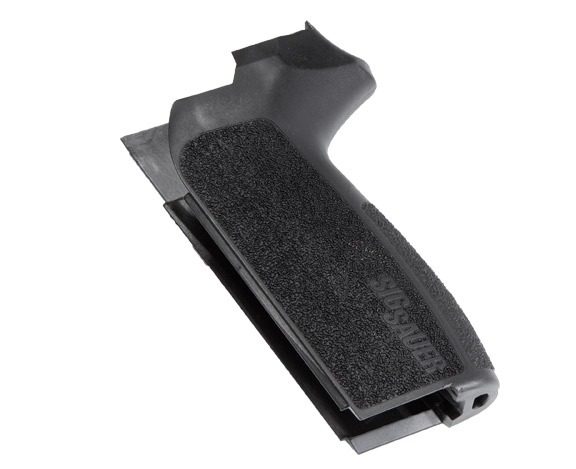
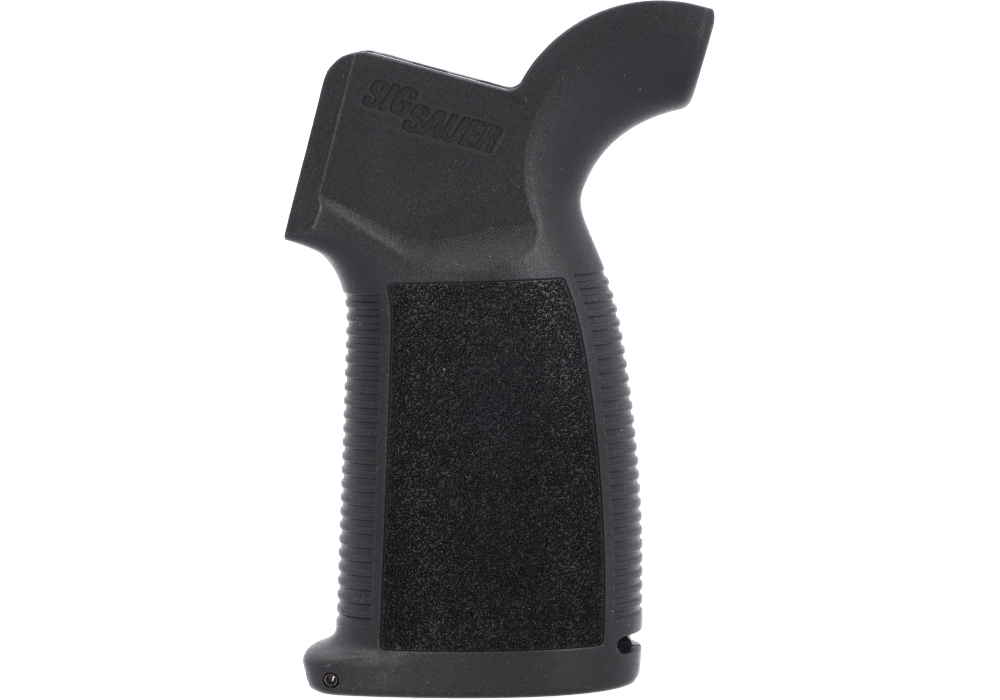
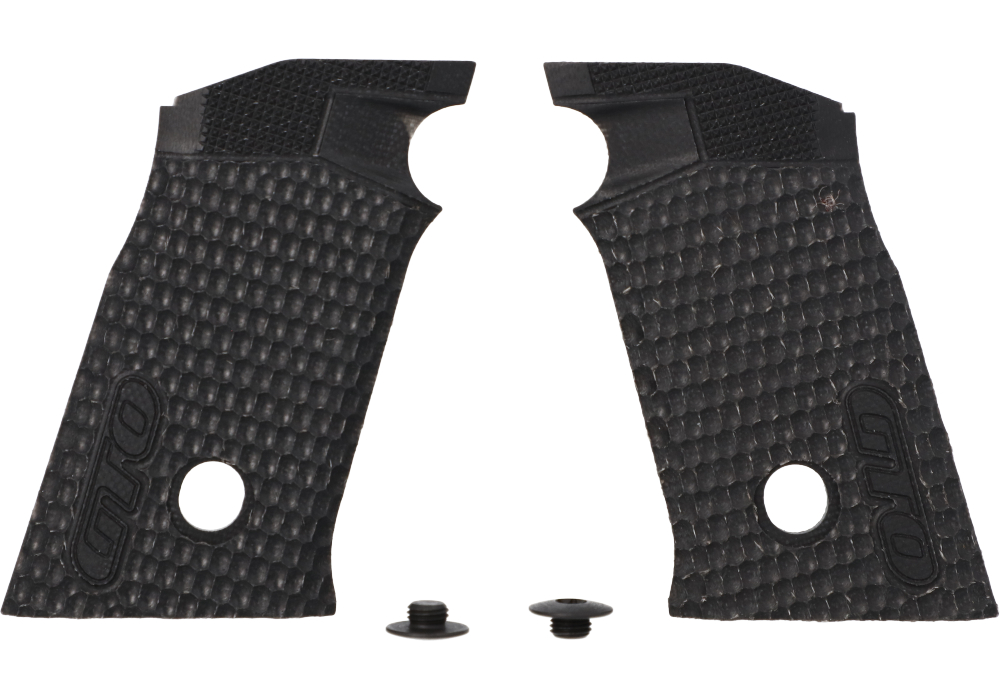
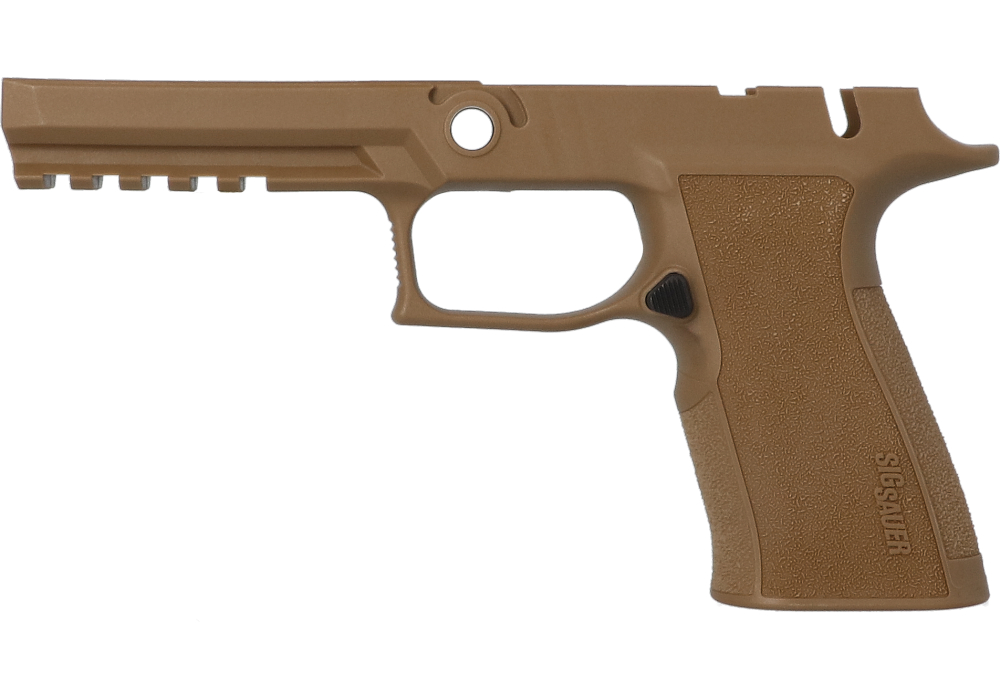
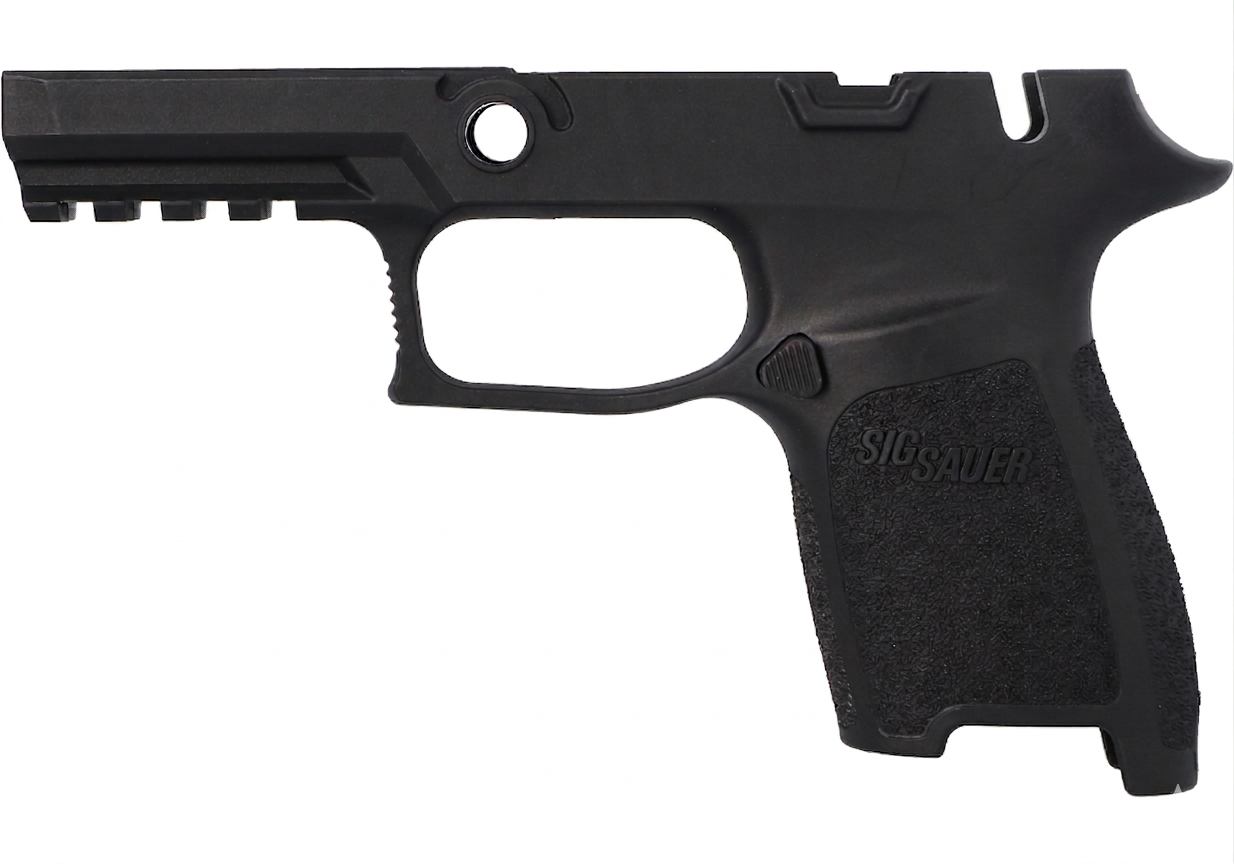
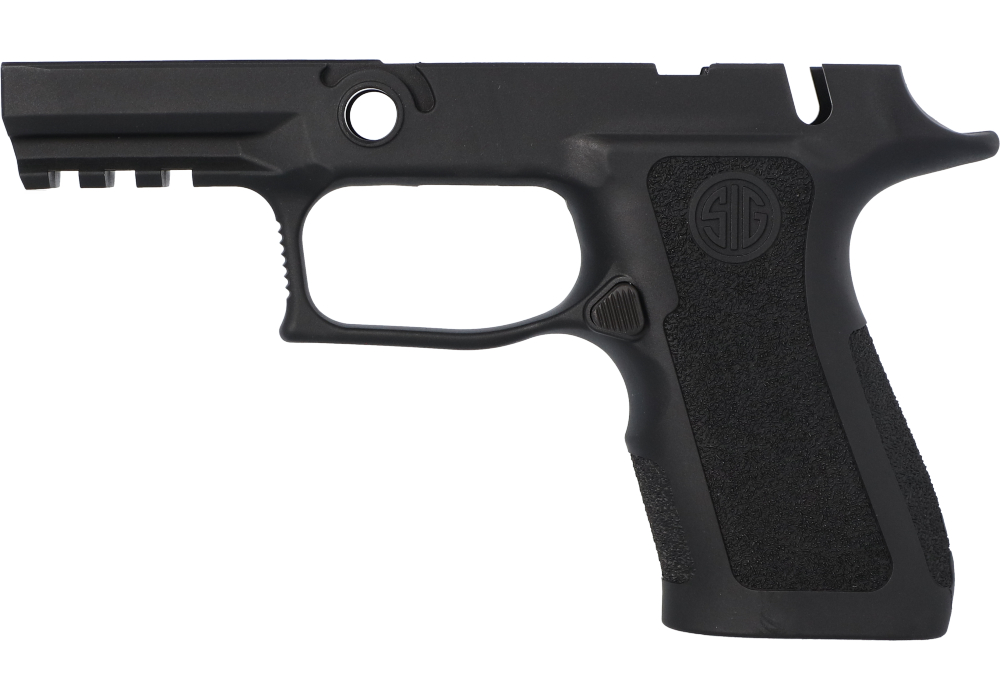
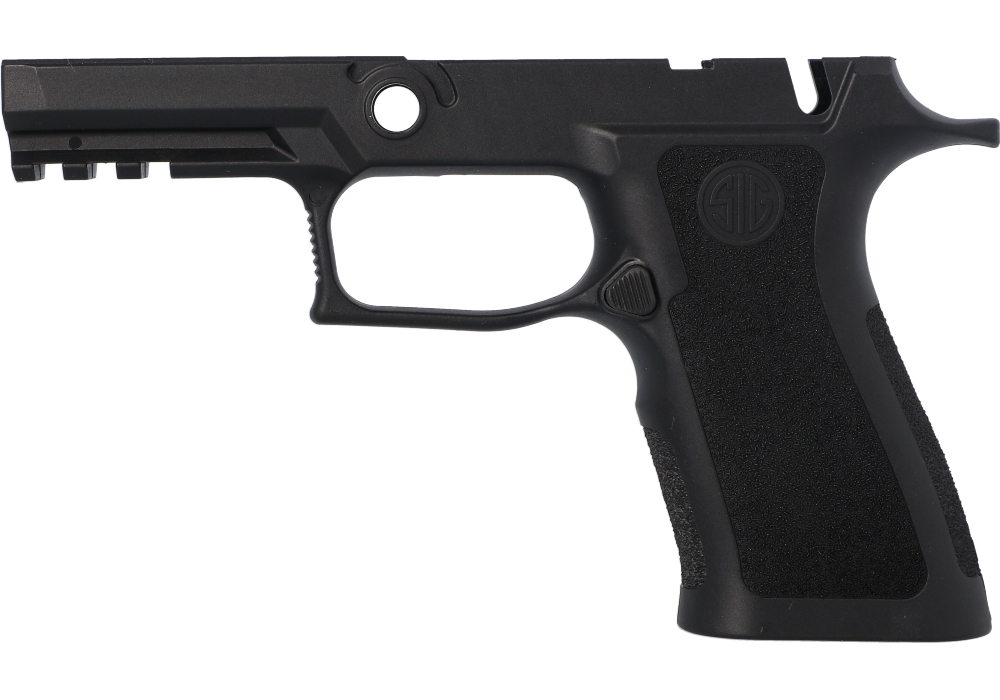
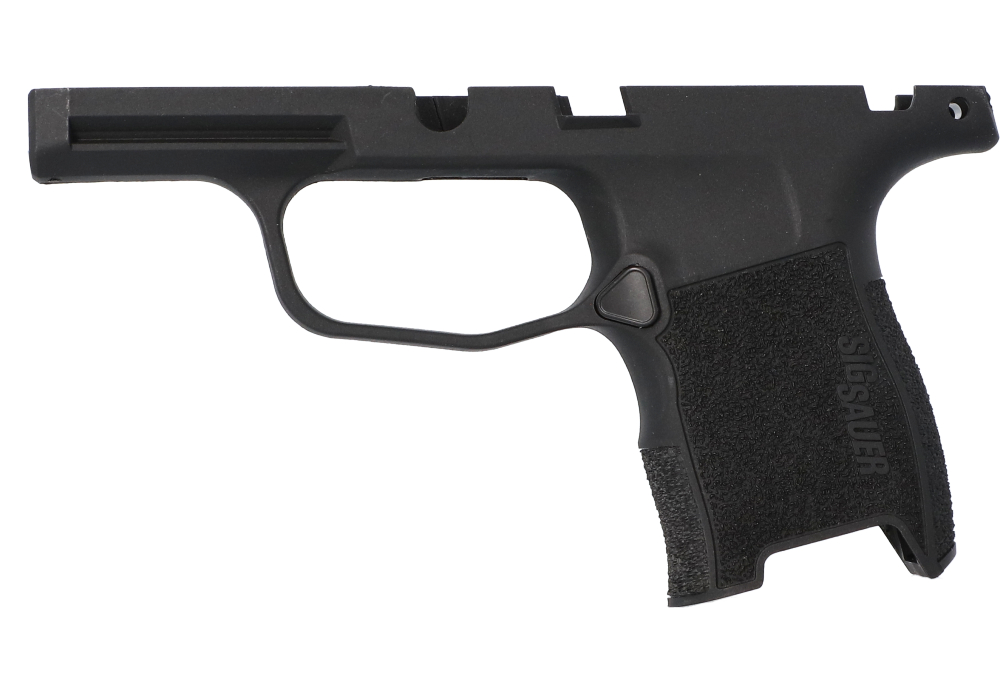
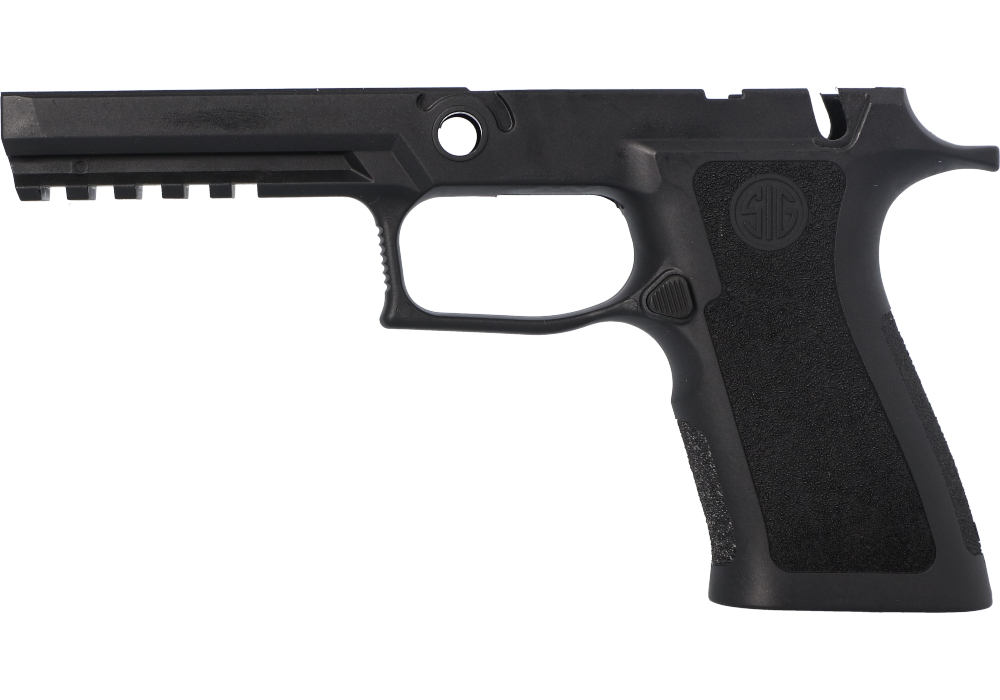
Factory replacement grips provide a practical way to restore the original feel, appearance, and handling characteristics of a compatible firearm. Over time, grip panels and grip modules can become worn from regular carry, training, storage, exposure to moisture, or repeated use at the range. Scratches, softened checkering, damaged screw holes, and compressed rubber can all change the way a firearm sits in the hand. A properly matched replacement can bring back the familiar contours and textured surface that made the firearm comfortable to use in the first place, while also refreshing its overall appearance. These components are selected by firearm owners who want a dependable replacement for damaged or missing factory parts, a second set for routine maintenance, or a straightforward way to keep a frequently used firearm in excellent condition. They may also be useful for households that maintain multiple configurations for different users, such as a smaller grip profile for a shooter with smaller hands or a more substantial profile for someone who prefers additional palm support. Because grip dimensions and mounting patterns vary between model families, production generations, frame sizes, and configurations, confirming the exact firearm model and sub-model is one of the most important steps before placing an order. A grip that looks similar may not align with the frame, accept the correct fasteners, or preserve the intended controls and fit. Product descriptions, compatibility charts, owner documentation, and clear photographs can help confirm that the replacement is designed for the specific firearm rather than simply appearing to be a close match.
Material and texture are also central to choosing factory replacement grips. Polymer and other synthetic materials are valued for their light weight, durability, and consistent shape, making them a natural choice for everyday carry, range use, and general-purpose ownership. Rubberized surfaces can provide a softer feel and help reduce discomfort during extended sessions, while molded texture can improve traction when hands are damp or when the shooter is wearing gloves. More rigid materials, including composite-style options, may appeal to users who prefer a firm interface, defined checkering, and a clean profile that resists snagging against clothing or equipment. Traditional wood-style surfaces can add a distinctive visual character while retaining the familiar grip shape of a classic firearm. The best choice depends on hand size, shooting habits, storage conditions, and the type of control the user expects from the firearm. A person who spends cooler months practicing at an indoor range may prioritize a secure, repeatable grip through long sessions, while someone who carries or trains outdoors may place greater emphasis on weather resistance, dependable traction, and a profile that works comfortably beneath a covering garment. Texture should feel secure without creating sharp pressure points, and the grip should allow the hand to settle naturally without forcing the fingers into an awkward position. Those details become especially noticeable during repeated presentation, loading, cleaning, and practice, when a comfortable interface helps make each movement feel familiar. For shoppers looking to compare appearance and fit with more personalized styling options, Custom Grips can provide another direction while browsing compatible grip solutions.
Before installation, inspect the replacement grip and compare it with the original part, checking the mounting points, cutouts, contours, and included accessories. Some factory replacement grips include new screws, bushings, inserts, or other hardware, while others are intended to use the firearm’s existing fasteners. Never assume that old hardware will transfer correctly without checking its condition and specifications. Damaged or stripped screws can prevent a secure fit, and incorrect fasteners may interfere with internal components. Follow the firearm manufacturer’s instructions, unload the firearm completely, remove all ammunition from the work area, and confirm the firearm is clear before beginning any work. If the replacement requires more than a simple grip-panel change, or if the owner is uncertain about compatibility, consulting a qualified gunsmith is a sensible way to protect both the firearm and the user. Once installed, the grip should sit flush, remain stable, and preserve normal access to controls without rubbing, shifting, or creating unexpected gaps. A brief function check should be performed in accordance with the owner’s manual, followed by careful inspection after the first range session. Factory replacement grips also make a thoughtful gift for a firearm owner who values maintenance, practical upgrades, or a refreshed original appearance. They are compact, useful, and easy to pair with a cleaning routine, range bag, or secure storage setup, especially when the recipient already has a well-loved firearm that shows signs of regular use. During warmer weather and through the cooler months, keeping an extra compatible set available can simplify repairs after a hard training session, help maintain a consistent setup, and ensure that a worn grip does not interrupt time spent practicing safe, responsible firearm handling.