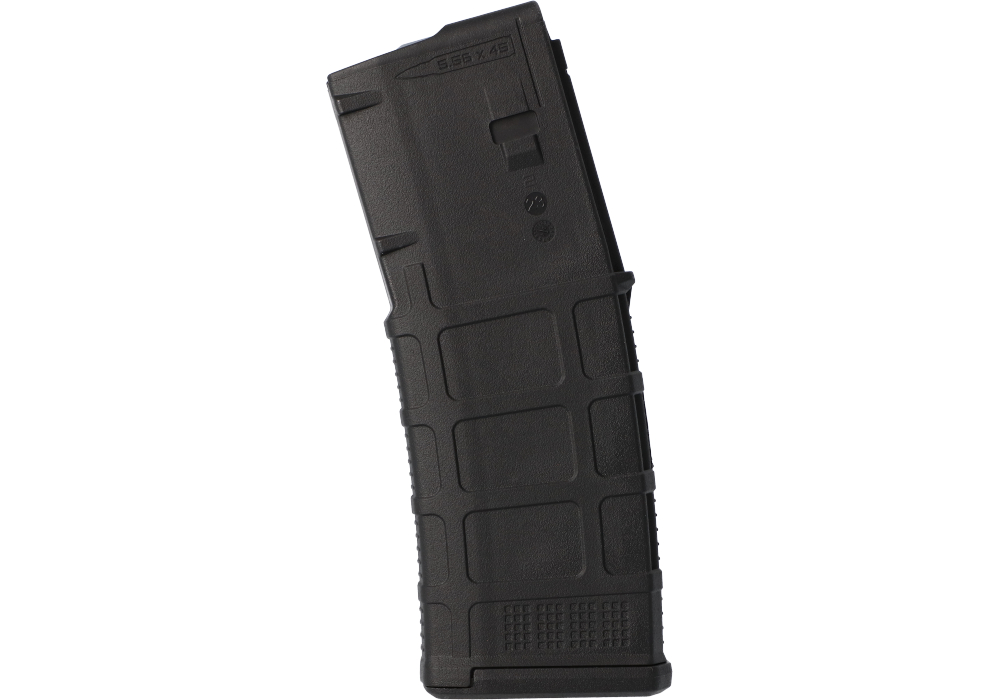
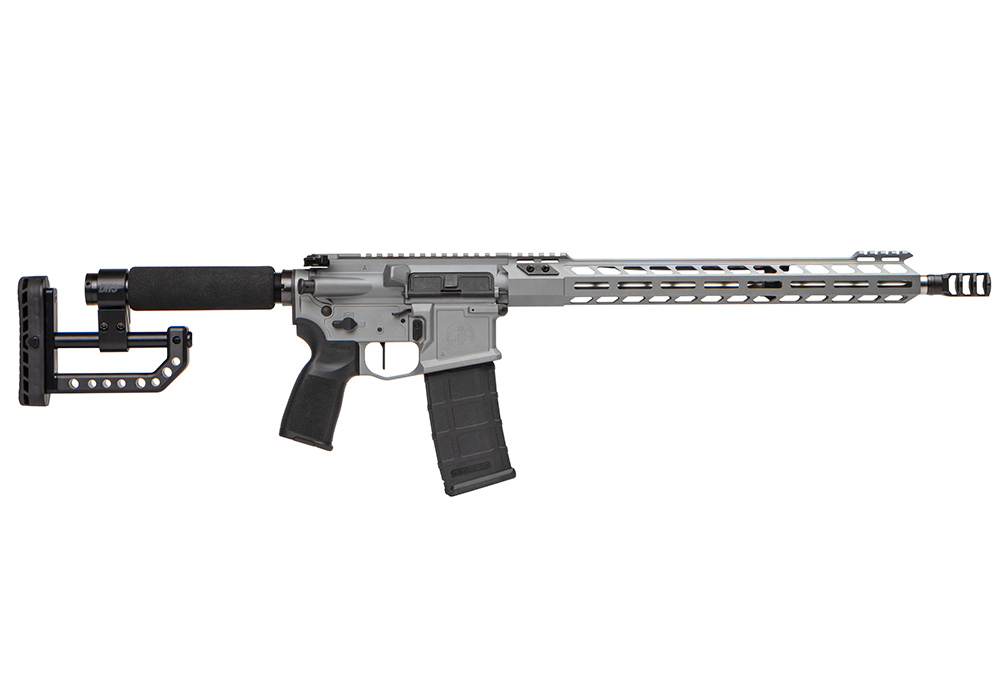
Father’s Day AR15 magazines make a practical gift for a dad who spends time at the range, maintains a collection for lawful recreational use, or enjoys preparing equipment before a weekend of target practice. Unlike a gift that sits on a shelf, a well-chosen magazine becomes part of the routine: loaded and organized before heading out, rotated through a training session, and cleaned and inspected afterward. For many shooters, having several dependable magazines makes practice more efficient by reducing interruptions between strings of fire and allowing different ammunition types to remain separated and clearly identified. Magazines can also be a thoughtful addition for a father who is building an AR15-style rifle, refreshing older range equipment, or teaching a family member safe firearm handling under appropriate supervision. When selecting a Father’s Day gift, begin with the rifle’s chambering and lower-receiver compatibility rather than appearance alone. Many AR15-pattern rifles use magazines intended for 5.56 NATO and .223 Remington, but other chamberings, including .300 Blackout and .350 Legend, may require magazines with different internal geometry or feed-lip design. A magazine that appears similar may not provide the fit or feeding performance a particular setup requires. Confirm the firearm manufacturer’s specifications, review the magazine description carefully, and consider the recipient’s existing equipment if the gift is meant to complement a rifle he already owns. If his preferred configuration is uncertain, a gift card or a conversation about caliber, rifle model, and intended use can be more useful than guessing.
Material and construction are also important considerations when comparing AR15 magazines. Polymer magazines are valued for their light weight, textured surfaces, and resistance to dents, making them convenient for range bags and regular practice. Metal magazines, including aluminum and steel designs, offer a traditional feel and can appeal to shooters who prefer a rigid body and classic appearance. Neither material automatically makes one option right for every rifle or every shooter; fit, feed reliability, spring tension, follower design, and overall quality matter just as much. Look for features that make handling straightforward, such as clear witness markings, a secure floorplate, an easy-to-grip surface, and a follower that moves smoothly without binding. Standard capacity is often a sensible choice for training, storage, and general range use, while extended capacity may suit a shooter who values fewer reloads during supervised practice or competition-oriented activities, where permitted. Capacity rules vary widely by state and locality, and regulations can change, so buyers should verify current laws before ordering, receiving, transporting, or using a magazine. The recipient’s intended activity matters as well. A recreational target shooter may appreciate lightweight magazines that are easy to carry in multiples, while a collector may prefer durable metal construction or a design that complements a particular rifle. Someone who attends structured training may prioritize consistent dimensions and easy identification, perhaps using markings or labels to distinguish magazines assigned to different loads. During the cooler months, thoughtful organization becomes especially useful when gloves, layered clothing, and a packed range bag can make small controls harder to manage. A magazine pouch, storage case, or universal loading tool can round out the gift without requiring a guess about a specific firearm, but every accessory should be selected with the same attention to compatibility and safe handling.
A reliable magazine is only part of responsible ownership. Before giving or using one, inspect it for cracks, bends, damaged feed lips, loose floorplates, or unusual spring resistance, and discontinue use if it does not fit or function as intended. Test compatibility with an unloaded firearm in a safe environment, following the firearm and magazine manufacturers’ instructions; the magazine should seat securely, release properly, and remain clear of obstructions. Ammunition should match the rifle’s marked chambering, and magazines should be loaded only in accordance with the firearm’s instructions and applicable law. Safe storage is essential: firearms should be unloaded when not in use, secured from unauthorized access, and stored separately from ammunition when appropriate for the household. A magazine gift is best suited to an adult who understands these responsibilities or to a new owner receiving proper instruction from a qualified professional. For family members who are just becoming interested in shooting, pairing the gift with a reputable safety course and supervised range time creates a more meaningful introduction than equipment alone. Buyers who want to browse beyond magazines can explore Father's Day Shooting Gear for complementary range essentials and gift ideas. Whether the recipient favors a lightweight polymer design, a durable metal option, standard capacity, or an extended-capacity configuration allowed in his area, the best choice is one that matches his rifle, his routines, and the laws where he lives. A little attention to those details helps turn a Father’s Day present into dependable equipment he can use responsibly through many range visits and seasons.