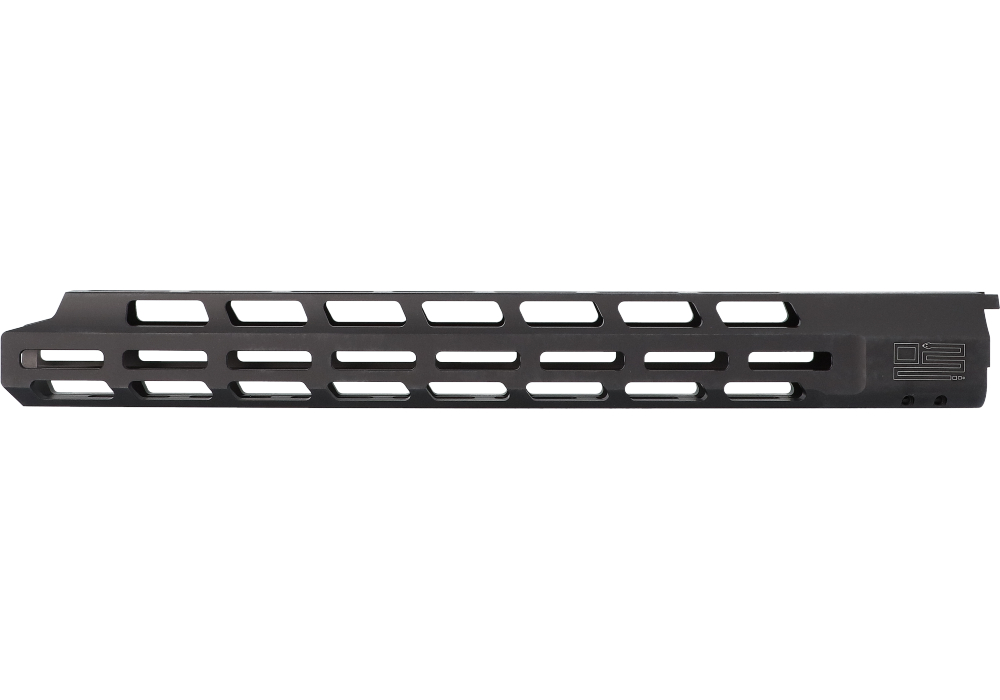
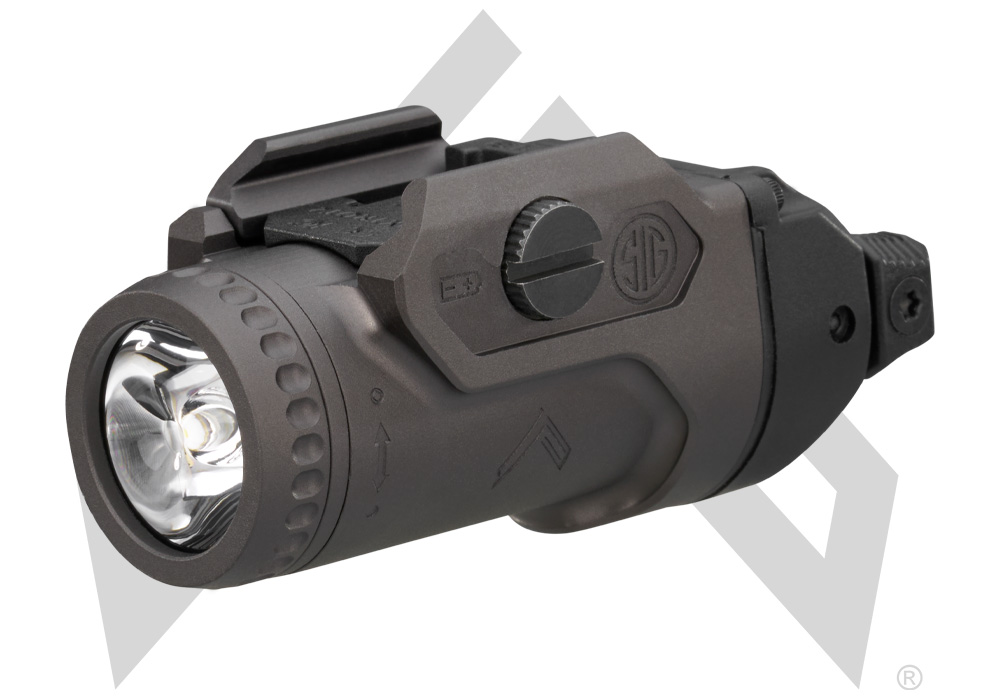
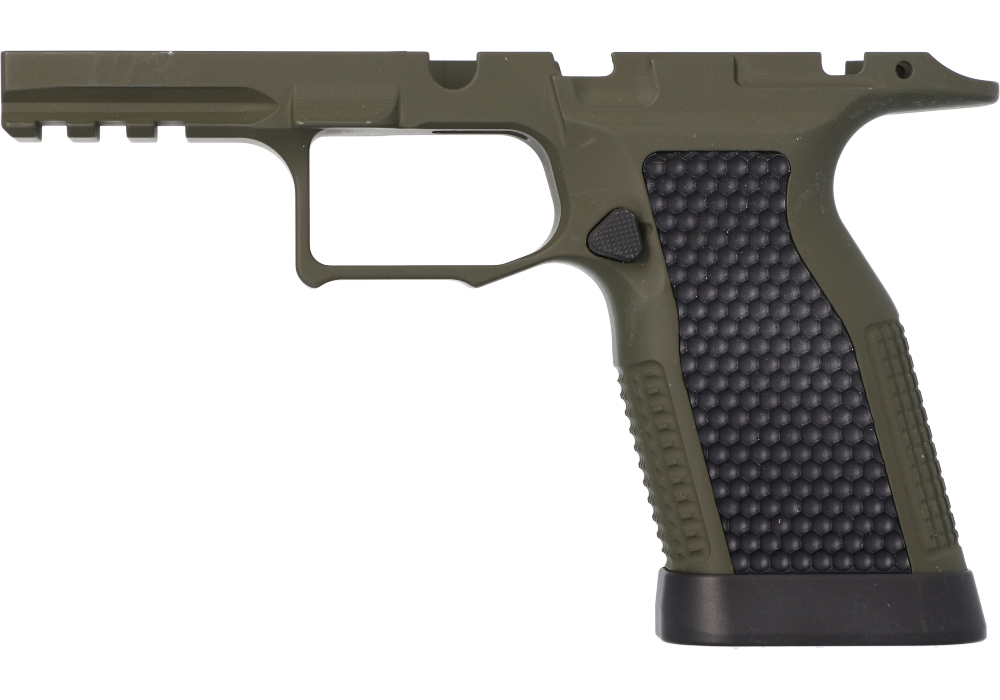
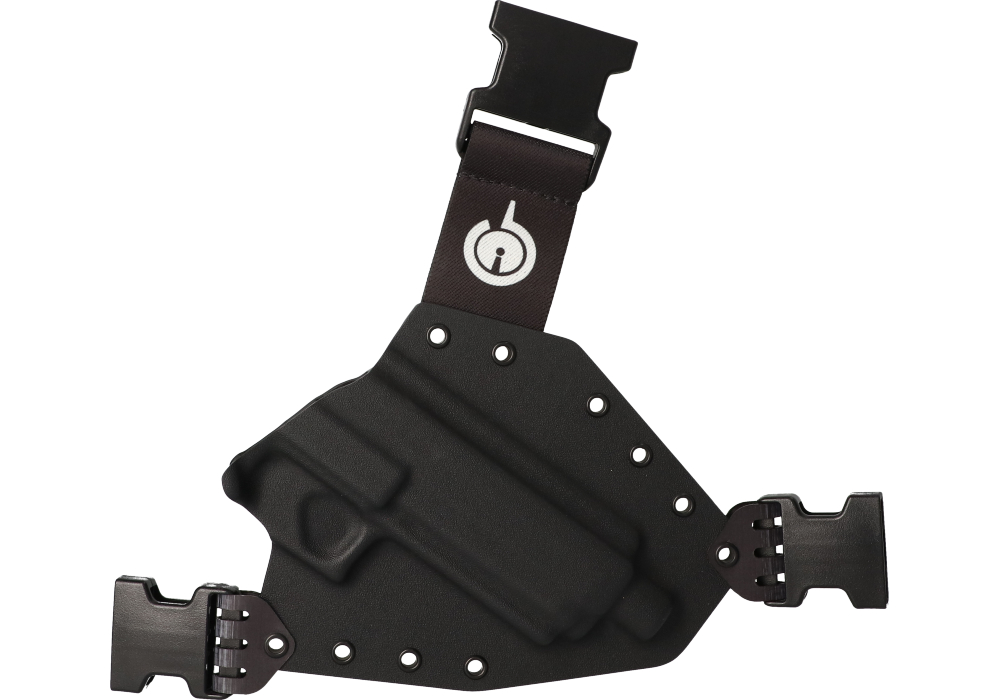
Firearm accessories for professionals are selected for dependable performance, practical compatibility, and the demands of repeated use. Whether equipment supports law enforcement duties, military service, armed security, professional instruction, competition, or structured training, the right accessory should complement the firearm without creating unnecessary complexity. Optics and sighting systems can help users acquire a clear point of aim in changing light, while weapon-mounted lights may provide useful illumination when identification and safe handling are essential. A duty holster with an appropriate retention level helps keep a handgun secure during movement, seated work, vehicle operations, or extended wear, and should be matched to the exact firearm configuration, sight setup, light, and user’s draw requirements. Slings serve a similar purpose for long guns by supporting controlled carry and keeping the firearm close when both hands are needed for another task. Look for adjustable construction, secure attachment points, and a design that remains comfortable over clothing and protective equipment. Professional equipment is rarely chosen by appearance alone. Small details, including accessible controls, glove-friendly adjustments, smooth edges, durable hardware, and resistance to dust, moisture, and repeated handling, can make a noticeable difference over the course of a long shift. During the cooler months, when layered clothing and heavier outerwear change how equipment sits on the body, fit and accessibility deserve another careful check. The best setup is one that feels familiar after hours of use and remains straightforward when conditions are less than ideal.
Maintenance, storage, and transport accessories are just as important as the equipment used on the range or in the field. A well-organized cleaning kit can help keep routine care consistent, with appropriately sized brushes, patches, rods, picks, and protective materials for the firearm platform being serviced. Regular inspection provides an opportunity to identify loose fasteners, damaged components, excess fouling, worn retention hardware, or moisture before those issues become larger concerns. Storage equipment should protect firearms and accessories from unauthorized access, impact, dust, and changing humidity, with the right solution depending on whether the need is secure home storage, vehicle transport, range travel, or a dedicated armory environment. Cases and organizers are especially useful for professionals who move between a duty station, training facility, and range, since separate compartments help prevent optics, magazines, tools, and protective equipment from shifting together. When evaluating an accessory, confirm the firearm’s make, model, generation, mounting pattern, handguard or rail dimensions, and any other compatibility requirements listed by the manufacturer. It is also important to review applicable federal, state, and local laws before purchasing or installing regulated equipment. Suppressors and certain other components may involve registration, transfer, or use restrictions, while storage and transport rules can vary by jurisdiction. A qualified dealer or firearms professional can help clarify those requirements. For a service member, first responder, instructor, or experienced enthusiast, thoughtfully chosen accessories can make a practical and considerate gift, particularly when the recipient’s firearm platform and preferred configuration are already known. When those details are uncertain, a durable maintenance accessory, protective case, secure storage solution, or store gift option may be more useful than a component that depends on an exact fit.
Professional users often build equipment in stages, beginning with the accessories that improve safe handling and daily consistency, then adding specialized components as their responsibilities develop. A sighting system should offer a clear view, dependable adjustment, and controls that can be used without excessive distraction. Magnified optics may suit users who need more precise observation at distance, while non-magnified options can support fast sight alignment at closer ranges; the appropriate choice depends on the firearm, environment, training, and authorized application. Muzzle devices and suppressors can influence recoil, muzzle flash, sound, overall length, and balance, so compatibility with the barrel, ammunition, mounting system, and local regulations is essential. Any change to the muzzle end should be installed according to manufacturer specifications and checked by a qualified professional when needed. Retention holsters, magazine pouches, belt systems, gloves, hearing protection, and eye protection should work together rather than compete for space or interfere with movement. A useful way to assess a setup is to handle it unloaded in a controlled environment, wearing the clothing and equipment normally used on duty or during training. Notice whether the controls remain accessible, whether straps stay clear, whether the weight causes fatigue, and whether the storage method protects the firearm between uses. Keep training and equipment choices aligned with agency policy, range rules, and applicable law, and rely on formal instruction for any unfamiliar platform or accessory. For veterans and their families, practical equipment can carry personal meaning while still serving an everyday purpose; the selection of Firearm Accessories for Veterans may help narrow options suited to service-minded users. Across professional roles, the most dependable accessory is not necessarily the most elaborate. It is the one that fits correctly, supports responsible handling, withstands the intended environment, and becomes a familiar part of a safe, well-maintained system.