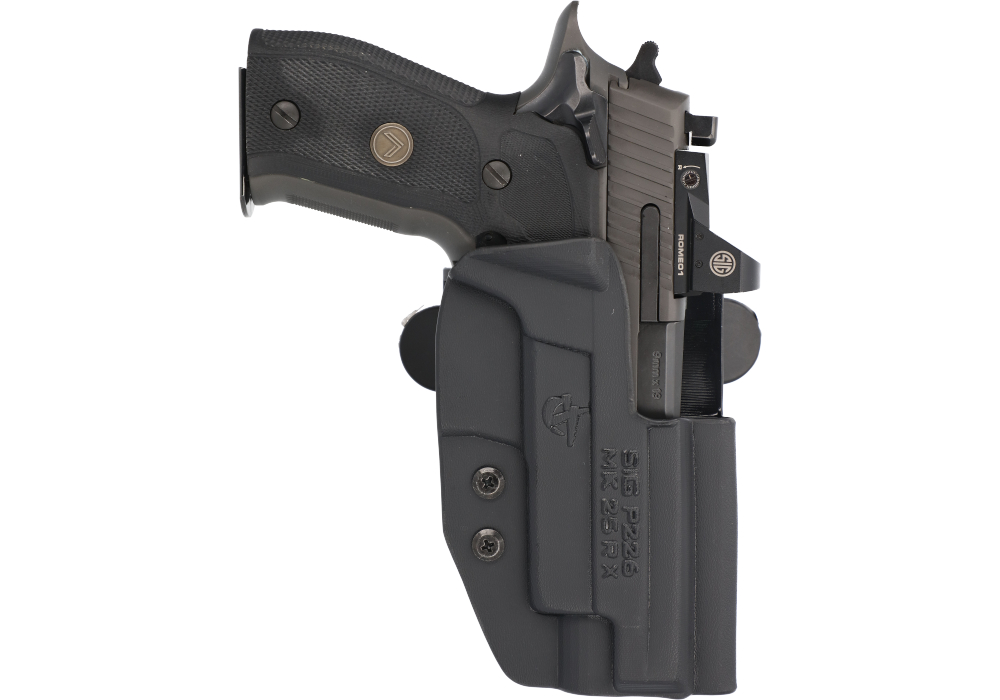
Firearm accessories for veterans can support the way experienced shooters train, travel, maintain equipment, and spend time at the range. Service members and veterans often bring a practical, detail-oriented perspective to firearm ownership, with an appreciation for dependable components, organized gear, and equipment that performs consistently under changing conditions. The right accessory may help improve comfort, control, visibility, transport, or maintenance without changing the familiar character of a firearm. Common categories include slings, optics and sights, replacement parts, grip modules, optic plates, conversion components, magazines where lawful, maintenance tools, cases, and secure storage solutions. A two-point sling, for example, can help keep a rifle or carbine close and controlled while moving between a vehicle, range bench, or training position. An optic may provide a clear aiming reference and faster target acquisition, while a quality case helps protect equipment from bumps, dust, and shifting temperatures during transportation. Compact maintenance tools and cleaning supplies are useful for routine care at home or for minor adjustments at the range. For veterans giving a firearm accessory as a retirement, reenlistment, birthday, or welcome-home gift, practical items are often especially meaningful because they reflect time spent learning a platform and building a reliable setup. Gift givers should still consider the recipient’s firearm model, preferred configuration, handedness, shooting activities, and existing equipment before making a selection. A well-chosen accessory should complement the user’s habits rather than add unnecessary complexity.
Compatibility is one of the most important considerations when selecting firearm accessories. Before purchasing, confirm the exact firearm model, generation, caliber, mounting pattern, rail standard, barrel or slide configuration, and any other specifications listed by the manufacturer. Small differences between similar-looking platforms can affect fit, function, and installation, particularly with optic plates, grip components, replacement controls, muzzle devices, and conversion parts. Optics should be evaluated for the intended use, including sight picture, reticle style, battery life, adjustment method, durability, and performance in the lighting conditions where the firearm will be used. A veteran who spends time at an indoor range may prioritize a compact sight with a crisp aiming point, while someone who trains outdoors may place greater emphasis on glare management, rugged construction, and ease of adjustment. Slings should offer secure attachment points, comfortable adjustment, and a configuration suited to the firearm and the user’s body armor, clothing, or pack. Storage and transport gear deserves the same attention: padded cases can help shield equipment during routine travel, while lockable containers may be appropriate for longer-term storage and access control. During the cooler months, changing temperatures and damp conditions can make protective cases, moisture control, and regular inspections particularly useful. Firearms should always be unloaded before accessories are installed or adjusted, and owners should follow the firearm and accessory manufacturer’s instructions. When a part requires fitting, specialized tools, or technical knowledge, professional installation can help protect both the equipment and the user. All purchases, transportation, storage, and use should comply with applicable federal, state, and local laws.
A thoughtful accessory setup is usually built over time. Many veterans begin with the essentials that make a firearm easier to handle and maintain, then add equipment as their training habits become clearer. A secure sling, dependable sighting solution, protective case, and straightforward cleaning kit can form a practical foundation for range use, home storage, or organized transport. Replacement components may be useful for refreshing worn equipment, while spare mounting hardware and clearly labeled parts can make future maintenance less frustrating. Keeping a simple record of the firearm model, installed components, zero settings, battery types, and cleaning schedule can also help avoid compatibility mistakes and keep gear ready for the next outing. Accessories can carry personal significance as well: a case used for years of range visits, a carefully selected optic purchased after returning to the sport, or a maintenance tool kept in a range bag can become part of a veteran’s continued connection to training and responsible ownership. During seasonal gift-giving, accessories offer a way to recognize a veteran’s service without assuming that every shooter wants the same setup. For shoppers planning around commemorative occasions or looking for service-related selections, the Memorial Day Firearm Accessories collection may provide an additional place to browse. Whether the goal is improving control, protecting equipment, simplifying upkeep, or organizing a range kit, the best choice is one that fits the firearm precisely, suits the owner’s experience and intended use, and encourages safe, consistent practice.