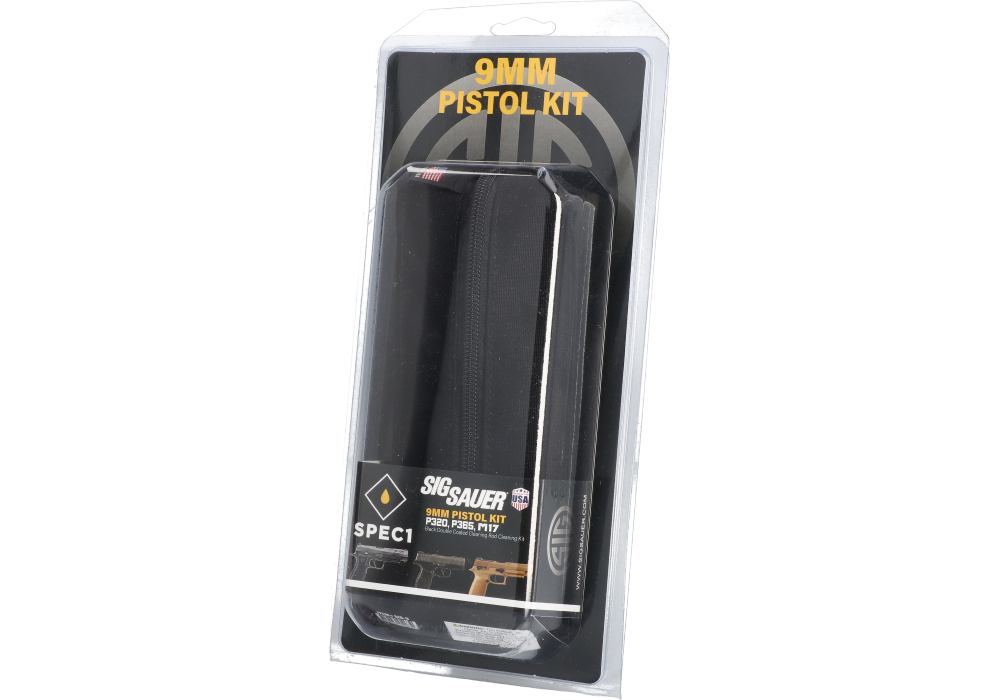
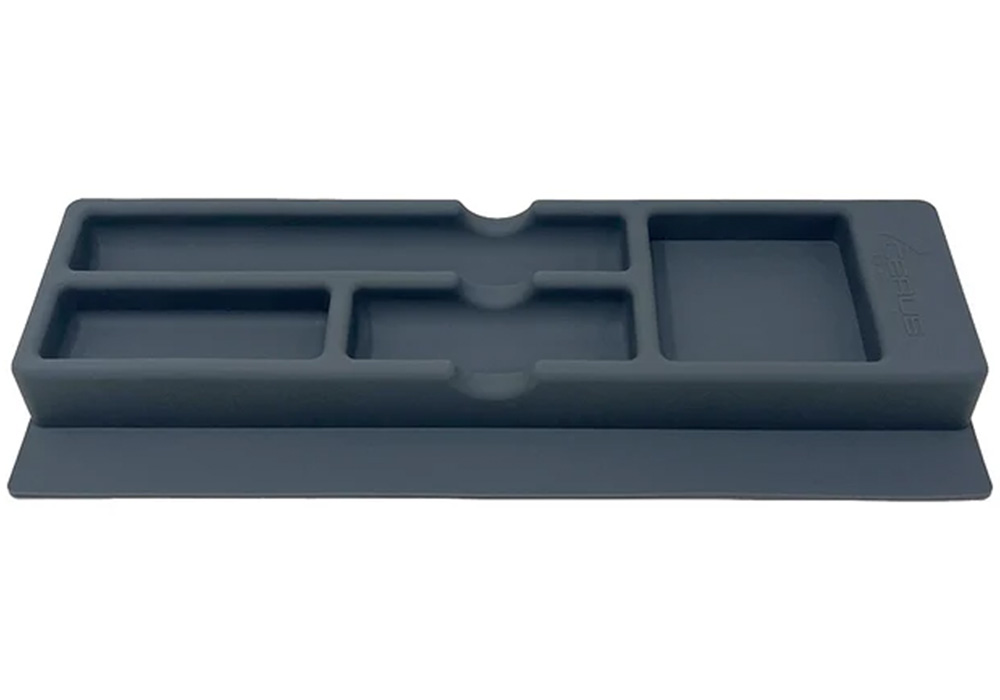
Firearm Maintenance for Beginners starts with a safe, orderly workspace and a small collection of purpose-built supplies. Before any cleaning begins, point the firearm in a safe direction, remove the magazine or other ammunition source, open the action, and inspect the chamber visually and physically. Treat the firearm as loaded until these steps are complete, and keep all ammunition in a separate room or secured location while maintenance is underway. A stable bench, non-slip cleaning mat, bright task light, and small parts tray can help keep the process organized, especially for someone learning the controls and basic field-stripping procedure for the first time. Eye protection and disposable gloves are practical additions when working with cleaning chemicals or loosened residue. Beginners should consult the owner’s manual before removing any component and should use only the level of disassembly recommended for routine care. A maintenance collection can include cleaning solvent to loosen powder residue, carbon, fouling, and other buildup; a light firearm lubricant for appropriate contact points; a caliber-specific cleaning rod, bore brush, jag, and patches; cotton swabs for narrow recesses; a nylon utility brush for textured surfaces and hard-to-reach areas; and a microfiber cloth for wiping exterior metal. The right supplies help turn an unfamiliar chore into a repeatable routine, while caliber-specific tools help protect the bore and reduce the risk of forcing an ill-fitting brush or patch through the barrel. For shoppers assembling a first cleaning setup, a complete Firearm Maintenance Kits for Weekend Projects collection can be a practical starting point for occasional range care, household upkeep, or a thoughtful gift for a new firearm owner who is building a responsible ownership routine.
The basic process is straightforward when performed slowly and according to the owner’s manual. Once the firearm is confirmed unloaded, separate the major components only as directed, then use a patch or cloth to remove loose residue from accessible surfaces. Apply solvent sparingly to the bore brush or patch rather than flooding the firearm, and allow the cleaner time to work on stubborn fouling. Pass the caliber-specific brush through the bore in the direction recommended by the manufacturer, then follow with clean patches until they emerge with substantially less residue. Cotton swabs and a nylon brush are useful around the breech face, feed area, slide rails, frame recesses, and other places where lint and carbon gather, but sharp metal tools should not be used to scrape finish or delicate surfaces. Wipe solvent away after it has loosened grime, then apply a very light film of lubricant to the points identified in the manual. Excess oil can attract dust, migrate into areas where it is not wanted, or create a slippery surface, so a small amount is generally preferable to a saturated component. Finish by wiping exterior metal with a clean microfiber cloth, checking that the bore is clear, and inspecting parts for unusual wear, cracks, burrs, corrosion, or damage. Reassemble the firearm as directed and complete the recommended function check in a safe setting, with ammunition kept away from the work area. A function check is not a substitute for professional inspection; if a part looks questionable, the controls do not operate as expected, or the owner is unsure about reassembly, pause and seek assistance from a qualified professional. Maintenance supplies are useful for new owners, experienced range users, hunters, instructors, and family members shopping for a practical gift, particularly when paired with a secure storage solution and a commitment to safe handling.
A consistent schedule helps prevent residue, dust, and moisture from becoming harder problems later. After a range session, many owners prefer to inspect and wipe down the firearm as soon as practical, ideally within 24 hours, while residue is still easier to remove. The exact routine depends on the firearm, ammunition, environment, and frequency of use, but a quick exterior wipe can help after handling, travel, or exposure to humid conditions. Firearms used for everyday carry may benefit from a monthly field-strip and inspection to clear lint, dust, and pocket debris, provided the owner follows the manual’s instructions for that model. An annual detailed inspection is also a sensible habit, with attention to springs, screws, pins, rails, finish, storage conditions, and signs of corrosion or unusual wear. Cooler months can bring condensation when equipment moves between heated rooms and outdoor air, so allowing the firearm and its storage container to acclimate while checking for moisture is worthwhile. Store the firearm unloaded in a locked container, separate from ammunition, and keep cleaning chemicals secured away from children and other unauthorized users. Avoid applying oil immediately before use unless the manual calls for it, and confirm that the bore is free of oil, solvent, patches, or obstructions before loading. With a clean work area, the correct brush and patch sizes, a light touch with lubricant, and a dependable inspection routine, beginners can care for their firearms with greater confidence while preserving reliable operation and the condition of the finish.