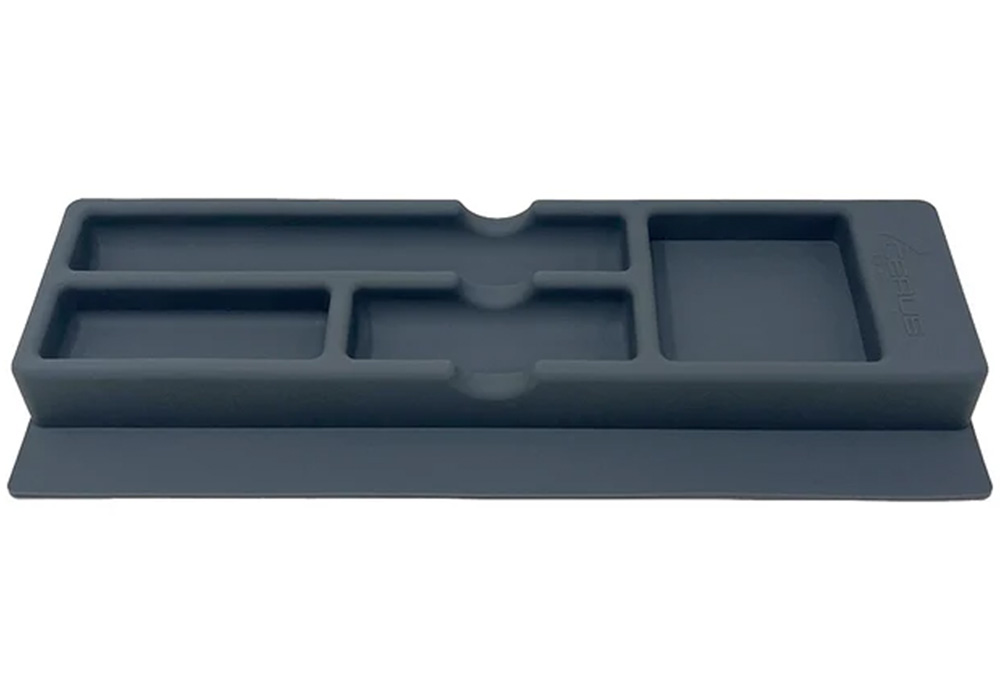
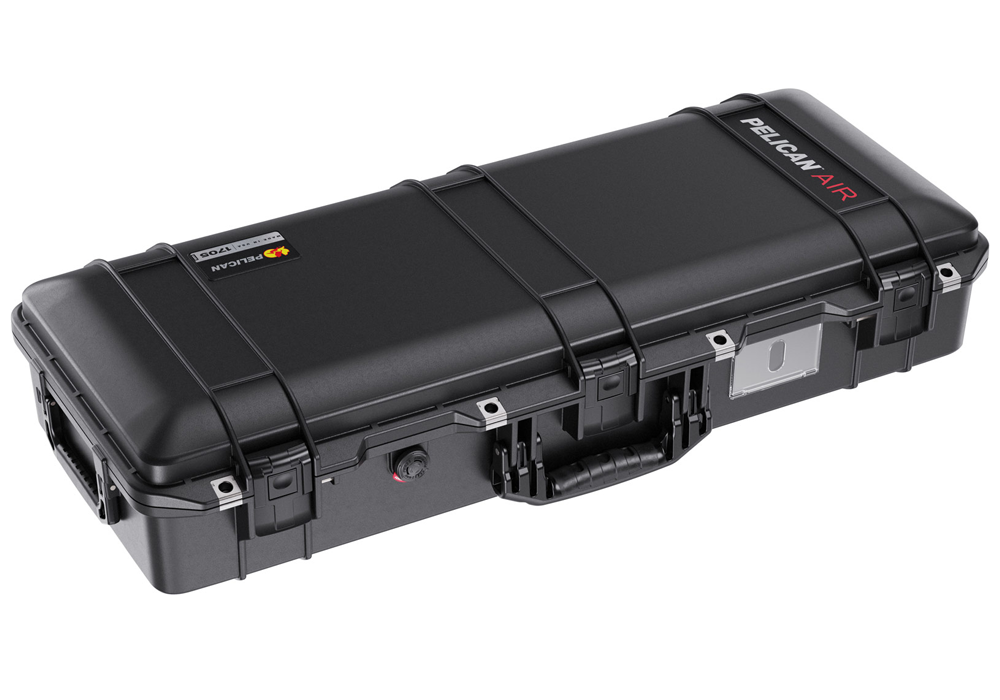
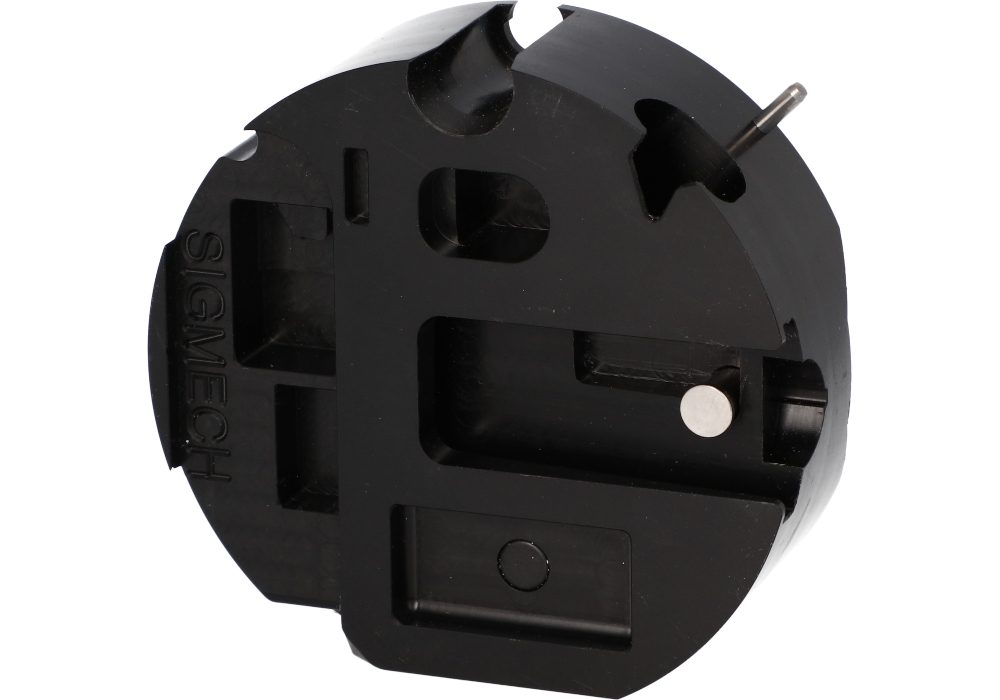
Firearm organization tools are storage accessories that arrange firearms, magazines, maintenance supplies, and small components within safes, cabinets, cases, and dedicated work areas. Their purpose is to give each object a defined place, reduce unnecessary contact between surfaces, and make better use of shelves, drawers, doors, and vertical space. Common categories include rifle rods, handgun hangers, magnetic mounts, door organizers, modular wall grids, and fitted drawer inserts. Rifle rods typically work with compatible fabric beneath a shelf to support long guns in an upright arrangement, while handgun hangers use space beneath shelves that might otherwise remain empty. Compatibility matters with both styles: firearm dimensions, shelf height, barrel dimensions where relevant, and nearby optics or accessories all affect fit. Door panels add pockets and attachment points for small accessories or documents, provided the panel does not interfere with the door, locking mechanism, or contents of the safe. Magnetic mounts offer another option for suitable metal surfaces and compatible accessories, although their usefulness depends on the mounting surface, contact area, and rated load. Modular grids and slatwall systems provide attachment points for hooks, cradles, and bins, allowing a layout to change as storage needs evolve. Drawer organizers and fitted foam serve a different purpose, keeping smaller objects separated rather than using open vertical space. The best arrangement is not necessarily the one that holds the most; it is the one that supports each object appropriately and leaves enough clearance to remove it without scraping a neighboring surface. A scoped long gun, for example, may need more separation than one without an optic, while a door pocket that looks roomy with the safe open may crowd a shelf when the door closes. These details distinguish a useful storage accessory from one that simply occupies another corner. Organization accessories complement secure storage, but an open rack, magnetic holder, or wall display is not a substitute for a suitable locked enclosure and appropriate access controls.
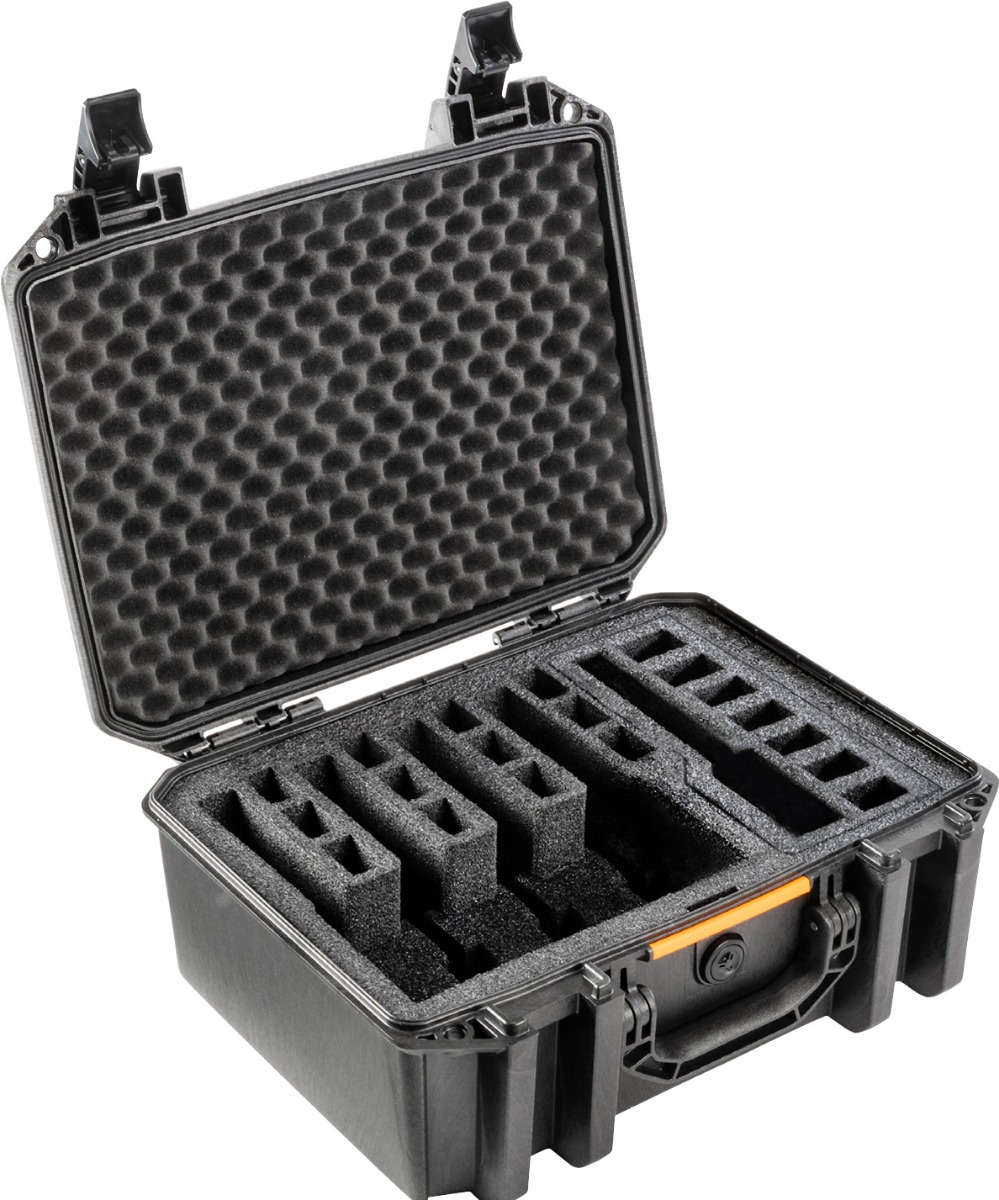
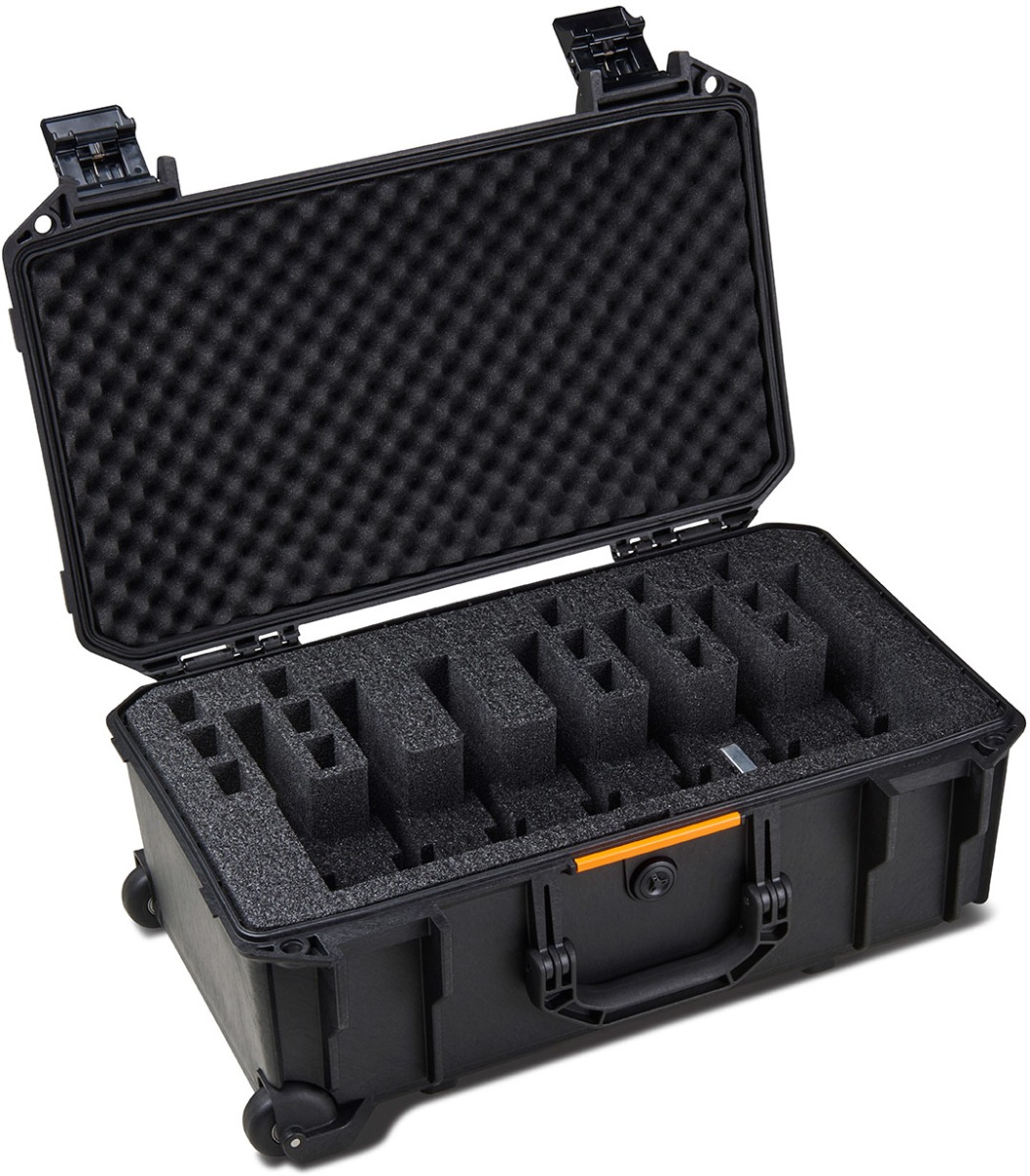
Materials and construction influence how firearm storage accessories perform over time, especially where supports touch finishes or carry sustained weight. Steel and aluminum components can provide rigid support, while polymer parts often offer lightweight separation and shaped contact surfaces. Coatings, sleeves, and padding help limit direct contact with hard edges, but the quality and condition of those protective surfaces deserve attention. Smooth contact points, neatly finished edges, secure fasteners, and stable joints are useful details in racks, hangers, and mounting hardware. Fabric organizers bring flexibility to narrow spaces, with reinforced seams and well-supported attachment points helping pockets retain their shape under normal use. Foam inserts provide defined spaces for firearms, tools, or accessories, and closed-cell foam is often chosen for its relatively low moisture absorption. Foam still needs to suit the materials it touches, and a fitted recess should support an object without pressing against controls, sights, or delicate attachments. Fit involves more than the overall length and width of a storage area. Shelf thickness affects hanger compatibility, door clearance limits pocket depth, and a cabinet’s interior lining may affect whether a magnetic mount holds properly. Hooks, bins, and cradles also need to match the grid or panel system rather than merely look similar. Load ratings apply to the complete arrangement, including mounting hardware and the surface supporting it; a sturdy bracket cannot compensate for an unsuitable attachment point. Routine care is generally straightforward: clean contact surfaces help prevent grit from rubbing against finishes, and periodic inspection can reveal loose hardware, worn padding, stretched fabric, or cracking plastic before support becomes unreliable. Cleaning methods should follow the accessory manufacturer’s recommendations, particularly around adhesives, coated surfaces, and foam. Moisture control also matters inside enclosed storage. Putting away clean, thoroughly dry equipment and monitoring the storage environment helps protect both the organizer and its contents. A durable setup balances strong support with gentle contact, without relying on friction, crowding, or pressure to hold everything in place.
Organization also extends beyond the firearms themselves. Magazines, cleaning equipment, protective eyewear, hearing protection, and small maintenance components each benefit from storage that reflects their size and intended use. Divided drawers keep tiny springs and fasteners from migrating into larger compartments, while shallow trays make small objects easier to identify without emptying an entire bin. Separate spaces for cleaning supplies help prevent residue from reaching fabrics, documents, or protective equipment. Labels and consistent placement can be especially useful when several similar accessories belong to different firearm platforms. At a workbench, the difference is tangible: a compartmented drawer keeps a small part visible, a dedicated holder prevents a cleaning rod from leaning against nearby equipment, and a fitted case insert reveals an empty space when an accessory has not been returned. For someone who visits the range regularly, keeping compatible accessories together can make packing and unpacking more orderly. For a household with a shared workspace, clear separation between maintenance supplies, personal equipment, and securely stored firearms helps keep the area understandable without compromising access restrictions. Related Firearm Efficiency Tools can complement that arrangement by supporting other equipment-management and maintenance needs. Firearm organization accessories can also be practical gifts for responsible owners who value an orderly safe or workbench, particularly when the recipient’s storage dimensions and existing mounting system are known. Compatibility is more useful than novelty: an organizer that fits an established setup is likely to serve a clearer purpose than one requiring an entirely different arrangement. Across these uses, the goal remains consistent placement, protected surfaces, and dependable support. Firearms should be stored unloaded in an appropriate locked enclosure, with ammunition secured separately and access limited to authorized people, consistent with applicable laws and manufacturer guidance. Within that secure environment, thoughtful organization makes the contents easier to inspect, maintain, and return to their designated places without turning a storage area into a crowded jumble.