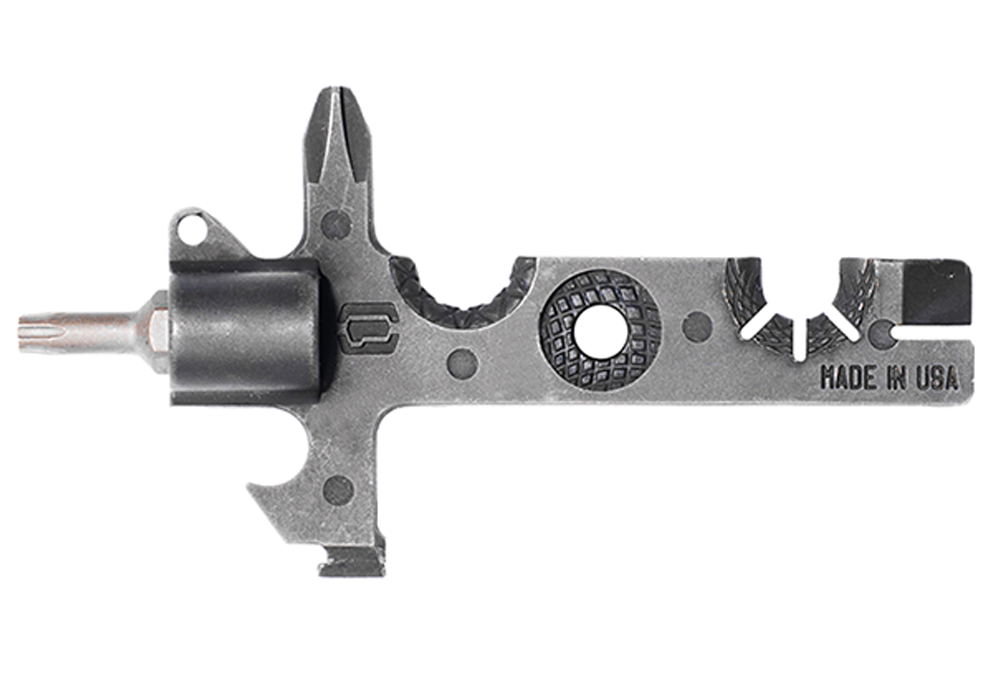
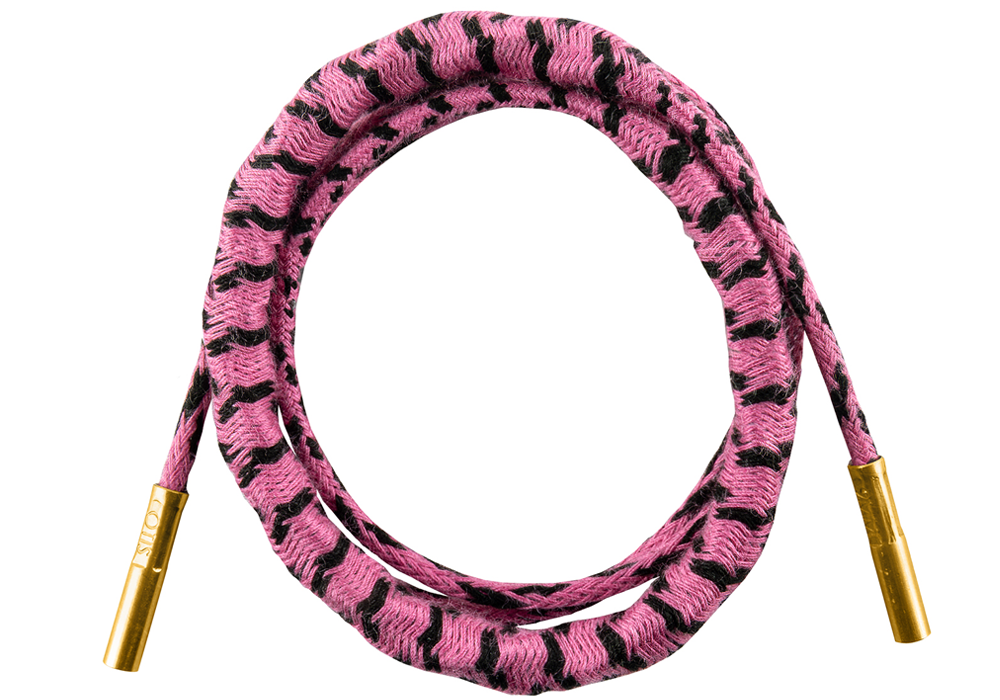
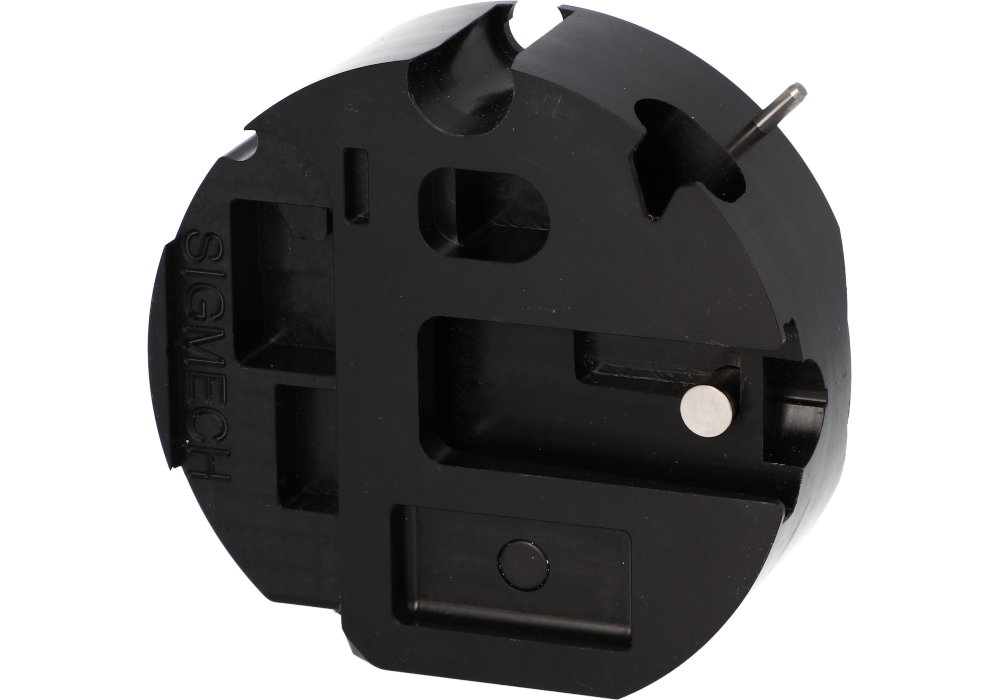
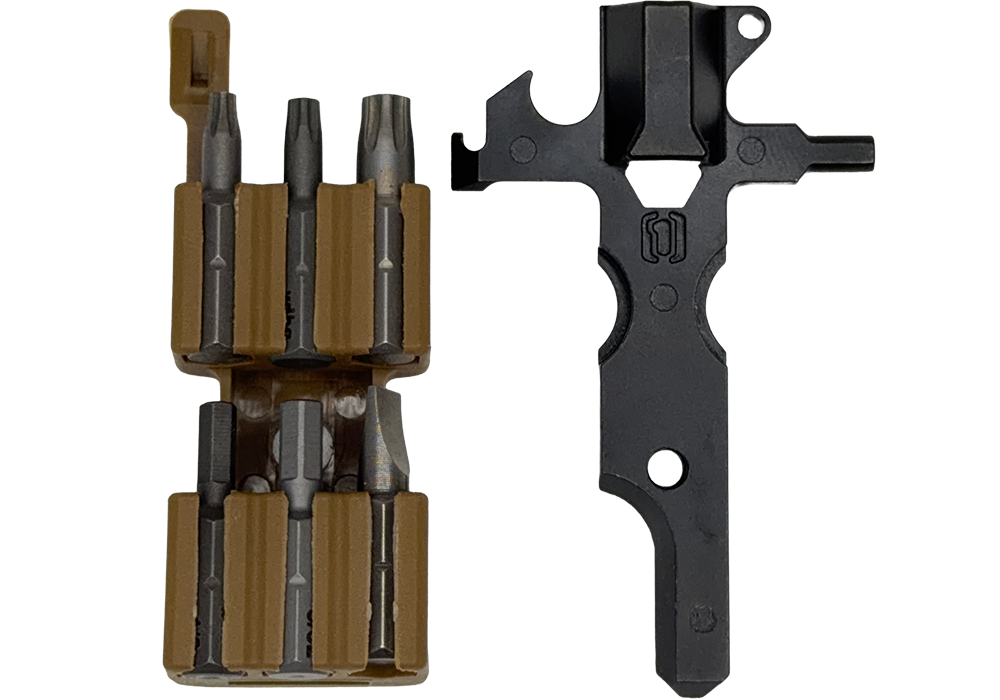
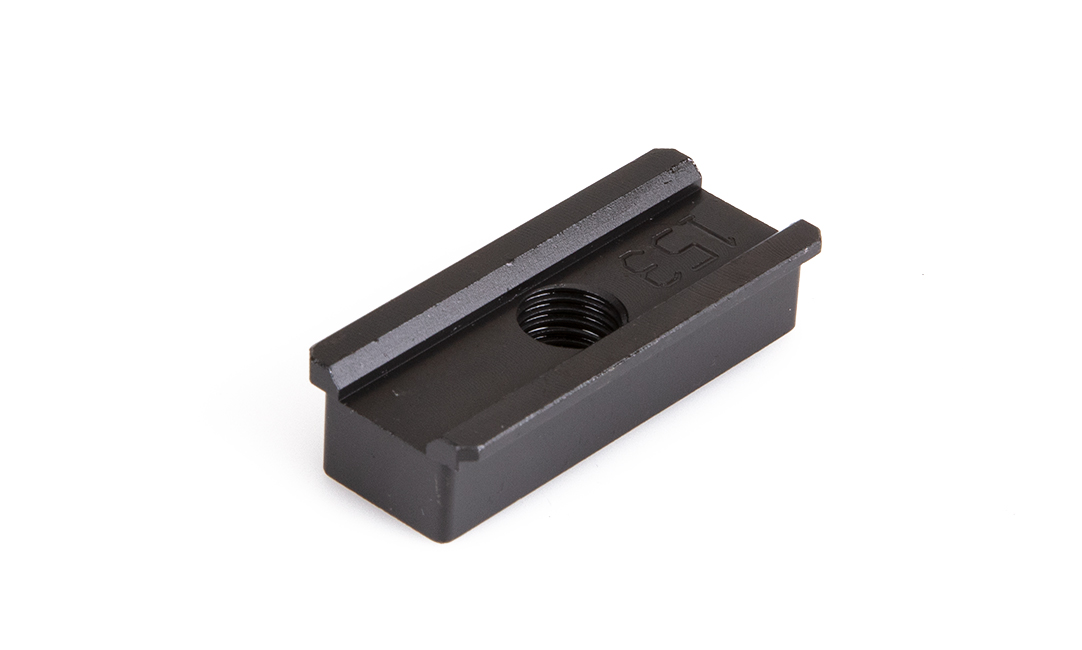
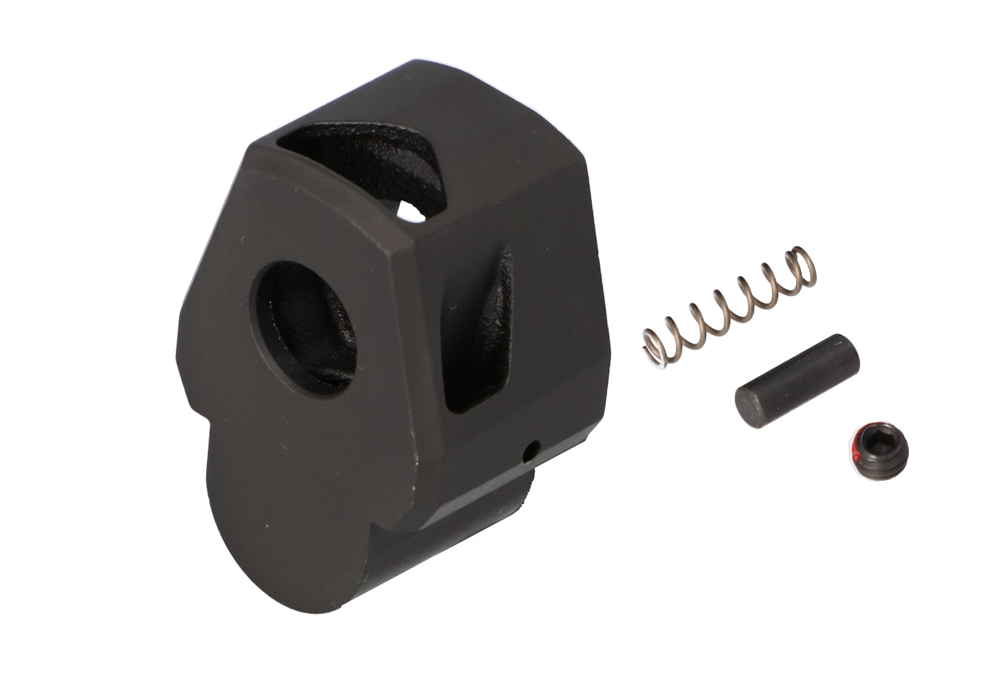
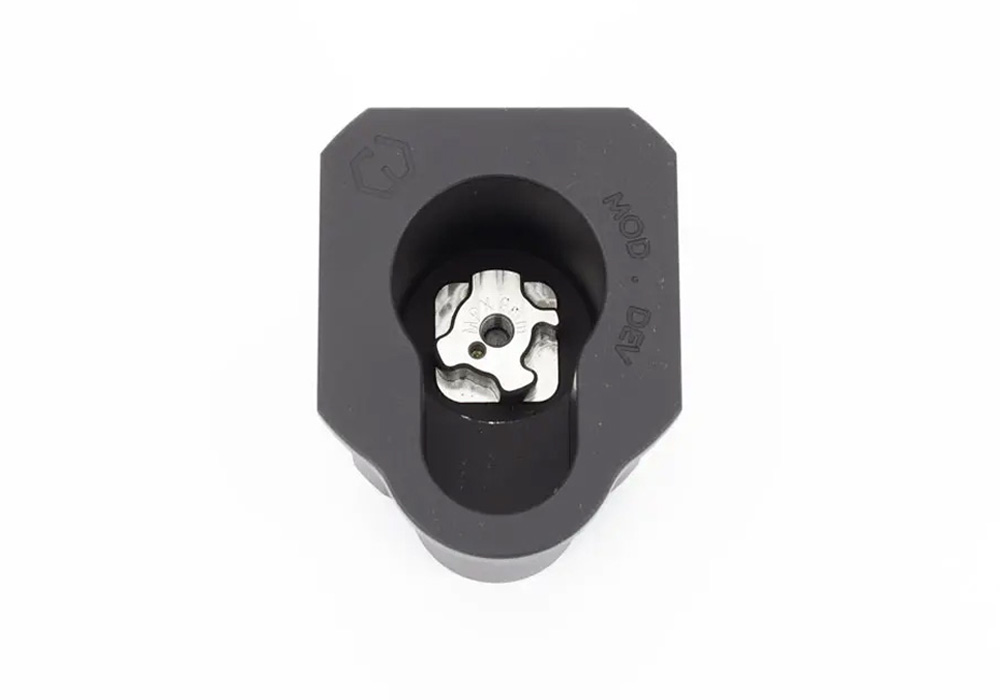
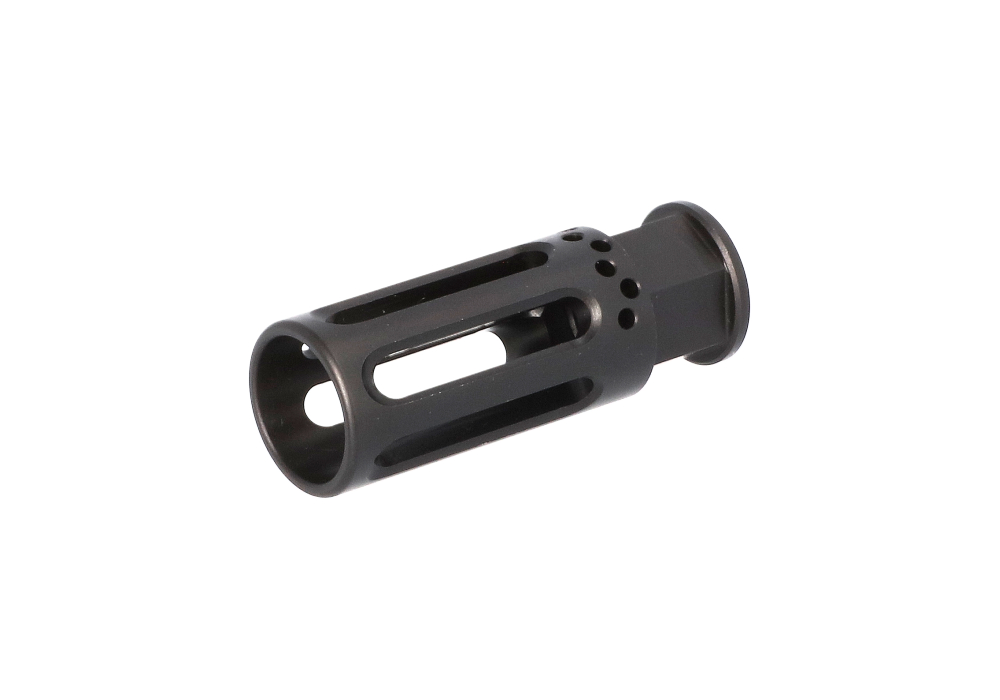
Firearm efficiency tools are designed to make routine handling, maintenance, and setup more organized, consistent, and comfortable. Rather than changing the fundamental operation of a firearm, these accessories help simplify the tasks that take place around it, from loading magazines and preparing ammunition to securing an upper receiver during maintenance or applying the correct torque when mounting an optic. A well-chosen tool can reduce unnecessary strain, protect small components, and help keep a workbench from becoming cluttered with improvised solutions. Magazine loaders are a practical example. They can ease thumb fatigue during extended range sessions and make it easier to load compatible magazines with a steady, repeatable motion. When comparing a loader, start with the exact firearm platform, cartridge, and magazine design it supports. Some are made for a particular caliber or magazine pattern, while others accommodate a broader selection. Magazine funnels and magwells can also help guide a magazine into the receiver, which may be useful for competition shooters, training sessions, or anyone who values smooth, repeatable reload practice. Revolver and pistol loading levers serve a similar purpose for compatible platforms, helping users prepare ammunition without pressing each round into place by hand. For rifle owners, strip loaders and related accessories can make the process of preparing magazines more orderly, particularly when ammunition is staged in advance at a clean, safe range bench. Before purchasing, consider whether the tool is intended for standard or extended capacity magazines, whether it is compact enough for a range bag, and whether its materials and shape will remain comfortable through repeated use. These details matter to new owners learning good habits, experienced shooters refining a routine, and thoughtful gift-givers looking for a useful accessory that can improve time spent at the range without requiring intimate knowledge of a recipient’s entire collection.
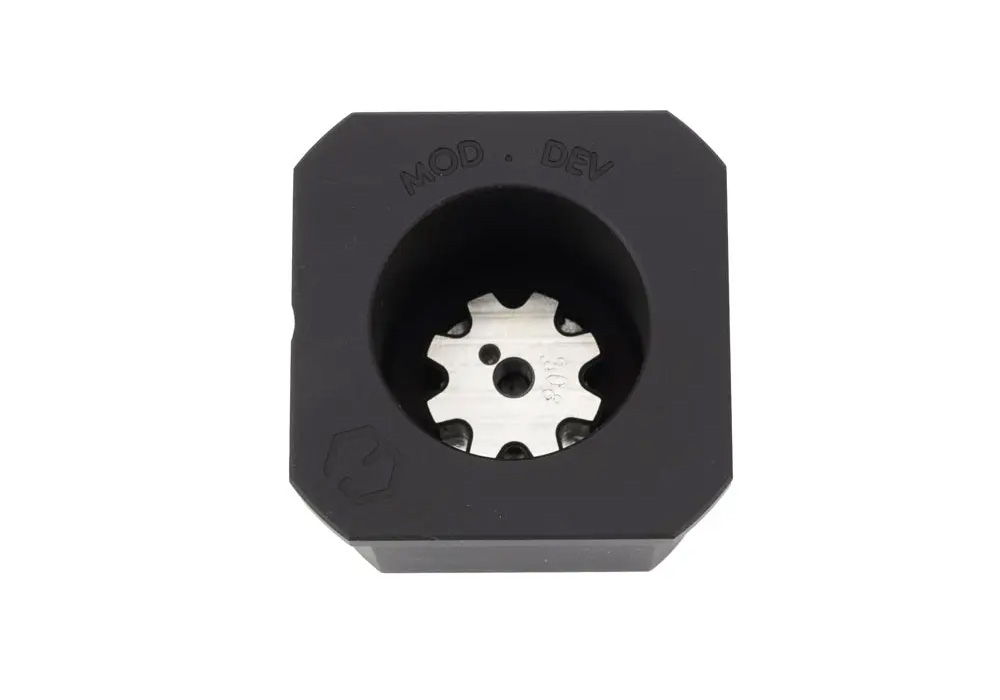
Efficiency at the workbench depends just as much on control and precision as it does on speed. Torque drivers and torque limiters help users tighten scope rings, bases, action screws, and other fasteners to an appropriate specification, reducing the risk of over-tightening, stripped threads, uneven pressure, or damage to delicate components. A preset tool can be convenient for a commonly performed task, while an adjustable model may be better suited to an owner who works on several platforms or mounting systems. It is important to follow the specifications supplied by the firearm, optic, or accessory manufacturer and to use bits that properly fit the fastener. Hollow-ground screwdriver bits are especially useful because their sides engage the screw slot more fully than a poorly matched general-purpose driver, helping prevent slips and cosmetic damage. Pin punches, paired with a suitable bench block, can make disassembly and reassembly more controlled by supporting the part and giving pins a clear path to move. Brass, polymer, and steel punch materials each have different characteristics, so the right choice depends on the finish, pin fit, and task at hand. A receiver rod or vise block can provide stable support when working on a compatible upper receiver, barrel assembly, or muzzle device, allowing torque to be applied through the appropriate areas instead of placing stress on thin receiver walls or other vulnerable surfaces. Compatibility is essential: confirm the exact platform, receiver pattern, caliber family where applicable, and intended maintenance procedure before ordering. These tools may appeal to careful hobbyists who maintain their own equipment, instructors who keep training firearms ready for use, or owners who prefer a dedicated solution over a crowded drawer of generic hardware. They can also make excellent gifts for someone setting up a first workbench, especially when selected around a known platform and paired with a sturdy mat, organized bit storage, or a protective case.
Choosing firearm efficiency tools is ultimately a matter of matching the accessory to the task, the platform, and the user’s habits. A range-focused setup may center on a compact magazine loader, a magazine guide, and a small organizer for ammunition and spare parts, while a maintenance-focused setup may benefit more from punches, a bench block, precision drivers, and a torque tool. Someone who regularly installs optics will likely place a higher value on accurate torque control and properly sized bits; someone who spends long days training may notice the greatest difference from a loader that reduces hand fatigue and keeps preparation moving at a comfortable pace. Owners who work with multiple firearms should look for clearly documented compatibility and modular systems that can be expanded without replacing every component. Durability, grip texture, storage, ease of cleaning, and the availability of replacement bits or inserts are also worth considering, particularly for tools that will travel between a home workbench and an outdoor range during warmer or cooler conditions. Keep every task within the manufacturer’s instructions, use an unloaded firearm in a secure workspace, and wear appropriate eye protection when working with springs, pins, or small components. Efficiency should never mean rushing; the best tools support a calm, repeatable process and make it easier to notice when a part is misaligned, a fastener feels wrong, or a component needs professional attention. For owners who are expanding beyond basic maintenance into installation and fitment projects, related Firearm Customization Tools can provide additional options for a more capable and organized workbench. Whether purchased for personal use or given as a practical gift, the right efficiency accessory can become one of those quietly indispensable items that earns its place in a range bag or tool drawer through dependable, everyday usefulness.