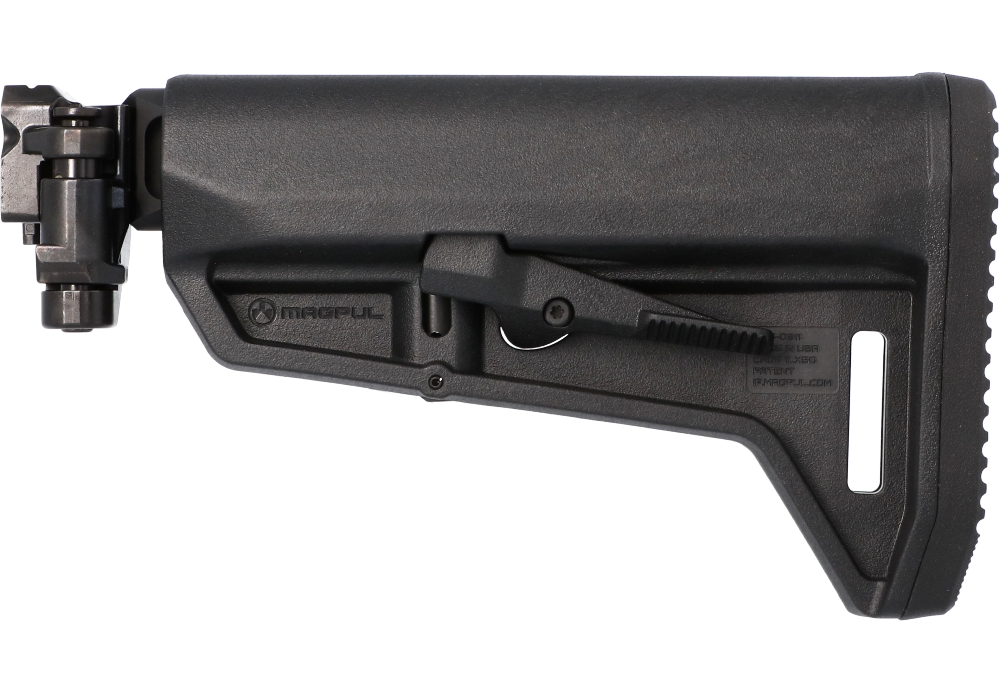
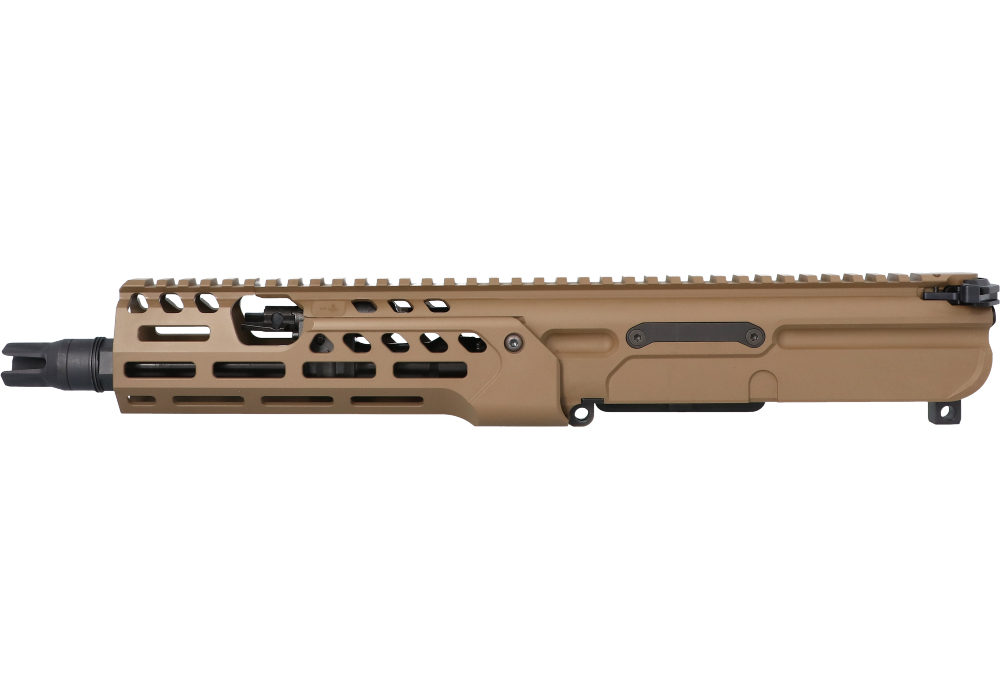
Folding stock adapters for backpack guns create a hinged connection that lets a compatible firearm’s shoulder stock fold alongside the receiver for a shorter transport profile. Their purpose is to reduce the space a firearm occupies in an appropriate carrying case or pack, not to shorten its barrel or replace secure storage. For someone carrying an unloaded firearm between a vehicle and a range, or organizing equipment for a backcountry hunting trip, that shorter profile can simplify packing without separating major firearm assemblies. The benefit depends on the complete setup: barrel length, receiver dimensions, attached accessories, and the folded stock all contribute to the space required. A folding adapter does not guarantee that a rifle will fit inside an ordinary backpack, and a smaller packed length can come with additional width around the hinge and folded stock. A purpose-built firearm pack with suitable padding, retention, and protection around the trigger area offers a more appropriate starting point than an unstructured bag. These adapters also differ from telescoping stocks, which adjust length along the firearm’s centerline rather than swinging to one side. Some setups combine both functions, but compatibility must be confirmed for the entire assembly. Depending on the firearm, an adapter may connect at a receiver extension interface or a dedicated rear mounting interface; those arrangements are not interchangeable simply because both support folding stocks. The operating system matters as much as the mounting point. Many receiver-extension-dependent firearms require the stock to be unfolded and securely locked before firing, while other platforms have different manufacturer-defined requirements. Folding capability alone never establishes whether a firearm can function safely with its stock folded. For a collection centered on backpack transport, the most useful distinctions are verified platform fit, folded dimensions, added weight, and the security of the locking mechanism. Those details say more about suitability than a broad claim that an adapter works with almost any rifle.
Materials and construction influence how an adapter feels both inside a pack and against the shoulder. Steel can provide strong, wear-resistant engagement surfaces, while aluminum can reduce weight; some designs combine an aluminum body with steel components at the hinge or latch. Neither material name, by itself, establishes the quality of the finished assembly. Alloy specifications, machining tolerances, protective finishes, and the design of the locking surfaces all contribute to durability. A well-fitted connection should provide the stability described by its manufacturer without unexplained movement, binding, or uncertainty about whether the latch is engaged. Published weight figures deserve attention because the adapter becomes part of the firearm whenever it is carried, not just when it is folded. Added weight near the rear can also change balance, especially on a compact setup that previously felt light at the shoulder. Depending on the design, an adapter may move the stock rearward and increase length of pull, changing the relationship between the shoulder, grip, and sighting position. That is an important consideration for shooters who already use their stock at its shortest comfortable setting. Folding direction is another practical distinction: the folded stock must coexist with the firearm’s controls, sling attachments, and other accessories without creating interference or an awkward packed shape. Exterior edges and hinge contours matter, too. Smoothly finished surfaces are less likely to catch on a padded sleeve, while a protruding latch may need additional clearance in a closely fitted case. A padded divider can help keep nearby gear from rubbing against the adapter during transport, but the pack should not place pressure on firearm controls. Compatibility claims should identify the supported firearm configuration, mounting interface, and any required components rather than rely on appearance alone. Professional evaluation by a qualified gunsmith is appropriate when fit or function is uncertain. The strongest purchase decision rests on documented compatibility and a comfortable, secure shoulder position, not merely the shortest possible folded measurement.
Care for a folding stock adapter centers on keeping the hinge, latch, and mounting connection in the condition specified by the manufacturer. Pack lint, trail dust, and grit can collect around moving parts, particularly when a firearm shares space with other equipment. With the firearm unloaded and handled safely, routine inspection can reveal trapped debris, finish wear, corrosion, or changes in the way the mechanism locks. Cleaning products and lubricants should match the manufacturer’s recommendations; excessive lubricant can attract contamination, and abrasive cleaning can damage protective finishes. New looseness, sticking, or uncertain engagement calls for evaluation rather than continued use. A protective finish helps resist wear, but it does not eliminate the need for inspection after repeated transport. For regular range visitors, the appeal of a folding adapter is often straightforward organization: an unloaded firearm secured in a properly fitted case can occupy less length beside hearing protection, eye protection, and other range essentials. For hunters who carry their equipment on foot, pack fit and total carried weight may deserve equal attention, since a compact shape offers limited benefit if the complete load becomes uncomfortable. The related collection of Folding Stock Adapters for Fall Hunting Rifles provides another relevant category for shoppers considering hunting-oriented configurations. Across either use, transport convenience should remain separate from assumptions about immediate use or legal status. Applicable laws can address firearm configuration, overall length, transport, and access, and those requirements should be checked before changing a setup or traveling with it. A backpack is not a substitute for locked storage or measures that prevent unauthorized access. Gift buyers should also recognize that these are compatibility-sensitive components, not universal accessories; confirming the recipient’s exact platform and intended configuration is more useful than choosing by appearance. For an owner with a verified compatible firearm, a durable folding adapter can support a more compact transport arrangement while preserving the familiar role of a shoulder stock when properly unfolded and locked. Reliable fit, clear operating limits, thoughtful packing, and consistent care are what give that convenience lasting value.