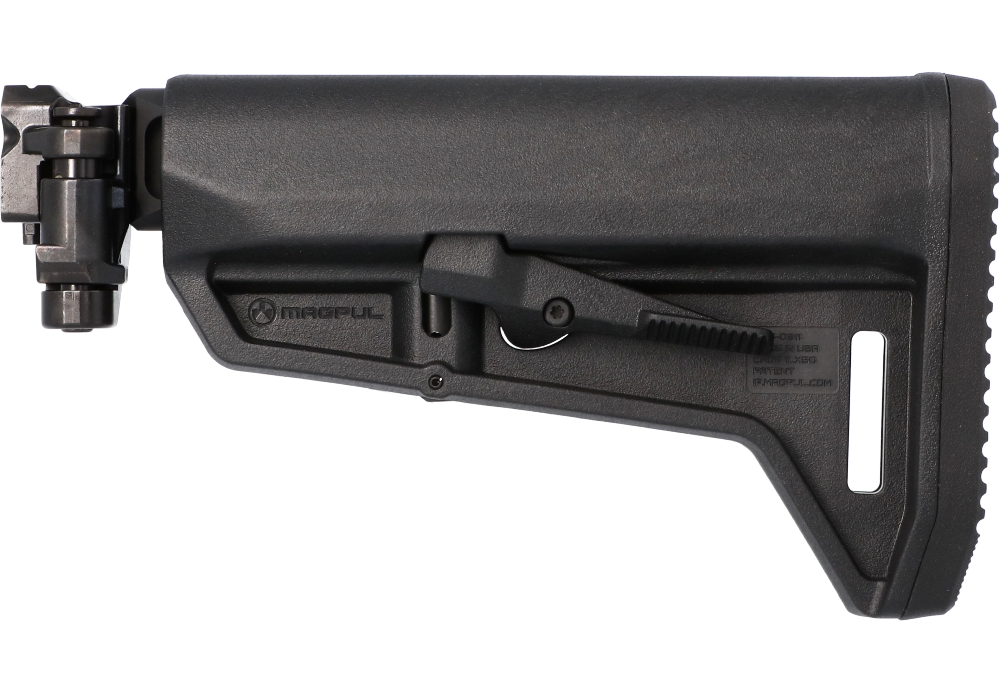
Folding stock adapters for home defense rifles offer a practical way to reduce the rifle’s overall footprint when it is secured for storage or moved through confined areas. By allowing the stock to pivot alongside the receiver, an otherwise full-length rifle can fit more easily inside a compact safe, a bedside security container, a vehicle compartment, or a discreet range bag. That smaller profile can be useful in homes where storage space is limited, especially when a rifle must remain secured yet accessible to an authorized adult. It can also simplify transport between a secure storage location and a training area, reducing the chance that the stock catches on shelving, door frames, or other equipment. The right adapter should complement the rifle rather than serve as an afterthought. Begin by confirming the firearm’s interface, operating system, receiver configuration, and stock or brace connection before selecting an adapter. Some designs are intended for rifles with a conventional rear extension, while others suit platforms that use a 1913 rail or a bufferless layout. Compatibility with the receiver and rear assembly is essential, and the adapter should lock firmly in both its extended and folded positions without unusual play. A secure hinge, positive latch, durable finish, and clear installation instructions all contribute to long-term confidence. Buyers should also review whether the adapter changes the rifle’s length of pull, cheek weld, sling position, or balance. Even a small shift at the rear can affect how the rifle shoulders and how naturally the sights align, particularly for a household member with a shorter reach. A folding mechanism adds moving parts and some additional weight, so a careful fit and a deliberate function check matter more than appearance alone.
For home defense use, storage and handling habits remain just as important as the adapter itself. A rifle should be secured in accordance with local law and household needs, with access limited to trained, authorized adults. Any accessory that permits the rifle to fold should be inspected periodically for proper lockup, loose fasteners, wear around the hinge, and interference with the stock or brace. Installation should follow the manufacturer’s instructions, and a qualified gunsmith can be a sensible choice when the design involves receiver work, specialized tools, or uncertainty about fit. After installation, confirm that the rifle operates safely in its extended configuration and that the folded position does not place pressure on controls, optics, charging handles, or other components. Many conventional direct-impingement rifles are not intended to fire with the stock folded because the action requires room for its operating components; other platforms may have a different design. Treat the folded position as a compact storage and transport configuration unless the firearm’s instructions specifically state otherwise. This distinction is important for anyone selecting an adapter for a defensive rifle, since a compact profile is useful only when the rifle remains secure, reliable, and ready to be handled in the manner intended by its design. A bright, uncluttered storage setup can help a household maintain a consistent routine during the cooler months, when heavy clothing, crowded entryways, and more time indoors can make movement through a home feel different. Training with an unloaded firearm under qualified supervision can help each authorized user understand the rifle’s folded and extended dimensions, sling arrangement, optic position, and safe handling points without relying on guesswork during a stressful moment.
These adapters can also appeal to recreational shooters who value efficient storage, organized transportation, and a streamlined setup at the range. Someone who keeps a rifle in a small safe, travels with several pieces of equipment, or shares a secured storage area with other firearms may appreciate the way a folding configuration frees room without requiring a shorter barrel or a different platform. As a gift, a folding stock adapter can be a thoughtful choice for an experienced shooter who has already identified a need for a more compact rifle setup, though it is best selected only after confirming the exact firearm model and rear interface. An accessory that fits one configuration may not suit another, and an attractive finish cannot compensate for an incompatible connection. Buyers should also account for the stock or brace that will attach to the adapter, the preferred sling arrangement, optic clearance, and any effect on the rifle’s balance inside a safe or case. For those comparing options, useful points include hinge strength, latch design, corrosion resistance, installation requirements, folded width, added weight, and whether the adapter preserves a comfortable cheek weld when extended. A compact rifle can be easier to store, but it should never be left unsecured simply because it occupies less space. Keep ammunition stored in a lawful and responsible manner, follow all applicable regulations, and rely on professional instruction for defensive planning. Shooters interested in a broader selection for recreational setups can also review Folding Stock Adapters for Shooting Sports. With the correct interface, careful installation, and disciplined storage routine, a folding stock adapter can help a home defense rifle fit more naturally into a secure household setup while preserving the handling characteristics that matter during regular practice.