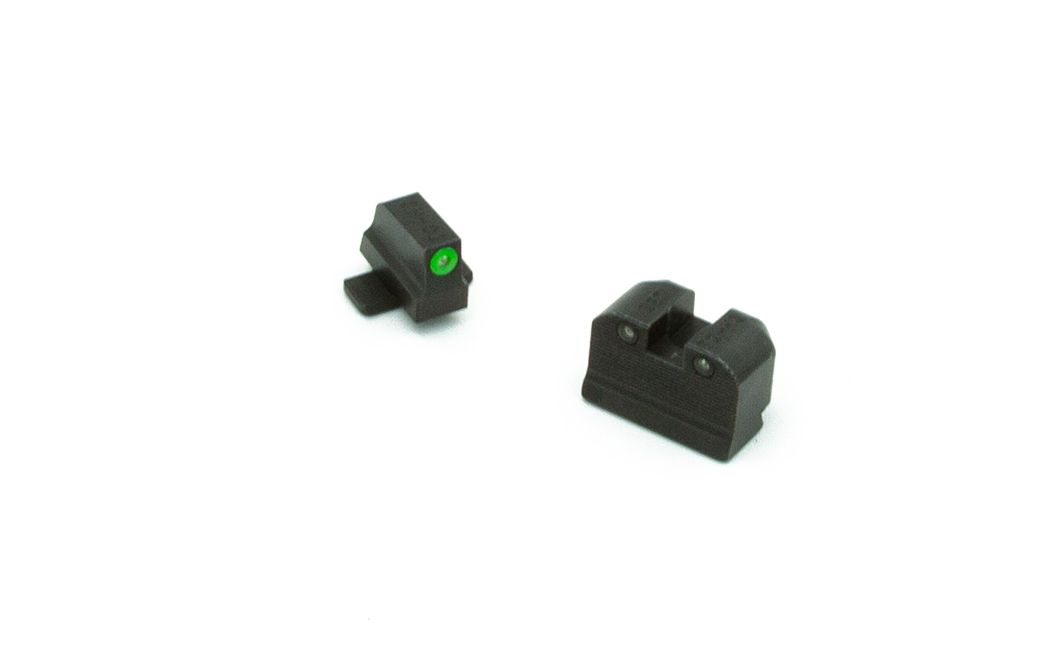
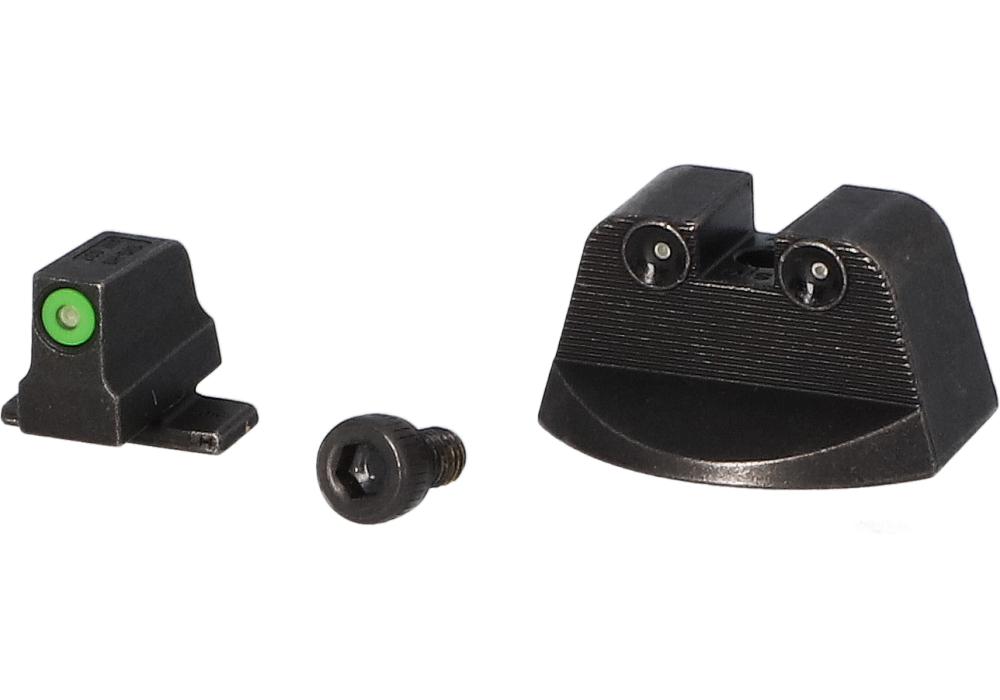
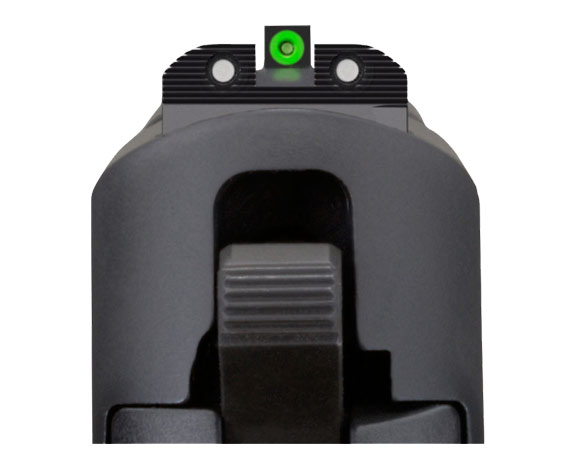
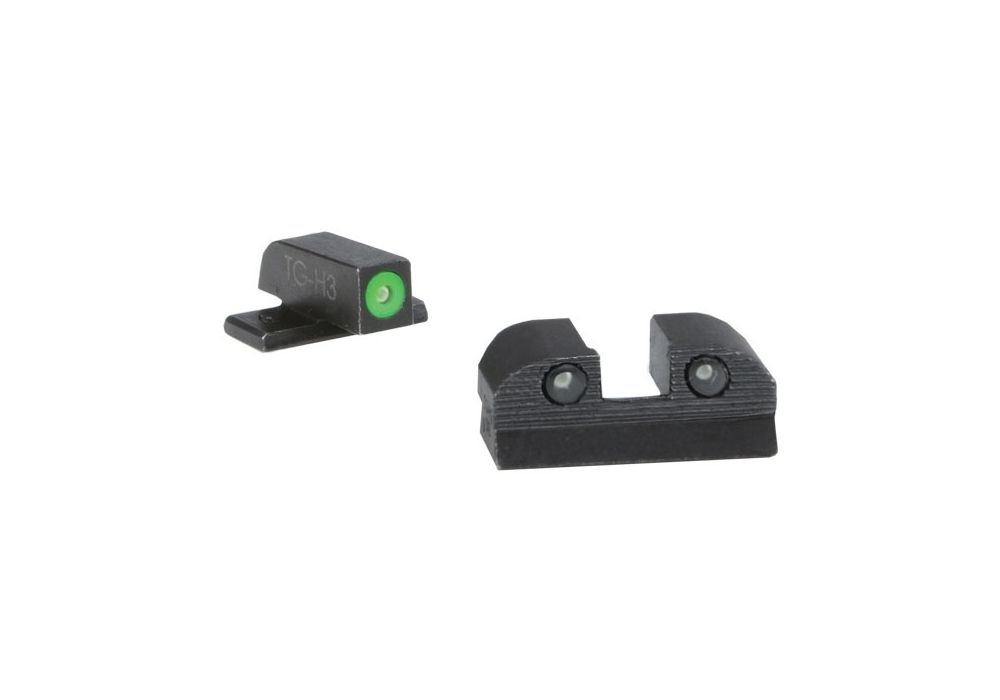
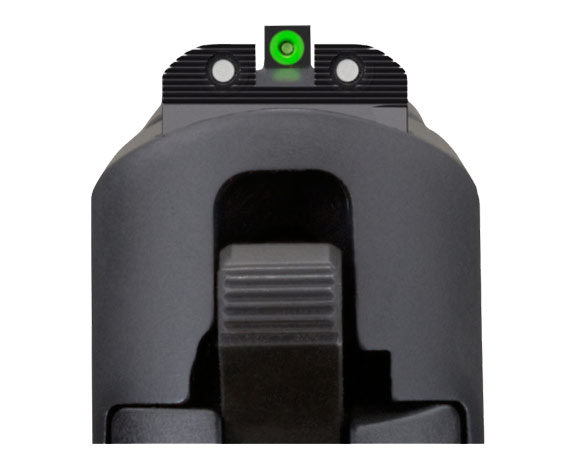
Front night sights for law enforcement are designed to help officers establish a clear, repeatable sight picture when lighting is poor, conditions change quickly, or a bright target backdrop makes traditional sights difficult to distinguish. A duty-oriented front sight commonly combines a self-powered tritium vial with a high-visibility outline or insert. Tritium provides a steady glow in darkness without batteries or external charging, while an orange, yellow, or white daytime ring helps draw the eye during daylight and transitional light. This combination supports fast front-sight recognition without requiring the shooter to focus on several competing details at once. In practice, the benefit is most noticeable when moving from a well-lit exterior into a dim entryway, working around a vehicle at dusk, or dealing with uneven illumination inside a building. A brightly defined front dot can serve as an immediate visual anchor, while the rear sight remains comparatively subdued so the sight picture does not become visually cluttered. Officers, deputies, corrections personnel, security professionals, and approved agency armorers may consider these sights when equipping duty pistols, training pistols, backup weapons, or replacement slides. They can also be appropriate as a professional gift for a qualified officer or firearms instructor when the purchaser has confirmed the exact pistol model, sight cut, and agency policy beforehand. Because this equipment affects aiming and must be installed correctly, gift buyers should treat compatibility and professional installation as essential parts of the purchase rather than relying on appearance alone.
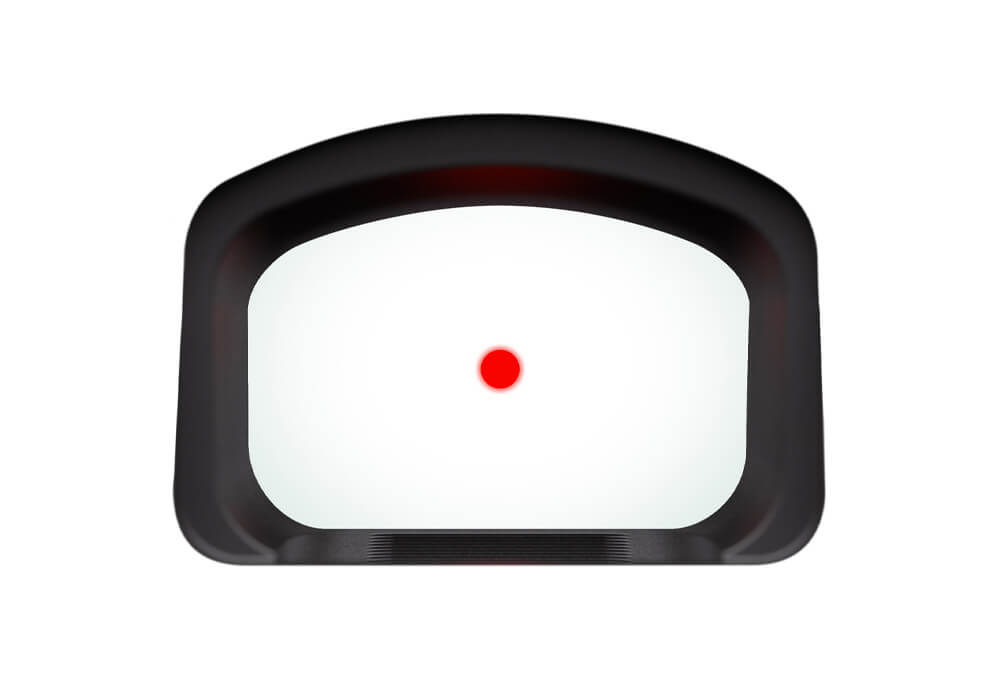
Selecting front night sights for law enforcement begins with the pistol platform and the dimensions of its existing sight cut. Even pistols that appear similar may require different mounting patterns, dovetail dimensions, screw arrangements, or sight heights. Confirm the make, model, generation, slide configuration, and whether the pistol has been modified before choosing a replacement. Sight height deserves particular attention. A standard-height front sight may be appropriate for a conventional iron-sight setup, while an extended or suppressor-height configuration may be needed when a slide-mounted red dot optic is installed. The goal is a usable co-witness relationship in which the iron sights can be seen through the optic window or used as a dependable backup if the optic is unavailable. Optic compatibility should be verified with the specific slide, optic footprint, mounting plate, and holster system; a sight that clears one arrangement may not clear another. Duty holsters also matter. A pronounced ledge or hooked face can support one-handed slide manipulation against a firm edge if an officer must work around an injured or occupied support hand, but the shape should still be compatible with the holster and department procedures. Serrations, edges, and finish are not merely cosmetic details, especially on equipment that may be drawn repeatedly, exposed to weather, or handled while wearing gloves. Front-ring color is another practical consideration. Orange and yellow outlines often provide strong visual contrast in daylight, while white may offer a more restrained appearance; the best choice depends on the shooter’s vision, training environment, uniform of light, and personal ability to acquire color quickly. Tritium brightness is most apparent after the eyes have adjusted to darkness, and the surrounding outline remains important because the sight must also perform in bright conditions where the tritium glow is less noticeable.
A properly selected front night sight is only one part of a dependable duty setup. Installation should be performed with the correct tools and attention to the manufacturer’s specifications, including secure fit, appropriate fastener treatment, and alignment with the rear sight. After installation, the pistol should be checked at a safe range under daylight, low-light, and, where permitted, reduced-light conditions. Confirm that the point of impact remains suitable, that the front dot presents naturally with the existing rear sight, and that the sight picture can be found from a realistic ready position without unnecessary searching. Practice should include ordinary two-handed presentation as well as controlled one-handed handling, since equipment that looks excellent on a workbench still has to appear quickly when the shooter is moving, wearing gloves, or working under stress. Inspect the sight periodically for looseness, damage, contamination, or changes in illumination, and remember that tritium has a finite service life and gradually becomes less bright over time. Agency qualification standards, departmental equipment lists, local regulations, and armorer approval should guide any duty installation. For shoppers comparing related options, the broader selection of Pistol Night Sights can provide additional configurations for different pistol platforms and sighting arrangements. During the cooler months, when early darkness and changing outdoor light can become part of a normal shift, a clear and familiar front sight can make routine presentation work feel more consistent. The right choice is the one that fits the pistol, clears the selected optic or holster, remains visible across the lighting conditions encountered on duty, and supports practiced, responsible handling.