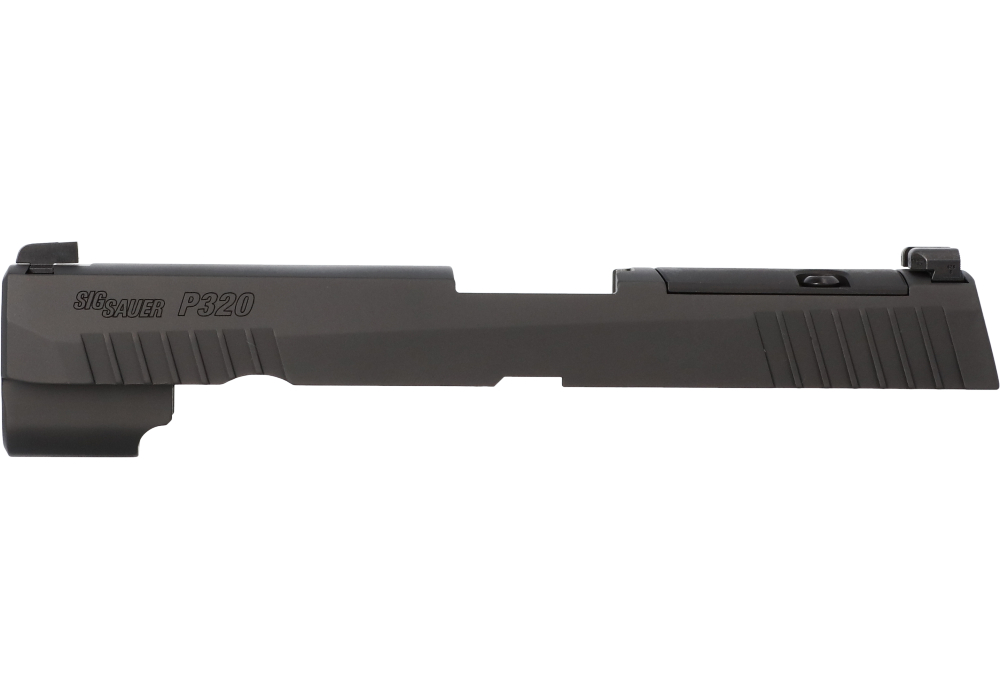
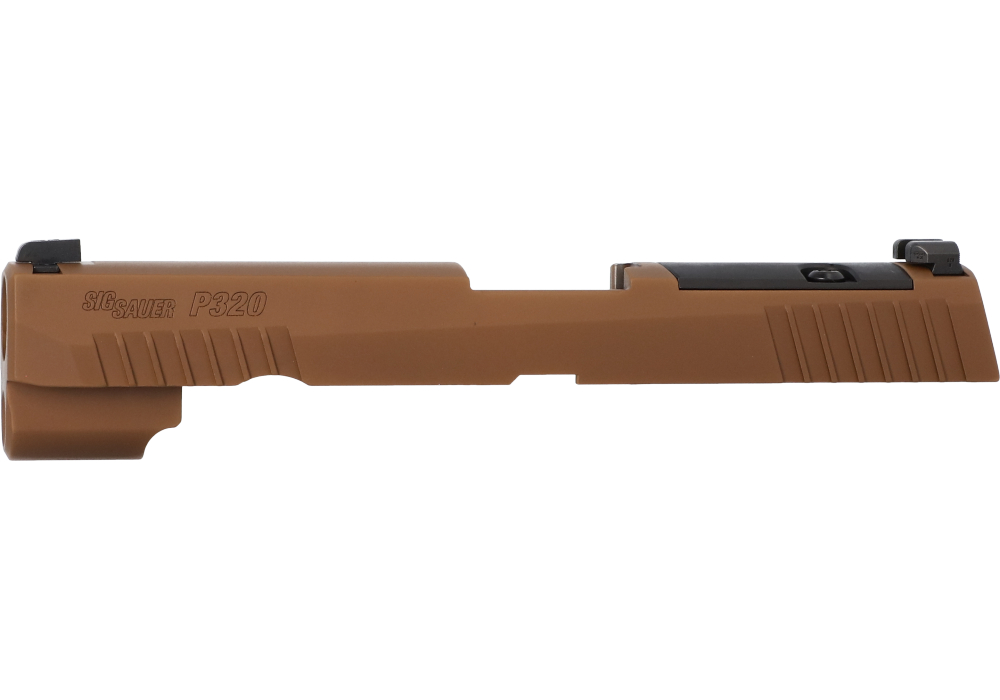
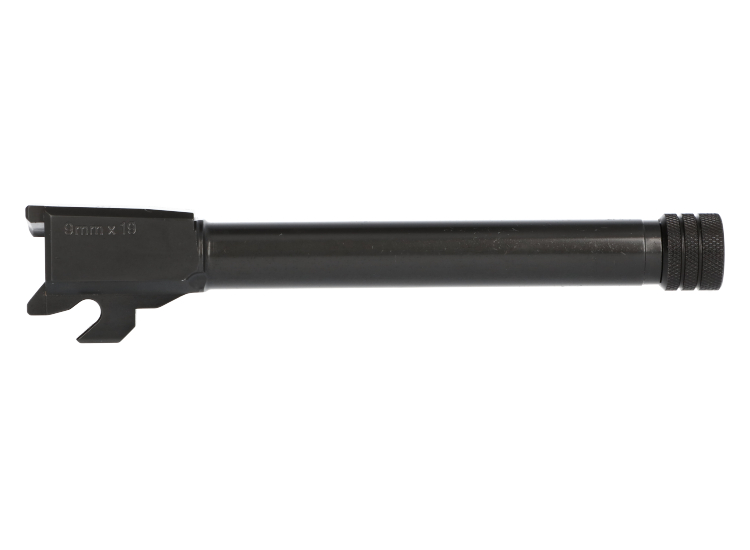
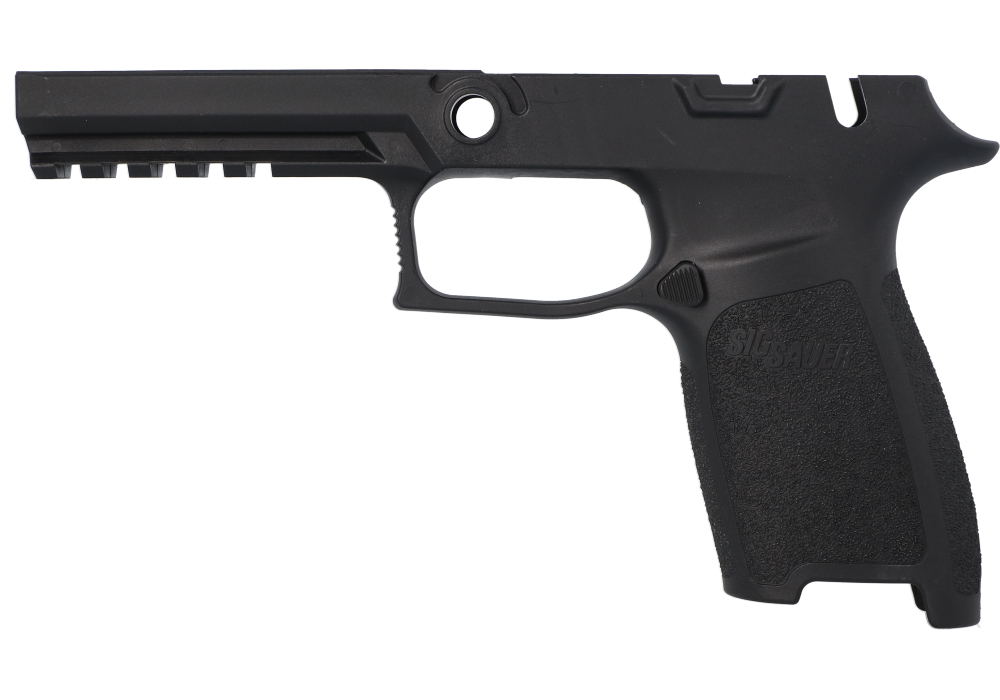
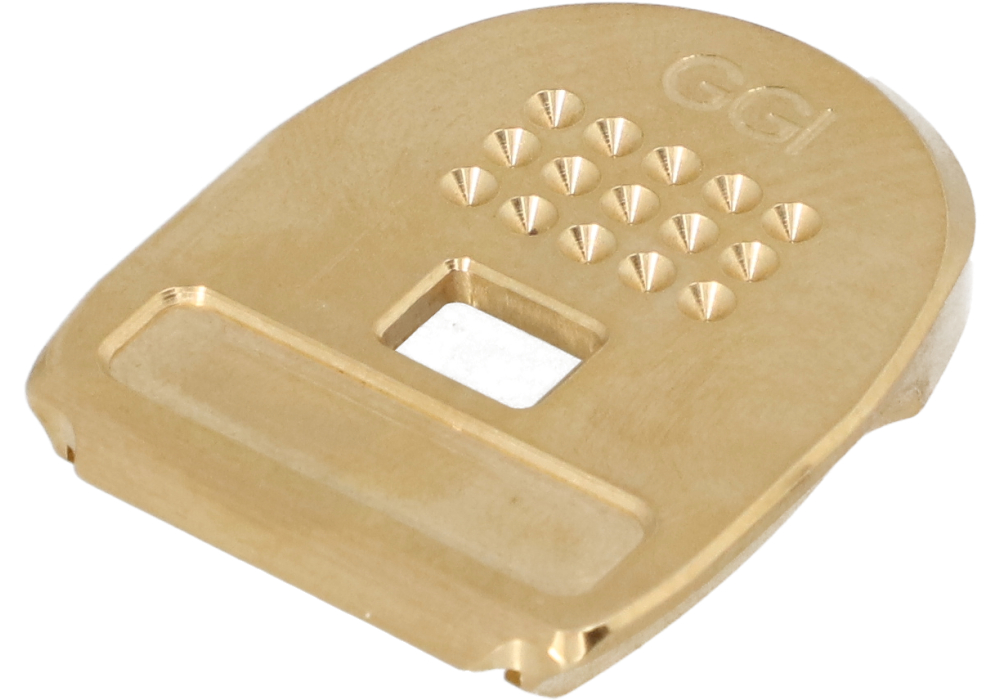
Full size firearm parts are replacement components and functional accessories intended for standard, service-sized handguns as well as full-length rifle and carbine platforms. These parts are generally built around the dimensions, mounting patterns, and operating characteristics of a full-size firearm, which may include a longer slide, a service-length barrel, a full-length grip frame, or a standard rifle receiver and handguard arrangement. The category can include slide and barrel components, recoil assemblies, grip housings, frames, trigger components, sights, optic mounts, magazine wells, and muzzle devices. Each piece serves a different purpose, whether restoring a worn firearm, replacing a damaged component, refining the fit of a familiar platform, or preparing a firearm for a particular range setup. Compatibility should always be the first consideration. Parts that appear similar may differ in length, caliber, generation, mounting footprint, pin location, spring weight, or interface with other components. Before ordering, review the firearm’s exact model, variant, caliber, production configuration, and manufacturer specifications, then compare those details with the part description. This is especially important for slides, barrels, recoil assemblies, and fire-control components, where small dimensional differences can affect safe operation. A full-size handgun often provides a longer sight radius, a more substantial grip, and additional surface area for control, while a full-length rifle or carbine platform may offer room for a variety of compatible accessories. Those characteristics make full-size firearm parts useful to owners who train regularly, compete in organized shooting sports, maintain a duty-style setup, or simply want to keep a trusted firearm in dependable working order. Replacement parts can also be practical for a family member or shooting partner who already owns a compatible platform, although the recipient’s exact configuration should be confirmed before purchasing a gift. A gift card or a carefully verified component is often more useful than a part selected by appearance alone, since fit and function matter more than finish or general similarity.
When selecting parts for a full-size handgun, begin with the role the firearm performs and the condition of the existing components. A replacement barrel should correspond to the correct caliber and slide length, while a recoil assembly should be matched to the platform and the manufacturer’s recommended specifications. Spring weight is not a universal upgrade category; it is part of a system that influences cycling, felt recoil, and reliability. The same practical approach applies to trigger groups and related internal components. These pieces should be selected for a compatible configuration and installed by someone with the appropriate training and tools. Grip frames, grip modules, and panels can change how a full-size firearm fits the hand, which may be noticeable during long practice sessions or when shooting in cooler weather with different gloves. A properly fitted grip can help the shooter reach controls consistently without shifting the hand, but comfort and control should be evaluated alongside compatibility. Sights and optics are another common area of interest. Full-size red-dot optics and their mounting plates must correspond to the firearm’s cut and the optic’s footprint, while iron sights should be matched to the slide, dovetail, height requirements, and intended ammunition. Magazine wells and related extensions may help guide a magazine into place during training, but they must not interfere with magazine seating, retention, or the firearm’s original design. Muzzle devices and compensators also require careful attention to thread pitch, barrel length, clearance, and applicable regulations. For rifle and carbine platforms, the same fundamentals apply to receiver components, handguards, stocks, grips, charging systems, gas components, and sighting accessories: a part should be selected as part of a compatible operating system rather than as an isolated visual upgrade. Keeping the original components, packaging, and installation records can make future maintenance easier, particularly when a firearm is used throughout the warmer outdoor season and then cleaned and inspected more frequently during the cooler months.
A thoughtful full size firearm parts purchase balances intended use, compatibility, quality, installation, and responsible ownership. Begin with a clear maintenance or setup objective, such as replacing a worn part, returning a firearm to its original configuration, improving sight visibility, or tailoring the contact points for a more consistent fit. Avoid choosing a component solely because it is described as an upgrade; a change is only beneficial when it works correctly with the rest of the firearm and supports the owner’s actual needs. Check whether the part is intended for a complete firearm, a specific variant, or a particular generation, and pay close attention to whether the item is a finished component, a fitting part, or a serialized frame or receiver. Serialized components may be regulated differently from ordinary replacement parts and may require transfer through a properly licensed dealer, depending on applicable federal, state, and local law. Regulations can also apply to magazines, muzzle devices, threaded barrels, and other accessories, so purchasers should verify the rules where they live before placing an order. When installation involves the fire-control system, chamber, locking surfaces, barrel fit, or any other safety-critical area, consultation with a qualified gunsmith is the prudent choice. After installation, the firearm should be inspected, function-checked in a safe and lawful setting, and tested with appropriate ammunition before being relied upon for training or defensive use. Store all firearms and components securely, separate ammunition when required by law or household policy, and keep access limited to authorized adults. Owners comparing full-size and compact configurations can also review Compact Gun Parts when a smaller platform is part of their collection, but the same careful process applies: identify the exact firearm, confirm every interface, follow the applicable rules, and select parts that support reliable, responsible ownership over the long term.