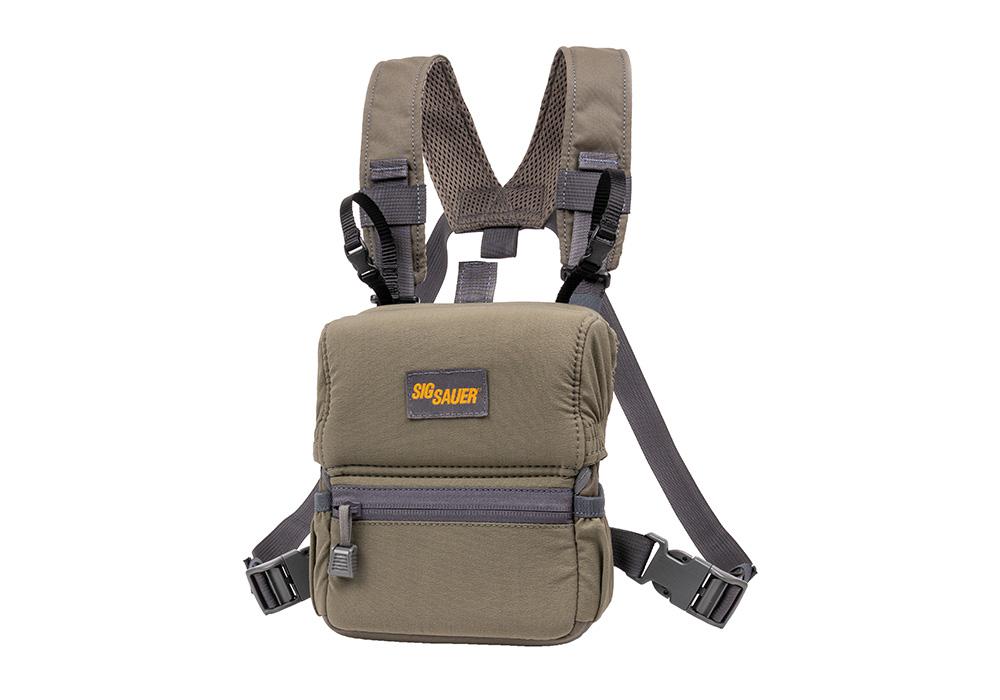
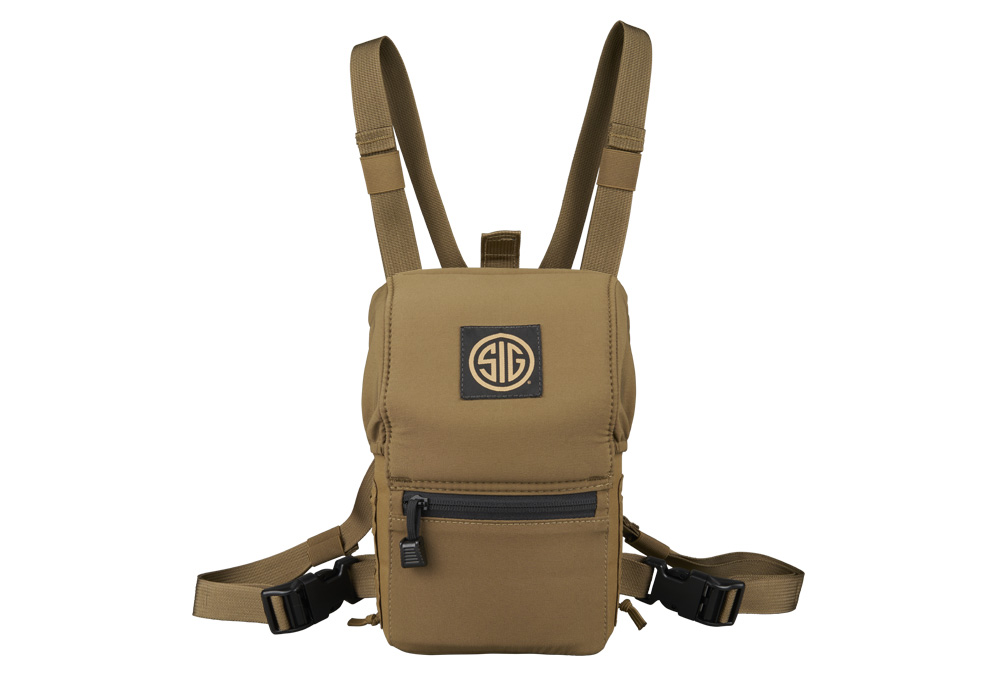
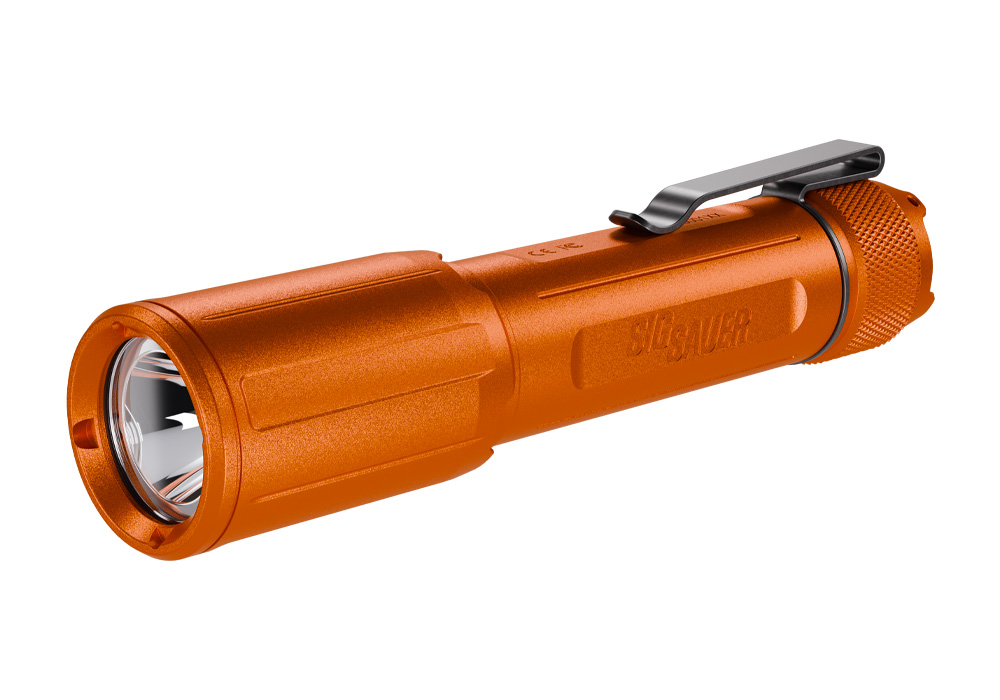
Gifts for avid campers are most useful when they fit the way someone spends time outdoors: carrying a compact overnight kit, settling into a comfortable base camp, or heading out from a campsite to explore on foot. Practical camping gifts often support familiar routines, from finding a tent zipper after dark to keeping small essentials organized and preparing a quiet breakfast before the rest of camp wakes up. Portable lighting, outdoor storage, hydration accessories, observation equipment, and compact power solutions all serve different parts of that experience. For someone who carries everything on their back, packed dimensions and total weight matter as much as function. Equipment that fits into an existing pocket or replaces several separate accessories can earn a regular place in the pack. A camper traveling by vehicle may have more room for comfort-focused gear, larger accessories, or equipment that supports a shared campsite. Neither style calls for the same setup, and experienced campers often have strong preferences about how their belongings are arranged. A thoughtful gift complements those preferences rather than requiring a completely different routine. Easy-to-clean surfaces can be especially welcome around food preparation, while secure closures help keep frequently handled accessories together between stops. Hydration-related gifts deserve attention to compatibility and maintenance: bottle openings, drinking attachments, and treatment components are not universally interchangeable, and water treatment equipment should be used only within its stated limits. For campers who enjoy coffee or simple meals outdoors, packability, stable handling, and straightforward cleanup can be more valuable than extra features. Useful gifts do not need to transform an entire campsite. Often, the strongest choice improves one familiar task, such as locating a small accessory inside a deep pack, keeping a phone powered for an established navigation routine, or having dependable light within reach when returning to the tent. That connection to an actual habit gives a camping gift a purpose beyond the first outing.
Materials and construction help distinguish outdoor equipment that feels convenient at home from gear that remains practical after repeated packing, carrying, and cleaning. Woven synthetic fabrics can offer a useful balance of low weight and abrasion resistance, especially when reinforced at attachment points and areas that rub against other equipment. Metal components may provide rigidity and a solid feel, while durable polymers can reduce weight and simplify handling. The right balance depends on intended use rather than appearance alone. A storage accessory riding inside a pack faces different demands from one secured to the outside, where exposed hardware and attachment points receive more wear. Smooth zipper operation, accessible controls, secure battery covers, and closures that stay out of the way are small details that become noticeable over a weekend outdoors. Fit matters just as much. Straps need a suitable adjustment range, clips must match the attachment points already in use, and handheld equipment should feel comfortable without forcing an awkward grip. For portable lighting, useful considerations include beam shape, brightness settings, runtime, and how easily the light can be positioned for a task. A broad beam suits close work around camp, while a more focused beam serves a different purpose; maximum brightness alone does not describe everyday usefulness. Rechargeable equipment also brings practical questions about connector types, charging time, and compatibility with existing power accessories. Stated runtime should be understood in relation to the selected operating mode. For campers who enjoy watching wildlife or studying distant terrain, observation optics add another dimension to time outdoors. Magnification, field of view, eye relief, and focusing controls affect comfort and usability, particularly for someone wearing glasses. Greater magnification is not automatically a better fit for handheld viewing. Equipment that is comfortable to carry and easy to steady may see more use than something larger that stays behind. Across these categories, clear specifications and an appropriate fit are more meaningful than a long list of features with little connection to the recipient’s habits.
Care and storage also influence how well a camping gift fits into an established collection of outdoor equipment. Washable components, accessible compartments, and straightforward maintenance can reduce the work between trips, especially for someone who camps frequently. Fabric accessories benefit from care that follows their material and coating requirements, while optics need appropriate lens-cleaning methods rather than a quick wipe with a dusty shirt. Electronic equipment requires attention to charging instructions, seals, connectors, and storage conditions. Water resistance should never be treated as permission for unlimited immersion, and protective cases are most useful when they fit the equipment without blocking controls or encouraging loose movement inside. Drying and cleaning gear before storage helps preserve its condition and keeps the next departure from beginning with unnecessary maintenance. For gift recipients who already own the basics, compatible accessories and organization-focused gear can be particularly thoughtful because they support an existing setup without duplicating a favorite piece of equipment. Someone who camps with family may value intuitive operation and easy identification among shared belongings, while a frequent solo camper may prefer compact dimensions and equipment that is simple to manage independently. Gifts connected to a birthday, retirement, or an upcoming camping trip can reflect those individual routines without relying on novelty. There is also natural overlap between campsite essentials and equipment carried farther along a trail; Gifts for Hikers offers a related theme for recipients whose camping trips include plenty of walking. The most personal camping gifts show an understanding of what the recipient actually enjoys, whether that means lingering over a meal, observing wildlife from a respectful distance, or keeping a carefully organized pack ready for another overnight stay. Durable construction, sensible dimensions, comfortable handling, and manageable upkeep help turn that understanding into something useful. A gift that belongs naturally in the recipient’s routine can become familiar equipment, packed almost without thinking because it consistently serves a clear purpose.