Useful gifts for hikers combine low weight, dependable construction, and a comfortable fit with a clear purpose on the trail. Practical outdoor gear earns its place by helping someone move comfortably, keep essentials organized, or observe the landscape without adding unnecessary bulk. The strongest match depends on how the recipient actually spends time outdoors: a regular at the neighborhood trail system may value uncomplicated accessories, while someone who spends full days exploring remote routes may pay closer attention to weight, attachment options, and durable construction. Trail apparel, carrying accessories, and observation optics serve different needs, but each should complement an existing routine rather than require a completely different setup. On a winding path with repeated climbs, small details become noticeable: a seam beneath a shoulder strap, a loose attachment that swings with every step, or a pocket that cannot be reached without stopping. Comfortable gear stays out of the way when stepping over roots, leaning forward on an incline, or sitting down for a break. Fit includes more than a size label. Clothing needs enough room through the shoulders and hips for natural movement, while carried accessories should sit securely without rubbing or creating pressure beneath other equipment. Adjustable features can accommodate individual preferences, although adjustment alone does not guarantee a good fit. A familiar size in everyday clothing may not translate directly to outdoor apparel, so measurements and the intended cut matter more than assumptions. For a gift recipient who already has a well-established trail setup, an improvement to something used on every outing can be more meaningful than an unfamiliar piece of technical equipment. Gifts for frequent hikers, casual walkers, and people building confidence on longer routes all benefit from the same basic approach: useful function, manageable weight, and details that continue to feel comfortable after several miles.
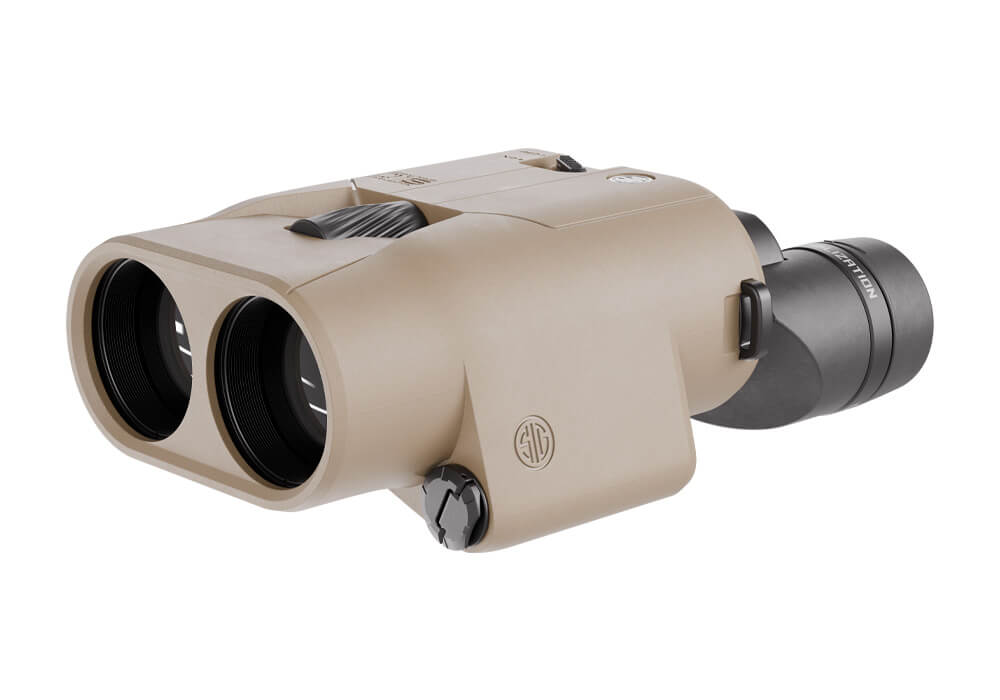
Materials and construction help explain how hiking gear feels in use and how well it handles repeated outings. Woven nylon often provides useful abrasion resistance in carrying accessories, while polyester is common in apparel designed to manage perspiration and dry efficiently. Fabric blends with stretch can allow easier movement through a high step or a deep bend, though fabric weight, weave, and seam placement also influence comfort. Reinforcement is especially valuable where straps connect, hardware bears a load, or fabric repeatedly brushes against rough surfaces. More material is not automatically better; thoughtfully placed reinforcement can protect a high-wear area without making the entire accessory heavier or stiffer. Neat stitching, finished edges, and closures that operate smoothly are practical details worth attention. A zipper pull that is easy to grasp or a buckle that adjusts without slipping can matter more during a long walk than an elaborate appearance. Organization should also suit the way the recipient moves. Secure compartments help separate essentials, while a simple layout reduces time spent searching at a trail junction. For hikers interested in wildlife or distant scenery, observation optics add another set of considerations. Magnification is only one part of the experience. Field of view affects how much of the landscape is visible at once, and higher magnification can make hand movement more noticeable. Overall weight, focus controls, and comfortable viewing deserve equal consideration, especially when observation is woven into a walk rather than reserved for long stationary sessions. Hikers who wear glasses may also benefit from checking eye relief and viewing adjustments before choosing optics. Carrying arrangements matter here, too: equipment that stays protected and accessible is easier to enjoy than something buried beneath other belongings. Whether the intended use is watching a distant ridgeline or taking a closer look at birds along a wooded path, the best fit balances viewing needs with the practical demands of carrying gear on foot. Specifications become meaningful when they connect to the recipient’s actual habits, not simply because one number is larger than another.
Care and everyday compatibility help a hiking gift remain useful beyond its first outing. Trail dust, perspiration, and repeated contact with rough ground can gradually affect fabrics, closures, and optical surfaces, so straightforward maintenance is a genuine benefit. Apparel care should follow the fabric label, particularly when stretch fibers, technical finishes, or bonded details are involved. Carrying gear generally benefits from having loose grit removed before it works into seams and moving parts, followed by cleaning and thorough drying according to the manufacturer’s directions. Optics require their own approach: brushing away loose particles before using an appropriate lens-cleaning method helps reduce the risk of scratching delicate surfaces. Protective storage keeps equipment from rubbing against hard objects between trips, and a quick inspection of straps, stitching, and closures can reveal wear before the next walk. These habits are easier to maintain when a gift fits naturally into the recipient’s existing equipment. Someone who prefers a streamlined setup may appreciate compact proportions and fewer loose components; a hiker who pauses frequently to study wildlife may place greater value on comfortable access and secure retention. People who share outdoor equipment with a partner or family member may find adjustable features especially useful, provided the fit works for each intended user. For hikers whose outings extend beyond the trail into overnight stays, Gifts for Avid Campers offers a related theme for considering how outdoor routines overlap. Trail use still deserves its own priorities, particularly freedom of movement and comfort while carrying essentials for hours at a time. A thoughtful hiking gift reflects those ordinary moments: reaching for something without unpacking, settling a strap so it no longer rubs, or pausing quietly to watch movement across a distant hillside. Practical details like these give outdoor gear lasting relevance and help a gift become part of the recipient’s regular trail routine.