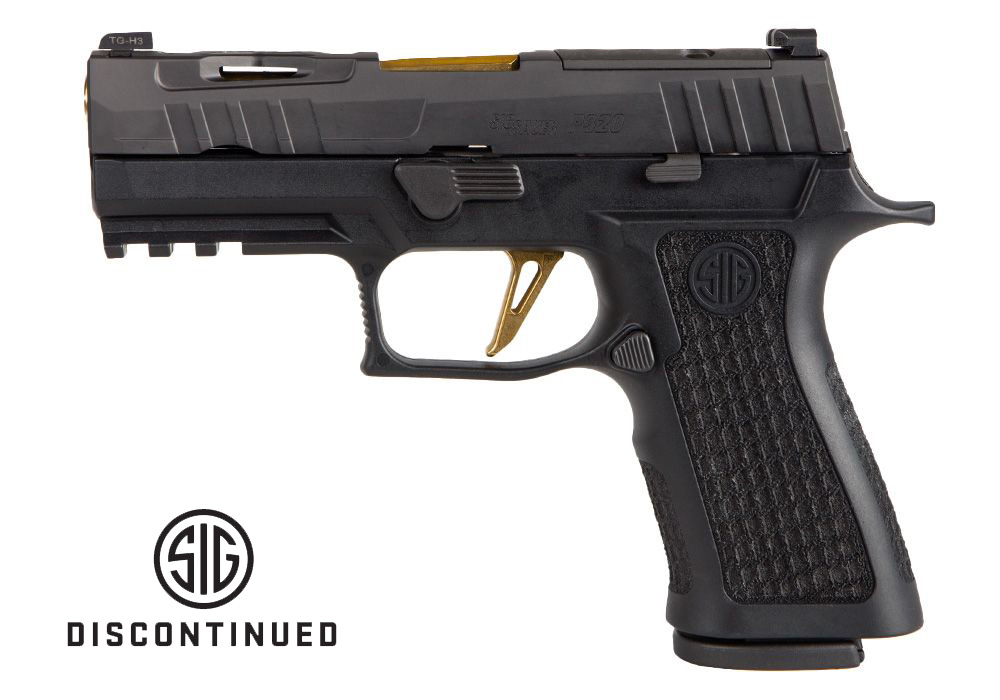
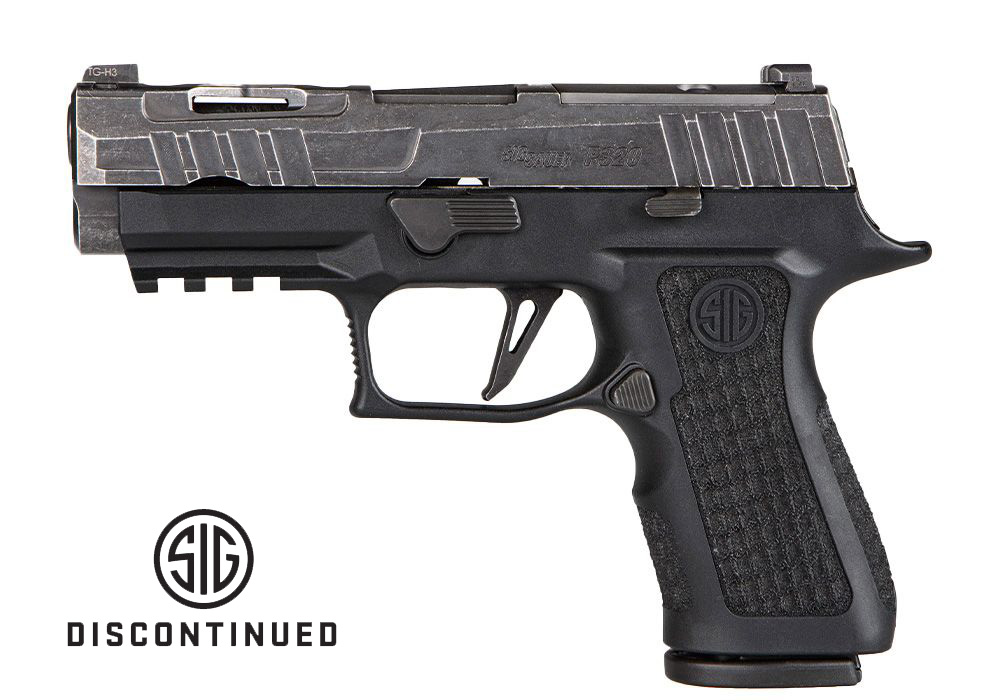
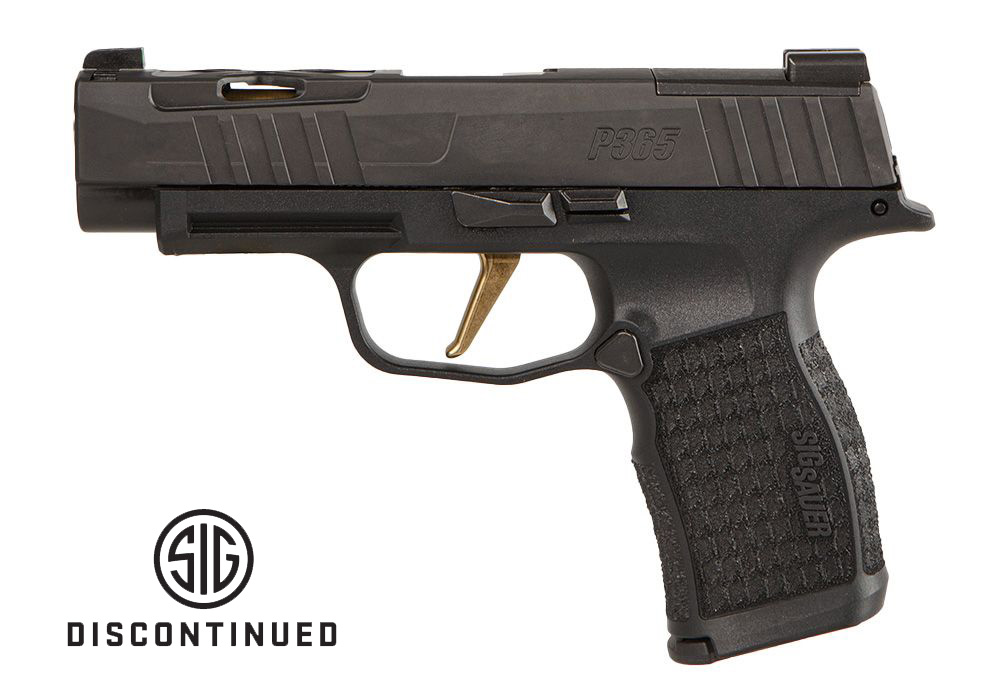
Granulate texture grips are designed for shooters who prioritize a firm, deliberate connection between the hand and firearm. Their surface uses a pronounced, sandpaper-like pattern that can feel similar to coarse grip tape, creating substantial traction across the palm and fingers. That aggressive texture helps reduce hand movement when the firearm is fired quickly, when the shooter is wearing gloves, or when perspiration, rain, or other moisture makes a smoother grip harder to manage. Instead of relying on a polished or lightly stippled surface, granulate texture grips provide a more locked-in feel that can help the shooter maintain consistent hand placement from one shot to the next. This makes them a popular consideration for range use, competition practice, open carry, training sessions, and other situations where control and repeatable handling are central priorities. They can also be useful for shooters whose hands tend to shift during recoil or who prefer a pronounced tactile reference point along the grip frame. A grip texture should complement the way a firearm is held, not simply feel abrasive for its own sake. Some shooters appreciate the confidence that comes from a coarse surface immediately engaging the skin, while others prefer a more moderate texture for extended sessions. Spending time comparing texture descriptions, photographs, and fitment information can help narrow the selection before purchase. Shooters exploring options for a compatible platform may also find it useful to review P320 Grip Textures when evaluating how different surface patterns may affect handling and comfort.
Compatibility is one of the most important considerations when choosing granulate texture grips. Grip accessories are often cut or molded for a particular firearm model, frame size, and configuration, and even small differences in controls, contours, or grip geometry can affect how cleanly an accessory fits. Before ordering, confirm the exact model, generation, frame size, and any relevant configuration details listed by the manufacturer. A properly fitted grip should align with the contours of the frame without covering controls, interfering with magazines, obstructing openings, or creating raised edges that catch on equipment. Some options are pre-cut for a specific model and are intended to follow the factory profile, while universal sheets or cut-to-fit materials may provide more flexibility for experienced users. Installation typically benefits from a clean, dry surface, careful alignment, and patience around curves and recessed areas. Rushing the first placement can lead to wrinkles, lifted corners, or uneven coverage, particularly where the grip narrows near the trigger guard or magazine well. It is also worth considering how the texture interacts with other equipment. A very coarse surface can offer excellent traction against bare hands or gloves, but it may rub against clothing, belts, holsters, or other carry gear. For that reason, granulate texture grips are often especially appealing for range and competition applications, where maximum purchase and fast recovery between shots matter more than a smooth draw from concealment. Shooters who carry concealed, especially inside the waistband or in an appendix position, should carefully weigh whether an abrasive texture may press against the body, snag fabric, or create discomfort during extended wear. A less aggressive texture may be a better fit for daily concealed carry, while a granulate option can remain dedicated to training or competition use.
These grips can suit a wide range of experience levels, from a new owner learning consistent hand placement to an experienced competitor refining control during rapid strings of fire. They are also a practical gift consideration for a recreational shooter, competitive participant, range regular, or firearm owner who spends time practicing in changing conditions. Because grip preference is personal, a gift recipient may appreciate an accessory that matches a known firearm model and intended use rather than a generic option selected without checking compatibility. During the cooler months, gloves can further change the way a grip feels in the hand, so shooters who train outdoors may want to consider whether the texture remains comfortable and secure with their preferred shooting gloves. The same applies during warmer weather or strenuous practice, when perspiration can make a smooth grip feel less dependable. After installation, inspect the edges and surface periodically for lifting, trapped debris, or wear, and replace the accessory if it no longer remains securely attached or begins interfering with normal handling. As with any firearm accessory, follow applicable laws, manufacturer instructions, and safe handling practices, and verify that the firearm is unloaded before installation, adjustment, or inspection. Granulate texture grips are best selected with a clear understanding of the balance between traction and comfort: the coarser the surface, the more firmly it may anchor the hand, but the more noticeable it may be against skin, clothing, and carry equipment. By matching the texture, fit, and intended use to the shooter’s routine, these grips can provide a durable, tactile contact surface that supports steady handling at the range, during practice, and in demanding shooting environments.