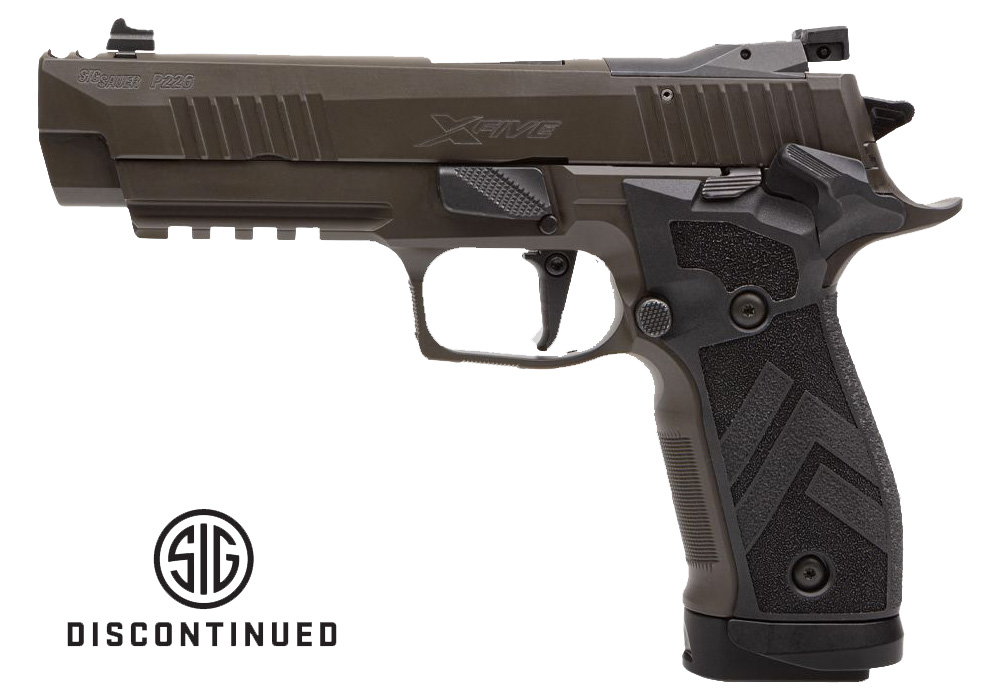
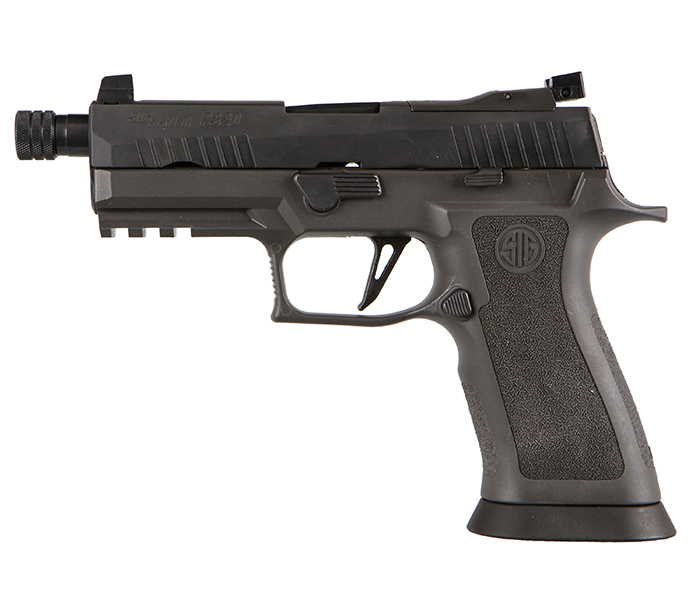
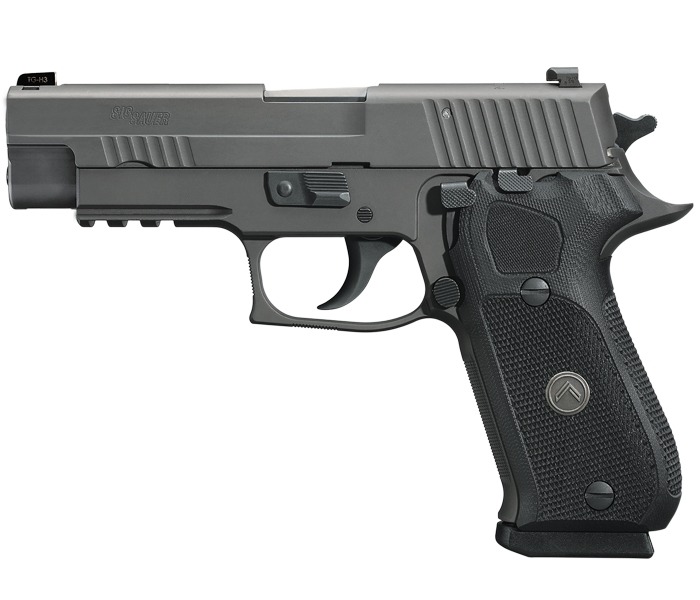
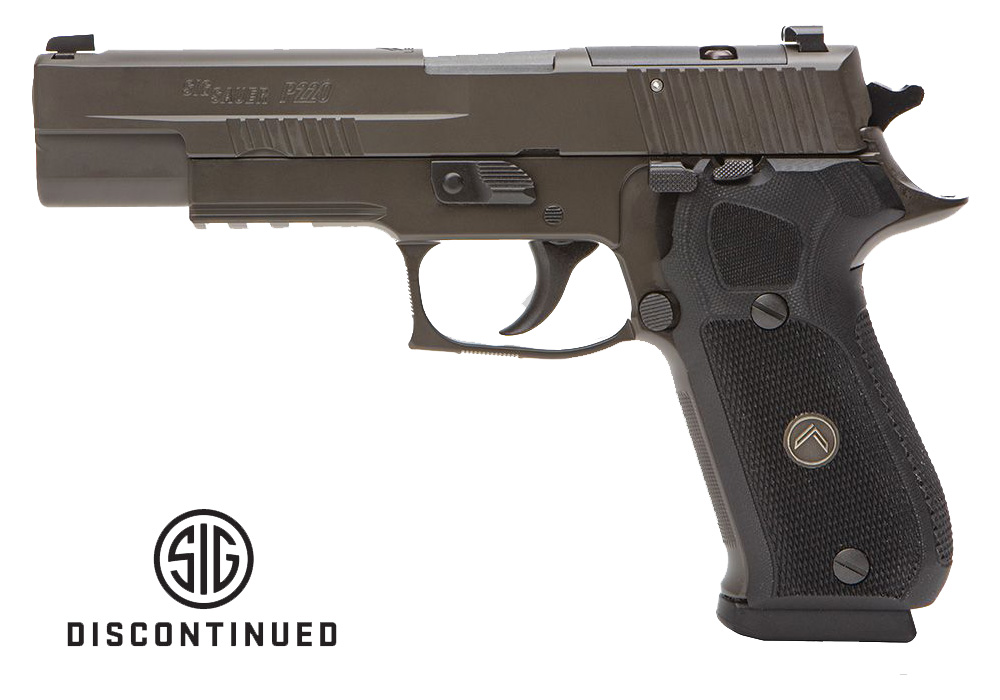
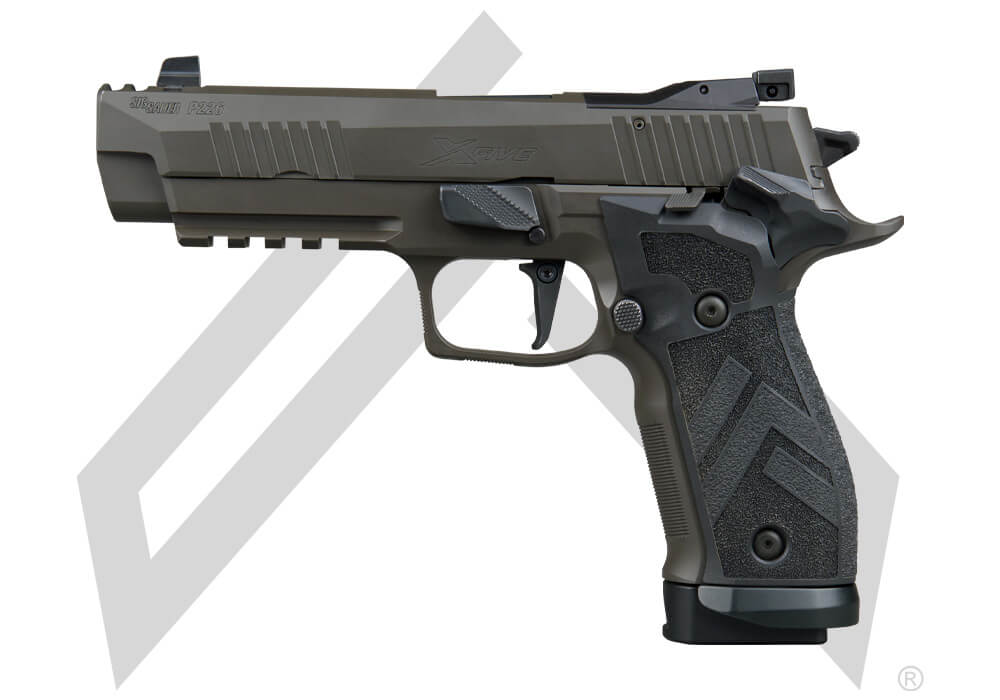
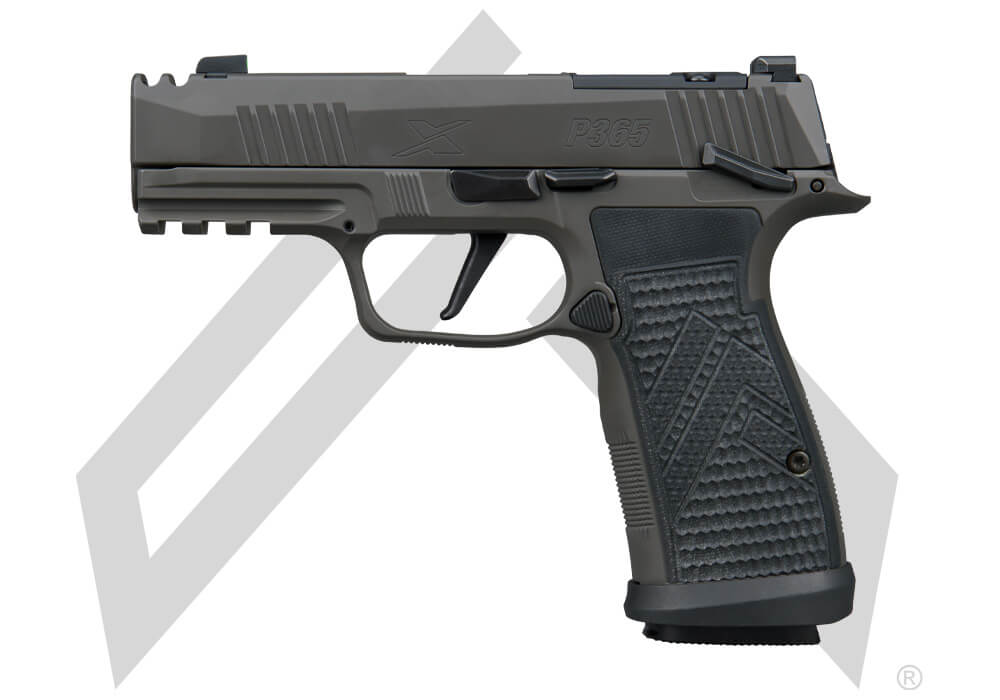
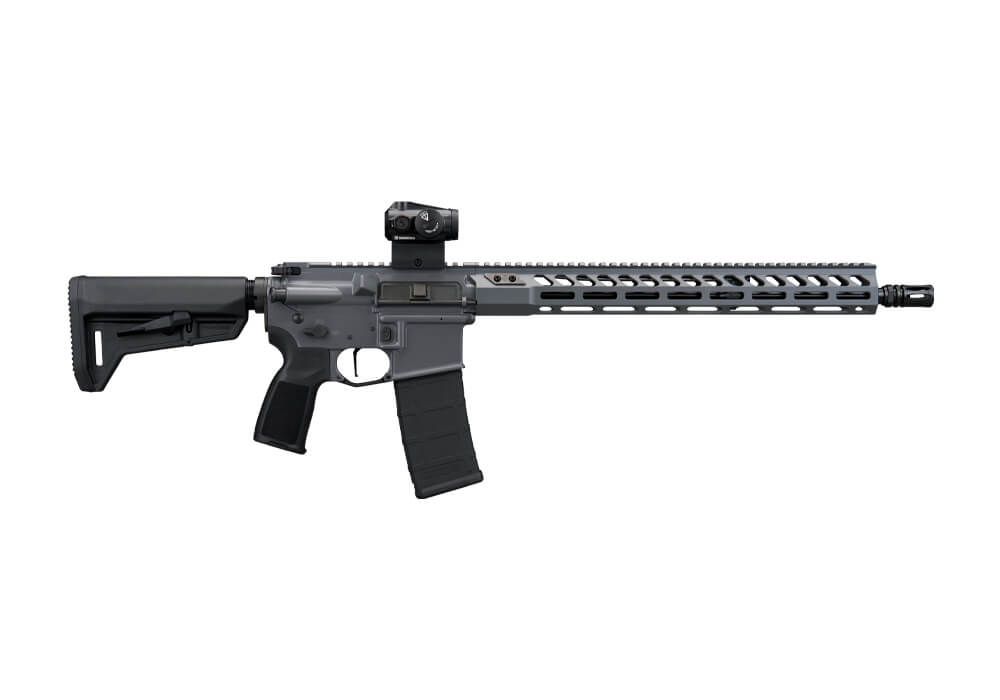
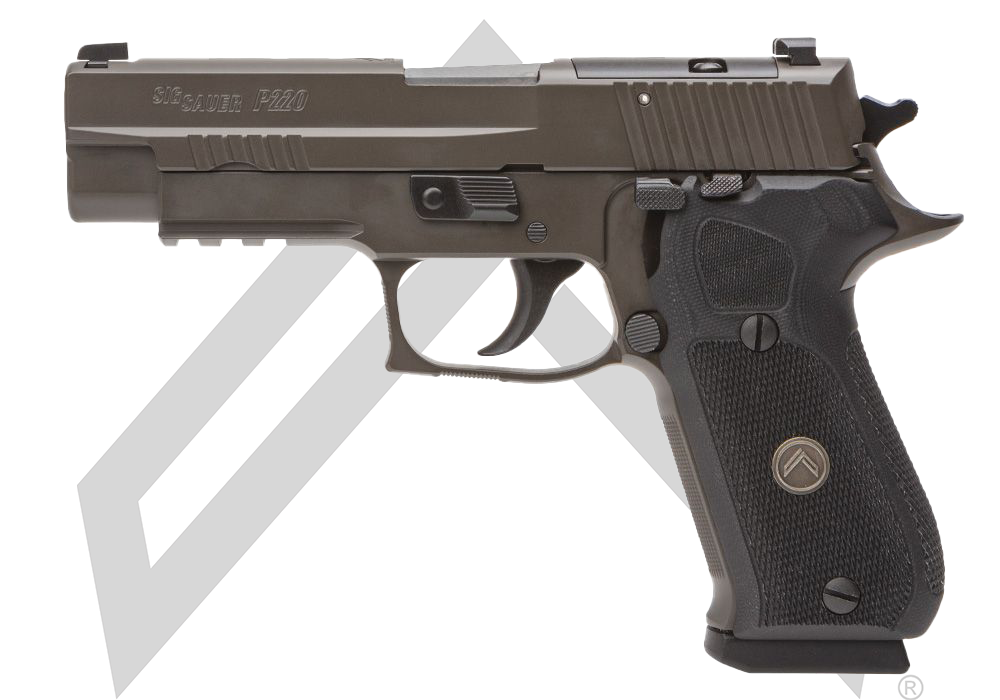
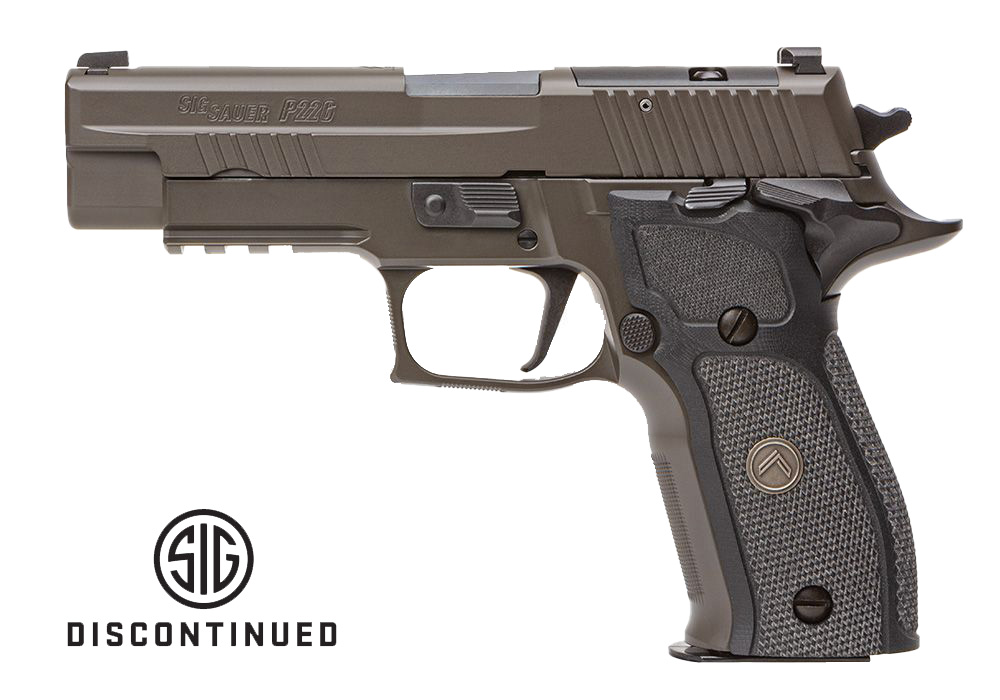
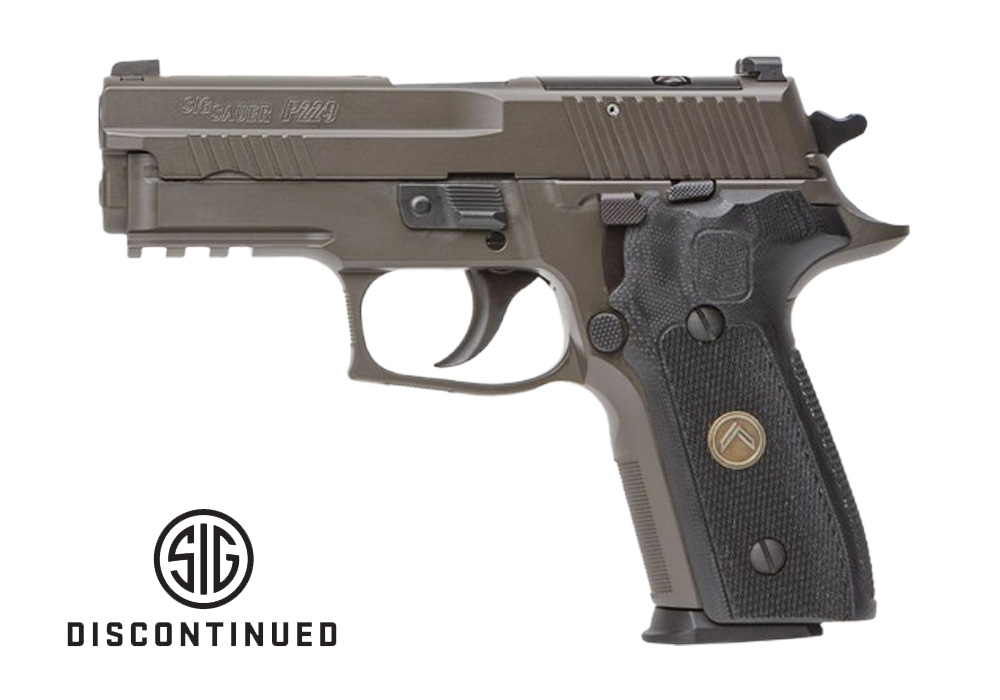
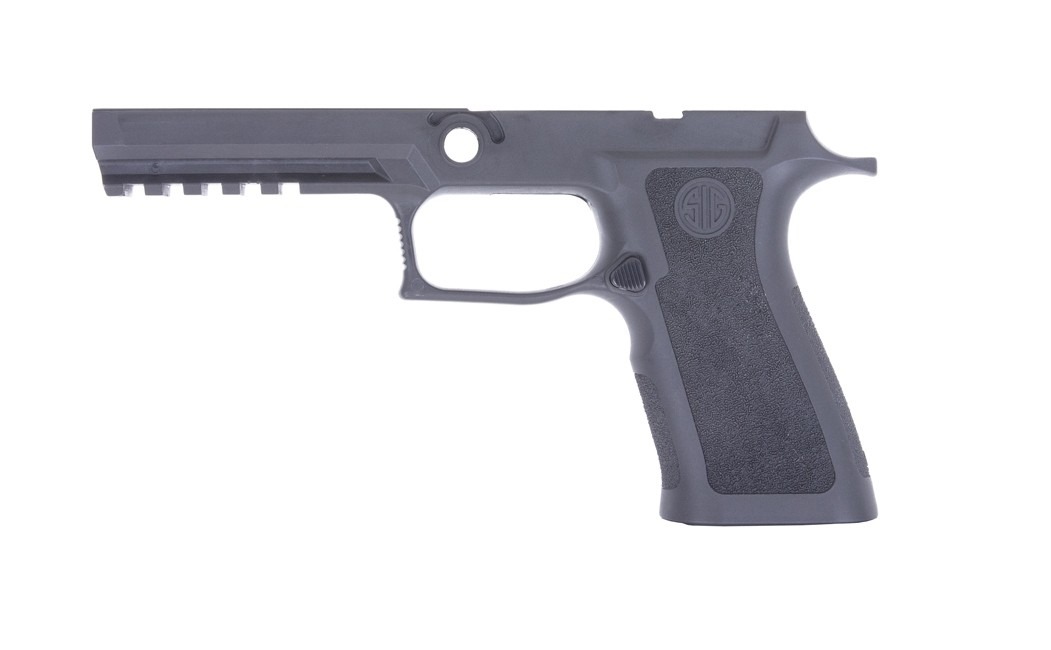
Gray coating firearms combine a distinctive neutral appearance with surface finishes that can help protect the underlying metal from corrosion and everyday wear. The color itself does not determine protection: coating chemistry, surface preparation, application quality, and the firearm’s base materials all influence performance. A light gray slide, a charcoal receiver, and a muted graphite barrel may look related while using entirely different finishing processes. Ceramic-polymer coatings typically form a thin protective layer over a prepared surface and can offer resistance to abrasion, perspiration, and certain cleaning chemicals. Phosphate finishes, often called parkerizing, create a textured conversion layer on suitable steel surfaces that retains protective oil; their appearance can range from gray to nearly black. Nitriding is different from an applied coating because it changes the surface of suitable metals through a controlled treatment rather than simply adding a colored layer. It can improve surface hardness and wear resistance, though its appearance is generally dark gray or black and depends on the process. Aluminum components may use anodizing, which creates an oxide layer that can be colored, while polymer components may have gray pigment throughout the material rather than a separate exterior coating. These distinctions matter when comparing gray-finished firearms because matching colors do not necessarily mean matching care requirements or durability. Matte and lightly textured surfaces tend to diffuse light more than polished surfaces, creating a subdued appearance without guaranteeing that every gray finish is nonreflective. Likewise, claims about reduced friction or smoother cycling should relate to the specific treatment and firearm design, not to gray coloring alone. For someone who prefers an understated look, gray offers contrast against black controls, textured grips, and darker sight assemblies without the brightness of a polished metal finish. The most useful product descriptions identify the finish type, the components receiving that finish, and the materials beneath it, allowing appearance and protective properties to be considered separately.
Choosing a gray-coated firearm still begins with the qualities that determine how comfortably and appropriately it serves its intended purpose. For a handgun, grip dimensions, texture, control placement, overall weight, and sight visibility generally matter more than the shade of the slide. A grip that feels comfortable during a brief inspection may feel different over an extended target session, especially where pronounced texture meets the palm or where a control requires an awkward change in hand position. For a shoulder-fired firearm, stock fit, balance, and the relationship between the sights and the shooter’s natural head position deserve similar attention. An unloaded fit assessment in an appropriate retail setting can help clarify those differences without treating exterior color as a substitute for handling characteristics. Gray finishes can appeal to recreational target shooters, collectors who appreciate coordinated materials, and experienced owners seeking a restrained appearance for lawful personal protection. Those focusing on handguns can explore Gray Tactical Pistols while keeping the same emphasis on fit, intended use, and documented specifications. The practical details often become apparent in familiar situations: a textured frame that remains comfortable through repeated practice, controls that are easy to distinguish against a contrasting finish, or sights that remain visually clear above a pale gray slide. A coating cannot correct an unsuitable grip size, change the firearm’s underlying operating system, or establish compatibility with accessories. Holsters, cases, magazines, sights, and other accessories need to match the firearm’s specified dimensions and configuration rather than its finish color. Close-fitting holsters also contact particular edges and corners repeatedly, which makes those areas useful indicators of ordinary surface wear. Coating thickness is another consideration around fitted surfaces and mechanical interfaces, but factory specifications and manufacturer-approved service should govern those details. A firearm with a professionally applied finish should retain its intended clearances and function; matching an accessory’s gray tone is secondary to confirming that it fits and works as specified.
Long-term satisfaction with gray coating firearms depends on realistic expectations about wear and consistent, finish-appropriate care. No protective surface eliminates the need for maintenance, and corrosion resistance is not the same as immunity to corrosion. Perspiration left around controls, residue along slide edges, or moisture trapped inside a storage case can affect exposed metal and vulnerable areas even when the broader exterior remains protected. Stainless steel can also stain or corrode under some conditions, so its presence beneath a finish does not remove the need for routine inspection. Cleaning products should be compatible with both the coating and the firearm’s other materials, including polymer, rubber, and any optical components. Aggressive solvents, abrasive pads, and unnecessary scrubbing can alter sheen, lighten edges, or damage a surface that otherwise would have remained serviceable. The manufacturer’s instructions are the best reference for approved cleaners, lubrication points, and maintenance intervals; a phosphate-treated steel surface may require a different approach from a ceramic-polymer exterior. Before inspection or care, the firearm should be unloaded and handled according to established safety practices, with ammunition kept separate from the work area. After use, attention to frequently handled surfaces and concealed contact areas helps distinguish removable residue from actual finish wear. Fine marks near a holster’s contact points or along a case’s internal supports can be cosmetic, while flaking, exposed metal, or signs of corrosion warrant closer assessment by a qualified professional. Gray shades also reveal wear differently: a pale coating may show dark residue clearly, while a darker surface can make a bright metal edge more noticeable. Secure storage that limits unwanted contact, together with appropriate care, helps preserve both condition and appearance. The strongest choice is therefore not simply the most striking gray finish, but a firearm whose materials, protective treatment, fit, and maintenance requirements align with the owner’s intended use. That balance gives the subdued color lasting relevance beyond its initial visual appeal.