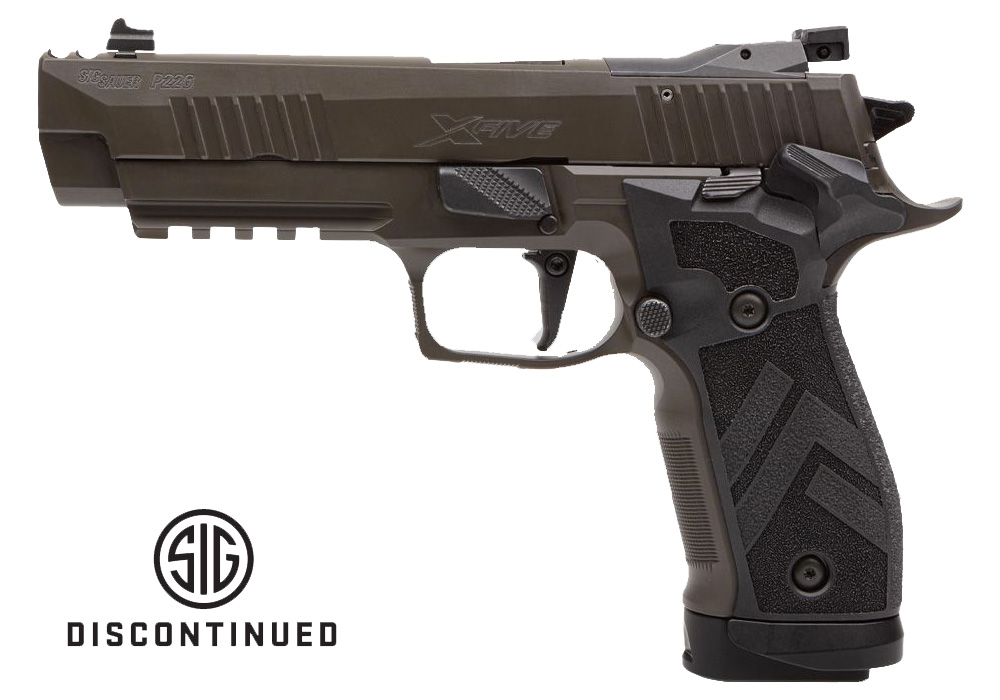
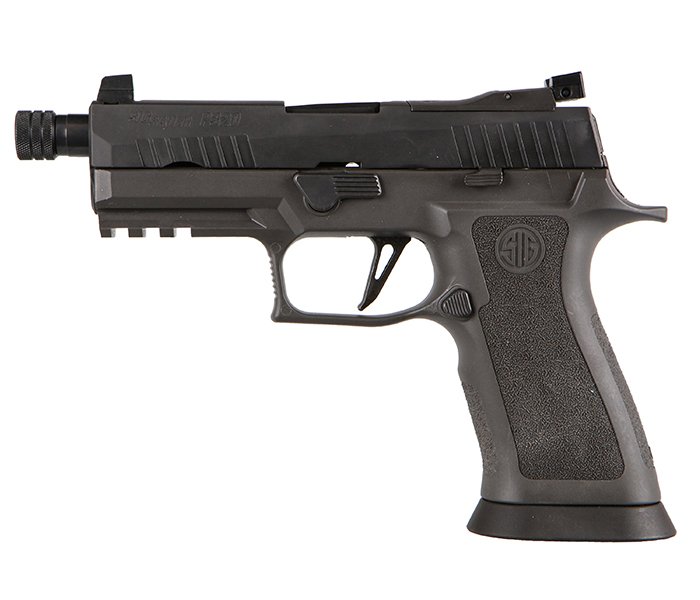
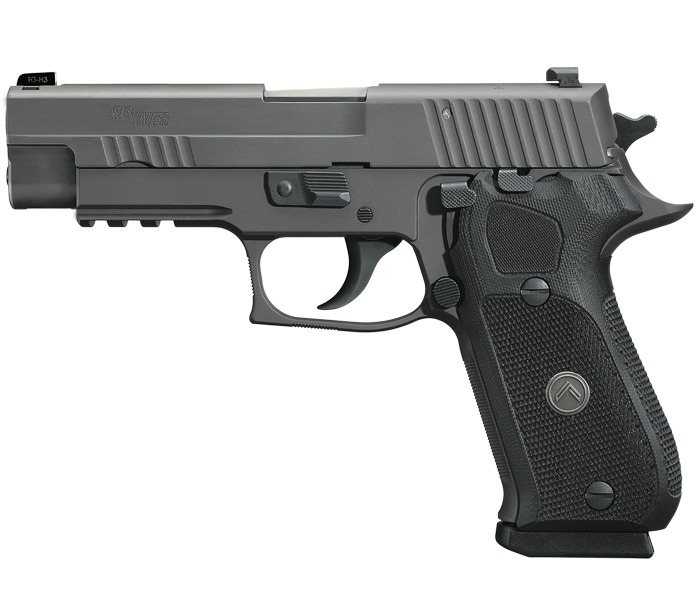
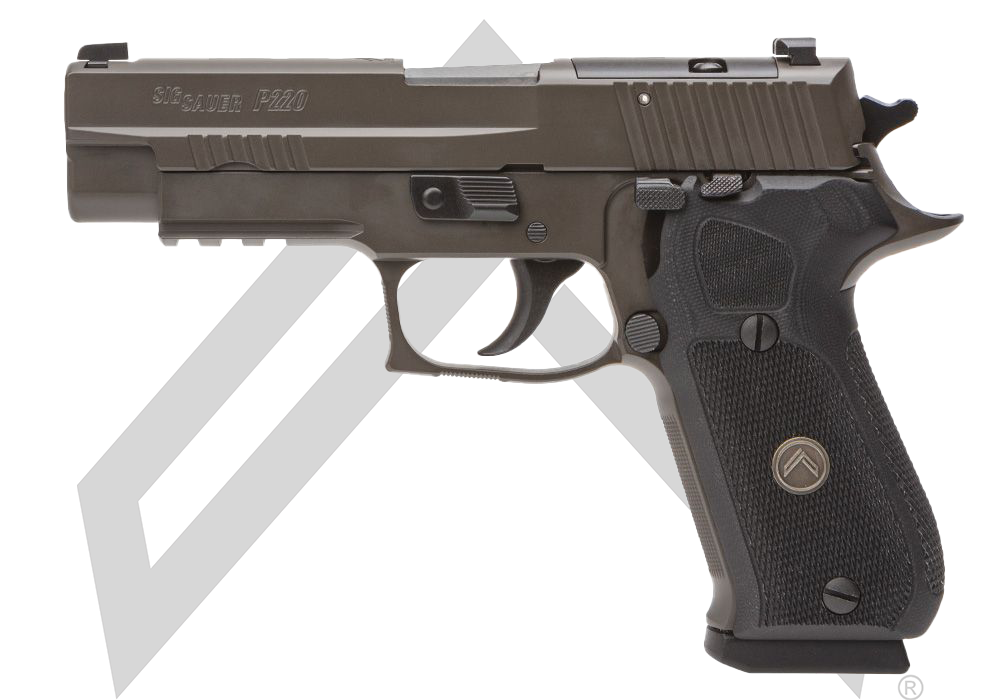
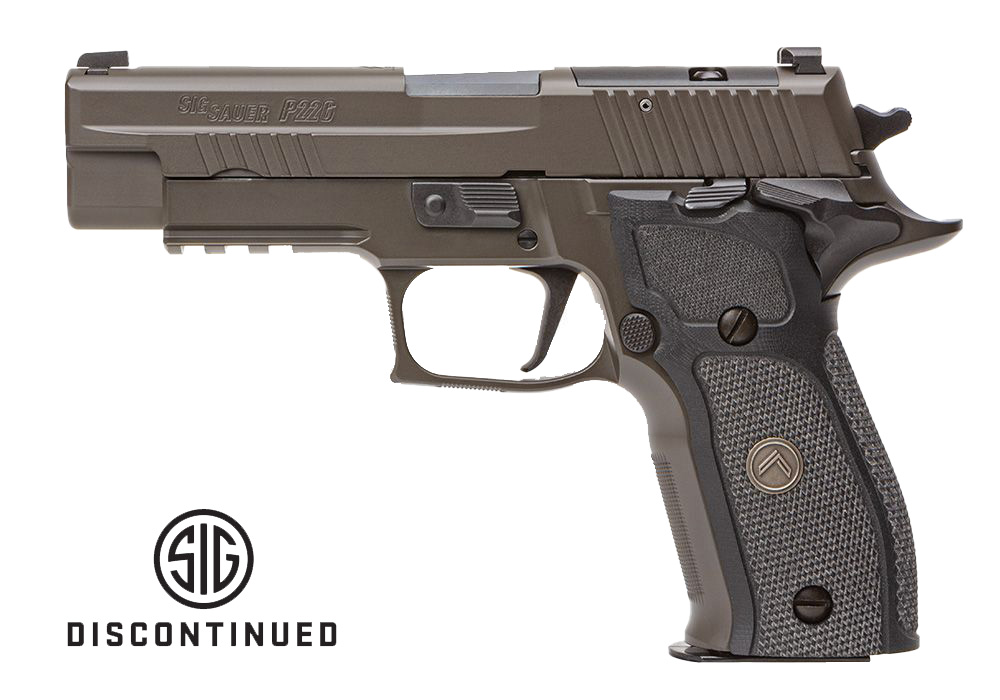
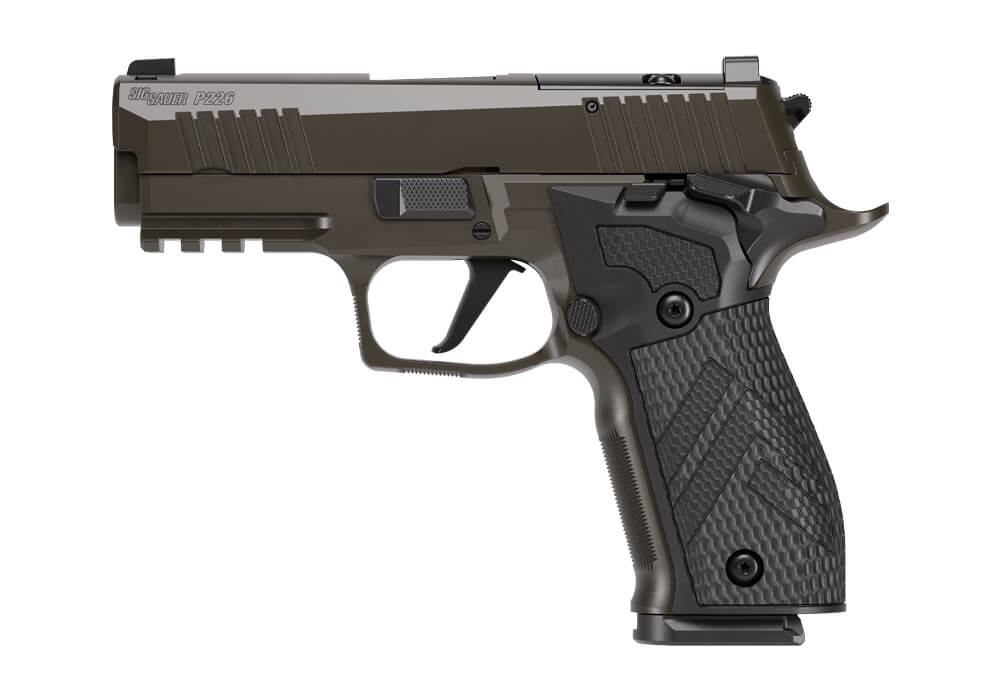
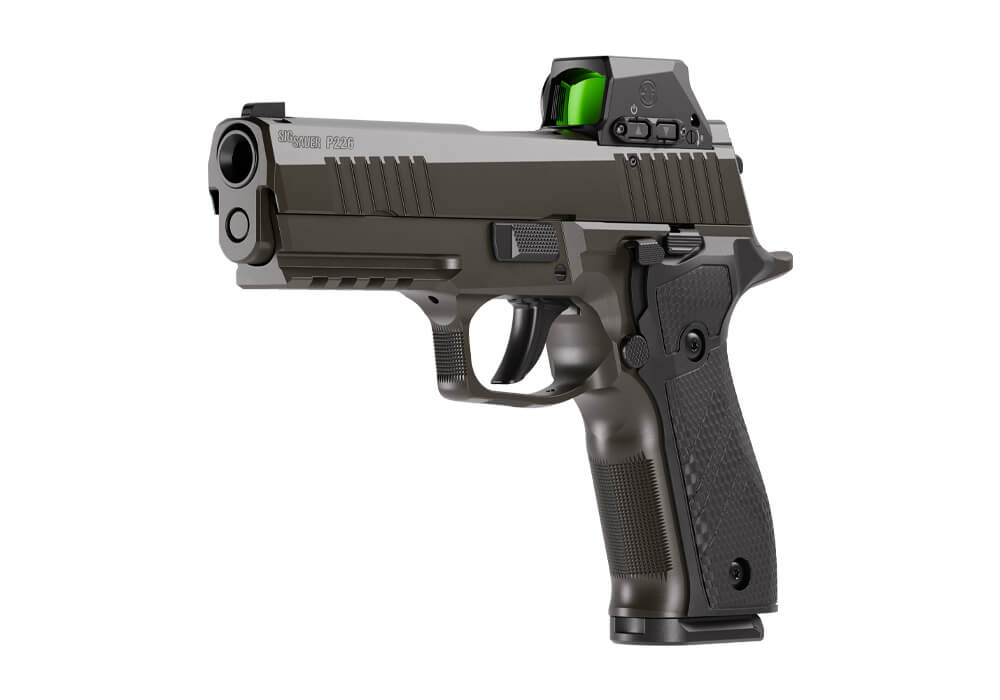
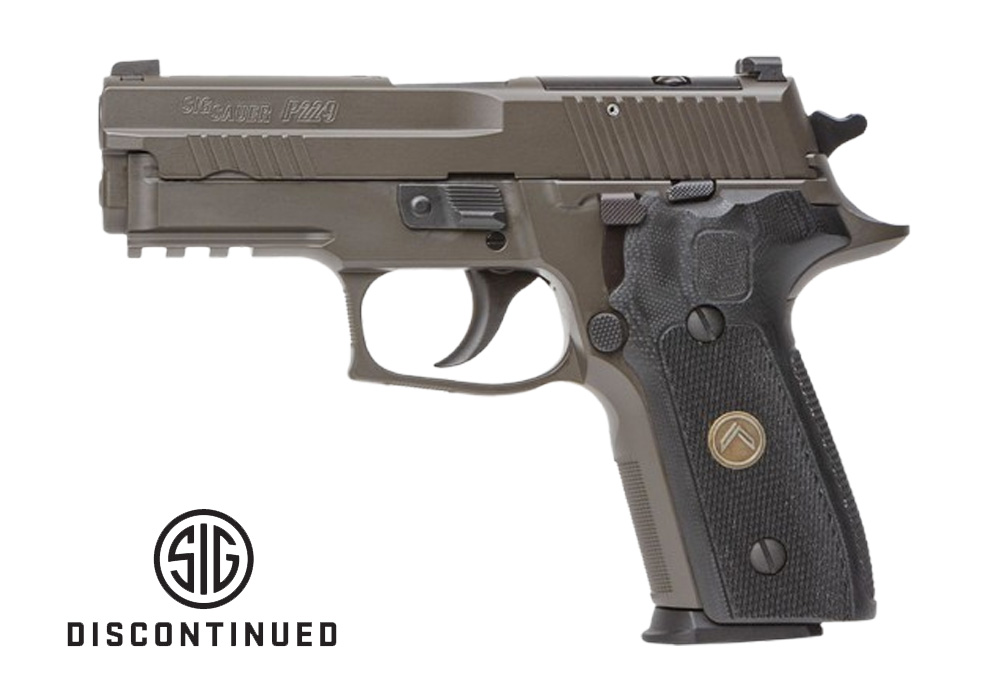
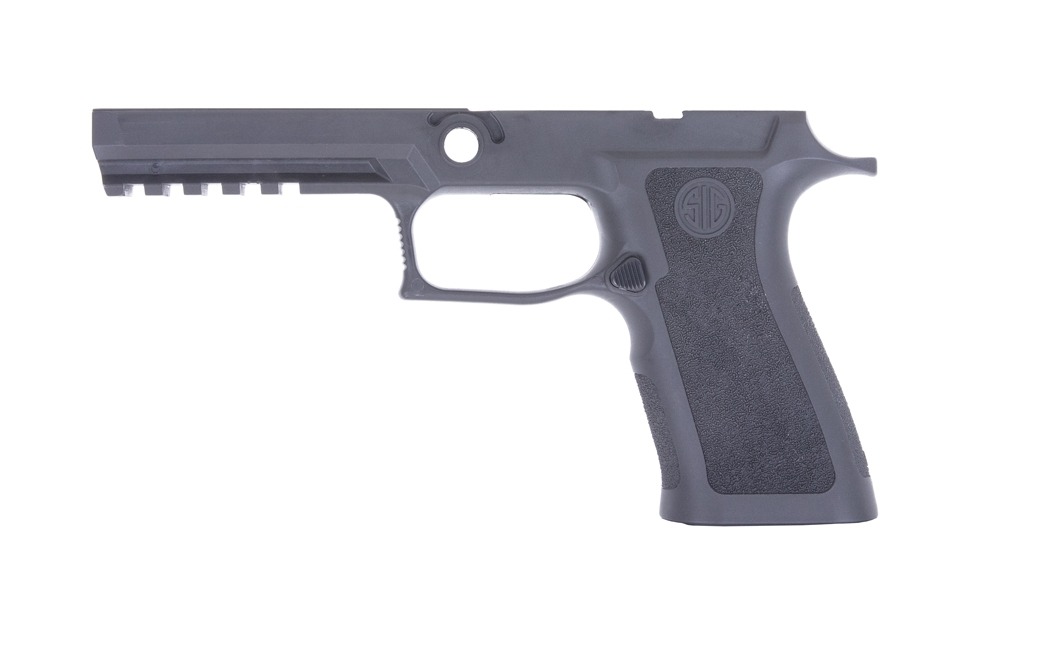
Gray tactical pistols combine a subdued neutral finish with features intended to support adaptable, confident use at the range, for personal protection, duty applications, and responsible training. The gray appearance may be described as tungsten, urban gray, battle gray, or another low-glare treatment, with shades ranging from soft charcoal to a deeper graphite tone. Beyond appearance, the finish can provide a durable exterior suited to regular handling, range use, and changing conditions, while complementing black controls, grip panels, sights, and accessory components. Shoppers comparing gray tactical pistols should begin with the fundamentals: a grip that fits the hand securely, controls that are easy to reach without shifting the firing grip, a trigger system that feels predictable, and a size that can be managed comfortably during extended practice. A full-size pistol may offer a longer sight radius and a more stable platform, while a compact configuration can be easier to carry and maneuver. Weight, bore axis, recoil characteristics, and the availability of replacement magazines are also worth considering. Standard or extended capacity magazines may be appropriate depending on the model and local regulations, but reliable operation, safe handling, and consistent training matter more than simply choosing the largest available option. For anyone researching finishes across a broader collection, the Gray Coating Firearms selection can provide useful context on the range of subdued gray exterior treatments available. A gray tactical pistol can make a thoughtful gift for an experienced shooter, a new owner beginning formal instruction, or a family member preparing for a lawful sporting or professional role, provided the transfer complies with all applicable laws and the recipient has the knowledge, maturity, and secure storage needed for responsible ownership. Firearms should never be given casually or without confirming eligibility, and local requirements can vary considerably.
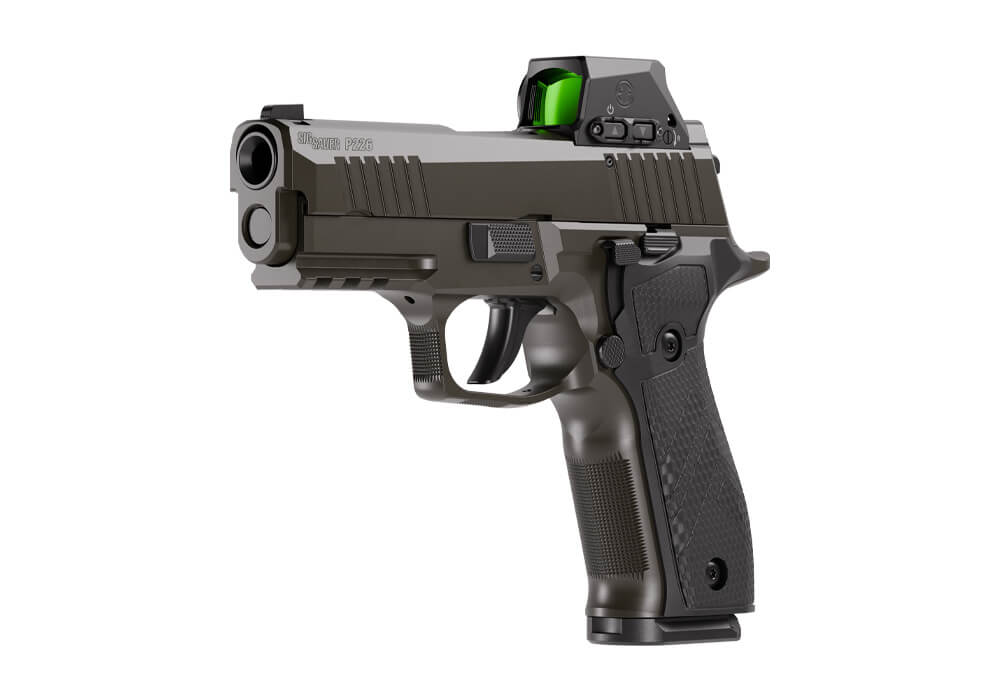
Many gray tactical pistols include an optics-ready slide, allowing a compatible micro red-dot sight to be mounted through a factory cut and the appropriate mounting plate or interface. This can offer a clear aiming reference for shooters who prefer a modern sighting system, although proper installation, zeroing, and practice are essential. Some models feature tall or suppressor-height sights that remain visible through an optic window, while others use conventional three-dot, contrast, or night-sight arrangements for a familiar sight picture in changing light. A threaded barrel may support attachment of a compatible suppressor where lawful, using the correct thread pattern and any required mounting hardware; it may also be useful for certain training or competition accessories. Buyers should confirm barrel length, thread specifications, suppressor compatibility, and applicable legal requirements before purchase. An integrated accessory rail beneath the barrel provides a mounting point for a weapon light or laser designed for that rail standard. These accessories can add capability, but they also affect balance, holster selection, battery maintenance, and safe handling. A pistol selected for home defense, for example, should be paired with a dependable light and a secure storage plan rather than treated as a substitute for preparation. A range-focused owner may place greater emphasis on an optics-ready cut, an ergonomic grip, a crisp trigger, and easy-to-read sights. A professional user may need compatibility with an approved holster, duty equipment, training standards, and agency requirements. During the warmer months, perspiration and frequent outdoor handling make grip texture and corrosion-conscious care especially important; during cooler months, gloves, heavier clothing, and reduced dexterity can change how a pistol feels in the hand. These practical details are often more revealing than a product photograph, so handling an unloaded, safely cleared firearm under qualified supervision can help confirm fit before making a decision.
The best gray tactical pistol is one that supports the owner’s complete system: the firearm, magazines, sights or optic, light, holster, ammunition, training routine, and storage method should all work together. Before purchasing, verify the frame and slide materials, finish type, barrel length, overall dimensions, unloaded weight, magazine configuration, safety controls, and the manufacturer’s recommended maintenance procedures. It is wise to budget for a quality locking container or quick-access safe, eye and ear protection, a secure holster that fully covers the trigger guard, and professional instruction from a qualified firearms trainer. New owners can benefit from learning the basic safety rules, practicing a consistent loading and unloading procedure, and building familiarity with the controls using inert training aids under appropriate supervision. Experienced shooters may appreciate the way a gray finish sets a refined, understated tone while allowing performance-oriented features to remain the focus. Regular inspection should include checking the condition of magazines, sights, optic fasteners, threaded-barrel protectors, and rail-mounted accessories, with cleaning and lubrication performed according to the owner’s manual. Ammunition should be selected for the specific chambering and intended purpose, stored securely, and kept separate from unauthorized access. Whether chosen for organized range sessions, lawful carry where permitted, professional use, or a carefully considered gift, gray tactical pistols bring together distinctive styling and configurable features in a platform that rewards deliberate selection, responsible ownership, and continued practice.