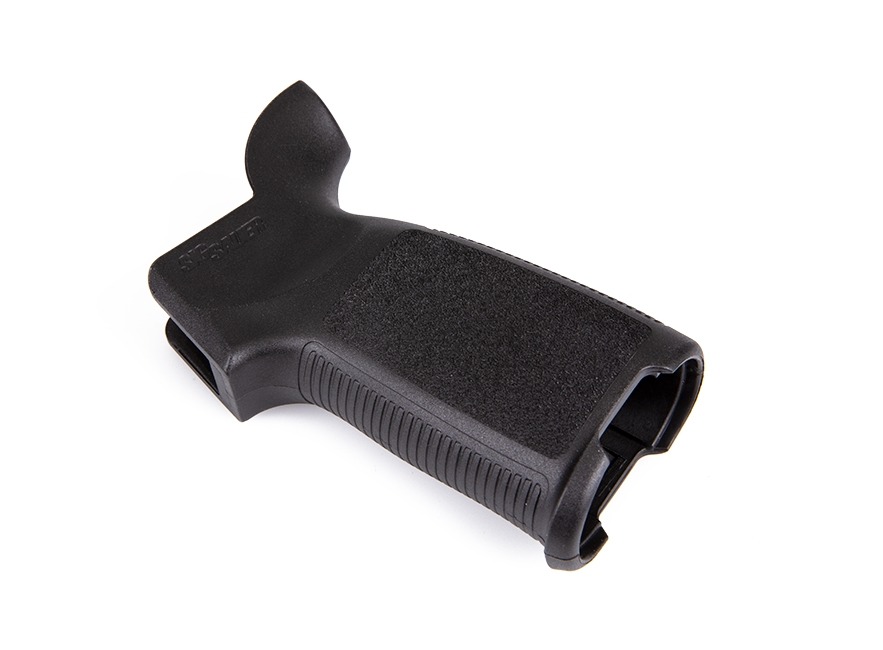
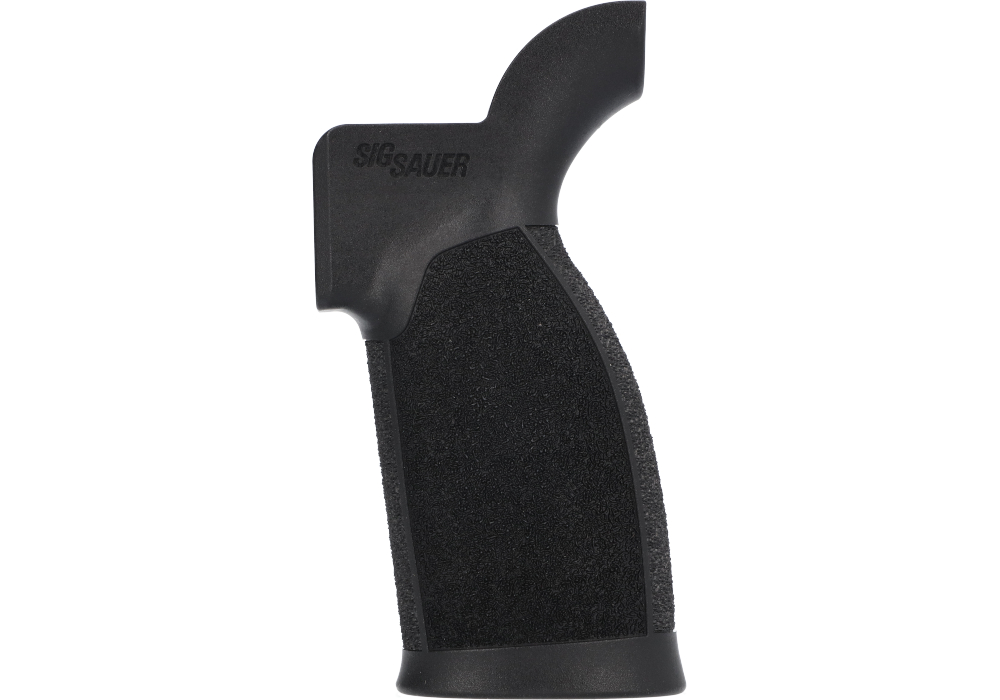
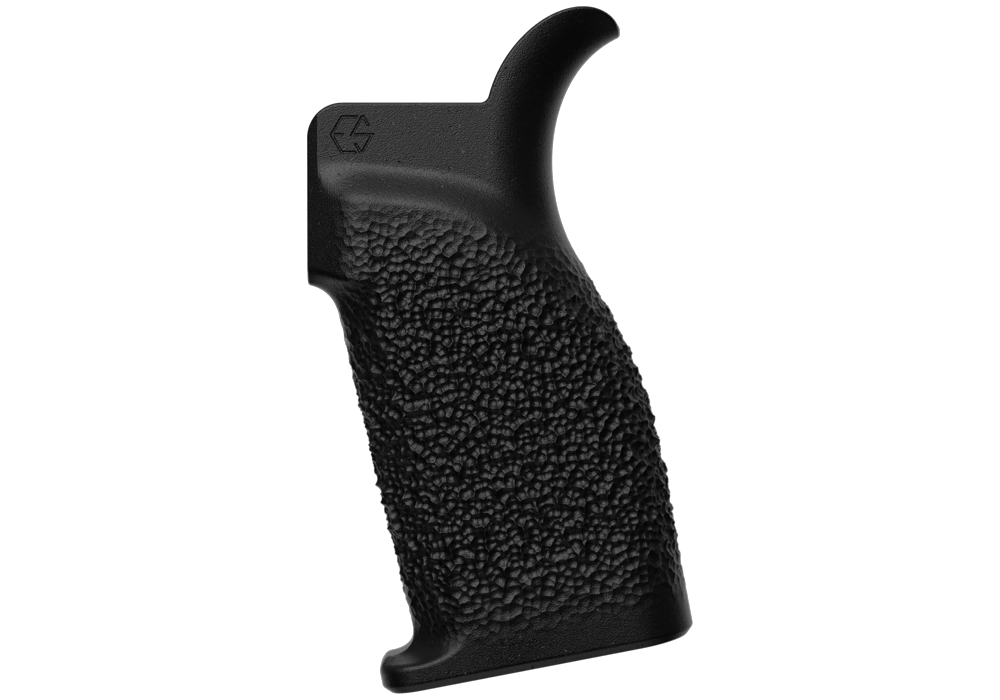
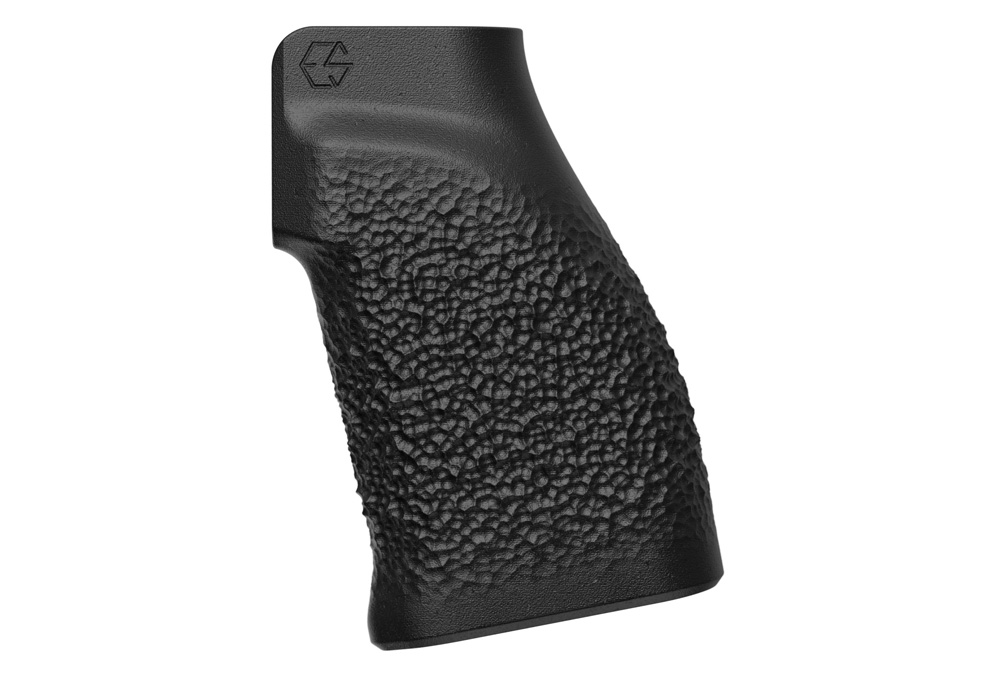
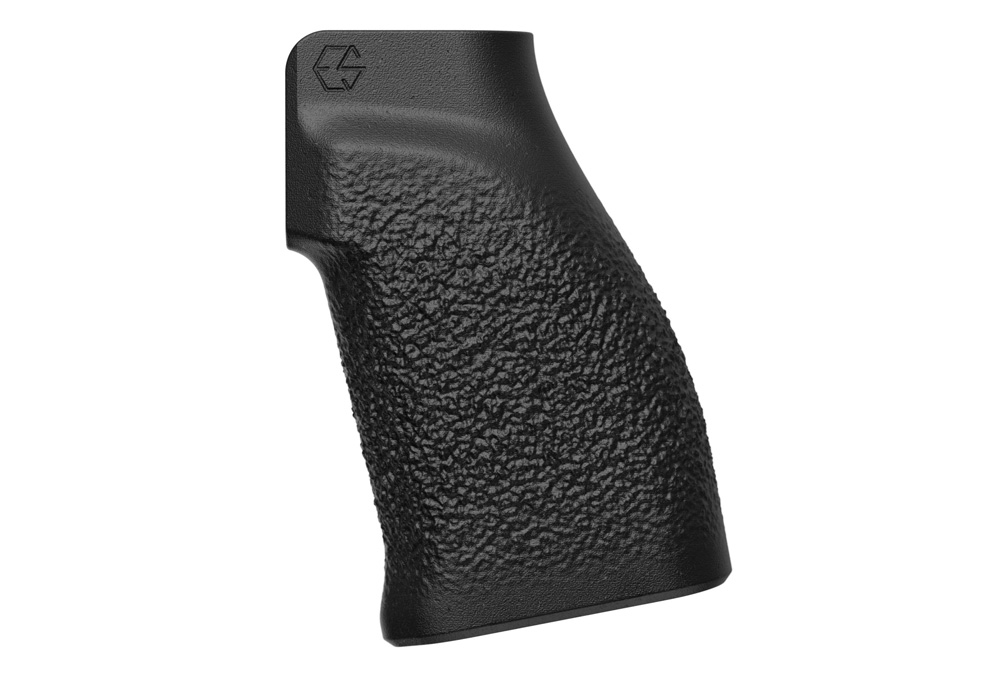
Gun handles are the parts of a firearm that provide a handhold, though the term covers several distinct categories. On a handgun, the handle is generally called the grip, and it may consist of removable grip panels, an integrated frame surface, or a compatible grip module. On a long gun, a pistol grip or the wrist of a stock provides the firing-hand contact point, while a foregrip provides a separate hold for the support hand. Charging handles serve a different purpose: they are operating controls rather than surfaces intended for a continuous shooting grip. Understanding these distinctions helps narrow a selection to the part that matches the firearm and its intended use. For most grip purchases, fit starts with the exact firearm model and configuration, then moves to the relationship between the hand and the grip. Width, front-to-back depth, grip angle, and contour all influence how naturally the hand settles into place. A broad palm swell may feel supportive to one person and bulky to another, while a slimmer profile may suit shorter fingers without necessarily feeling right to every shooter. Finger grooves deserve the same consideration; their position needs to match the hand rather than force it into an awkward hold. Texture also affects comfort. Fine checkering, molded stippling, and rubberized surfaces offer different sensations, especially during a lengthy practice session. A grip that feels reassuring for a few seconds can become distracting after repeated handling if its edges or texture press into sensitive areas. For lawful everyday carry, contact with clothing and the body adds another consideration. For recreational target shooting, comfort over a longer session may take priority. The most useful gun grips balance secure contact with a shape that allows normal access to the firearm’s controls, without assuming that the largest, softest, or most heavily textured option is automatically the best choice.
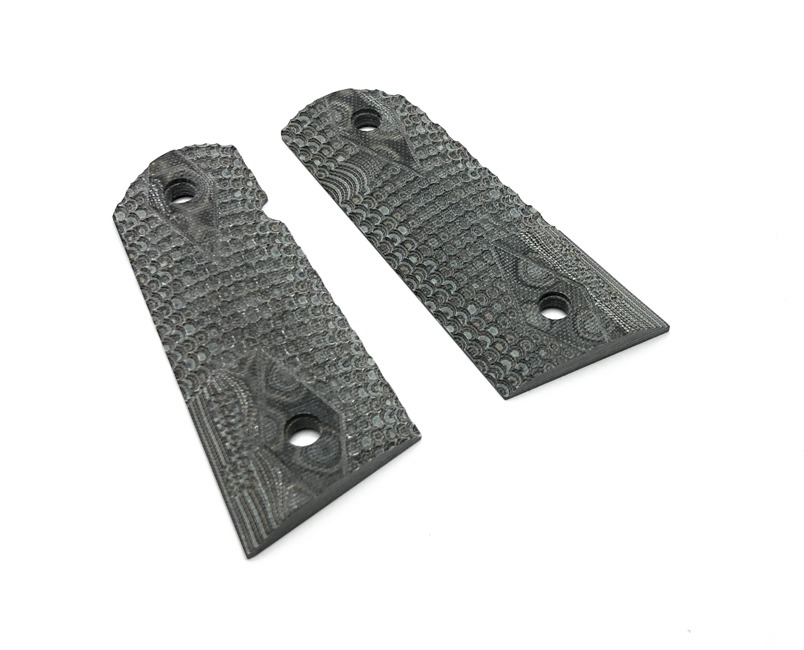
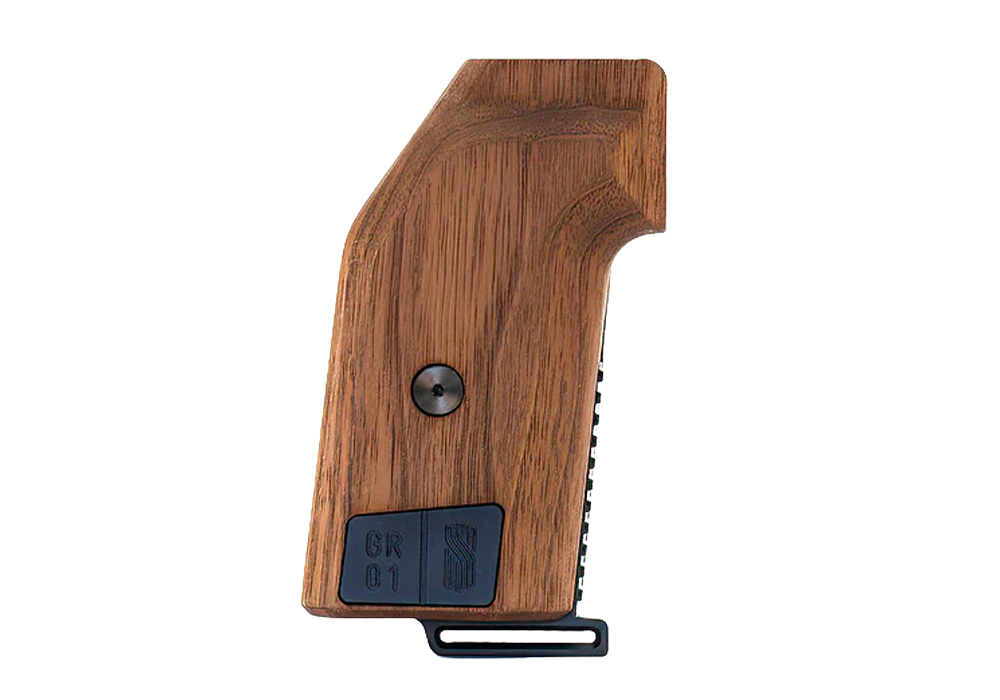
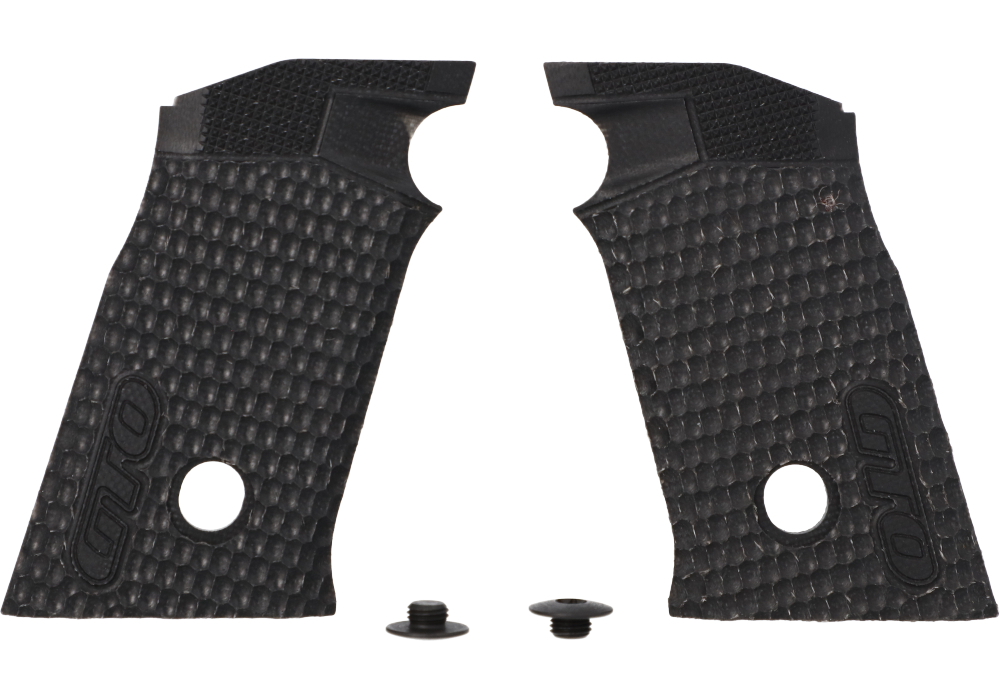
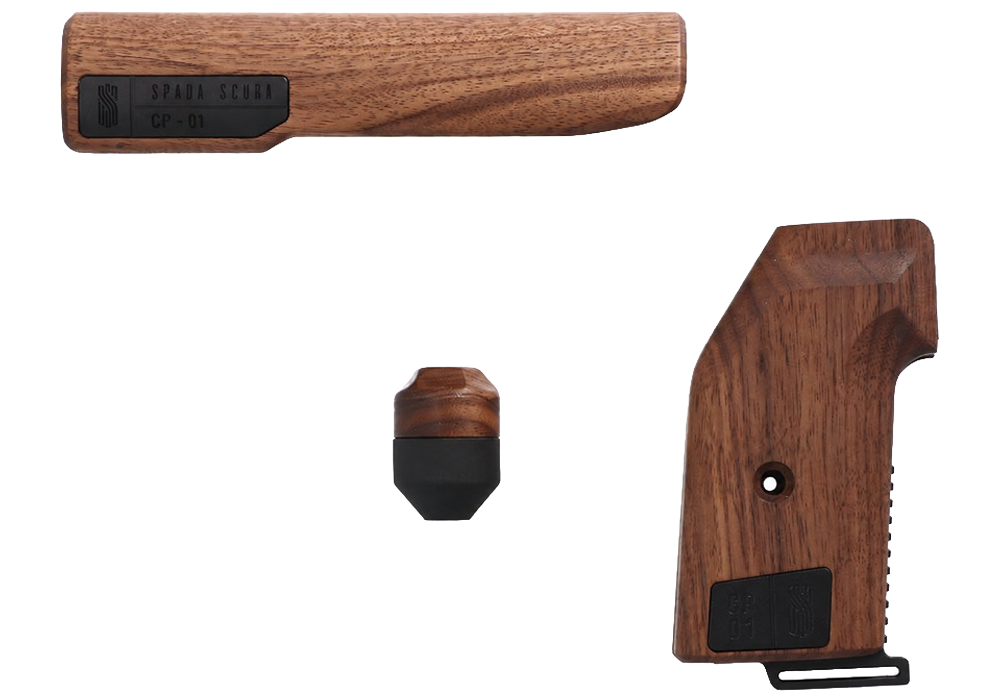
Materials give gun handles much of their character, but construction and finish matter as much as the material name. Molded polymer is common because it offers relatively low weight, design flexibility, and practical durability. Rubber can provide a cushioned feel and a tactile surface, although its softness, thickness, and response to cleaning products vary by formulation. G10, a fiberglass-and-resin laminate, is often used for rigid grip panels with precisely defined surface patterns. Its texture can range from fairly mild to pronounced, so the pattern deserves attention alongside the material itself. Wood offers natural grain and a distinctive feel, with differences in finish, contour, and care requirements. Metal components may provide rigidity and crisp machining, though weight and surface treatment can change how they feel in use. None of these materials eliminates the need for correct fit. Attachment points, panel dimensions, frame contours, and clearance around controls must correspond to the intended firearm. Even parts that look nearly identical can differ in ways that prevent proper seating or interfere with normal operation. Compatibility information should take precedence over appearance, and any uncertainty about installation or function belongs with a qualified gunsmith. For a replacement grip, consider what needs to change before focusing on color or pattern: an uncomfortable edge, excessive bulk, a worn surface, or a contour that does not suit the hand. That approach keeps the purchase grounded in an observable need. Surface details also affect daily ownership. Deep patterns may collect lint and residue, while smoother finishes can be easier to wipe clean. Raised edges, seams, and transitions between materials deserve close inspection because the hand will notice them repeatedly. A durable grip is not simply one that resists visible wear; it should retain its fit, remain free of damage that affects use, and continue to feel comfortable through routine handling. Cosmetic preferences can then help distinguish among otherwise suitable options without taking the place of compatibility or sound construction.
Intended use brings these considerations together. A recreational shooter who spends an afternoon at a range may appreciate a contour that stays comfortable through repeated handling, while someone selecting a grip for lawful carry may place greater emphasis on a balanced profile and texture that does not catch clothing. Sporting users may have specific preferences for surface feel, but personal preference still needs to work within the firearm’s specifications and any applicable rules. Long-gun handles introduce their own fit considerations, including the relationship between the grip, stock, and surrounding controls. Support-hand accessories also require attention to the firearm’s mounting system and legal configuration; a compatible attachment method alone does not establish that every accessory is appropriate for every firearm. Shoppers seeking an operating component rather than a replacement gripping surface can explore Gun Charging Handles, a separate category where platform compatibility and clearance are central considerations. Across all handle types, care should follow the firearm and accessory manufacturers’ instructions. Cleaning chemicals suitable for one finish may be unsuitable for another, and unnecessary soaking or abrasive scrubbing can harm certain surfaces. Routine inspection can reveal cracks, loose attachment hardware, lifting edges on grip coverings, or wear that changes how a handle feels. A firearm with a loose, damaged, or interfering component should be evaluated before further use. Evaluate fit only with the firearm unloaded and handled according to established safety practices, and leave installation questions to a qualified professional. When choosing an accessory as a gift, knowing the recipient’s exact firearm and stated preferences is more useful than guessing from its appearance. Hand size, preferred texture, and interest in a particular finish are personal details that can determine whether the accessory will be useful. Thoughtful selection comes down to a straightforward combination: the correct part for the firearm, a suitable material and shape for its role, and a level of care that supports dependable service over time.