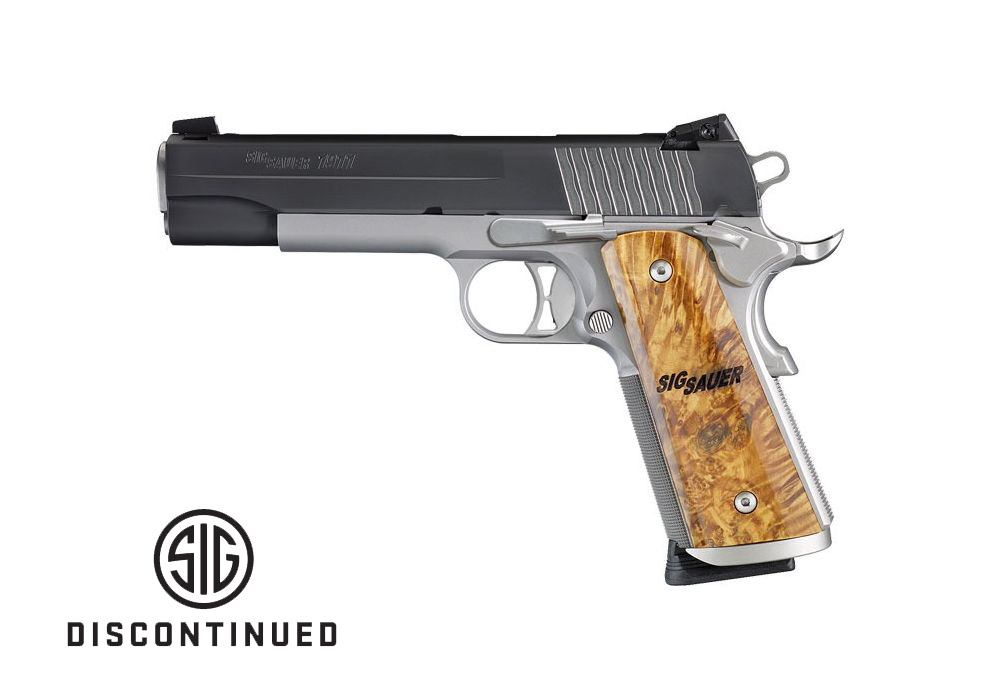
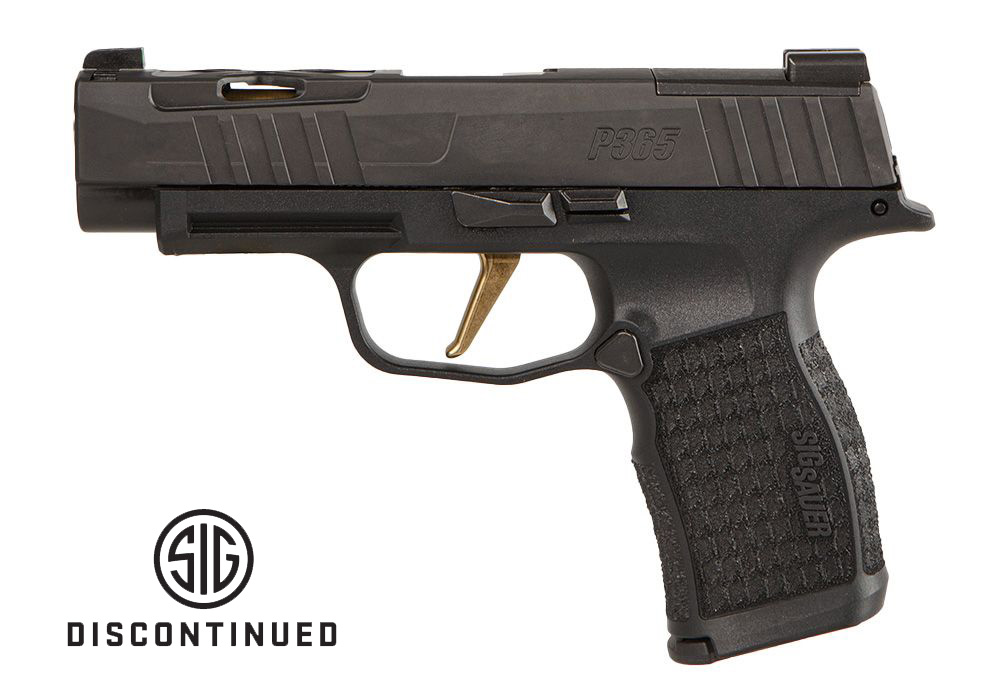
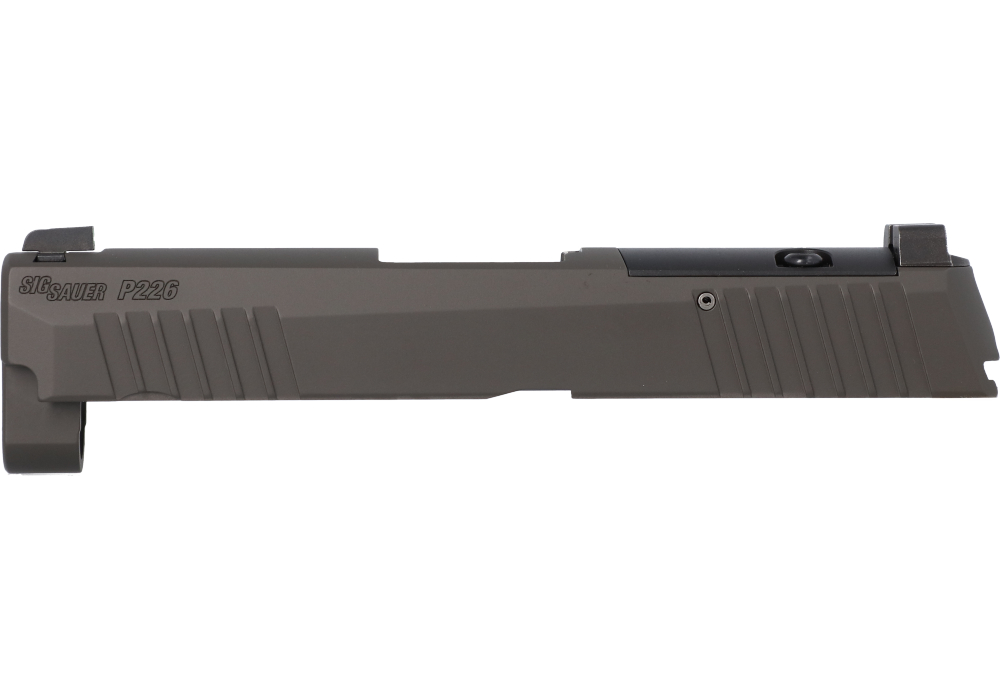
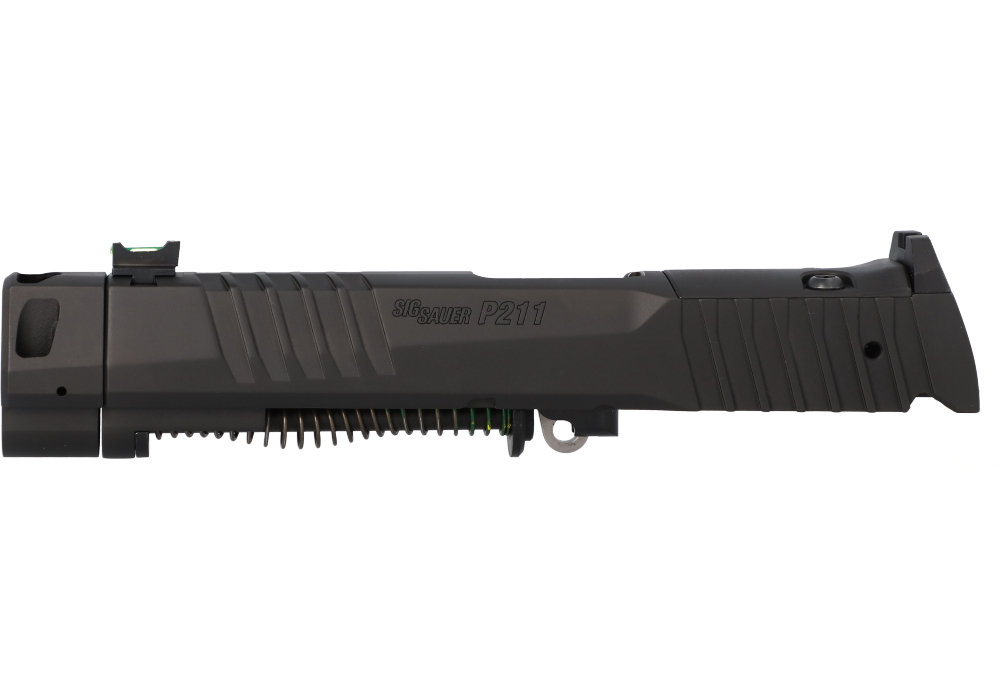
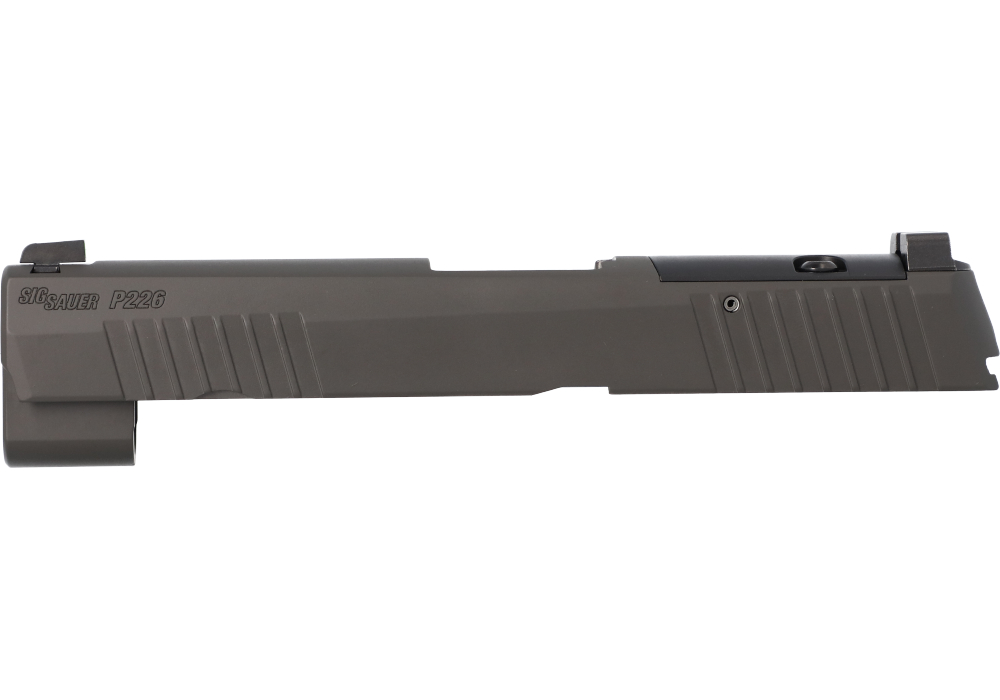
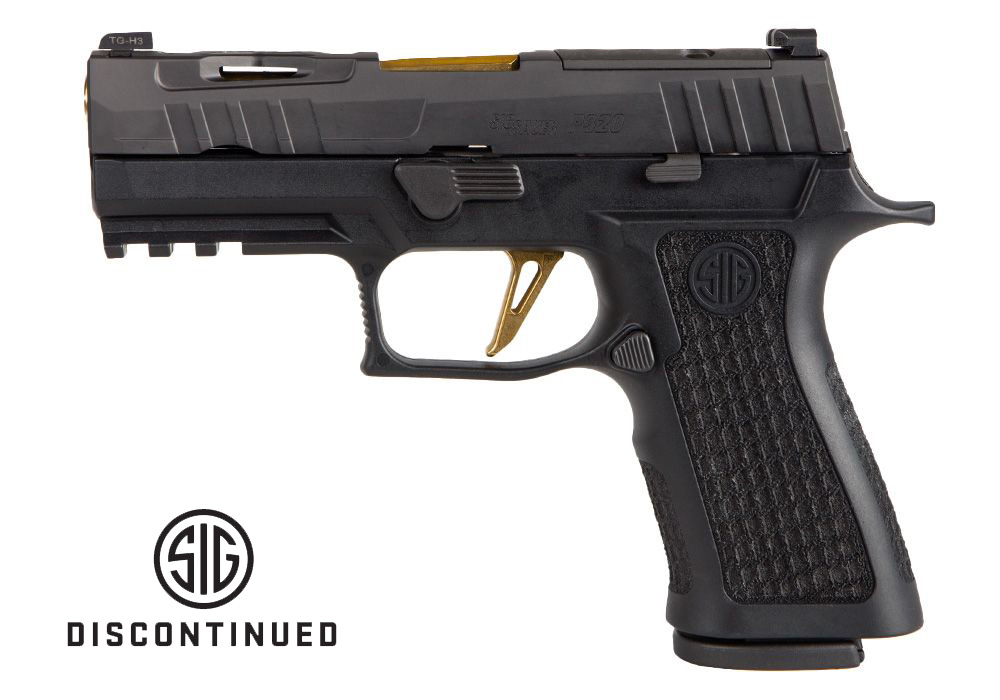
Gun slides are an important part of a semi-automatic pistol’s operating system, influencing the way a firearm handles, cycles, and accommodates sighting equipment. A replacement or upgraded slide may be considered by an experienced owner completing a custom build, refreshing a well-used pistol, or setting up a firearm for a particular range routine. Slides are available in a variety of configurations, and the right choice depends on more than appearance. Compatibility with the pistol’s frame, barrel, recoil system, magazines, and internal components should always be confirmed before purchase. Small differences in model designation, generation, caliber, or component dimensions can affect fit and function, so reviewing manufacturer specifications and consulting a qualified gunsmith are important steps. A slide may feature traditional front and rear cocking serrations, streamlined contours, a cut for a red dot optic, or a finish selected for wear resistance and easy maintenance. These details can change the way the pistol feels in the hand and how readily the slide can be manipulated during loading, unloading, inspection, or malfunction-clearing practice. For many shooters, the slide is also one of the most visible parts of a pistol, making it a natural starting point for a carefully planned setup that balances practical performance with personal preferences.
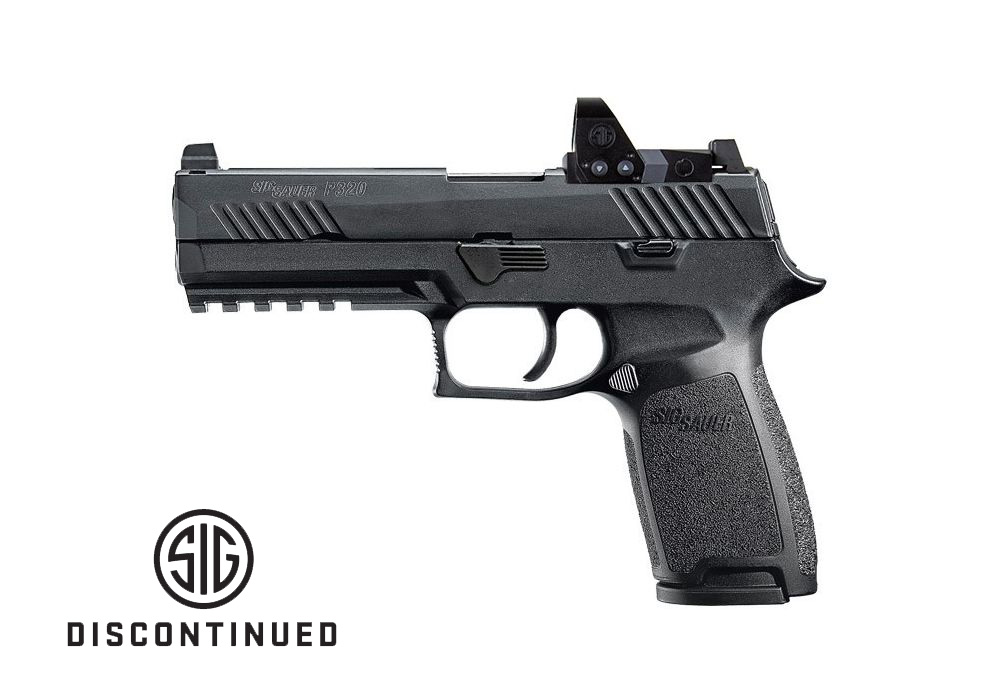
When comparing gun slides, begin with the intended use and the complete configuration of the firearm rather than choosing based on styling alone. A slide prepared for an optic should match the footprint of the intended sight or use an appropriate mounting plate, while the height of the optic may affect the need for compatible iron sights. Serration patterns deserve attention as well. Deep, well-defined serrations can provide a secure gripping surface when hands are wet, gloved, or affected by cold weather, while a more restrained profile may appeal to those who prefer smooth lines and a lighter visual presentation. Material and finish also play a role in long-term ownership. A durable exterior treatment can help protect against handling wear, perspiration, and routine exposure, but every slide still benefits from regular cleaning, light lubrication at the correct contact points, and careful inspection for unusual wear. Shooters who spend cooler months training indoors may value an optic-ready configuration that supports repeatable sight alignment under controlled lighting. Those who practice outdoors as the weather warms may focus more closely on glare, visibility, carry compatibility, and the ease of maintaining a consistent grip. Any installation involving the barrel, recoil assembly, sights, or optic should be completed according to the firearm manufacturer’s instructions, with the pistol unloaded and verified clear. After assembly, function checks and a cautious range test with suitable ammunition help confirm that the components work together as intended. A gunsmith can be especially helpful when fitting parts, diagnosing cycling concerns, or confirming that a modified configuration remains safe and reliable.
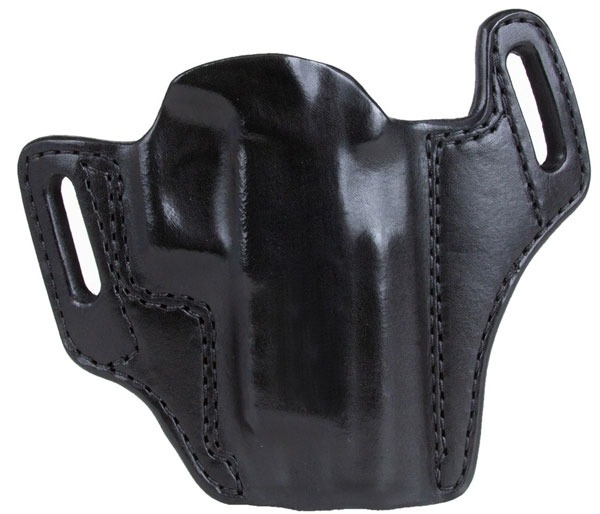
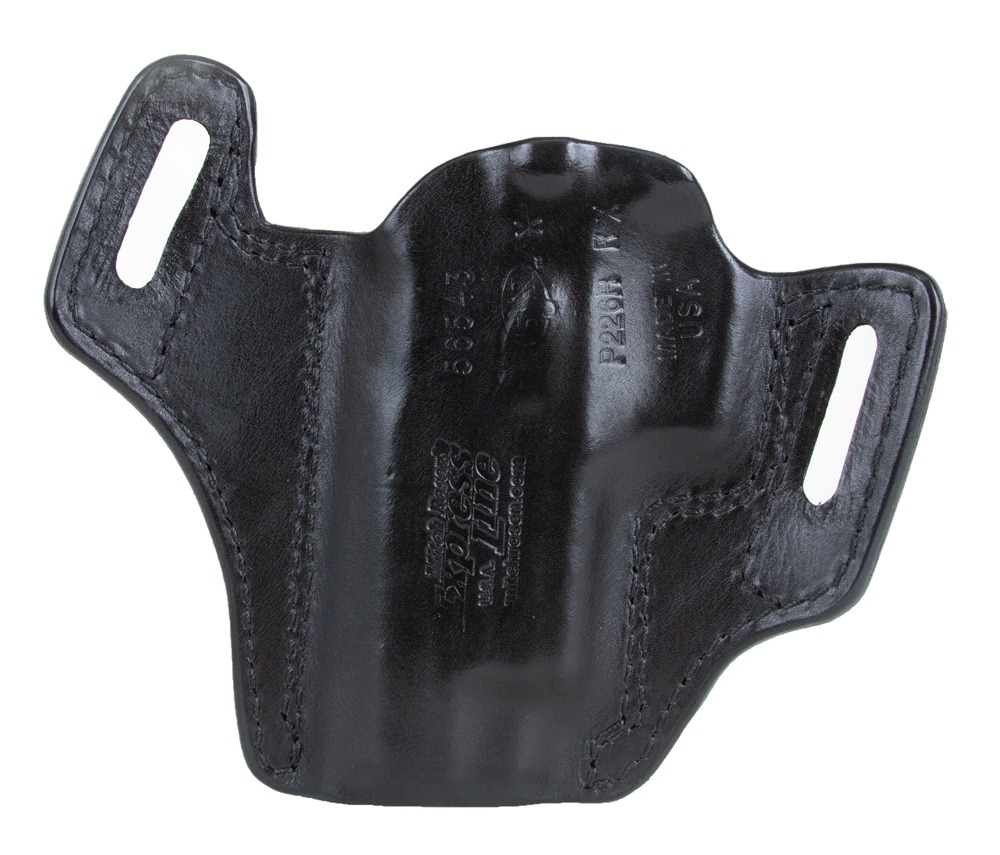
Gun slides can also be a thoughtful choice for a knowledgeable firearm owner who enjoys maintaining and refining a range setup. Unlike a purely decorative accessory, a slide can support a practical project: replacing a worn component, preparing a pistol for optic use, or creating a dedicated training configuration while keeping another setup unchanged. It may suit an enthusiast who enjoys the deliberate process of cleaning a workbench, laying out small parts on a mat, and checking each interface before heading to the range. It can also be useful for a new owner who is building familiarity with responsible ownership, provided the recipient already has a compatible firearm and understands safe handling practices. Because fitment is so specific, a slide is best given as a considered purchase rather than a surprise selection based only on caliber or appearance. Confirming the exact pistol model, generation, slide length, caliber, optic pattern, and required supporting parts helps prevent an attractive upgrade from becoming an incompatible one. Owners who carry concealed should also consider how slide dimensions, optic height, edges, and finish interact with their preferred holster. A setup that works well for recreational range sessions may not be the right choice for daily carry, and any change to a carry firearm deserves additional inspection and practice. For those exploring carry equipment, options such as Belt Slide Holsters can be evaluated alongside the firearm’s overall dimensions and intended mode of use. Throughout the year, from bright outdoor range days to cooler sessions under covered benches, a well-matched slide can contribute to a more personalized and purposeful pistol configuration. Careful selection, responsible installation, and consistent practice remain the foundation for getting the most from any firearm component.