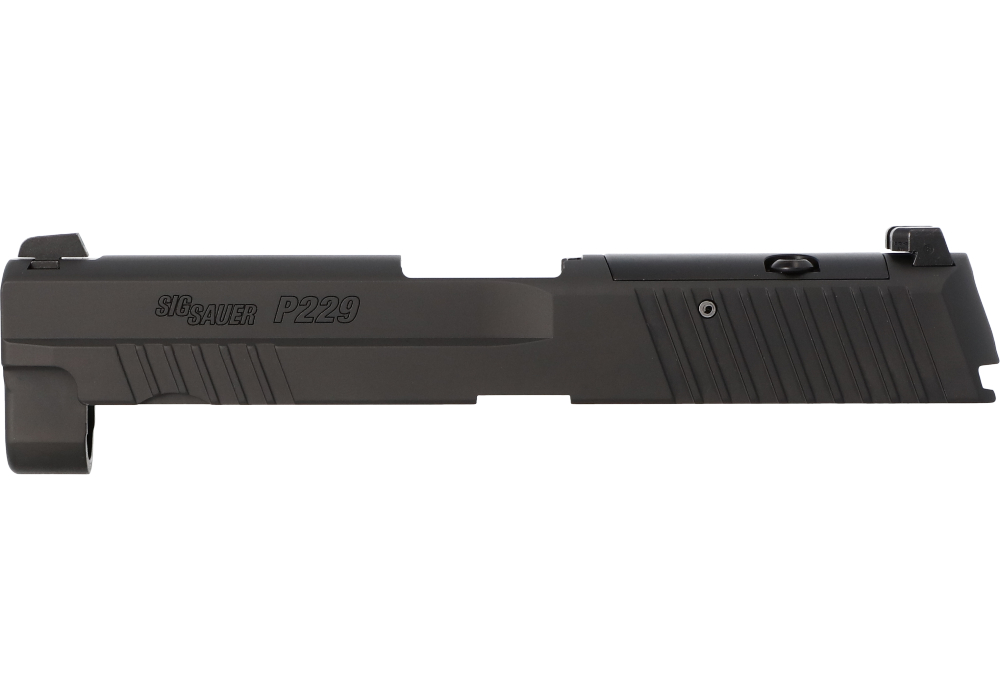
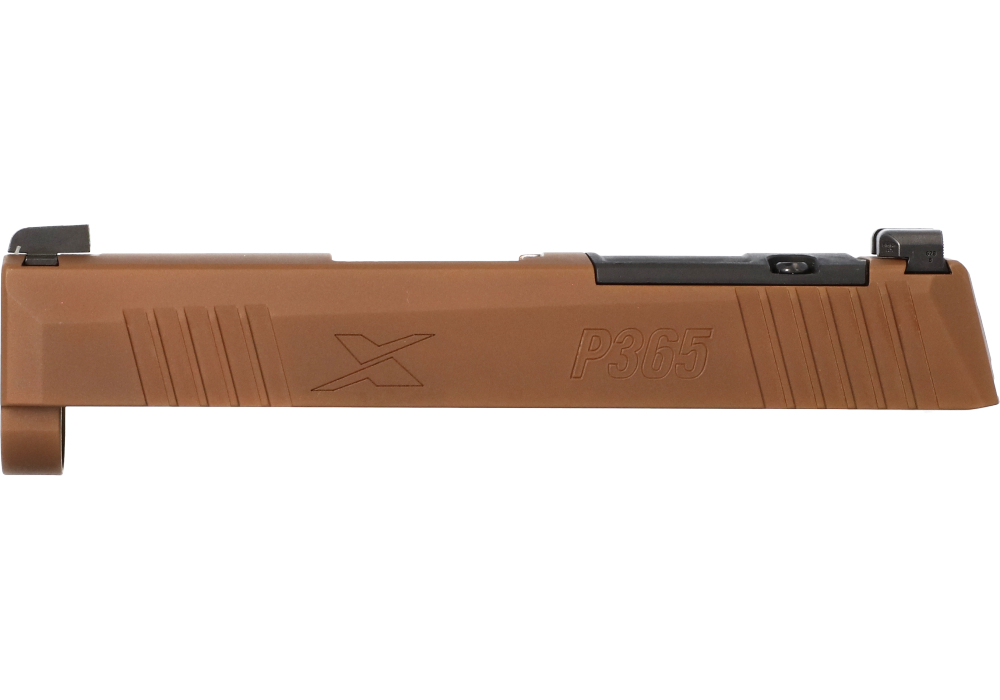
Custom gun slides give pistol owners a practical way to tailor the upper assembly of a handgun to a preferred shooting style, optic setup, and appearance. These components are available as complete aftermarket replacements or as modifications to an existing factory slide, depending on the platform, compatibility requirements, and desired configuration. A custom slide may include a precision-machined optic cut for mounting a compact red dot sight, front and rear serrations for a more secure grip during slide manipulation, or top windows and porting intended to reduce reciprocating mass and help manage muzzle movement. Some designs balance these features with a streamlined profile for everyday carry, while others emphasize aggressive machining and a competition-oriented layout. Before choosing a slide, confirm the exact handgun make, model, generation, barrel length, and recoil assembly specifications. Even pistols that appear similar may use different slide dimensions, extractor arrangements, firing pin components, or optic footprints. A properly matched slide should work with the correct barrel and recoil system, maintain dependable cycling, and provide the clearance needed for the selected sight. For shoppers comparing options, the most important details are often found in the product specifications: optic footprint, iron sight position, compatible barrel style, required internals, finish, weight, and installation requirements. Exploring related Handgun Slide Upgrades can also help narrow the search when a standard replacement or a more specialized configuration is the better fit.
Optic-ready cuts are among the most common reasons shooters select custom gun slides. A slide cut for a specific red dot footprint allows the optic to sit lower and more securely than a universal adapter, though the sight, mounting screws, sealing plate, and torque specifications must all be compatible. Co-witnessing iron sights may be used as a backup and can make the transition to a dot-equipped handgun more familiar during practice. Serrations serve a different purpose: they add purchase near the front or rear of the slide, giving the shooter more control when checking the chamber, clearing a malfunction, or completing a press check with an approved and unloaded firearm. Porting and windows can create a distinctive appearance while changing the slide’s weight and balance, so they should be considered alongside the barrel, recoil spring, ammunition, and intended use. A lighter reciprocating assembly may feel quick in the hand, but reliability depends on the complete system rather than one component in isolation. Finishes such as nitrided or coated surfaces can add corrosion resistance and create a different visual character, while also requiring ordinary care after handling, training, or exposure to moisture. In practice, the right slide is the one that supports a coherent setup. A recreational shooter may appreciate an optic cut and pronounced serrations for range work; a defensive handgun owner may favor a durable finish, subdued machining, and a configuration that preserves familiar handling; and a competitive shooter may prioritize weight reduction, rapid sight acquisition, and a layout suited to repeated drills. During warmer weather, when range sessions and outdoor training often increase, a slide’s finish and maintenance needs deserve extra attention after contact with perspiration, dust, or humidity. During cooler months, the same setup can be evaluated with gloves, layered clothing, and a different grip feel.
Custom gun slides can also be a thoughtful gift for an experienced handgun owner, provided the recipient’s exact platform and preferences are known. A slide is not a one-size-fits-all accessory, and a well-intentioned purchase can become difficult to use if the optic cut, sight height, barrel fit, or internal parts do not match the recipient’s pistol. When giving one as a gift, confirming the model discreetly or choosing a gift card may be more practical than guessing. Installation is another important consideration. Some complete slides are designed to accept compatible internals and components, while a milling service modifies an owner’s current slide to add an optic cut, serrations, windows, or other machining. Milling an existing slide can preserve a familiar component, but it requires careful measurement, inspection, refinishing, and attention to remaining material around critical areas. Replacement slides may simplify the process, but they still need to be checked with the correct barrel, recoil assembly, sights, optic, and internal components. Any modification should be performed or inspected by a qualified gunsmith, followed by function checks and controlled live-fire testing in accordance with the firearm manufacturer’s guidance. Keep the firearm unloaded during installation and inspection, store components securely, and verify all applicable federal, state, and local requirements before ordering or modifying a part. Rules concerning shipping, installation, suppressor-ready configurations, and other firearm components can vary by jurisdiction, even when a slide is treated differently from a serialized frame or receiver. With the right fit and a careful installation plan, a custom slide can refresh a familiar handgun, simplify the addition of a red dot sight, improve handling confidence, and give an established setup a purposeful, personalized finish.