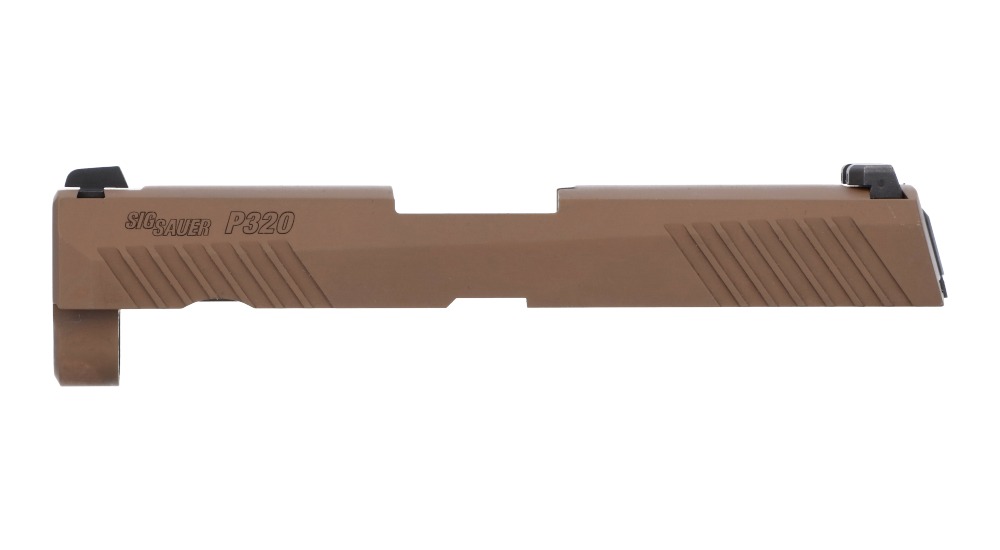
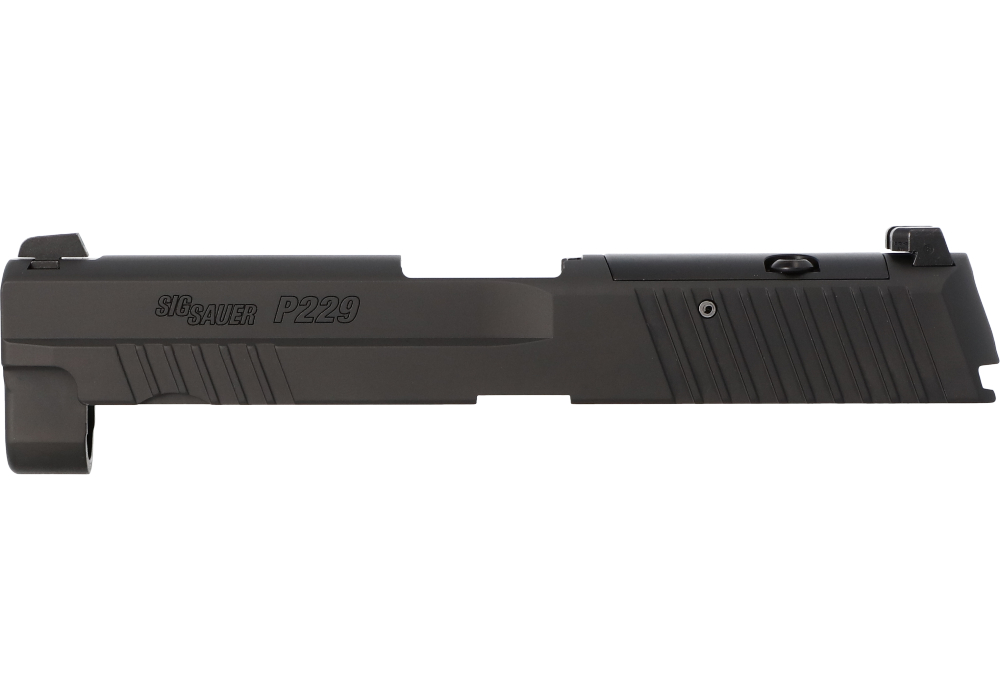
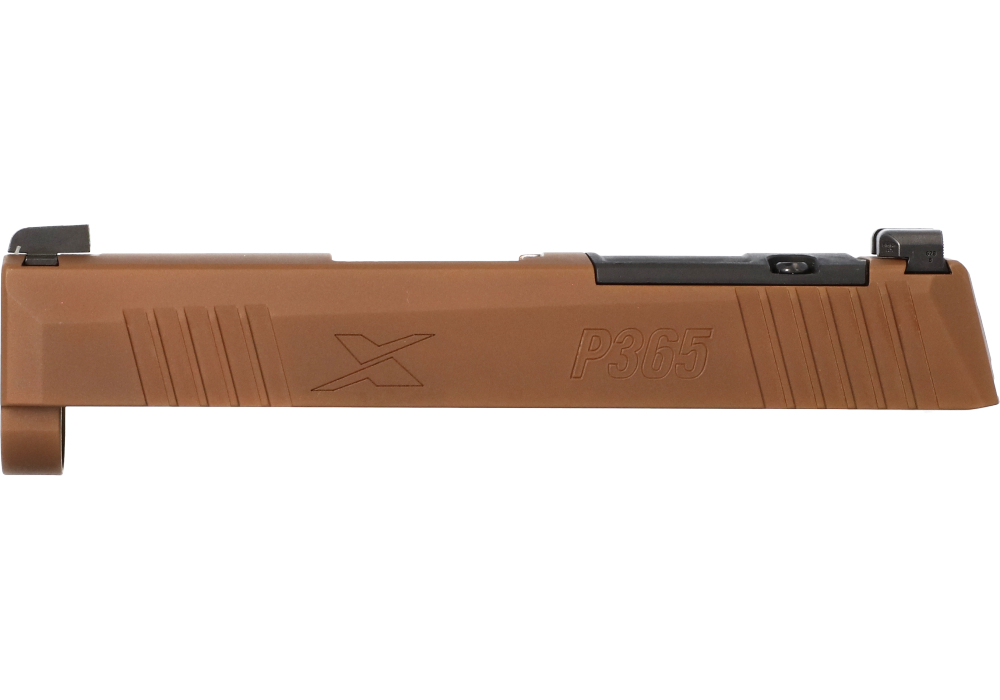
Firearm slide replacements give handgun owners a practical way to repair, refresh, or configure the upper assembly of a compatible semi-automatic pistol. A replacement slide may be selected to restore a worn component, prepare a handgun for a compact red-dot optic, improve access to front or rear cocking serrations, or create a different visual and functional setup without replacing the entire firearm. The slide works in concert with the barrel, recoil assembly, frame, magazines, and internal components, so compatibility should always be the first consideration. Confirm the exact make, model, generation, caliber, barrel length, and intended configuration before purchasing, and review the manufacturer’s specifications rather than relying on a similar-looking profile. Some slides are designed for standard iron sights, while others include an optic-ready cut that accepts a particular footprint or requires a mounting plate. Serration patterns, window cuts, coating options, and sight interfaces can also vary considerably. For a broader look at compatible components and related upper-assembly options, visit Handgun Slide Parts. A replacement slide can be useful for a defensive handgun that sees regular practice, a range pistol being configured for faster sight acquisition, or a backup setup kept ready with a consistent set of controls. It may also be a thoughtful gift for an experienced handgun owner, especially when paired with a gift card, professional installation, or a conversation about the recipient’s exact platform and optic preferences. Since fitment is highly specific, guessing at the model is rarely worthwhile; the most useful gift is one that matches the recipient’s handgun precisely.
Many owners choose a replacement slide to support a miniature red-dot sight, which can provide a clear aiming reference when properly mounted and zeroed. An optic cut should match the sight’s footprint, screw pattern, mounting depth, and any required spacer or plate, while the overall height must be considered when selecting compatible backup sights. Others prioritize pronounced serrations that offer a firm purchase when checking the chamber, clearing a stoppage, or manipulating the slide with wet or gloved hands. Window cuts can reduce material and add a distinctive appearance, but they may also expose the barrel to more residue and require attention to cleaning. Finish and surface treatment matter as well: a slide used for daily carry may benefit from a durable, corrosion-resistant exterior, while a range-oriented setup may be chosen primarily for optic compatibility, balance, or appearance. Caliber changes deserve particular care. A slide, barrel, recoil spring, and magazine combination must be engineered to work together for the intended ammunition, and not every conversion is safe or appropriate for every frame. Use only components specified for the handgun and ammunition, and consult a qualified gunsmith when compatibility is uncertain. Before handling any replacement part, point the handgun in a safe direction, remove the magazine, open the action, and visually and physically verify that the chamber, feed area, and magazine well are empty. Ammunition should remain in a separate location during inspection or assembly. A clean work surface, good lighting, and a small tray for springs and pins can prevent the familiar frustration of watching a tiny component disappear across the floor during a late-evening maintenance session.
Installation and function checks should follow the firearm and component manufacturer’s instructions, with professional service recommended for anyone who is unfamiliar with disassembly or internal slide components. The slide may contain the firing pin assembly, extractor, safety components, sights, and other parts that require correct orientation, proper tools, and careful attention to spring tension. A replacement that appears to fit during hand assembly still needs to be evaluated for smooth movement, correct lockup, reliable reset, and safe operation before live ammunition is introduced. After installation, perform an unloaded visual and physical inspection, confirm that controls operate as intended, and complete any manufacturer-recommended dry function checks in a secure environment. When live-fire testing is appropriate and lawful, begin with a controlled range session using suitable factory ammunition and eye and ear protection, watching for failures to feed, extract, eject, or lock open. Stop immediately if the slide binds, the trigger or safety behaves unexpectedly, or any component shows unusual wear. A qualified gunsmith can inspect headspace, optic mounting, sight alignment, and overall function, particularly after a caliber change or when mixing components from different sources. Laws governing parts, shipping, installation, carry, and transfers vary by jurisdiction, and a replacement slide is not a substitute for understanding local requirements; the serialized frame or receiver is commonly the regulated portion of a handgun, but consumers should verify the rules that apply where they live. With careful model matching, realistic expectations, and a safety-first approach, firearm slide replacements can help owners maintain a trusted handgun, tailor its sighting system, or build a more comfortable configuration for practice and responsible use during every season.