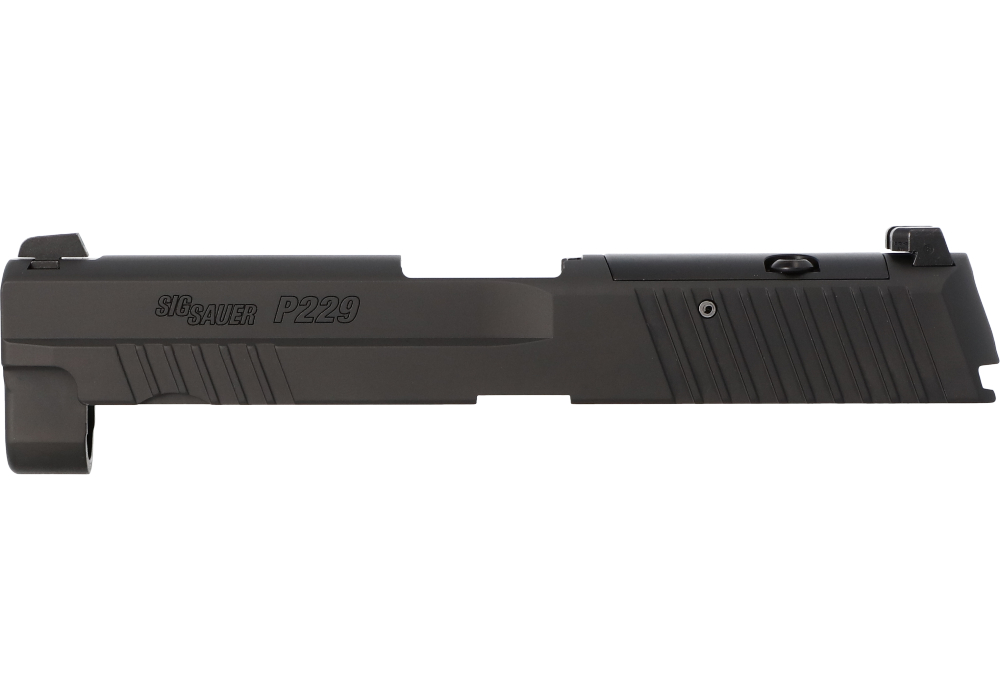
Handgun slide parts support the core operating system of a semiautomatic pistol, bringing together the components that help the slide move, lock, fire, extract, and return to battery. A complete slide assembly typically includes the slide itself, barrel, recoil spring assembly, guide rod, sights, and the smaller internal parts that keep everything properly timed. Individual replacement components may include a firing pin or striker, firing pin spring, spring cups, firing pin safety, safety spring, extractor, extractor spring, extractor depressor plunger, slide cover plate, and channel liner where applicable. The slide is the moving upper portion of the handgun, traveling rearward after a shot to extract and eject the spent casing before returning forward to chamber the next round. The barrel guides the projectile and locks with the slide, while the recoil spring and guide rod manage rearward movement and help return the assembly to its forward position. The extractor grips the cartridge rim during cycling, and the firing pin or striker delivers the impact needed to initiate ignition. Because these parts work together in a precisely timed sequence, compatibility is the first consideration when selecting handgun slide parts. Confirm the exact manufacturer, model, generation, chambering, slide length, and configuration before ordering, and compare the specifications of every component rather than relying on a general appearance match. Differences in firing systems, mounting cuts, barrel fit, spring rates, and internal dimensions can make parts unsuitable even when they look similar. A properly matched component can help restore dependable function after wear, support a careful rebuild, or provide the foundation for a specialized configuration. For shoppers seeking a coordinated group of compatible components, Handgun Slide Kits can simplify the selection process by bringing related slide parts together in one category.
These parts may appeal to experienced handgun owners, competitive shooters, instructors, armorer-level users, and anyone maintaining a regularly used pistol. A frequently carried handgun can show wear on contact surfaces, springs, sights, and small retention components over time, while a range pistol may benefit from replacement parts after repeated practice sessions. Some owners choose a replacement slide or related hardware to create a second configuration for a familiar frame, add an optic-ready mounting pattern, refresh worn sights, or prepare a dedicated training setup. Others purchase individual parts as practical additions to a maintenance kit, especially when they want replacement springs, an extractor, a slide cover plate, or other small components available before an issue interrupts a range trip. Handgun slide parts can also make a thoughtful gift for a mechanically minded shooter, competitive participant, or new owner who is building a responsible cleaning and maintenance collection; however, the gift should be selected only after confirming the recipient’s exact handgun details. A small part that fits one generation or variant may not fit another, and a gift card or conversation about the intended model may be more useful than guessing. Visual details can matter as well. Finish, serration pattern, sight interface, optic cut, and coating should complement the handgun’s intended role and the owner’s preferences. A carry-oriented setup may prioritize a snag-resistant profile, durable sights, and a configuration that remains comfortable against clothing, while a range setup may place greater emphasis on sight visibility, optic compatibility, or a slide profile that supports confident manipulation. Standard or extended capacity magazines do not determine slide compatibility, but the chambering and frame family still must match the selected slide, barrel, and recoil system. Review product specifications carefully, retain packaging until fitment is confirmed, and follow all applicable laws and manufacturer guidance.
Safe handling and professional installation are essential whenever work involves the slide, firing system, or other components that affect operation. Before inspecting or installing handgun slide parts, remove the magazine, open the action, and visually and physically verify that the chamber and breech area are clear; ammunition should remain separate from the work area. Small components can be spring-loaded, easy to lose, or difficult to position correctly, so a clean bench, proper lighting, and the correct tools make a meaningful difference. Avoid forcing a part into place, altering a critical surface, or mixing springs and pins from different configurations. After installation, a qualified gunsmith should inspect the assembly when the work involves the firing pin, extractor, safety components, barrel fit, or any uncertainty about proper function. Function checks should follow the firearm manufacturer’s instructions and take place without ammunition before live-fire testing. At the range, begin with a controlled test using appropriate eye and ear protection, a safe backstop, and a modest number of rounds while watching for failures to fire, extract, eject, or return fully to battery. Stop immediately if the slide behaves unusually, the trigger feels different, or a casing shows signs of damage. During the warmer seasons and into the cooler months, regular practice and routine inspection can reveal worn springs, damaged sight hardware, or loose fasteners before they become more disruptive. Store replacement parts clean, dry, and clearly labeled, and keep them away from children and unauthorized users. With careful model verification, attention to component compatibility, and qualified support when needed, handgun slide parts can help owners maintain a trusted platform and select the right equipment for responsible range use, training, and lawful personal protection.