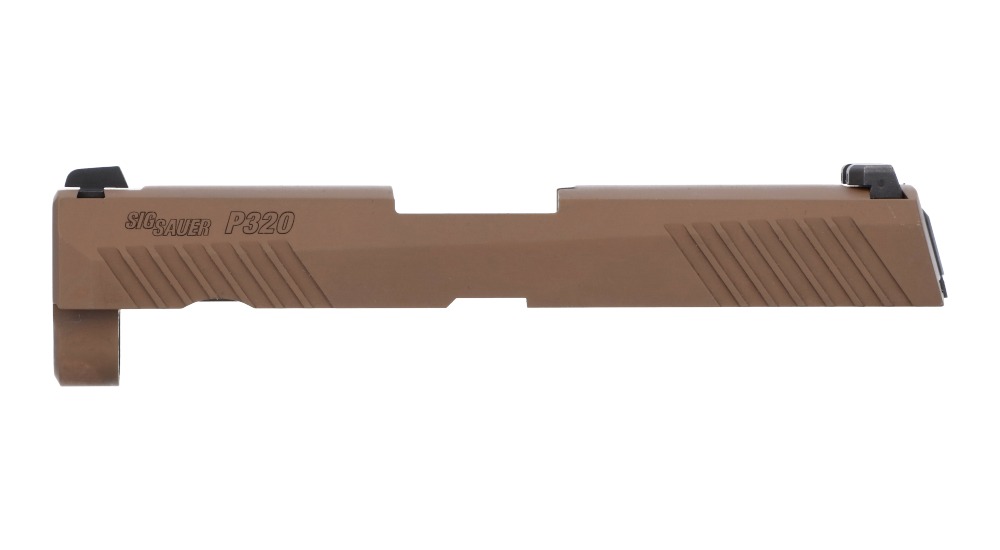
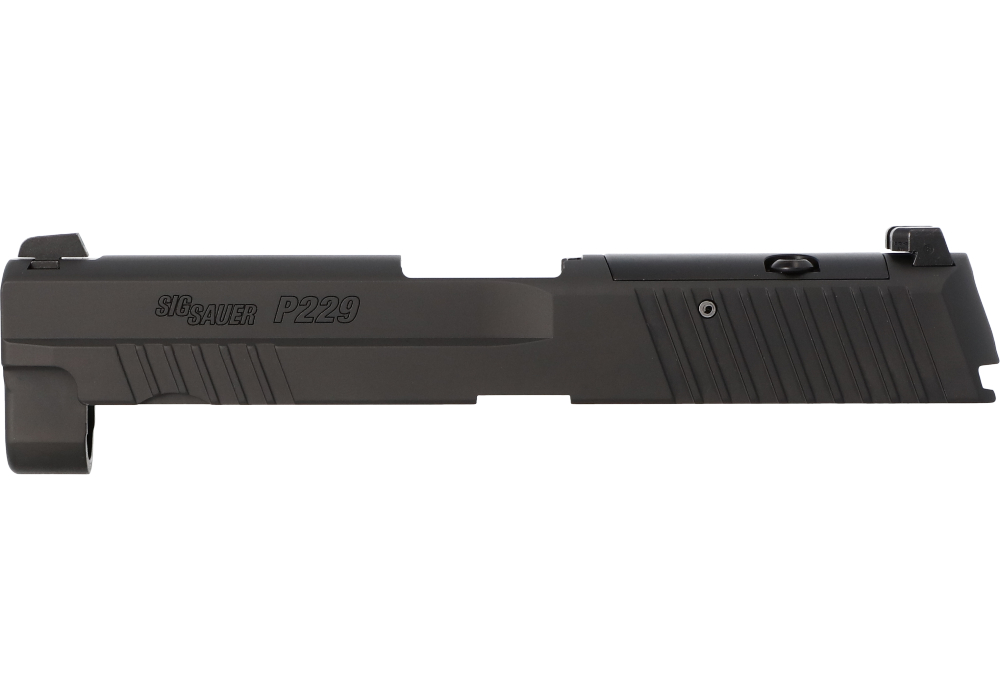
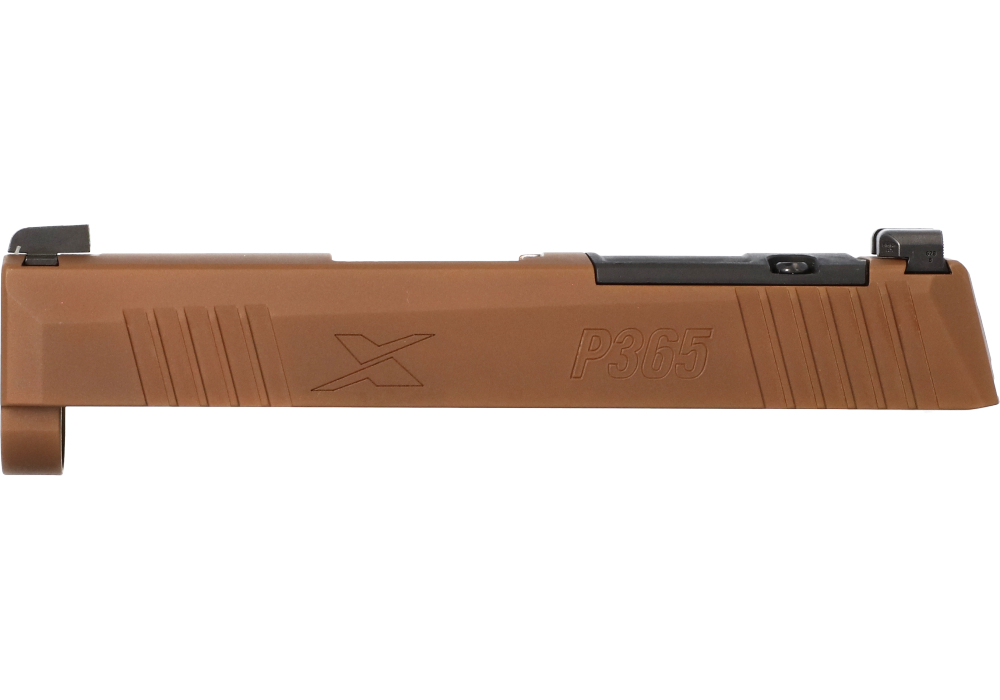
Handgun slide upgrades offer a practical way to refine the handling, sighting options, and appearance of a compatible pistol without replacing the entire firearm. The slide is central to the handgun’s operation, and changes to its machining, surface treatment, or sight configuration can make a noticeable difference in how the pistol feels in the hand and performs during practice. Many owners begin with an optic-ready slide cut, which provides a mounting surface for a compatible compact red dot sight and can support a more natural point of aim for range use, competition, training, or defensive applications where permitted. Others prioritize enhanced front and rear serrations for a more secure grip when manipulating the slide with wet, cold, or gloved hands. Window cuts and other relief machining can provide a distinctive appearance while changing the slide’s overall profile, and specialized porting or lightening features may appeal to experienced shooters who understand how slide design can affect balance, cycling, and maintenance. When browsing handgun slide upgrades, start with exact make, model, generation, and caliber compatibility. Small differences in dimensions, breech-face configuration, extractor design, firing-pin channel geometry, and optic footprint can determine whether a slide is a proper fit, so the product description should be reviewed carefully before purchase. A factory-standard replacement may be the simplest choice for a straightforward installation, while an aftermarket option may provide additional serrations, an optic cut, a refined finish, or other details selected for a particular shooting style.
The most important consideration is how the slide will be used. Someone who spends cool mornings at an outdoor range may value pronounced serrations that remain easy to locate by touch, while an enthusiast who practices from a covered shooting bench may place greater emphasis on optic compatibility and a clean, low-profile appearance. A slide with an optic cut can be a useful foundation for a handgun built around modern sighting equipment, but the correct footprint, mounting hardware, screw length, and sight height must all be confirmed before installation. Iron sights may need to be changed to a height that co-witnesses properly with the chosen optic, and the completed setup should be checked for secure mounting, clear sight alignment, and reliable function. Finishes are another purchase factor. A durable surface treatment can help resist ordinary wear, fingerprints, and exposure to moisture, although no finish eliminates the need for routine cleaning and proper storage. Owners who carry or transport a handgun should also consider how the slide’s contours interact with the holster, whether an optic or other addition requires a different holster, and whether the modified setup remains comfortable during repeated practice. A windowed or aggressively machined slide may look striking under the range lights, but it can also expose more surfaces to fouling and may require closer attention after extended sessions. As with any firearm component, installation should follow the manufacturer’s instructions, and work involving fitting, machining, or critical operating dimensions is best handled by a qualified gunsmith when the owner lacks the proper tools or experience.
Handgun slide upgrades can also make a thoughtful gift for a knowledgeable firearm owner, particularly when the recipient has already identified a compatible handgun and a clear preference for an optic-ready, competition-oriented, duty-inspired, or cosmetically distinctive setup. The safest gift choice is often a store credit or a product selected with the recipient’s exact model information, since even handguns that appear nearly identical may use different slide dimensions or internal configurations. For shoppers comparing complete replacement slides, slide assemblies, or related components, this collection provides a convenient place to evaluate options by fit, features, finish, sight configuration, and intended use. Those looking for a more coordinated upgrade path can also explore Handgun Slide Kits for compatible components designed to work together. Before ordering, confirm the handgun’s model designation, generation, caliber, barrel interface, recoil system requirements, optic pattern, and sight dimensions, then review any applicable installation or transfer requirements. After installation, a careful inspection and function check should be completed in a safe setting before live-fire use, followed by a gradual range session that allows the shooter to confirm cycling, point of impact, optic retention, and overall comfort. During the warmer months and cooler seasons alike, a well-selected slide upgrade can give a familiar handgun a refreshed feel, whether the goal is a more secure grip, a modern sighting setup, improved personal fit, or a distinctive appearance that reflects the owner’s time and attention at the range.