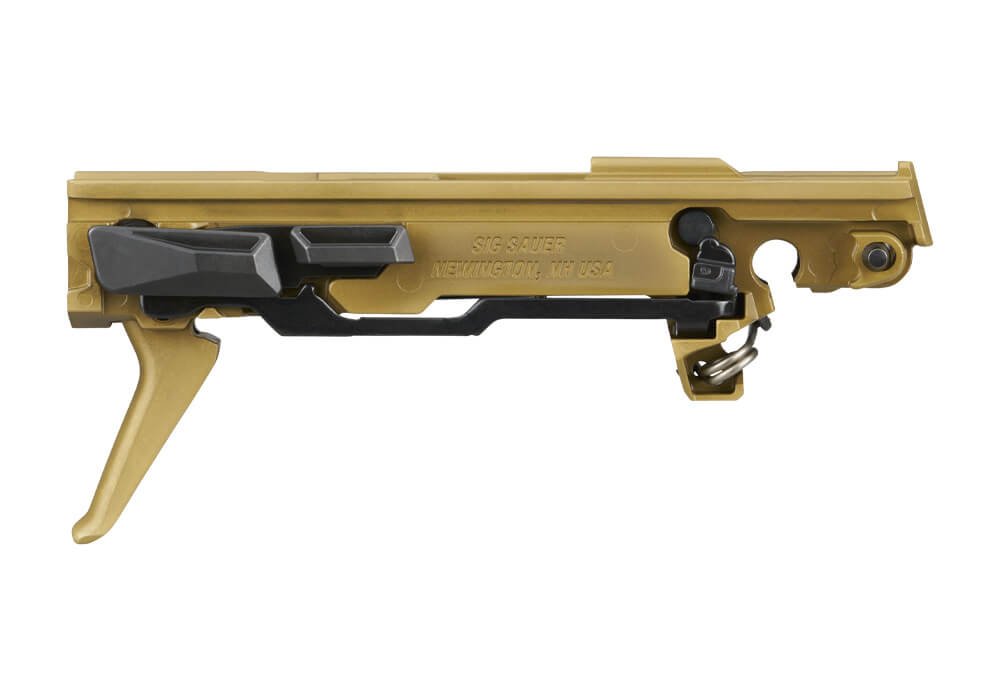
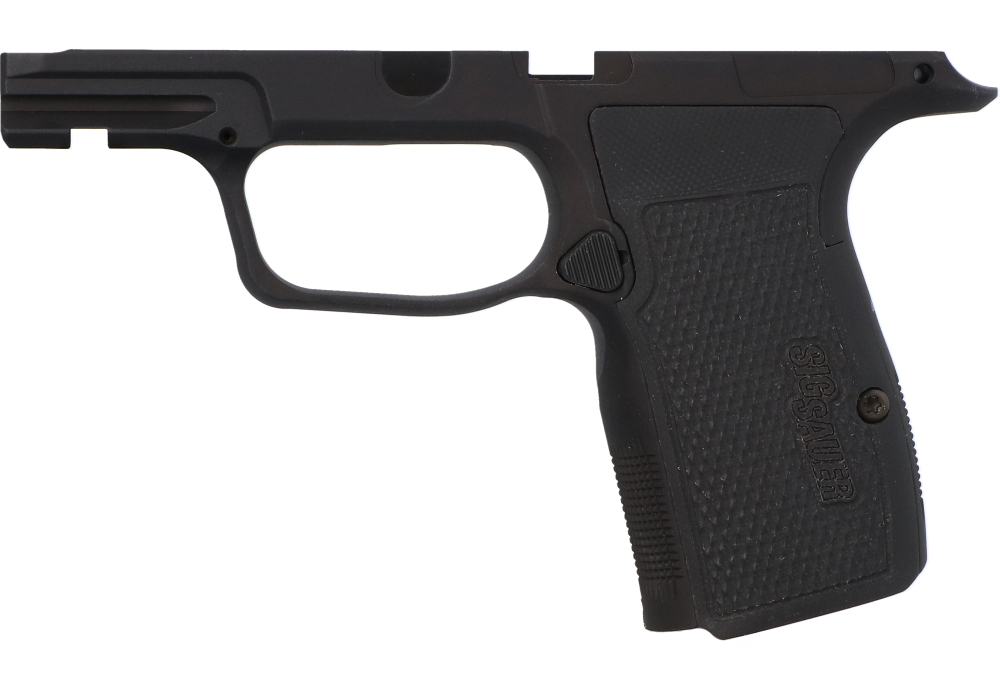
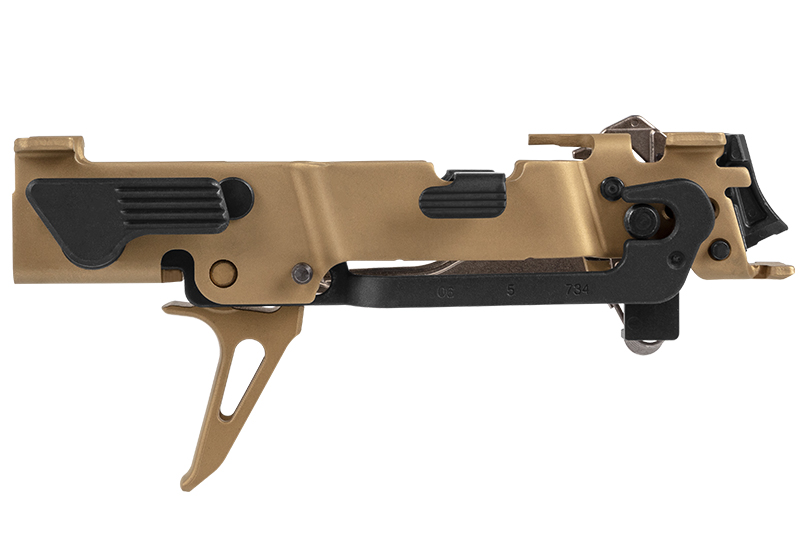
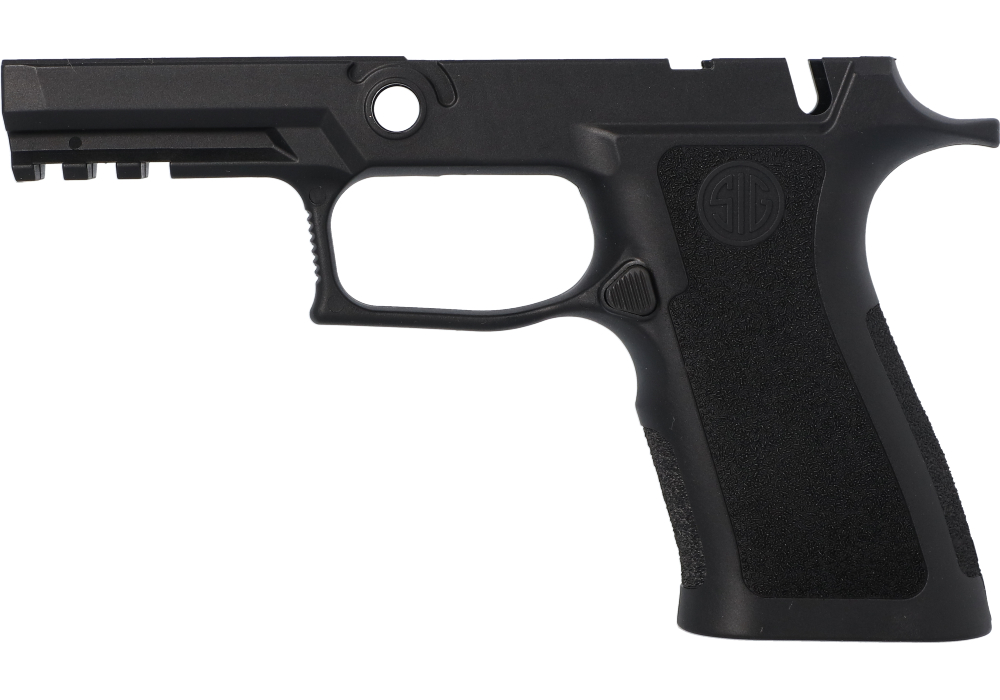
Handgun frame upgrades center on the part of a pistol that establishes its grip shape, surface texture, and much of its feel in the hand. Depending on the platform, that can mean a replacement frame, an interchangeable grip module, or compatible grip components that change the exterior without replacing the entire assembly. These terms are not interchangeable: on some modular designs, a separate internal chassis contains the serialized component, while other designs incorporate that component into the frame itself. Understanding that distinction helps set realistic expectations about compatibility, purchasing requirements, and professional fitting. The broader selection of Handgun Frames provides context for comparing these categories, but the description for each option remains the best starting point for determining its intended platform. For many owners, the appeal is straightforward: a familiar handgun may have a grip that feels too broad, a texture that becomes uncomfortable during a lengthy practice session, or proportions that do not suit their hands. An alternative frame or grip module can offer a different physical interface, although it does not replace training or guarantee better shooting results. Grip circumference, front-to-back depth, backstrap contour, and the shape beneath the trigger guard all contribute to how a frame feels. Two options with similar overall dimensions can feel noticeably different because of where their curves and textured areas meet the palm and fingers. A useful comparison considers the entire grip rather than treating a single measurement or a more pronounced texture as proof of a better fit. Owners who spend time at a supervised range, participate in organized shooting sports, or simply prefer a different grip profile may value these distinctions. The most appropriate choice is one that suits the compatible handgun and the owner's intended use without introducing unnecessary complexity. Appearance can be part of that decision, but dimensions, construction, and documented compatibility deserve priority over color or styling alone.
Materials influence weight, surface feel, maintenance needs, and the way a handgun frame wears over time. Polymer grip modules generally offer a lighter construction and can incorporate contours and texture directly into the exterior. Their surfaces may range from relatively smooth panels to more pronounced patterns, with different levels of coverage around the grip. Aluminum alternatives typically add weight compared with similar polymer designs and may feature machined contours, protective finishes, or separate grip panels. Neither material is automatically the better choice. A person who values a lighter overall configuration may prefer polymer, while another may appreciate the feel and balance of a metal frame during recreational range use. Actual weight depends on the design, so material alone does not tell the whole story. The same is true of durability: material quality, construction, finish, and appropriate care matter more than broad assumptions about polymer or metal. Texture is another area where the details deserve attention. A sharply defined pattern can feel secure in the hand but may also rub against clothing or become tiring against the skin. A less pronounced surface may feel more comfortable, yet offer a distinctly different tactile experience. Someone comparing options after an extended range session may care more about a pressure point along the backstrap than about a dramatic exterior pattern. Replaceable grip panels or backstraps, where supported, provide another way to account for hand shape, but their compatibility should be confirmed rather than assumed. Surface finishes also have practical differences. Matte areas, textured recesses, and panel seams can collect residue differently, while frequently handled edges may develop visible wear. Cosmetic wear does not necessarily indicate a structural problem, just as an unmarked finish does not establish that a component is sound. Clear material specifications, straightforward care requirements, and accessible inspection surfaces are useful qualities to consider when comparing handgun frame upgrades intended for regular use.
Fit begins with the exact handgun configuration, not a general resemblance or a shared family name. Frame and grip-module compatibility can depend on size, generation, internal design, control arrangement, and the combination of components already present. A frame described for one configuration should not be assumed to fit another simply because the exterior looks similar. Magazine fit, slide compatibility, and any required accompanying components should be supported by the manufacturer's documentation. Changes to exterior dimensions may also affect accessories: a holster that accommodates the original frame may not properly fit a replacement with a different contour or accessory rail. Existing holster fit and retention therefore deserve a fresh assessment rather than an assumption that nothing has changed. For organized competition, equipment rules may place additional limits on allowable configurations, dimensions, or materials. Owners should confirm those requirements with the relevant organization before selecting a replacement. Any uncertainty about component compatibility, installation, or safe function is a reason to consult the manufacturer or a qualified gunsmith, not to force parts together or alter them to fit. Care should likewise follow the instructions for the specific material and finish. Cleaning agents suitable for one surface may be inappropriate for another, and textured areas benefit from cleaning methods that remove residue without damaging their edges. Routine inspection can help identify cracks, unusual deformation, loose panels, or other changes that warrant professional evaluation. Storage that protects the handgun from moisture and unauthorized access remains important regardless of the frame material. For an experienced owner, a compatible grip module or frame can be a thoughtful gift, but it is a category where an exact configuration and personal preference matter far more than a visual guess. Confirming the recipient's needs and any applicable transfer requirements is essential. Across everyday ownership, recreational practice, and organized sport, the lasting value of a frame upgrade comes from a suitable fit, dependable construction, and care requirements the owner can reasonably maintain. A well-considered selection should feel appropriate to the handgun and its purpose, rather than simply different from the original.