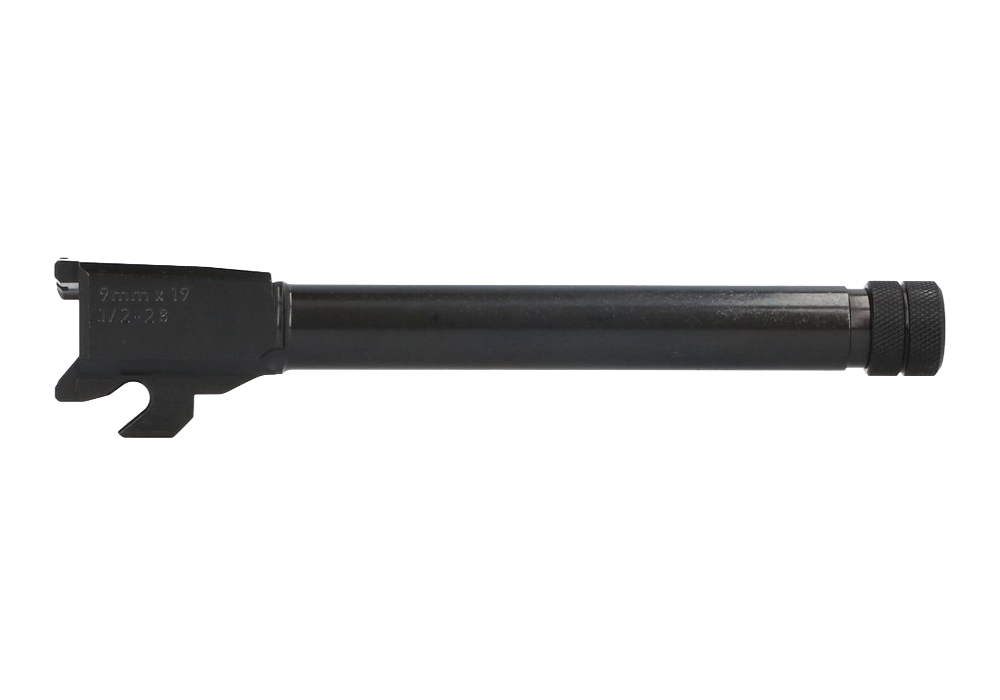
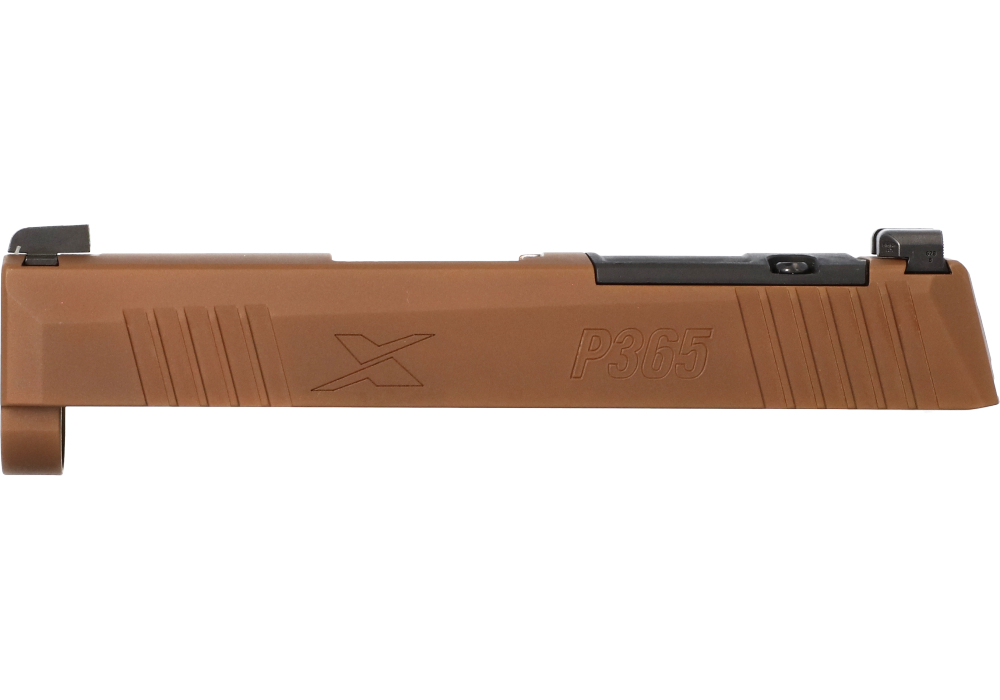
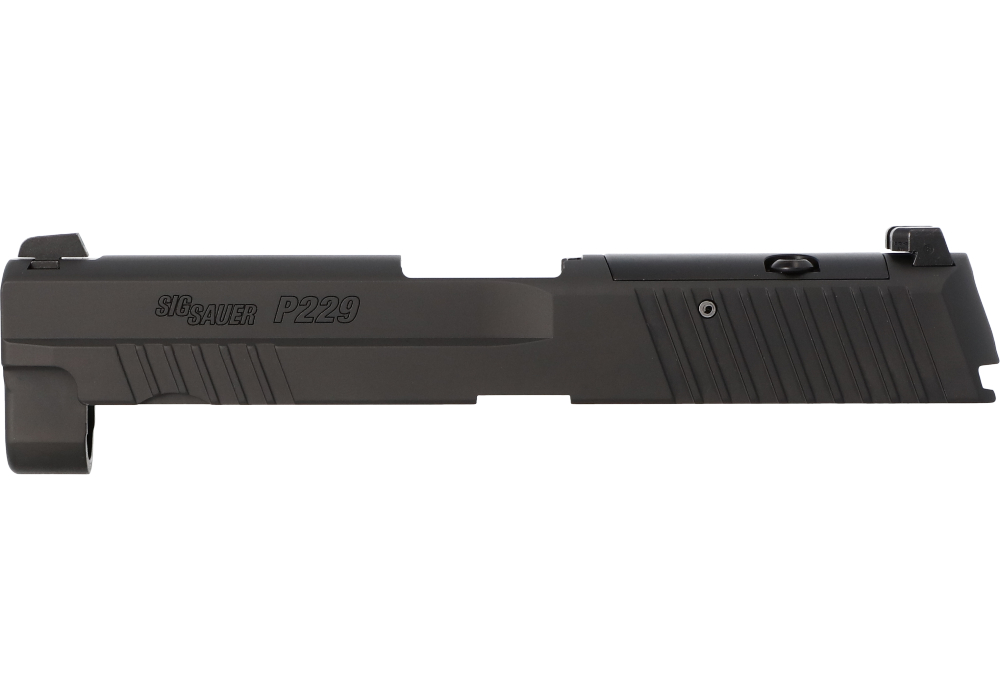
Pistol slides and barrels form the upper assembly of a semi-automatic handgun and work together through every stage of the firing cycle. The slide moves rearward and forward as the firearm cycles, while the barrel provides the chamber and bore through which the projectile travels. Because these components influence fit, function, sight alignment, and the overall handling characteristics of a pistol, choosing the right combination begins with confirmed platform compatibility. Buyers should compare the exact firearm model, generation, caliber, barrel length, slide dimensions, locking system, and intended use before placing an order. A component designed for a similar-looking pistol may not be suitable for another variant, even when the controls and general profile appear nearly identical. Factory-standard replacement components are often selected when maintaining the original configuration, while aftermarket slides and barrels may offer additional features for a particular setup. Product descriptions should be reviewed carefully for details such as optic footprint, sight-cut dimensions, recoil assembly requirements, finish, and whether the part is intended for a standard or specialized configuration. For anyone replacing a worn component, building a competition-oriented setup, or refreshing a trusted range pistol, a well-matched slide and barrel can bring renewed confidence to the entire upper assembly. These parts can also be thoughtful gifts for an experienced firearm owner, provided the recipient’s exact platform and preferences are known; a gift card or a conversation about the intended pistol is often wiser than guessing at fitment. A qualified gunsmith or other properly trained professional can help verify compatibility and installation requirements, particularly when a change involves multiple related components.
Slide design offers several practical considerations beyond appearance. Forward and rear slide serrations create textured purchase points for administrative handling, while their placement and depth can make manipulation more comfortable with wet hands, gloves, or limited grip strength. Some slides are machined with an optic-ready footprint, allowing a compatible electronic red dot sight to be mounted directly with the appropriate hardware. Since optic footprints are not universal, the sight pattern, mounting screws, plate system, and available clearance should all match before installation. Traditional sight cuts may suit owners who prefer iron sights, while an optic-ready configuration can provide flexibility for future changes. Ported slides and barrels use carefully engineered openings to redirect propellant gases upward, which is intended to help manage muzzle movement and perceived recoil; these designs should be evaluated as a complete system because port location, ammunition, barrel length, and maintenance needs can affect the shooting experience. Threaded barrels extend beyond the slide and include external threads for compatible muzzle devices, including compensators or suppressors where permitted by law. Thread specifications, thread protection, alignment, and the manufacturer’s approved use are important considerations, and suppressor ownership or installation may involve additional legal requirements. Barrel material, rifling, chamber specifications, and exterior treatment also deserve attention. Protective finishes such as nitride or PVD are commonly valued for resistance to corrosion, scuffing, and mechanical wear, while a polished or contrasting finish may complement a customized build. Whether the goal is a dependable replacement, an optic-ready upper, a ported configuration, or a threaded setup, the best choice balances the desired features with proven compatibility and responsible maintenance.
A pistol slide and barrel should be treated as precision components rather than interchangeable accessories. Before handling or inspecting any firearm, confirm that it is unloaded, remove all ammunition from the work area, and follow the firearm manufacturer’s safety instructions. Installation should be performed only by someone with the appropriate training, and any change that affects locking, headspace, timing, sight alignment, or cycling should be checked by a qualified gunsmith before the firearm is used. Buyers may also want to consider the relationship between the slide, barrel, recoil spring assembly, sights, optic, frame, and magazines, since changing one part can influence the fit or function of others. A replacement barrel may be chosen to restore a well-used pistol, support a different barrel length, or provide external threading, while a replacement slide may refresh worn serrations, add an optic cut, or create a distinct visual profile. Owners who spend cooler months indoors at a workbench or prepare for more range time as the weather warms often appreciate components that are easy to inspect and maintain, with durable finishes and clearly defined service requirements. Keeping the chamber, locking surfaces, slide rails, and barrel exterior clean and lightly lubricated according to the manufacturer’s recommendations helps preserve smooth operation, but excessive lubricant should be avoided. Related replacement hardware can be found alongside Pistol Slide Catches, giving shoppers a broader view of compatible upper-assembly and control components. Above all, select parts from clear specifications, use only appropriate ammunition, observe all applicable laws and range rules, and have the completed setup inspected before relying on it for training, competition, recreational shooting, or personal protection.