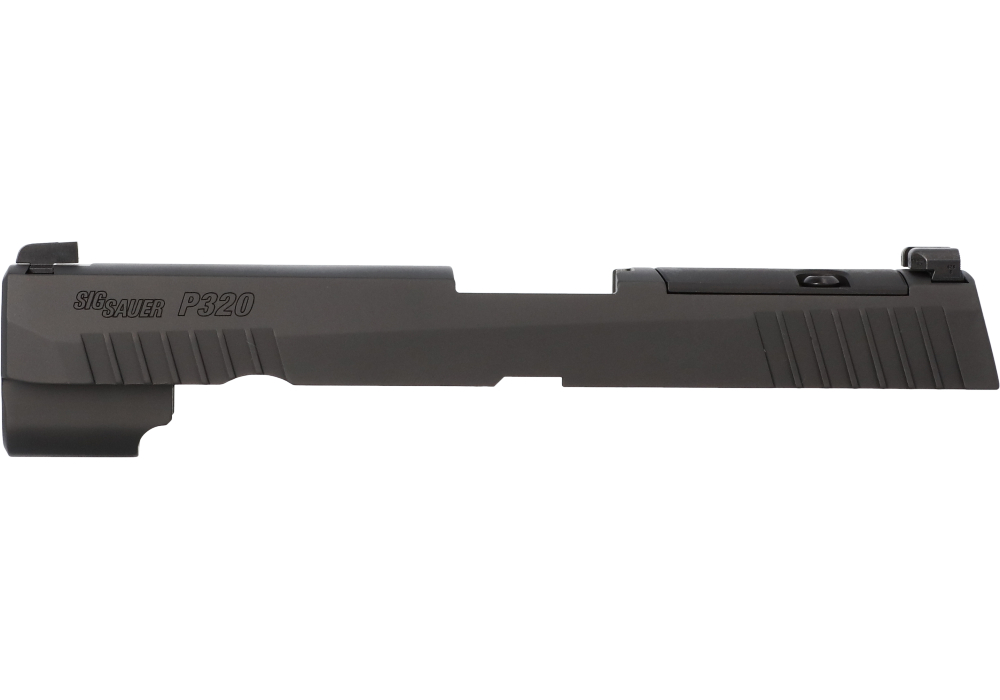
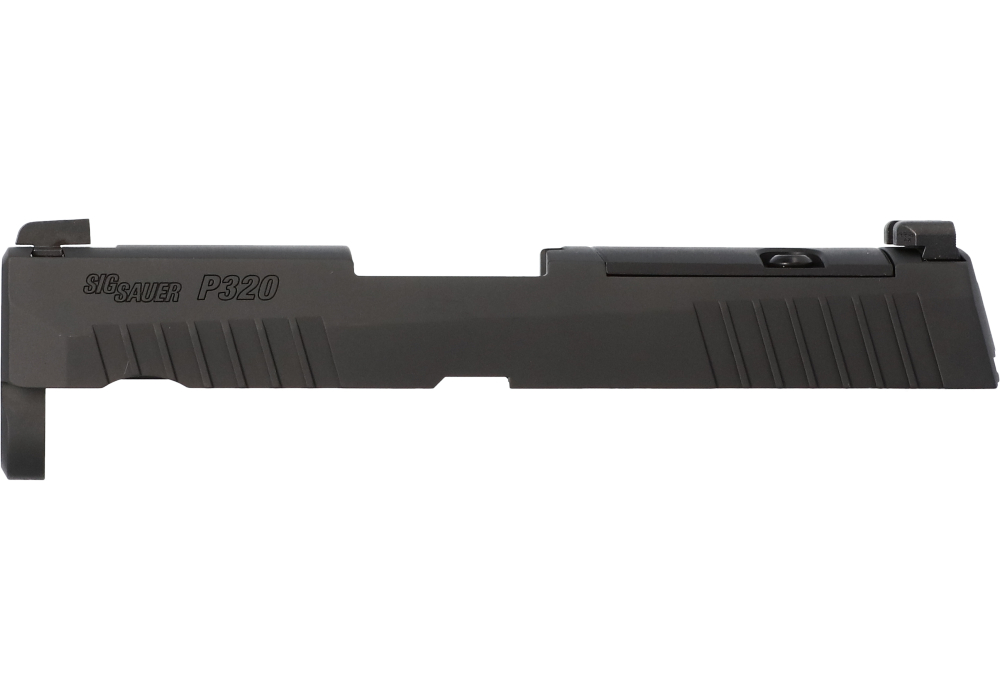
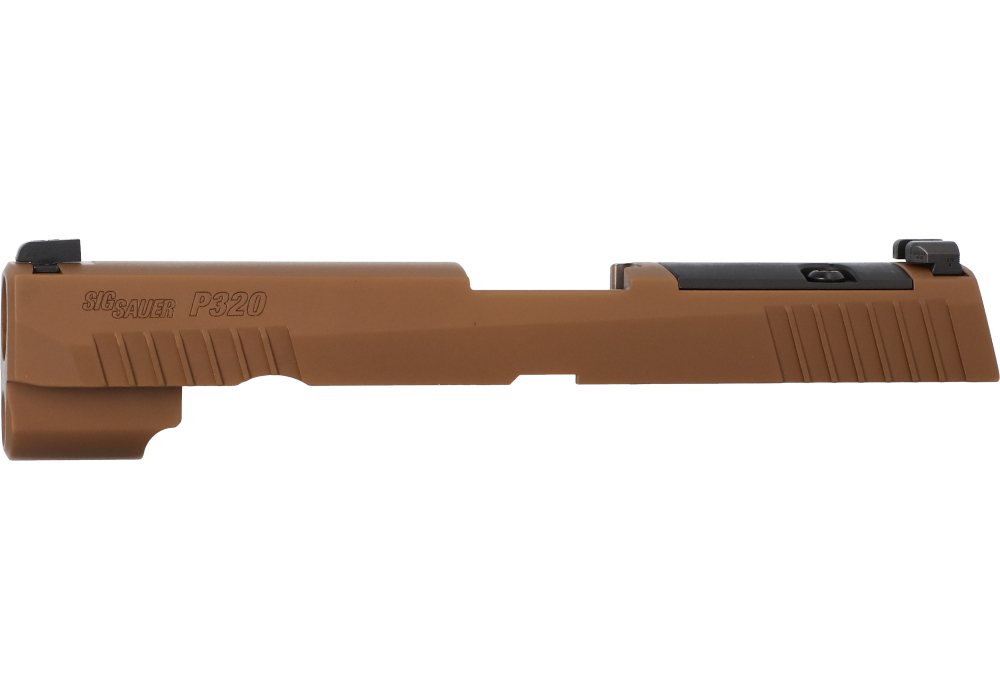
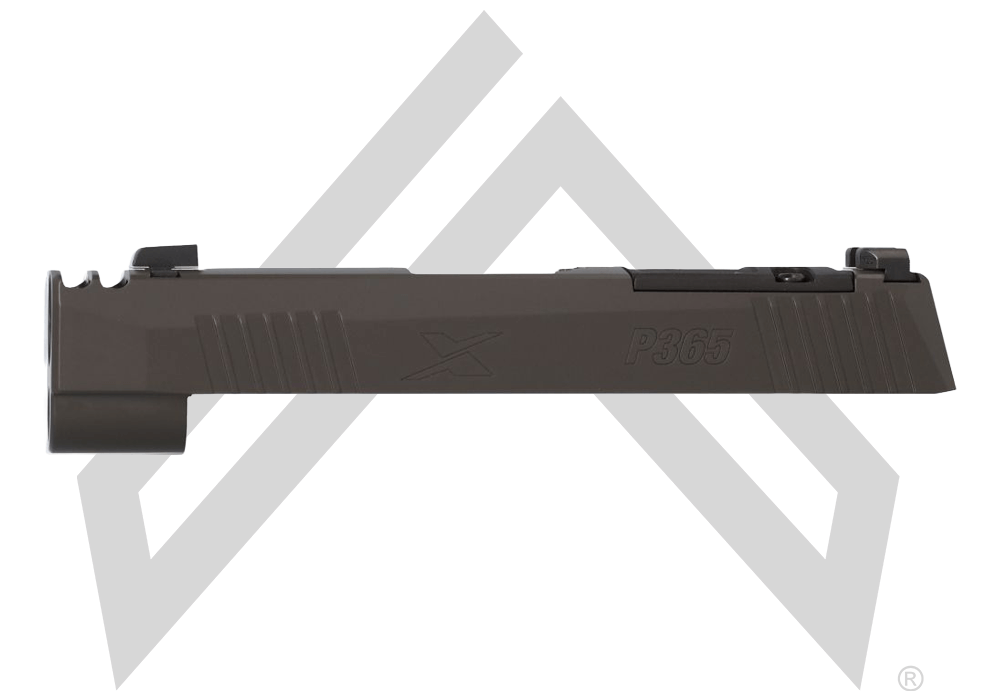
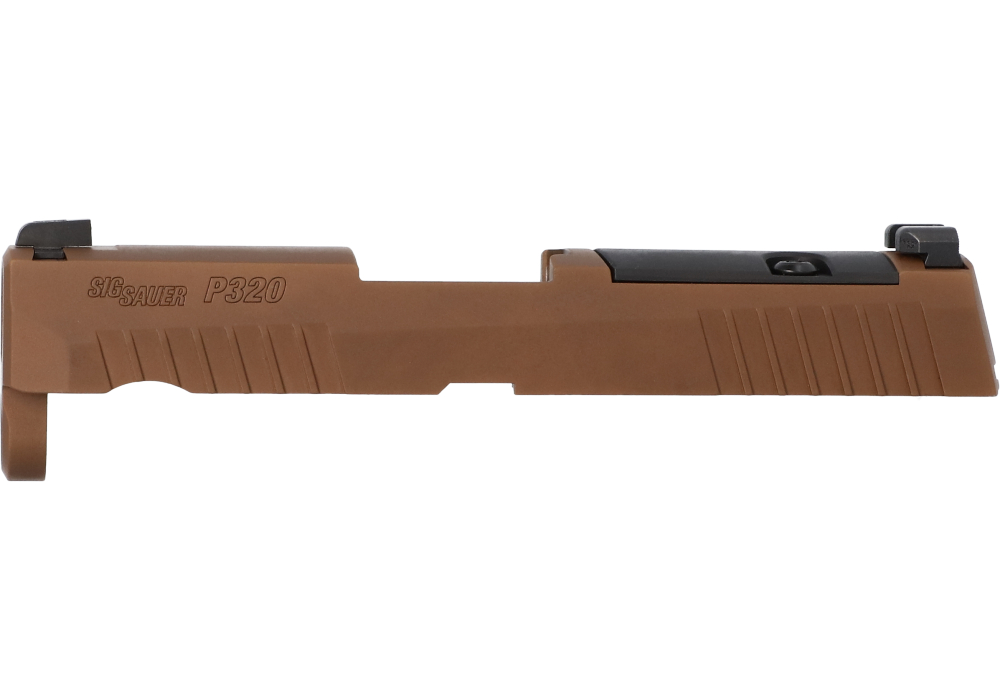
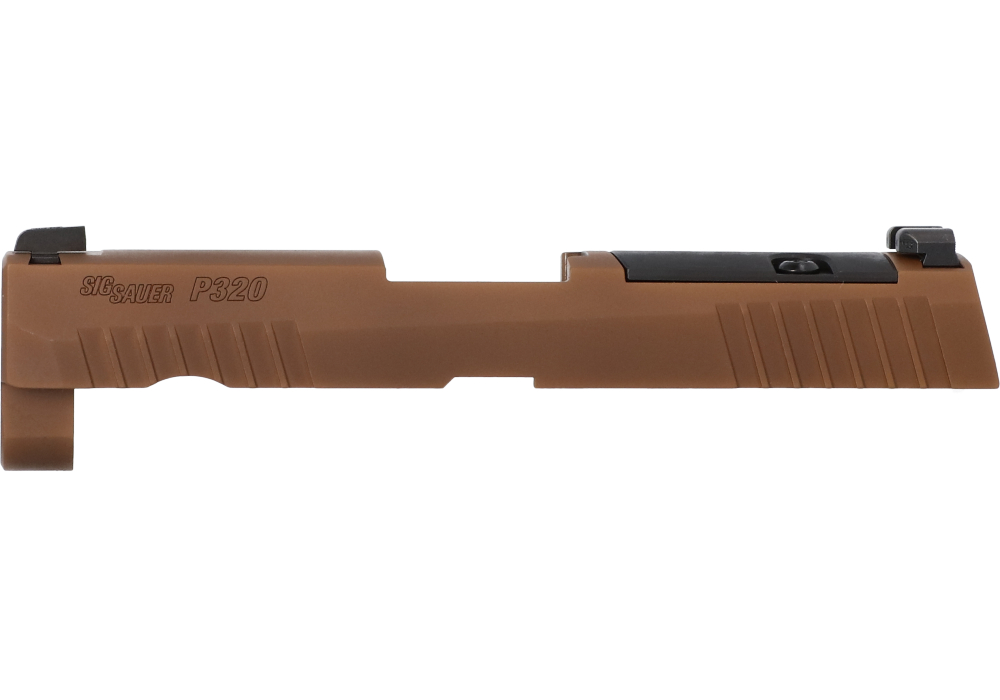
Pistol slide assemblies for fall are replacement components for compatible semiautomatic pistols, with model fit, corrosion resistance, gripping surfaces, and sight compatibility among the most important considerations. Autumn range sessions can mean damp shooting benches, mist settling on equipment, and gloves becoming part of the routine. Those conditions put practical details into focus: a finish that helps resist moisture, serrations that provide a secure purchase, and sights that remain readable against varied backgrounds. The slide houses or supports several operating components, depending on the pistol design, and moves through the firing cycle. Its dimensions and relationship to the barrel, recoil system, frame, and internal components matter more than a similar appearance. Compatibility should match the exact pistol model, size, generation, and configuration specified by the manufacturer; two slides that look alike are not necessarily interchangeable. The term “assembly” also deserves attention because included components vary. Some configurations include sights and internal parts, while others require additional compatible components, and a barrel or recoil assembly should never be assumed to be included. Steel is common in pistol slides because it provides the strength and wear resistance required for repeated operation. Surface treatments such as nitride finishes and ceramic-based coatings can help protect against corrosion and everyday abrasion, although their properties differ and no finish eliminates the need for care. Rain on an outdoor range, condensation after a trip indoors, or moisture retained inside a holster can affect exposed metal and small recesses. A durable surface treatment is useful insurance against those conditions, not a substitute for inspection and proper storage. Finish texture and color also affect the look of a pistol, but cosmetic preferences should follow functional requirements. For someone replacing a worn assembly or maintaining a familiar range pistol, the strongest starting point is documented compatibility, clearly described construction, and a configuration that preserves the firearm’s intended operation. Any uncertainty about fit or included components belongs with the manufacturer or a qualified gunsmith before the assembly is put into service.
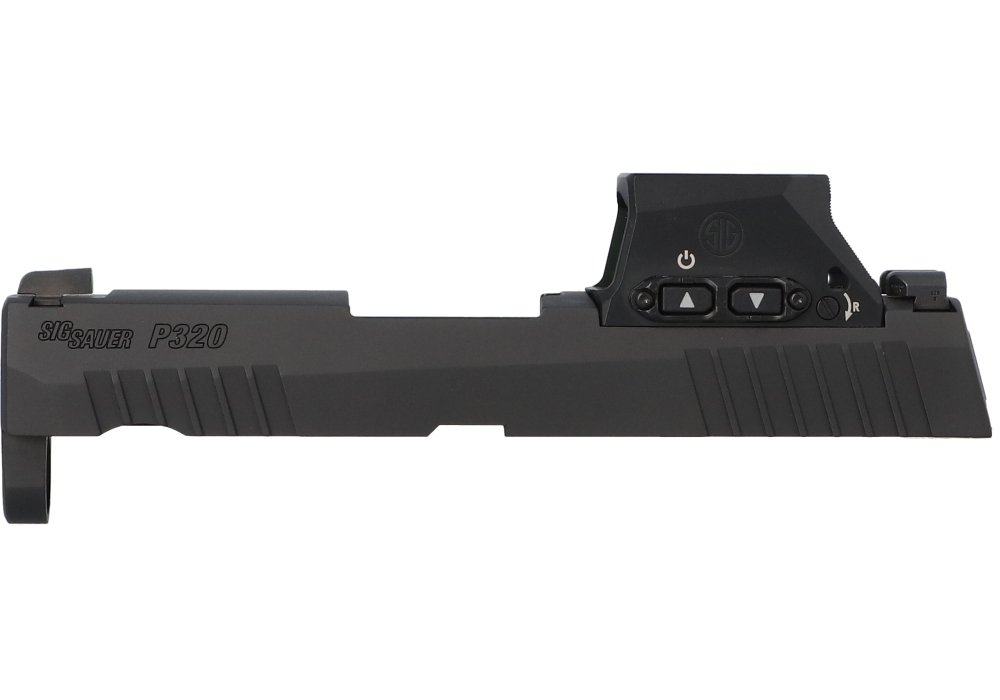
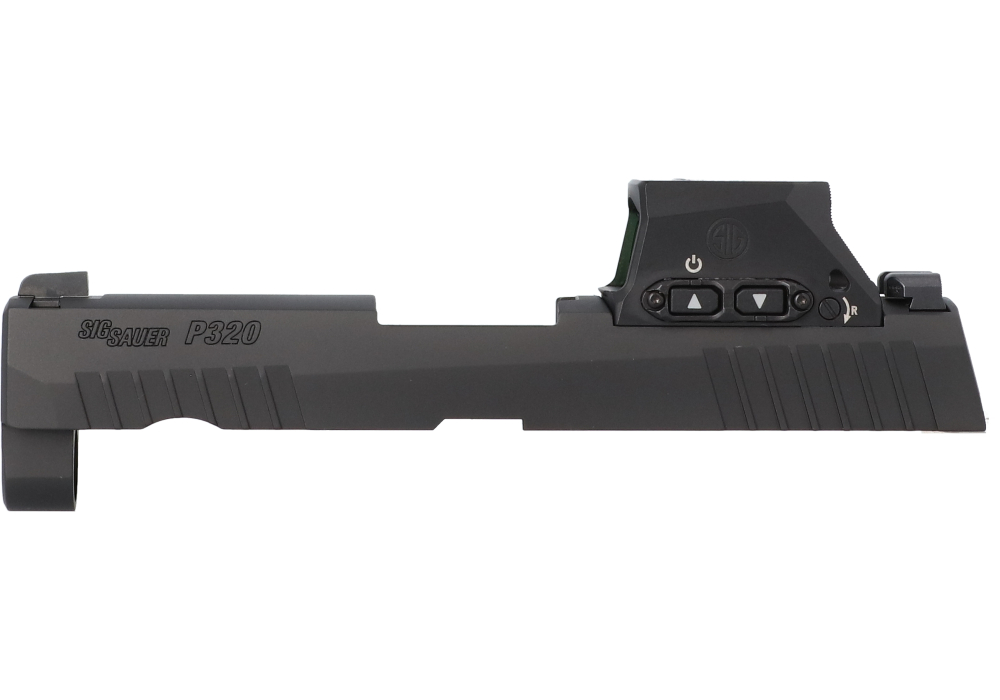
Handling details become especially noticeable when an outdoor session involves wet hands or a pair of shooting gloves. Front and rear serrations, where present, provide textured contact surfaces for normal slide manipulation. Their depth, spacing, and placement influence how the slide feels, but a more aggressive pattern is not automatically better for every owner. Pronounced edges may feel secure through gloves yet rub against clothing or feel uncomfortable against bare skin in some carry arrangements. A range-focused pistol and a pistol carried regularly can therefore place different demands on the same feature. Holster compatibility matters, too: changes in slide dimensions, sight height, or an attached optic can affect clearance and retention, even when the frame remains unchanged. Sight configuration is another useful point of comparison for fall use, when outdoor sessions may extend into softer afternoon light. Iron sights should offer a sight picture that the owner can read comfortably, with attention to contrast, notch shape, and any luminous elements described in the specifications. Illuminated sight references can help the sights remain visible, but they do not identify a target or replace adequate lighting. Optic-ready slides provide an interface for compatible sight systems; that designation does not mean every optic fits every cut. Mounting footprints, adapter requirements, sight clearance, and the manufacturer’s approved configurations all need to agree. Those details are best confirmed through the relevant documentation rather than appearance or a broad description. Openings, contours, and other exterior design features can also change how easily surfaces are cleaned or how exposed areas collect debris. For routine range practice, familiar handling and dependable operation generally matter more than elaborate styling. An owner who trains regularly, a recreational target shooter, or someone maintaining a pistol for lawful everyday carry may each value a different balance of texture, sight setup, and exterior finish. Professional installation and an appropriate function assessment help establish that a compatible assembly works correctly with the rest of the pistol, without treating fit as something to improvise.
Care for a pistol slide assembly follows the firearm manufacturer’s instructions, with particular attention to moisture, residue, and the condition of moving contact surfaces. Before inspection or maintenance, the firearm should be unloaded and handled according to its safety procedures, with ammunition kept away from the work area. After a damp range visit, drying accessible surfaces and checking areas where moisture can linger helps protect both the finish and the components beneath it. Cleaning products and lubricants should be suitable for the materials and coatings involved; an aggressive solvent or excessive oil is not a universal solution. A soft cloth, the correct maintenance supplies, and a consistent storage routine often do more for long-term condition than occasional intensive cleaning. Visible wear deserves context rather than guesswork. Minor finish wear at normal contact points can differ from corrosion, cracking, or unusual changes in operation, which warrant evaluation by a qualified professional. Related components such as Pistol Slide Catches serve a separate role from the slide assembly itself and also require exact compatibility with the host pistol. Keeping those distinctions clear helps owners understand component descriptions and discuss maintenance needs accurately. Seasonal storage brings another consideration: a case that protects equipment in transit may retain moisture if a pistol is packed away before it is dry. Follow the manufacturer’s storage recommendations, protect the firearm from unauthorized access, and inspect it periodically rather than assuming a closed case provides complete protection. For a gift, a slide assembly is most appropriate when the recipient’s exact pistol configuration and preferences are known. An experienced owner may appreciate a compatible replacement that matches an established sight setup or restores a familiar handling feel, while an uncertain fit can leave an otherwise thoughtful gift unsuitable. Across fall outings and the winter sessions that follow, lasting value comes from an assembly that suits the owner’s actual use, works with the specified components, and receives careful maintenance. Durable materials, a protective finish, clear compatibility information, and practical handling features remain relevant long after a seasonal range bag is unpacked.