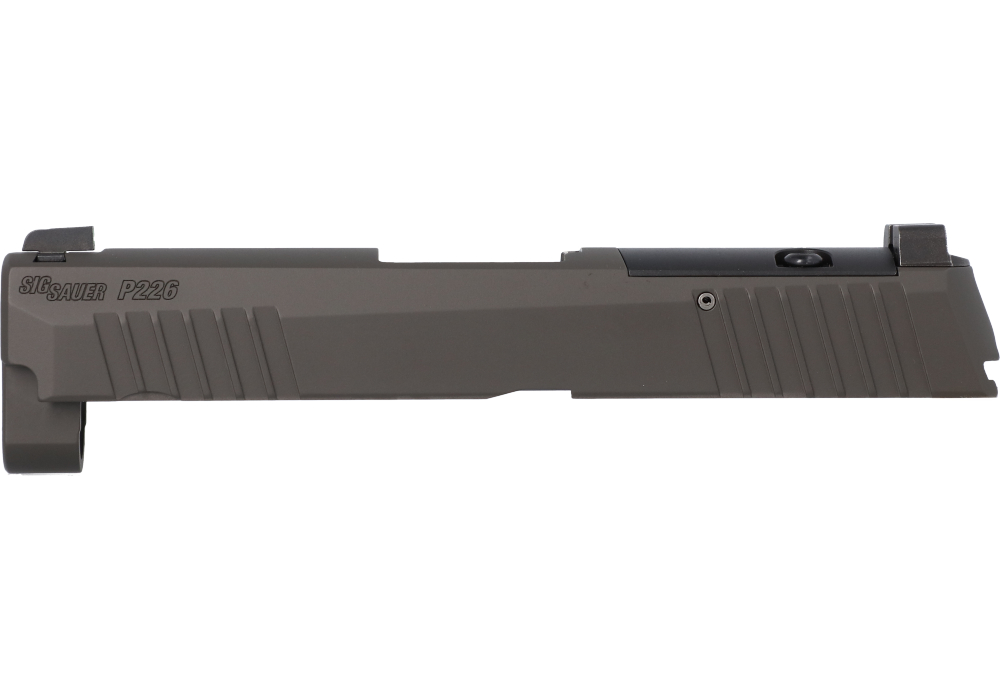
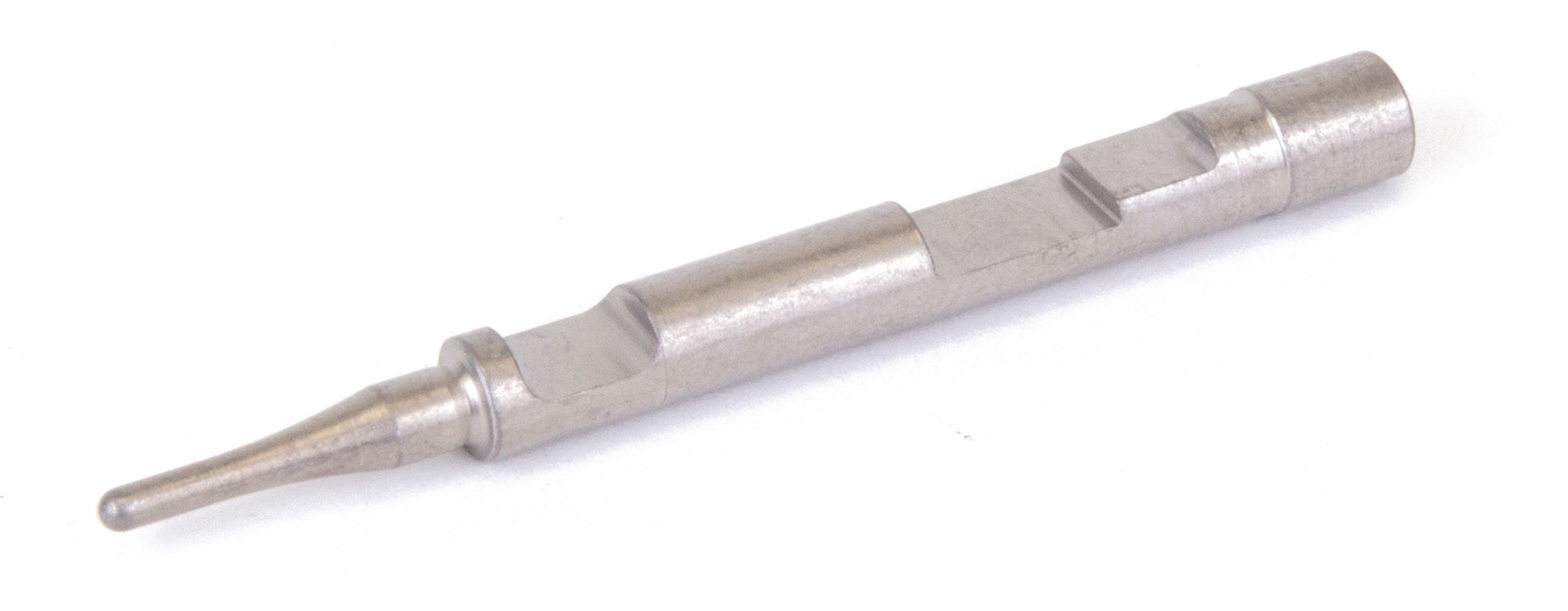
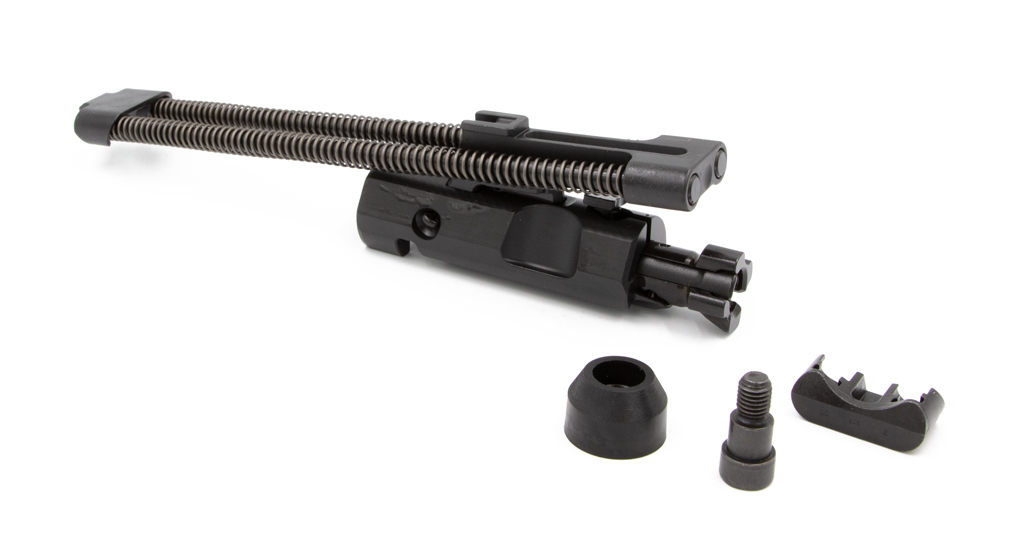
Pistol assemblies bring together the major components that make a handgun’s upper section function as a coordinated system. In many cases, a pistol slide assembly includes the slide, barrel, recoil spring, guide rod, and the internal striker or firing pin components, although the exact contents vary by platform and whether the assembly is sold complete, partially assembled, or stripped. The slide is the reciprocating upper housing that moves rearward and forward during the firing cycle. The barrel provides the bore through which the projectile travels, while the recoil spring and guide rod help return the slide to battery after recoil. A firing pin or striker assembly transfers impact to the primer when the trigger mechanism is activated. Because these parts work together with precise tolerances, a complete pistol assembly can be a practical choice for replacing worn components, restoring a compatible frame, configuring a second upper assembly, or completing a project built around an established platform. It is important to review the manufacturer’s specifications before purchase, including the exact model designation, generation, caliber, barrel length, slide cut, optic interface, extractor style, and compatibility with the intended frame or fire control unit. A visually similar assembly is not necessarily interchangeable, and even small differences in locking surfaces, recoil system dimensions, or internal parts can affect fit and function. Shoppers should also confirm whether sights, an optic-ready cut, a cover plate, magazines, or other components are included, since package contents can differ considerably. Some assemblies are ready for installation by a qualified individual familiar with the platform, while others may require additional parts or professional fitting. For classic designs and tightly fitted metal-frame pistols in particular, a gunsmith may need to inspect or fit the slide and barrel rather than relying on appearance alone.
Pistol assemblies can serve a range of lawful, responsible uses. A recreational shooter may select a replacement assembly to refresh a well-used handgun, while a competitor may look for a configuration that supports a preferred sighting system, barrel length, or balance. A personal-defense owner may choose a factory-compatible replacement so the handgun remains consistent with a familiar grip, trigger, and control layout. A qualified armorer or gunsmith may use assemblies when servicing customer firearms, replacing damaged parts, or evaluating how different configurations perform within the manufacturer’s approved specifications. The best choice begins with the intended role: a compact assembly may suit discreet storage and easy handling, a longer assembly may offer a longer sight radius, and an optic-ready slide may provide a mounting interface for a compatible miniature reflex sight. Barrel finish, slide material, serration placement, sight compatibility, and corrosion resistance can also influence the decision, especially for firearms that are handled frequently or stored during cooler, wetter conditions. Standard and extended capacity considerations belong to the complete firearm and magazine setup rather than the slide alone, so buyers should verify local requirements and the specifications of the frame and magazines being used. Pistol assemblies can also be a thoughtful gift for an experienced firearm owner, gunsmith, or enthusiast, but they are best purchased with the recipient’s exact platform information in hand. A gift chosen without confirming model, caliber, and configuration may create an expensive mismatch. When giving any firearm component, responsible ownership remains central: the recipient should be legally eligible to possess it, understand safe storage practices, and have access to appropriate training and maintenance resources. Keep assemblies secured from unauthorized access, handle them only in a safe environment, and follow all applicable laws, manufacturer instructions, and range rules.
Before placing an order, compare the assembly’s listed contents with the parts already on hand and identify any components that must be retained from the original configuration. Check whether the package includes a barrel, recoil spring assembly, guide rod, firing pin or striker parts, extractor, sights, optic cover, and required small hardware. Confirm caliber markings and ensure every component is intended for the same operating system; parts from different families may look alike while using different dimensions or interfaces. It is also wise to inspect product descriptions for restrictions involving threaded barrels, compensators, suppressor use, optics, or aftermarket triggers, since one change can affect another. A factory-specification assembly is often the simplest path for a dependable replacement, while a more specialized configuration may be appropriate for an experienced owner who understands the platform and is prepared to verify fitment. After installation or service, a qualified professional should inspect the firearm before it is used, and function checks should be performed only according to the manufacturer’s instructions and applicable law. New owners should complete hands-on instruction with a certified instructor rather than treating an assembly purchase as a substitute for training. Proper cleaning, light lubrication at approved contact points, secure storage, and periodic inspection help preserve the relationship between the slide, barrel, recoil system, and frame over time. For shoppers exploring related firearm component categories, Rifle Assemblies offer a separate selection of assembled rifle components and platform-specific configurations. Whether replacing a worn upper section, preparing a carefully planned build, or selecting a compatible assembly for a trusted handgun, attention to specifications and professional guidance helps support safe, reliable ownership through every season.