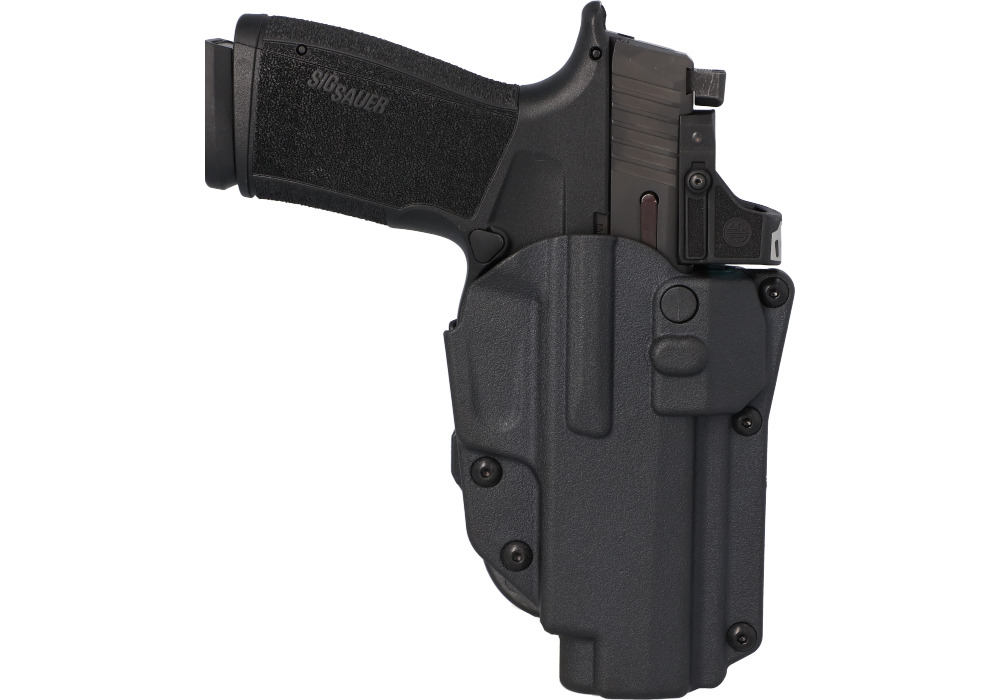
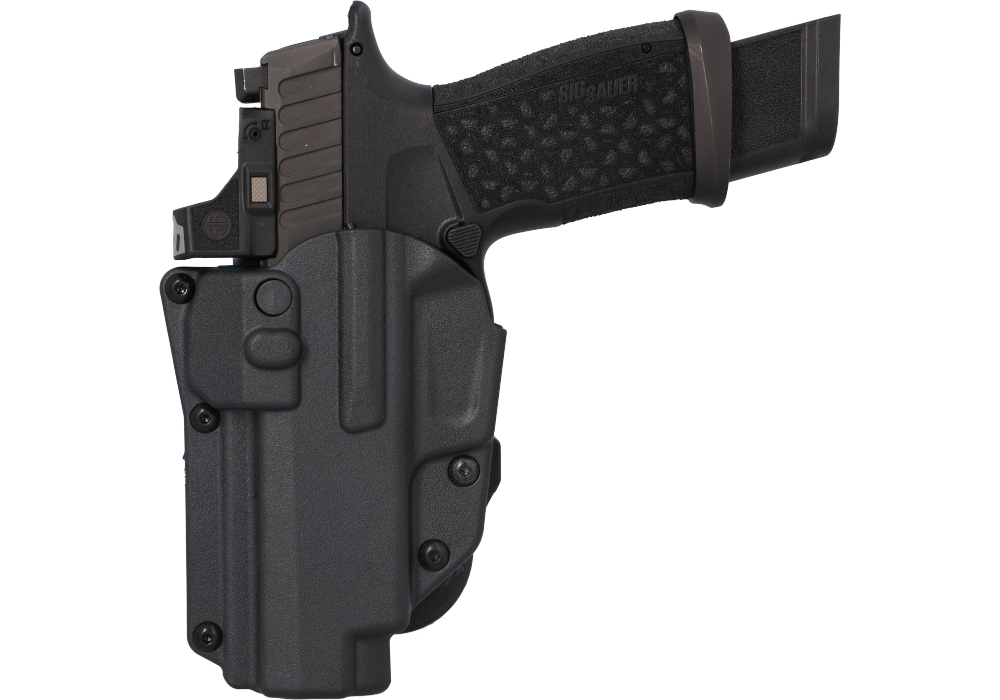
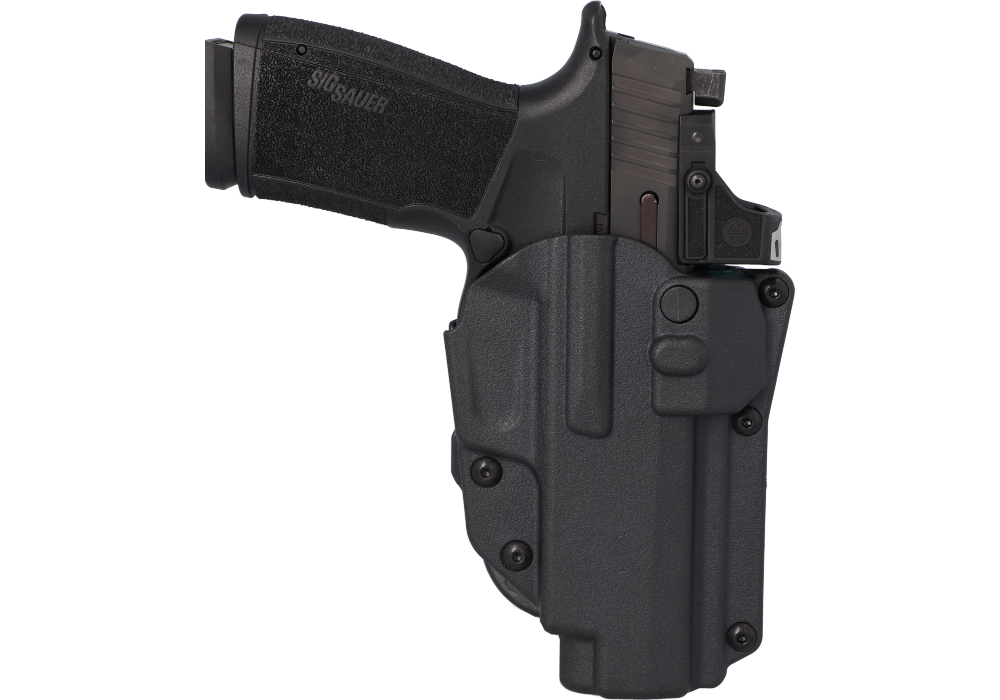
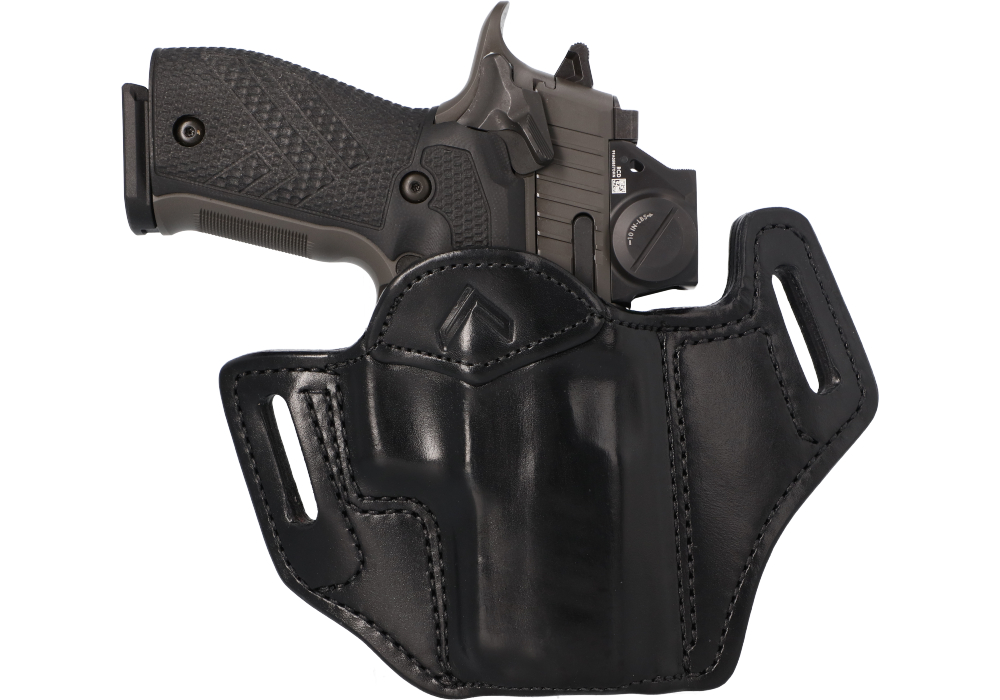
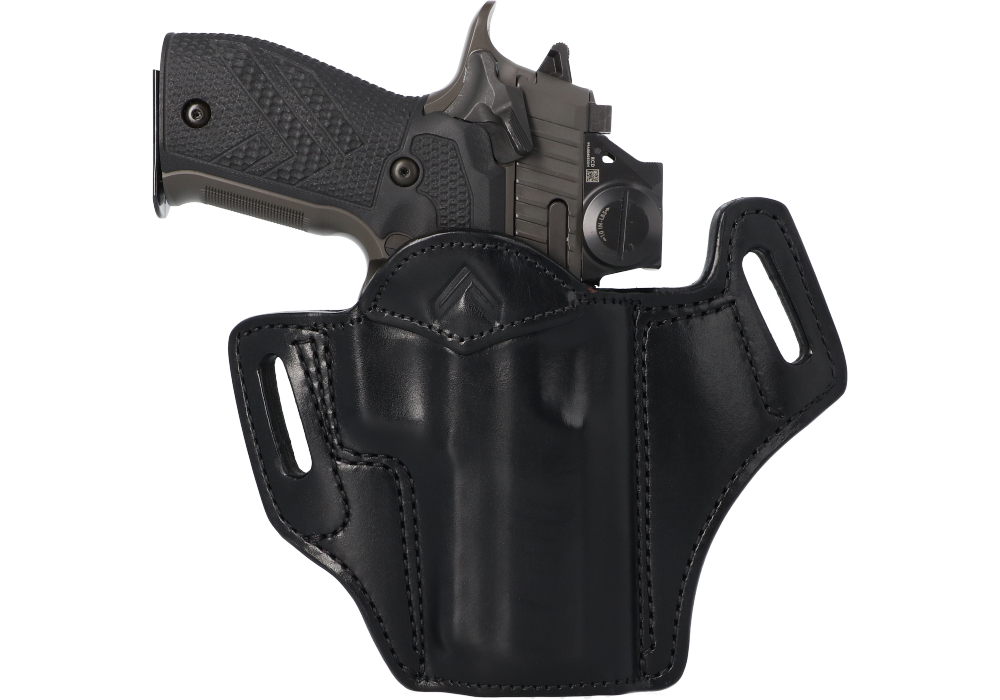
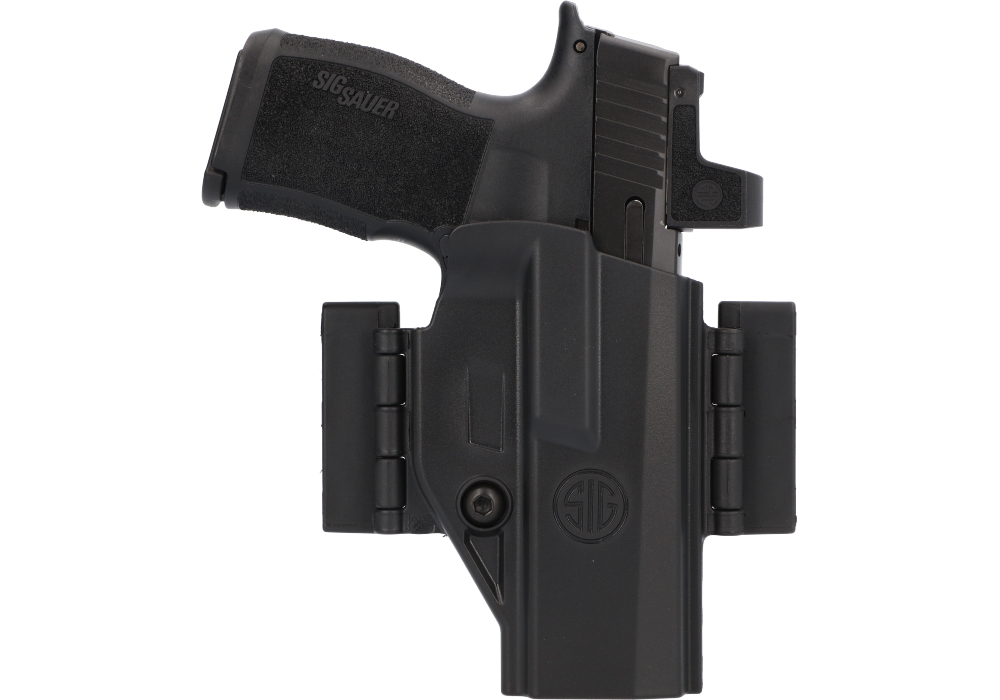
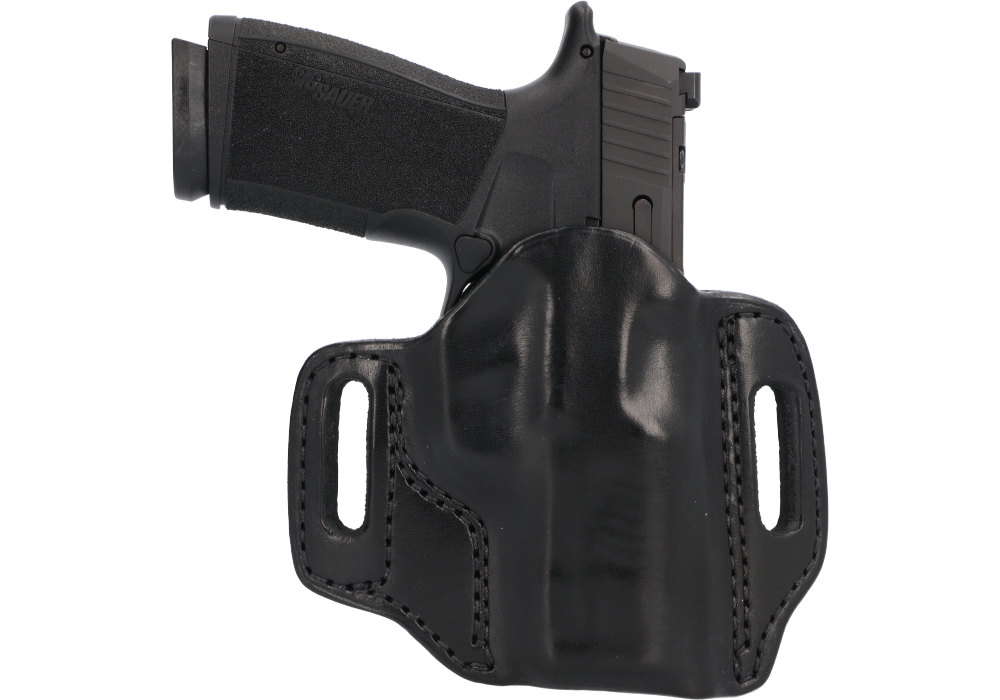
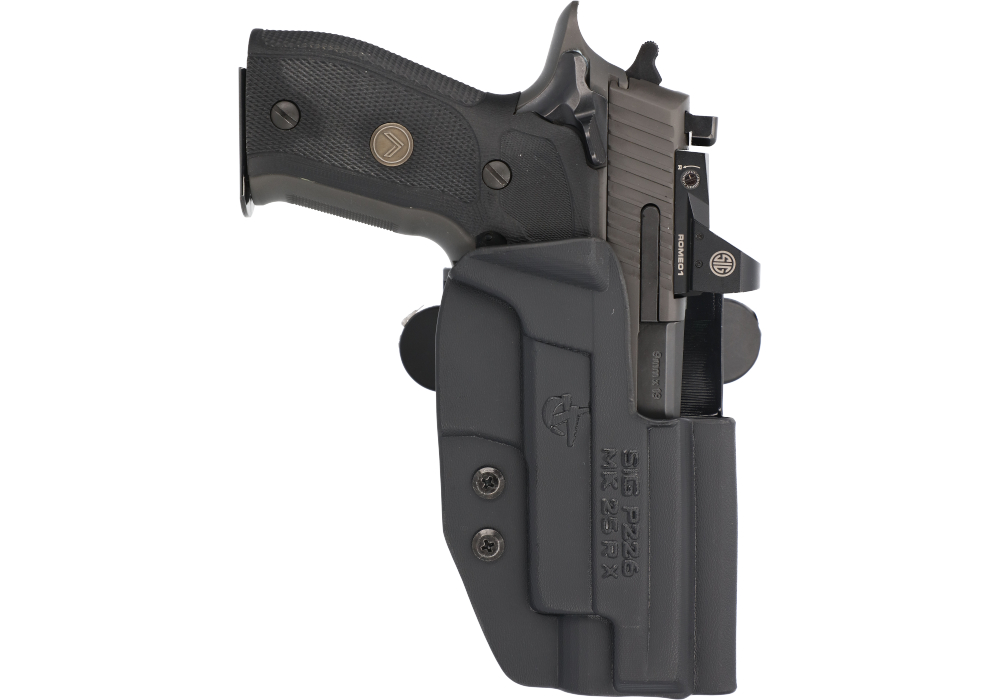
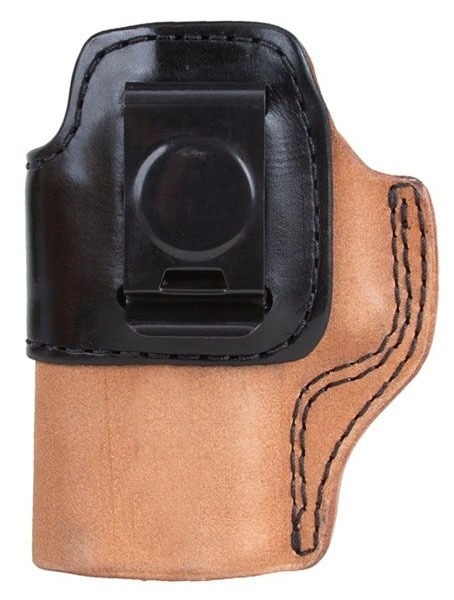
Belt slide holsters are outside-the-waistband (OWB) handgun holsters that attach directly to a belt through integrated slots or loops. This arrangement positions the handgun alongside the waist, with the belt supporting its weight and helping keep the holster close to the body. Unlike a design that relies on a separate paddle, a traditional belt slide uses the belt itself as the connection between the holster and the wearer. The result is a relatively simple carry platform with few attachment components, suited to people who prefer a stable belt-mounted setup for lawful everyday carry, range visits, or other permitted activities. The position and spacing of the belt slots influence how the holster rests against the waist, while its contours affect how naturally it follows the hip. A close-fitting profile can help limit outward bulk, although concealment still depends on the handgun, holster dimensions, body shape, and clothing. A shirt or jacket that hangs freely may cover an OWB holster more effectively than a closely fitted garment, but no single profile guarantees concealment for every wearer. Belt compatibility matters just as much as the shape of the holster. Slots intended for a particular belt width should match that width, and a supportive belt helps prevent sagging or rolling under the handgun’s weight. An ordinary dress belt may fit through the openings without providing enough structure for comfortable carry. Everyday situations reveal these differences: sitting at a desk, fastening a seat belt, or bending to pick up a bag can change how the holster contacts the body. Comfortable belt slide holsters balance support with a shape that suits the wearer’s routine, rather than depending on an excessively tight belt to hold everything in place. Their appeal lies in that straightforward relationship between belt, holster, and handgun, with each part contributing to a consistent fit.
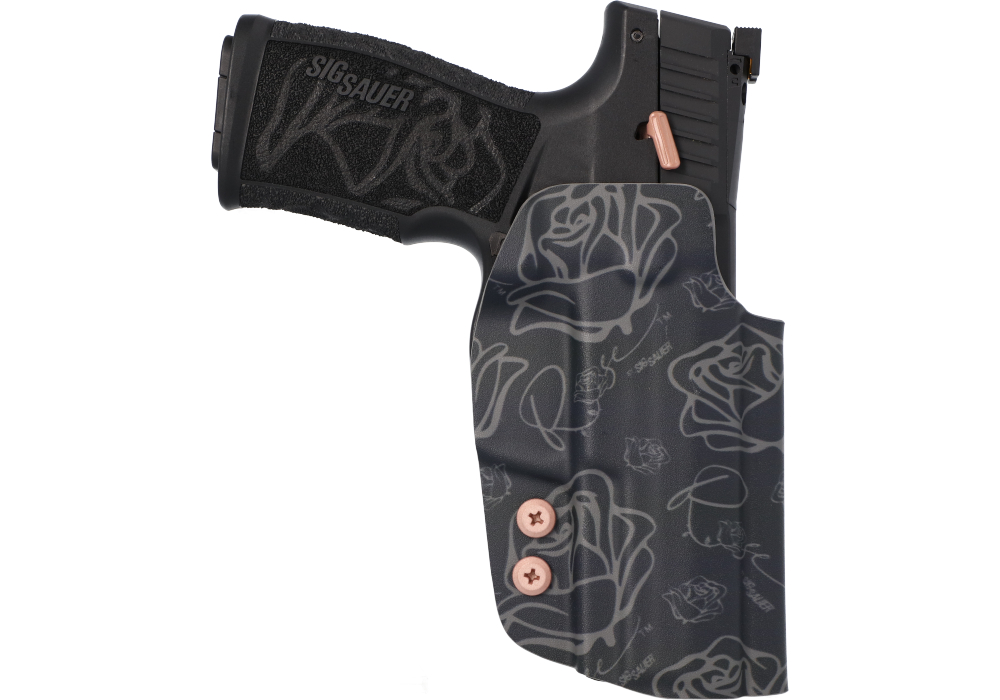
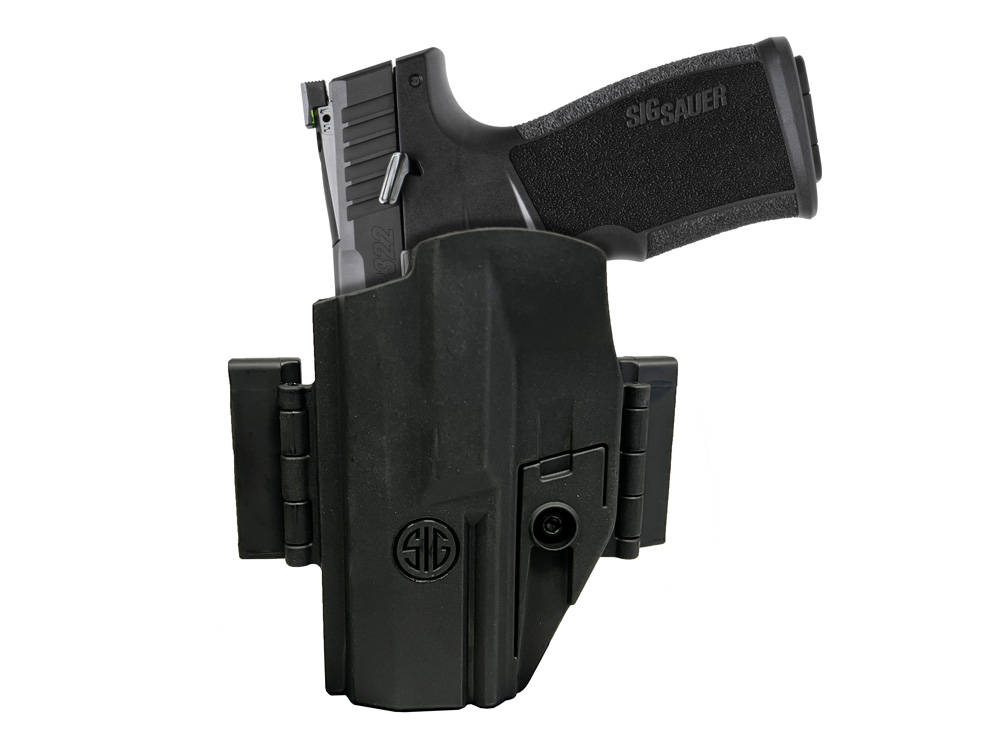
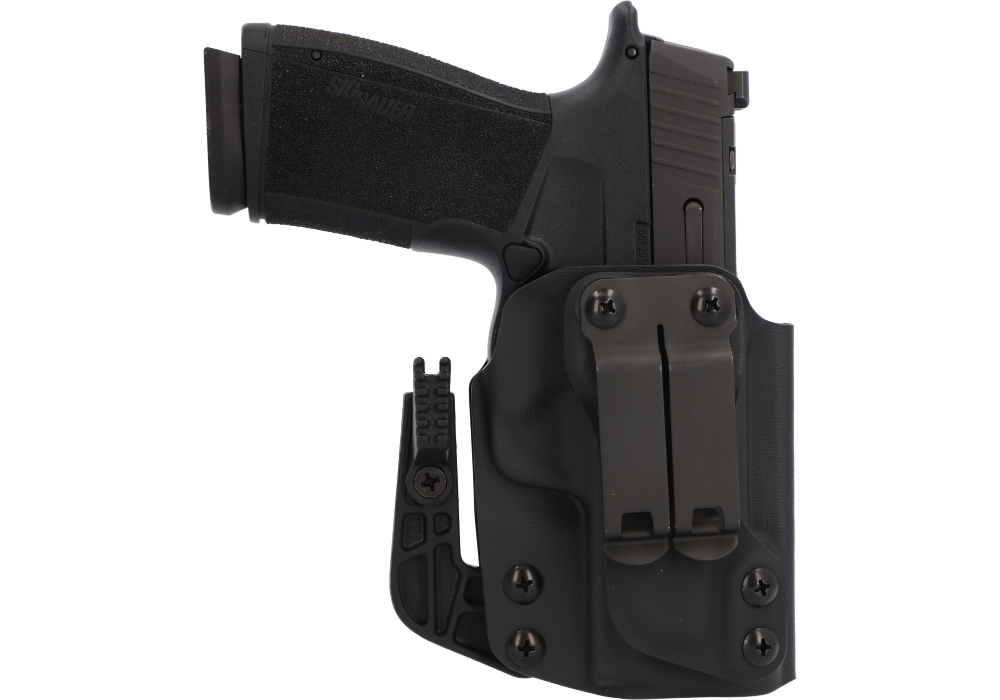
Materials give belt slide holsters much of their character, but material alone does not determine quality or suitability. Leather offers a traditional appearance and can gradually conform to the wearer while retaining the structure necessary to support the handgun. Its thickness, molding, stitching, and edge finishing all influence how it feels and how well it holds its shape. Smoothly finished edges can reduce rubbing against clothing, and sound stitching helps the belt slots withstand repeated use. Leather should remain supportive around the holster opening; excessive softness or distortion can interfere with safe use. Molded polymer offers a firmer shape and generally requires less conditioning, with surfaces that are easy to wipe clean. Depending on the design, a rigid shell may provide adjustable retention, while a leather design may rely on molding, tension, or a separate retaining feature. Neither approach is automatically right for every wearer. The important distinction is whether the holster securely retains the intended handgun and fully covers the trigger guard when the handgun is seated. Fit should be confirmed for the exact firearm configuration, not inferred from a similar outline or a broad size description. Barrel length, slide dimensions, frame shape, and external controls can affect compatibility, and accessories such as a mounted light or an optic may require a specifically compatible holster. An open muzzle does not establish that a holster will safely accommodate every handgun with a longer barrel. Likewise, a snug fit is not sufficient if the firearm cannot seat correctly or the holster contacts a control. Handedness, ride height, and carry angle also deserve attention because they influence placement and comfort. Someone who spends much of the day seated may prefer a different profile from someone who is mostly standing. A thoughtful choice brings these details together without treating universal fit, minimal bulk, or one material as a substitute for proper compatibility.
Long-term satisfaction with a belt slide holster depends on care, inspection, and realistic expectations about its intended use. Dust, lint, and grit can collect inside a holster or around belt openings, especially when it accompanies regular range visits or daily wear. Clean contact surfaces help protect both the holster and the handgun’s finish, although repeated contact can still leave visible wear over time. Leather benefits from care appropriate to its finish; excessive oil, heavy saturation, or unsuitable treatments can soften areas that need to remain firm. Polymer generally needs straightforward cleaning, but harsh chemicals and excessive heat can affect some materials. Manufacturer care recommendations are the best reference for either construction. Regular inspection can reveal loosened hardware, fraying threads, stretched belt slots, cracks, or changes around the trigger guard before those issues become more serious. Retention should remain consistent, and any change in fit deserves attention rather than an assumption that it is simply part of normal break-in. Comfort also depends on the complete setup. A compatible holster on an unsuitable belt may shift or pull at clothing, while a bulky holster can remain uncomfortable even with excellent support. For frequent range visitors, useful qualities include dependable retention, durable attachment points, and a shape that stays comfortable through time spent standing and sitting. For lawful concealed carry, the relationship between coverage, clothing, and secure positioning deserves equal consideration, along with applicable laws and location-specific restrictions. The related Strong Holsters collection provides another place to compare holster designs while keeping those same fit and support considerations in mind. A belt slide holster can also be a practical gift for a responsible handgun owner, provided the recipient’s exact firearm configuration, preferred carry side, and belt dimensions are known. Personal preferences matter here: the familiar feel of leather, the defined structure of polymer, or a particular ride position can shape everyday comfort. The most useful choice is one that matches the wearer’s equipment and routine while maintaining secure retention and complete trigger-guard coverage.