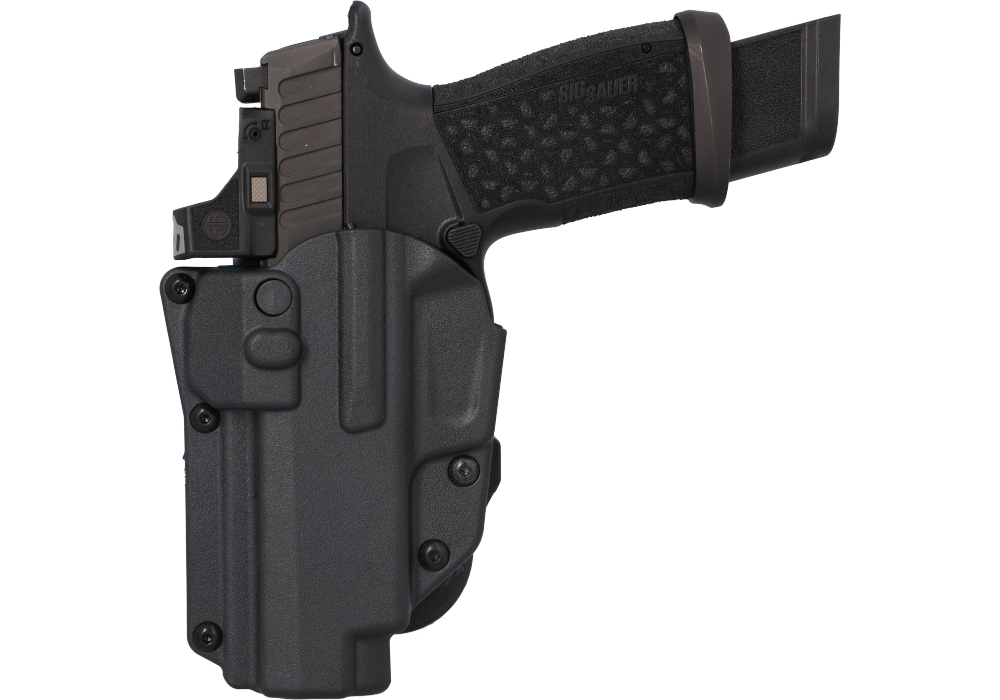
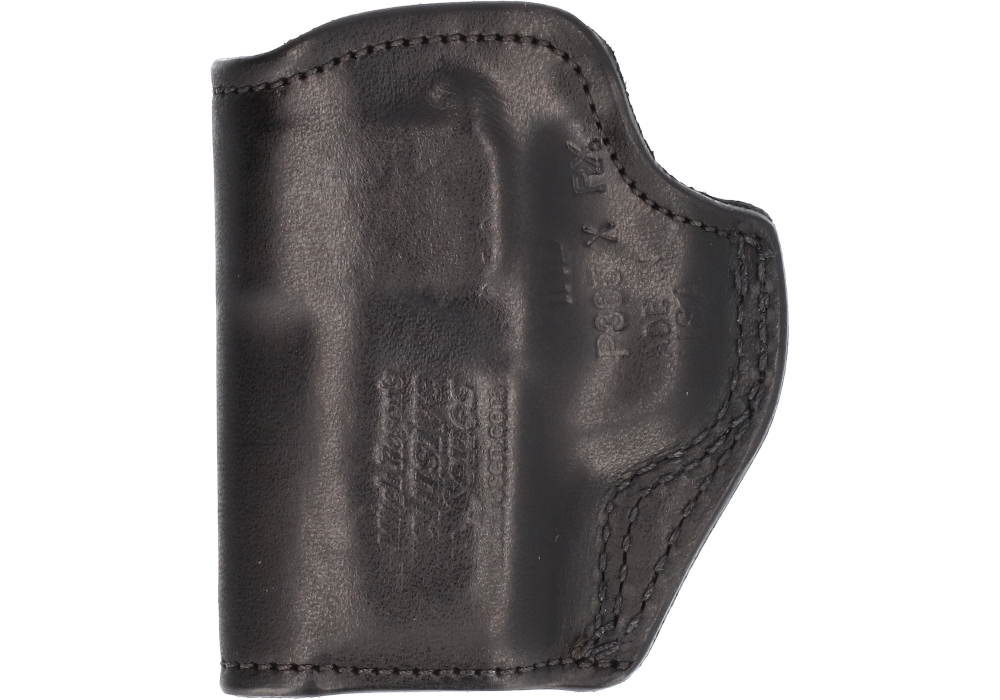
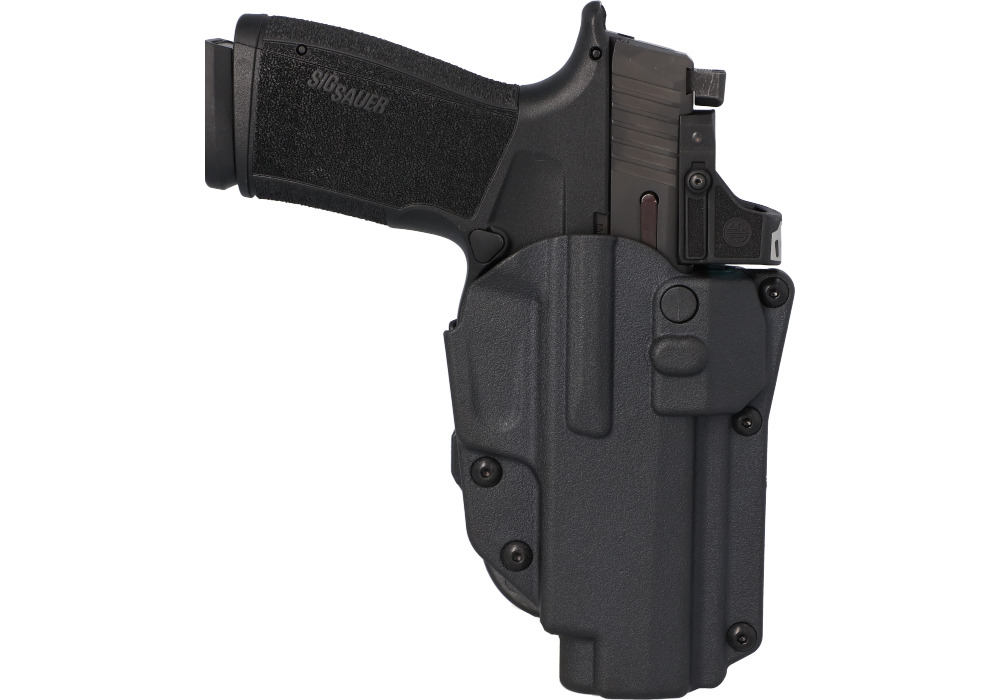
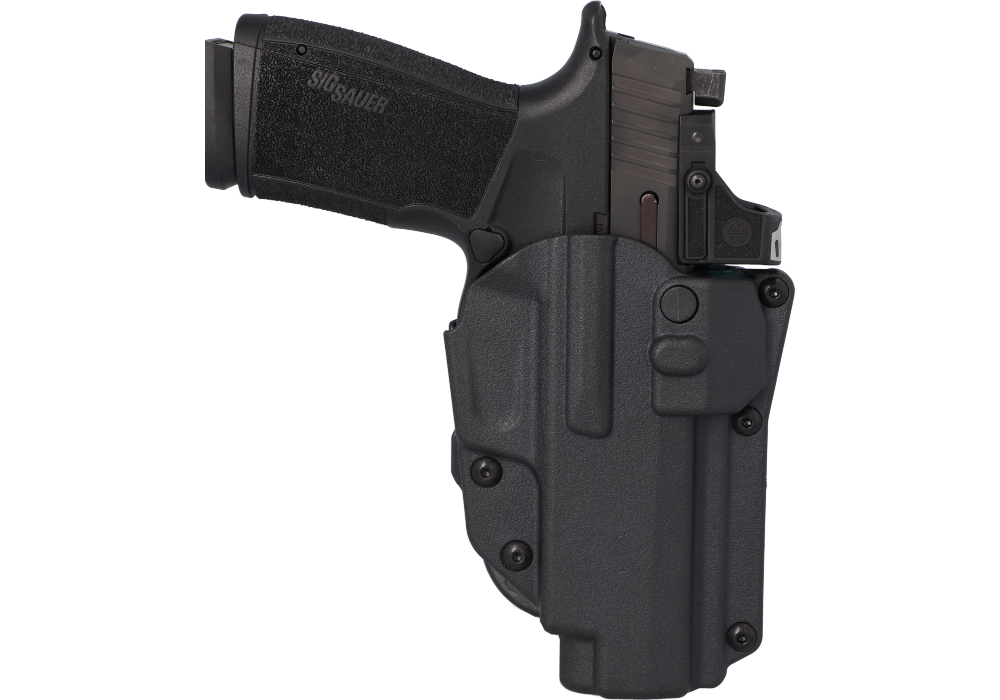
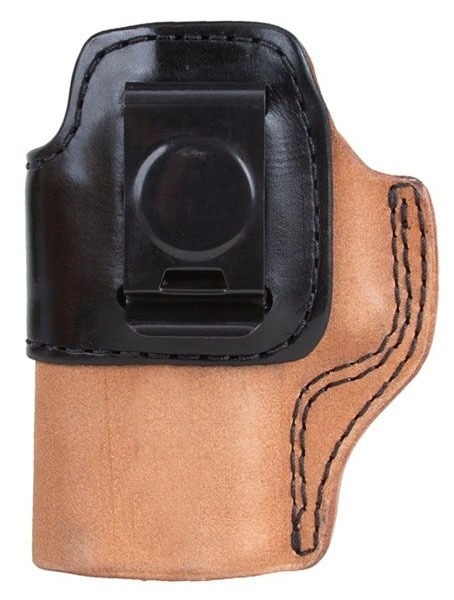
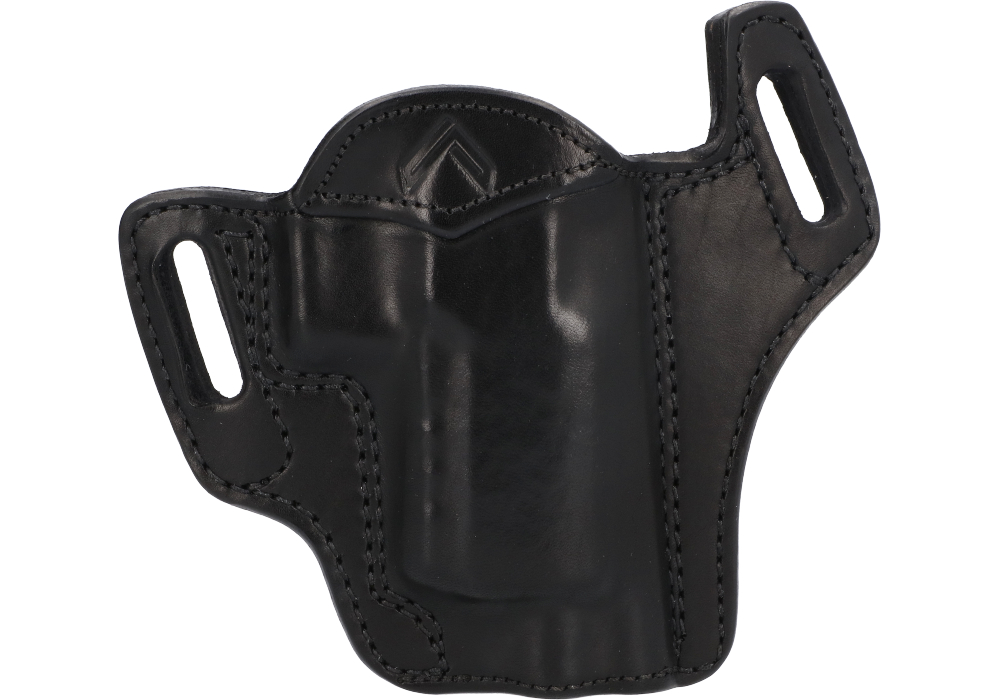
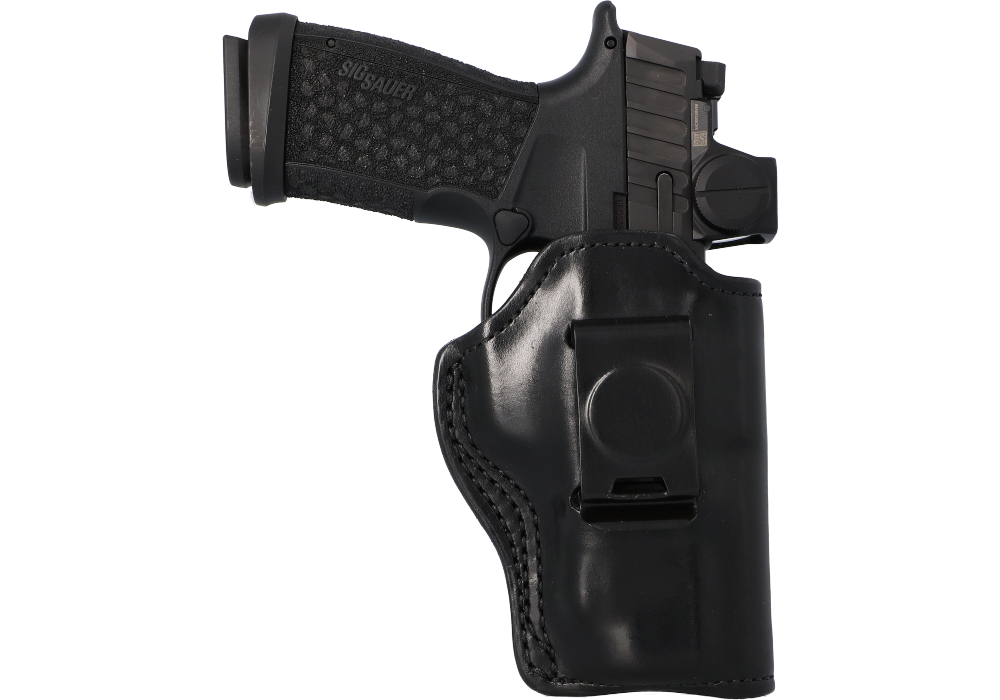
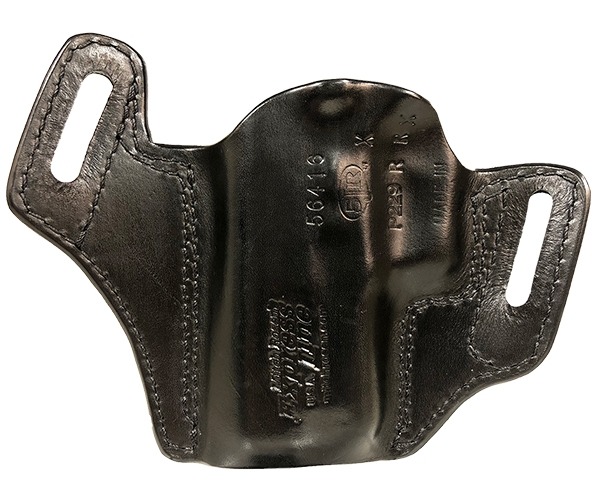
Strong holsters combine durable materials, dependable firearm fit, and construction that stands up to repeated use. Strength matters at more than the surface: the shell, stitching, attachment points, and retention system all contribute to how a holster supports a firearm throughout ordinary movement. A well-fitting holster covers the trigger area, keeps the firearm securely positioned, and limits access by clothing or other objects that could interfere with safe handling. Leather, molded polymers, and reinforced textiles each approach those requirements differently. Leather offers a traditional appearance and can conform gradually to the wearer, while its thickness, shaping, and reinforcement influence how well it maintains its structure. Closely spaced stitching and neatly finished edges are useful details to examine, particularly around belt slots and other areas that experience repeated tension. Molded polymer holsters provide a defined shape, with contours intended to match a particular firearm configuration. Their rigidity can help preserve the opening when the firearm is removed, although overall performance still depends on appropriate fit and sound attachment hardware. Textile holsters vary considerably in structure; reinforced panels, secure seams, and adequate trigger protection matter more than a fabric’s appearance alone. No material is automatically the best choice for every person or purpose. Someone carrying during a permitted workday may prioritize stable positioning and comfort over several hours, while a range visitor may place greater emphasis on compatibility with a dedicated belt setup. Professional users may also need specific retention features required by their organization. Across these settings, strength is best understood as a balance of support, durability, and suitability rather than bulk or stiffness alone. A substantial shell cannot compensate for loose mounting hardware, just as attractive leather cannot compensate for an incorrect firearm fit. The most useful construction details are the ones that work together consistently, keeping the holster secure without creating unnecessary pressure or interfering with normal movement.
Fit begins with the firearm’s exact configuration, not simply its general size or appearance. Differences in frame dimensions, barrel length, sights, and attached accessories can affect whether a holster seats properly and protects the trigger area as intended. Manufacturer compatibility information is therefore more meaningful than a visual comparison between two similarly sized firearms. Retention also varies by design. Some holsters rely on their molded shape or adjustable tension, while others incorporate a mechanical locking feature. These approaches serve different needs, and additional retention features require familiarity with the manufacturer’s operating instructions. For professional carry, organizational requirements may determine which systems are appropriate. For personal carry where lawful, comfort and concealment often shape the decision alongside retention. Inside-the-waistband designs sit between the body and waistband, making overall thickness, edge finishing, and clothing fit especially noticeable. Outside-the-waistband designs position the holster externally, with belt placement and the shape of the attachment system influencing how closely it rests against the wearer. Broadly spaced belt slots can distribute support across a wider area, while other mounting arrangements offer different positioning options. Neither approach eliminates the need for a compatible belt with enough structure to support the setup. A holster that feels comfortable while standing may feel different during a long drive, at a desk, or when bending to tie a shoe. Those everyday situations reveal why ride height, angle, and the location of hard edges deserve attention. Clothing should not obstruct the holster’s opening or interfere with its retention features, and safe handling remains essential whenever clothing or equipment is adjusted. For shoppers comparing more compact carry formats, Small Holsters offers a related category to consider, with firearm compatibility remaining the deciding factor rather than size alone. Strong holsters do not need to be oversized; an appropriately proportioned design can provide firm support while avoiding material that adds discomfort without improving function.
Long-term durability depends on both construction and care. Sweat, dust, body oils, and repeated contact with clothing can affect a holster’s surfaces and hardware over time, even when wear is not immediately obvious. Leather generally benefits from gentle cleaning and only the care products recommended by its manufacturer; excessive conditioning can soften areas that need to remain supportive. Molded polymer surfaces are often straightforward to wipe clean, but harsh chemicals, abrasive tools, and excessive heat may damage the material or alter its shape. Textile designs have their own cleaning requirements, particularly where padding, liners, or reinforced sections retain moisture. Any cleaning routine should follow the manufacturer’s directions, with the firearm removed and safely secured before maintenance begins. A holster should be fully dry before returning to use. Periodic inspection can reveal loose fasteners, worn attachment points, fraying seams, or changes in retention that deserve attention. Cracks, significant deformation, or softened material near the trigger area are functional concerns, not merely cosmetic blemishes. Hardware should be maintained according to the manufacturer’s specifications rather than tightened indiscriminately, and replacement components should be compatible with the original design. These details matter to frequent carriers, range participants, and professionals whose equipment sees repeated use, but occasional users also benefit from checking gear that has spent time in storage. A holster is not a substitute for secure firearm storage, and carrying arrangements must comply with applicable laws and workplace or facility rules. As a gift, a holster is most appropriate when the recipient’s firearm configuration, preferred carry position, and equipment requirements are already known. A familiar style or appealing finish is not enough to establish a suitable match. Strong holsters earn their place through practical details: secure attachment, appropriate retention, protective coverage, and materials that remain serviceable with proper care. Those qualities support a comfortable, consistent setup built around the wearer’s actual routine rather than appearance alone.