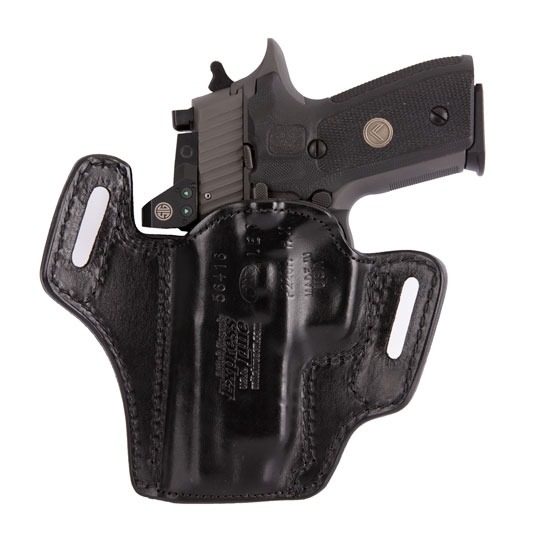
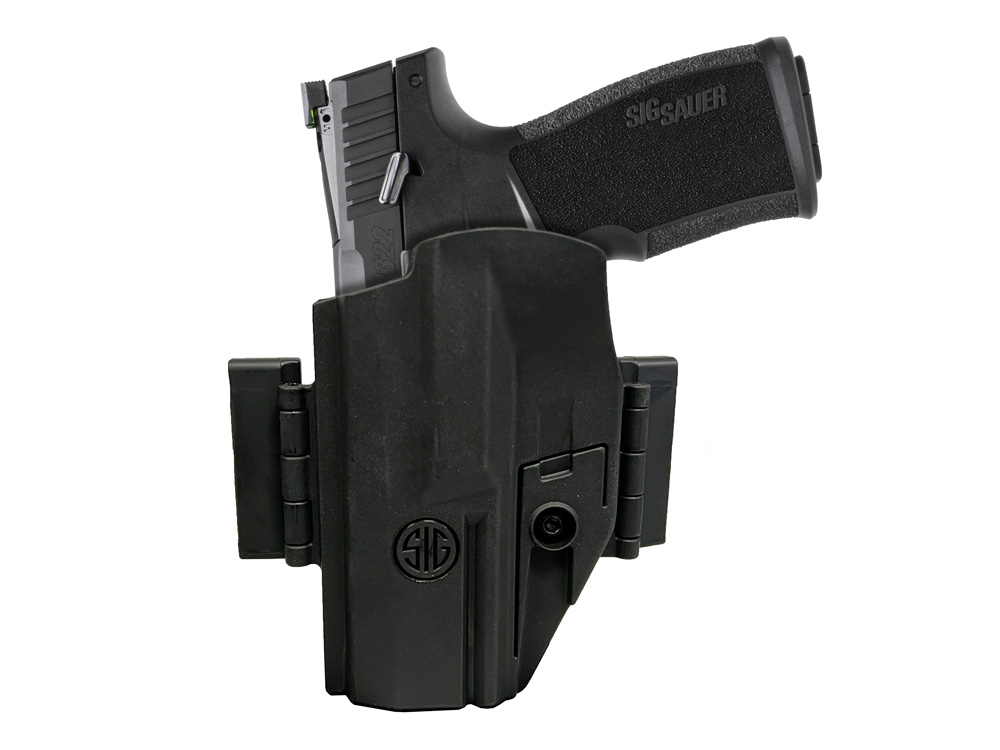
Black leather holsters bring together a familiar, refined appearance and the practical structure needed for everyday handgun carry. Their smooth black finish works naturally with workwear, outdoor clothing, uniforms, and formal attire, while quality leather can develop a distinctive patina as it is worn and cared for. A well-designed holster should do more than hold a firearm; it should keep the handgun positioned consistently, protect the finish from unnecessary contact, cover the trigger guard, and support a controlled draw and secure reholstering. These considerations make firearm compatibility the first priority when comparing black leather holsters. The holster should be selected for the exact make and model of the handgun, including the slide length, frame dimensions, sights, controls, light or optic configuration, and any other installed accessories. A holster that fits one handgun may not safely fit another, even when the firearms look similar. Buyers should also consider whether they need room for a standard or extended capacity magazine, whether the design is intended for a right- or left-handed draw, and whether the retention system matches their preferred carry style. Leather may feel firm when new and gradually conform to the firearm through careful use, but it should never be forced, stretched aggressively, or modified in a way that compromises trigger coverage or retention. Regular inspection is worthwhile, especially around belt loops, stitching, snaps, and molded areas. During the cooler months, when heavier layers and jackets become part of everyday clothing, a leather holster can provide a comfortable, traditional foundation for a carefully planned carry setup. As with any firearm accessory, users should follow applicable laws, the firearm manufacturer’s instructions, and safe handling practices, and should train with an unloaded firearm before carrying a new holster configuration.
The carry position has a direct effect on comfort, concealment, accessibility, and how the holster fits into daily routines. Inside-the-waistband, or IWB, black leather holsters sit between the body and the waistband and are often chosen by people who prioritize concealment under a shirt, overshirt, or jacket. Their placement can be adjusted around the waist to find a balance between a discreet profile and comfortable movement, though pants fit and belt support become especially important. Outside-the-waistband, or OWB, designs ride outside the waistband and are valued for an easier presentation, straightforward access, and a familiar fit for range use, duty applications, outdoor activities, or concealed carry under a longer garment. A sturdy gun belt can make a noticeable difference with OWB carry by reducing movement and helping the holster remain in a consistent position. Shoulder holsters distribute weight across the upper body and may be useful for people who spend long periods seated, drive frequently, or prefer not to place equipment around the waist. They require thoughtful adjustment and practice so the handgun remains secure during ordinary movement. Black leather options can also serve as an attractive addition to a complete shooting kit, pairing naturally with a matching belt, magazine pouch, or other leather accessory without appearing overly conspicuous. Those shopping for a compact handgun setup may also want to browse Small Holsters for designs intended to complement smaller frames and discreet carry preferences. Whatever the style, the most suitable choice is one that remains comfortable through the activities the user actually performs: walking, sitting, driving, bending, working, and moving between indoor and outdoor settings. A holster that feels good for a few minutes in front of a mirror should also remain stable after several hours of ordinary wear.
Black leather holsters can be a thoughtful gift for a new firearm owner, an experienced range visitor, a concealed-carry permit holder, or someone assembling a classic leather carry system, provided the giver knows the recipient’s exact handgun model and preferred carry side. A gift card or carefully confirmed accessory choice may be better than guessing, since small differences in handgun dimensions can affect both fit and safety. For new owners, a holster can mark an important step in building responsible habits: storing the firearm securely when it is not in use, keeping the muzzle pointed in a safe direction, keeping the trigger finger outside the trigger guard until ready to fire, and practicing with the unloaded firearm to become familiar with the holster’s retention and draw path. Experienced users may appreciate the distinctive feel of a new leather option for a different carry position, a second handgun, range days, travel where lawful, or seasonal wardrobe changes. Before purchase, review the product details for intended carry position, handedness, belt attachment method, retention features, material care, and compatibility with accessories such as lights or optics. Leather generally benefits from protection against prolonged moisture, excessive heat, and harsh chemicals; wiping away surface moisture and allowing the holster to dry naturally can help preserve its shape and finish. During wetter weather or long days outdoors, users should inspect the holster more often and confirm that the firearm and leather remain clean and dry. With proper selection and care, black leather holsters offer a dependable-looking, comfortable way to organize handgun carry while adding the timeless character of a traditional leather accessory to a modern shooting setup.