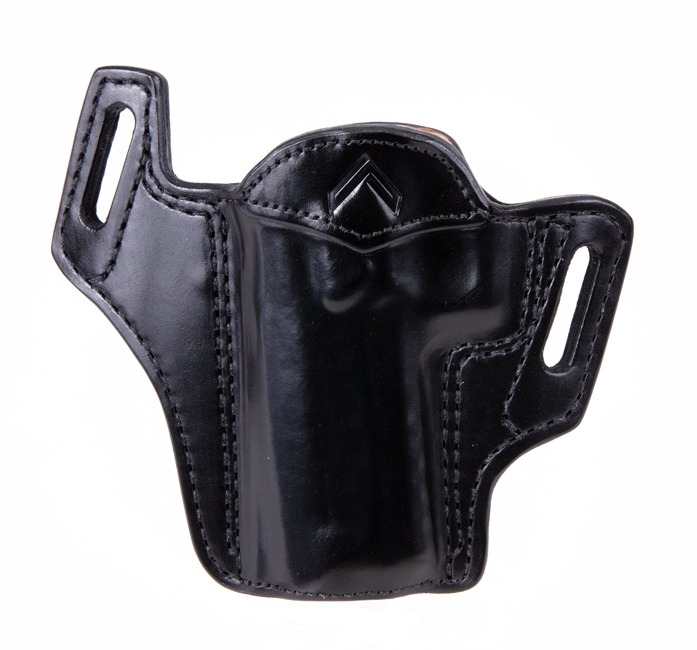
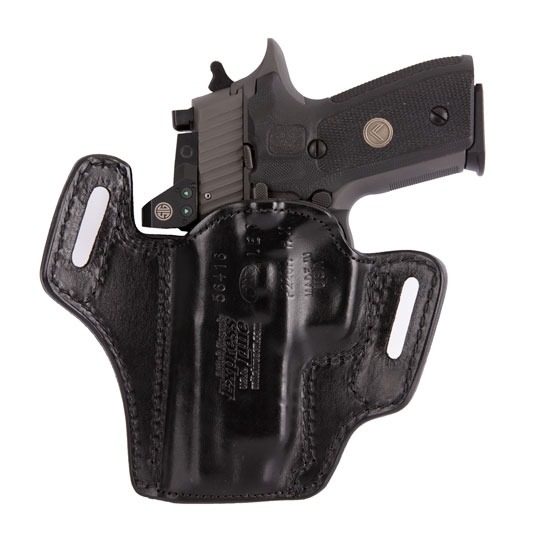
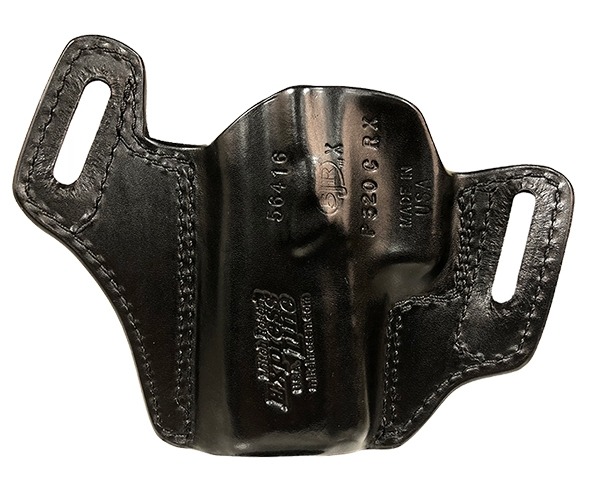
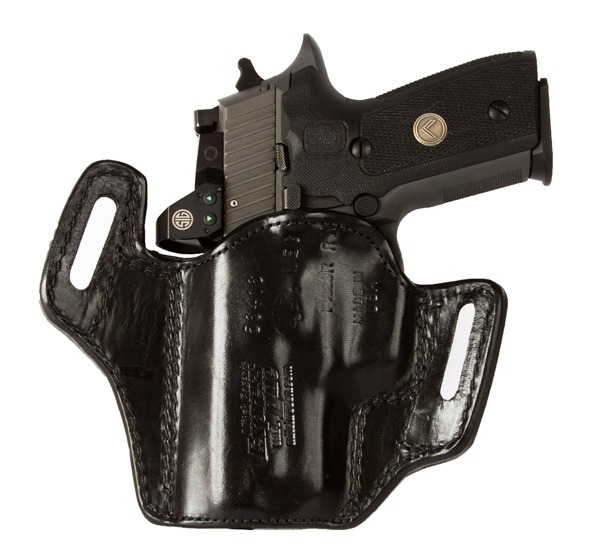
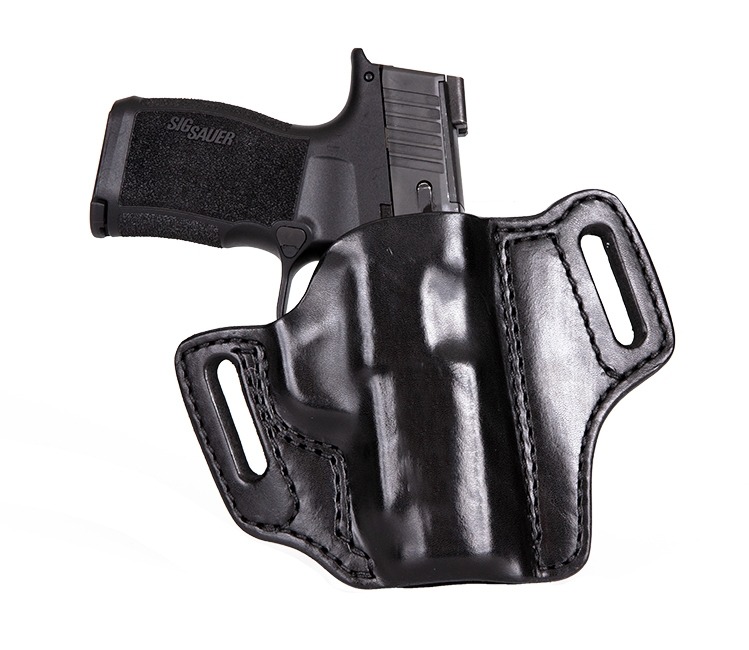
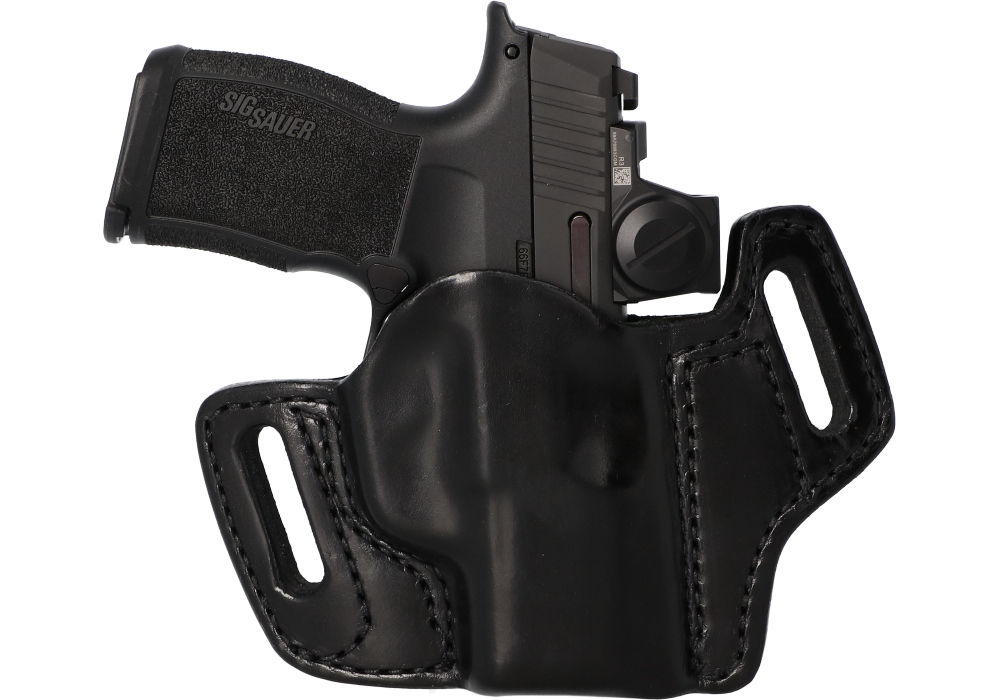
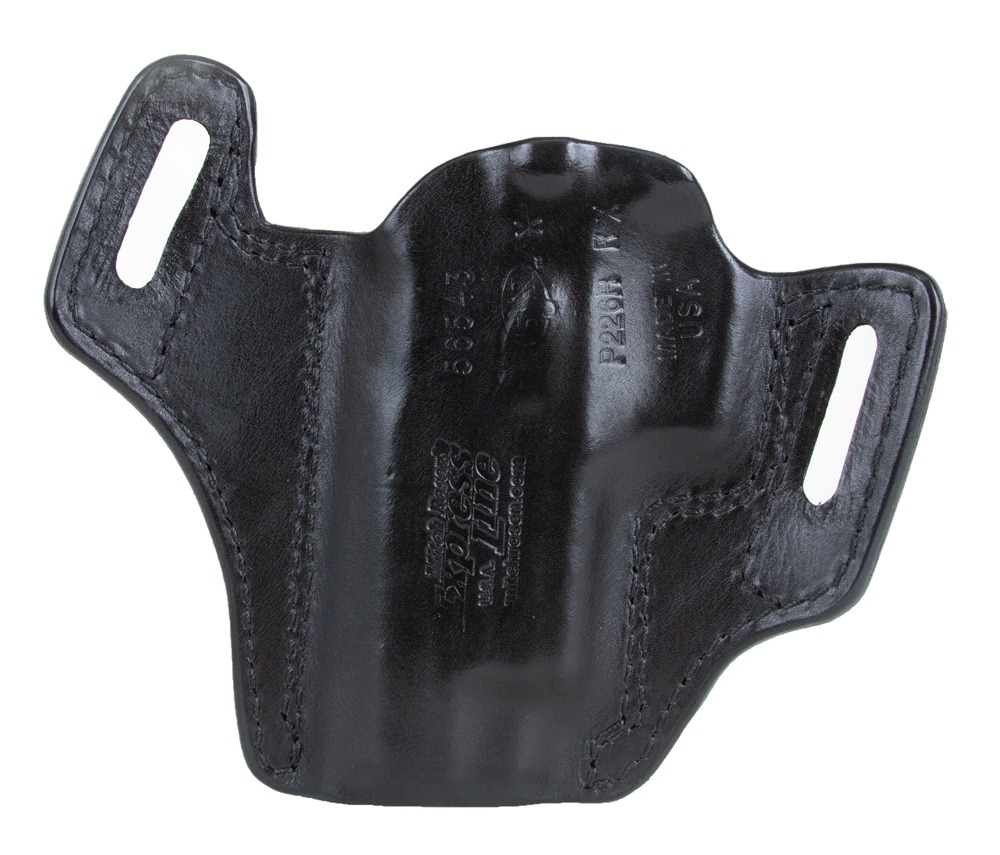
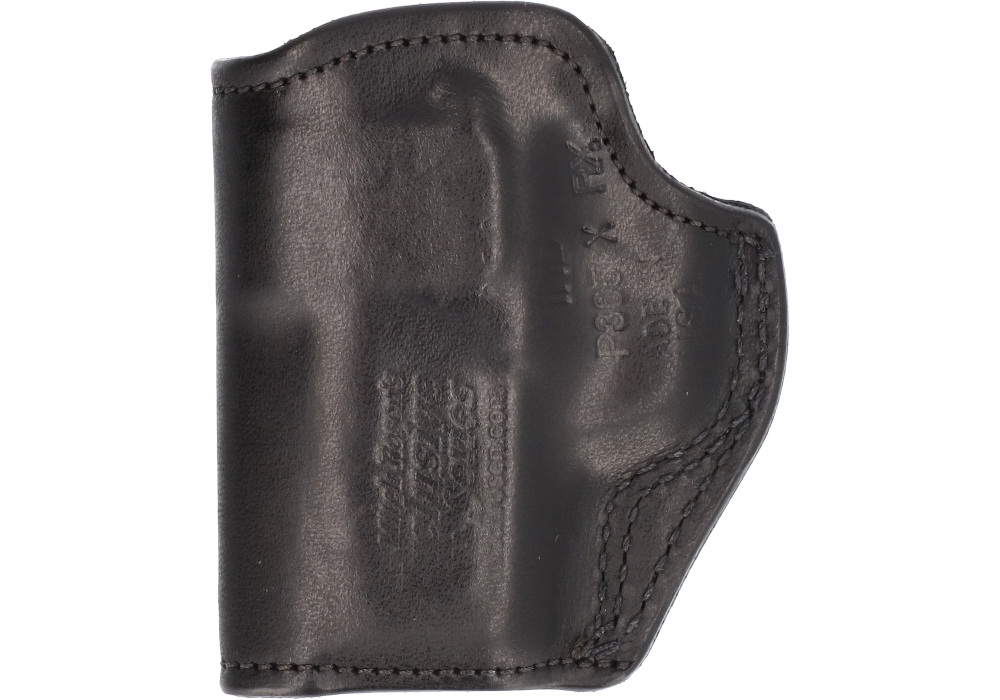
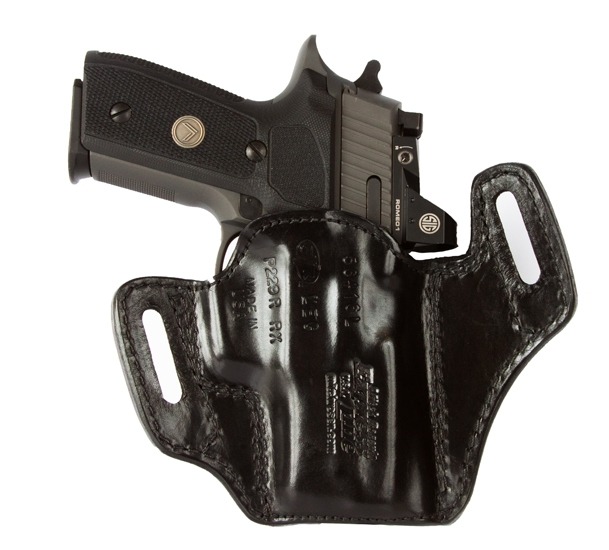
Black holsters offer a practical combination of discreet appearance, dependable support, and broad versatility for everyday carry, range use, duty applications, and secure storage between outings. A holster is more than a case for a handgun: it is the interface between the firearm, the wearer, and the belt or mounting system that keeps everything positioned consistently. The right choice should be built for the specific make and model of the firearm, since a close fit helps prevent unnecessary movement and supports safe handling. Look for a design that fully protects the trigger guard, maintains the firearm in a predictable position, and allows a smooth, controlled draw without requiring the wearer to adjust the grip or fight the retention system. Black remains a popular finish because it blends naturally with everyday clothing, uniforms, outdoor gear, and range equipment, while also giving the setup a clean, understated appearance. It can be especially useful for those who prefer their carry equipment to coordinate with a black belt, boots, jacket, or training rig. Before purchasing, consider the intended carry position, the clothing typically worn, the belt or mounting equipment already in use, and whether the holster will be worn for short errands, long workdays, vehicle travel, training sessions, or outdoor activity. A well-fitted belt can make a noticeable difference, helping distribute the weight of the firearm and holster so the setup feels stable rather than pulling or shifting as the day progresses. Every firearm and holster combination should be checked for proper fit, and users should follow all applicable laws, safe-storage requirements, and training practices.
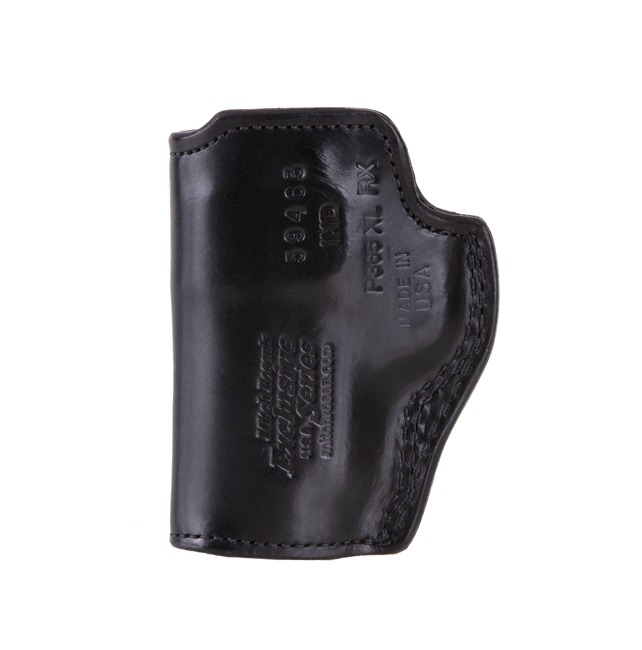
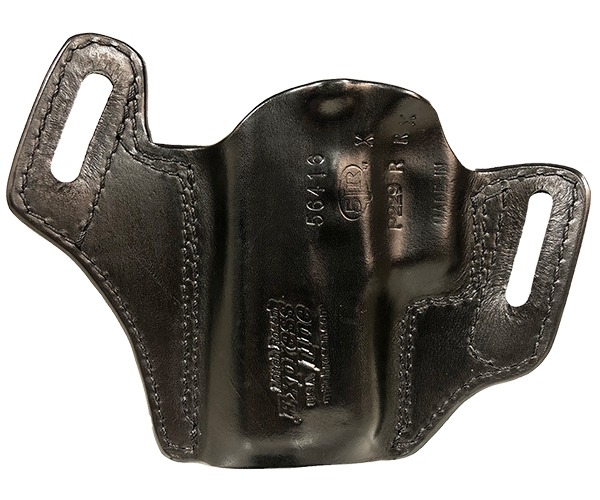
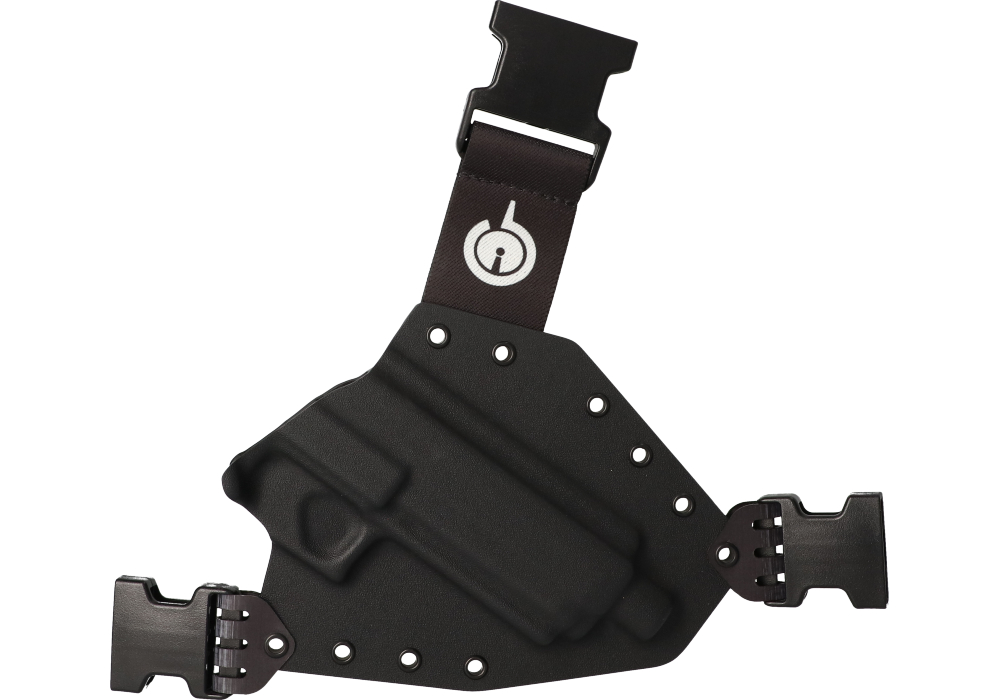
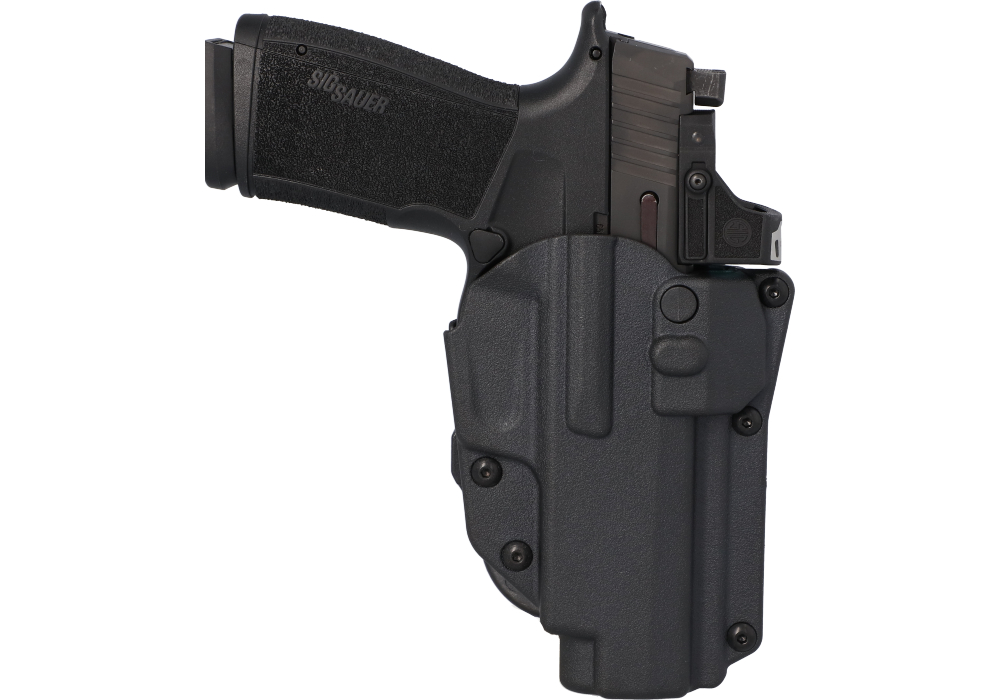
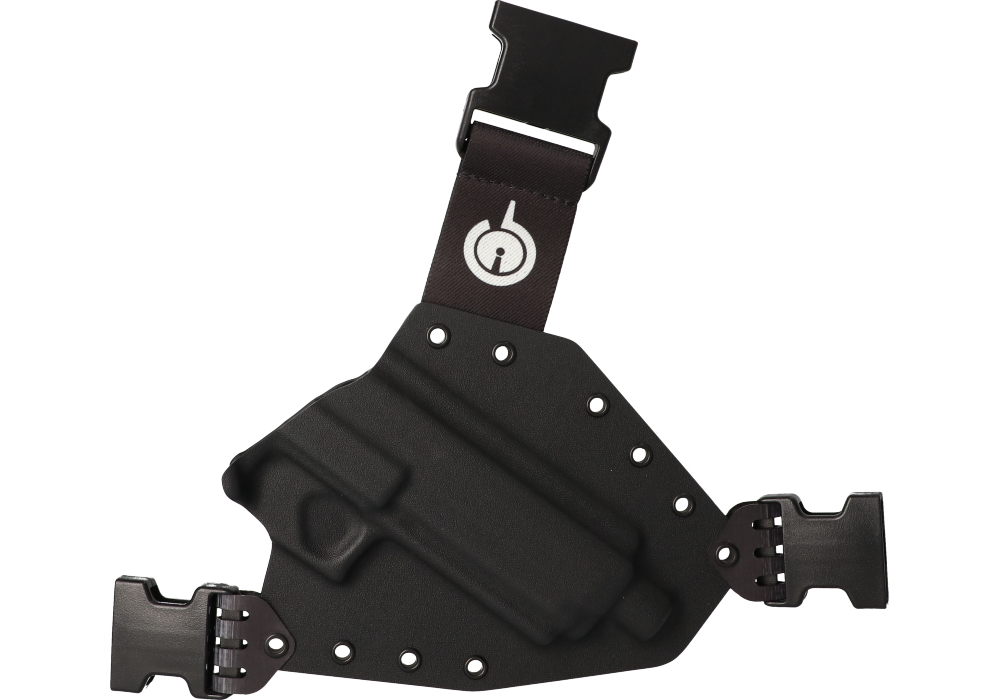
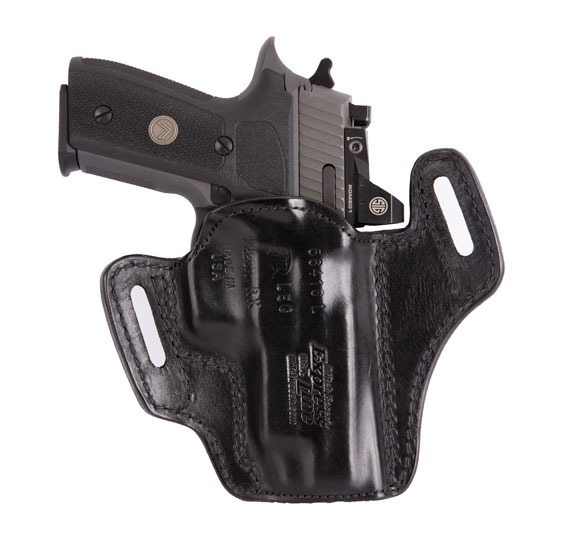
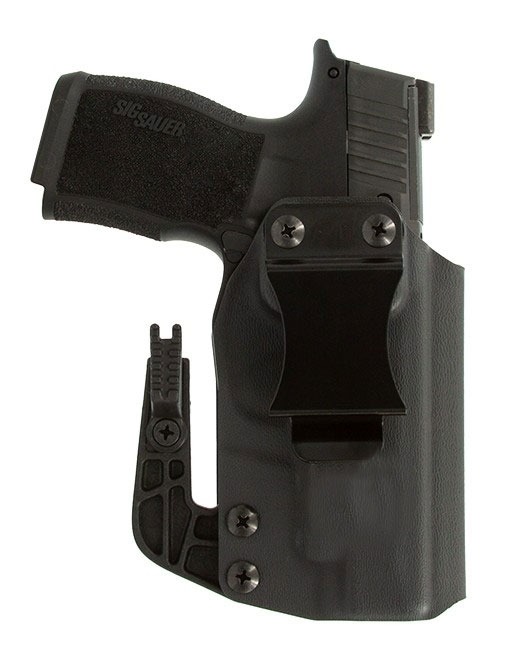
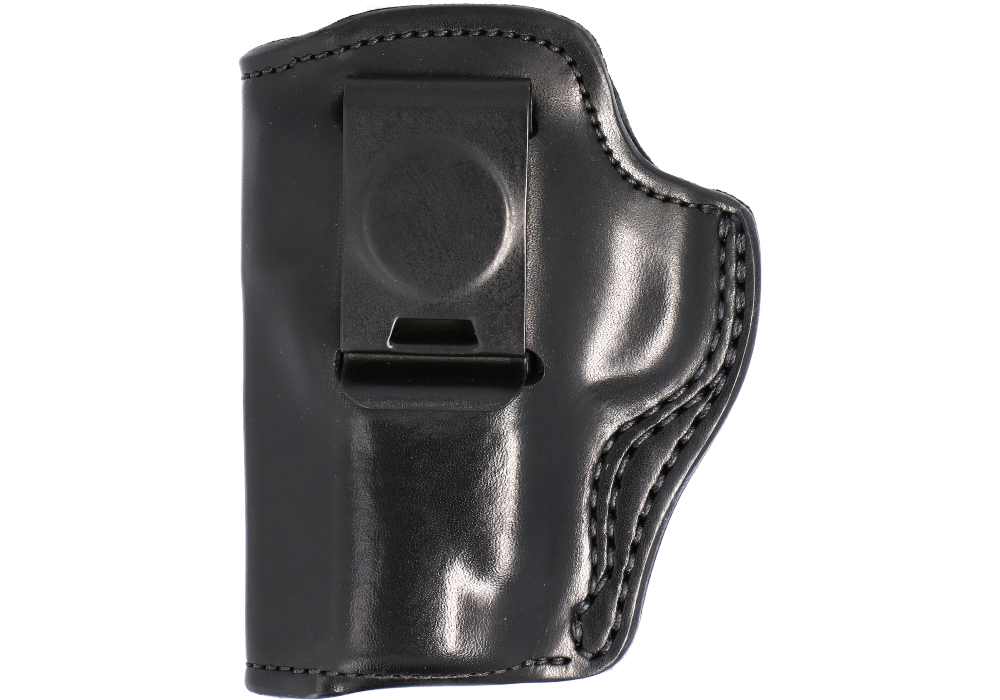
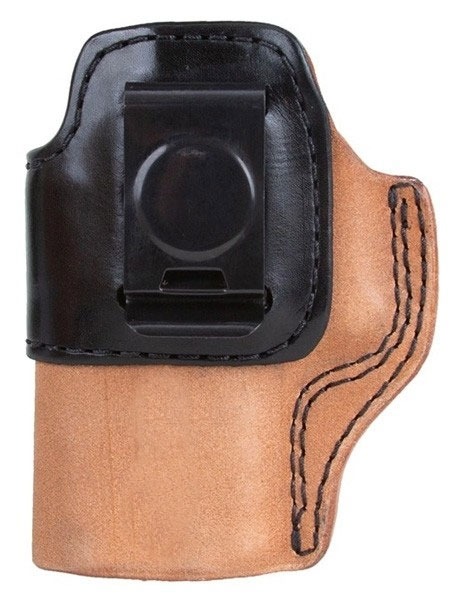
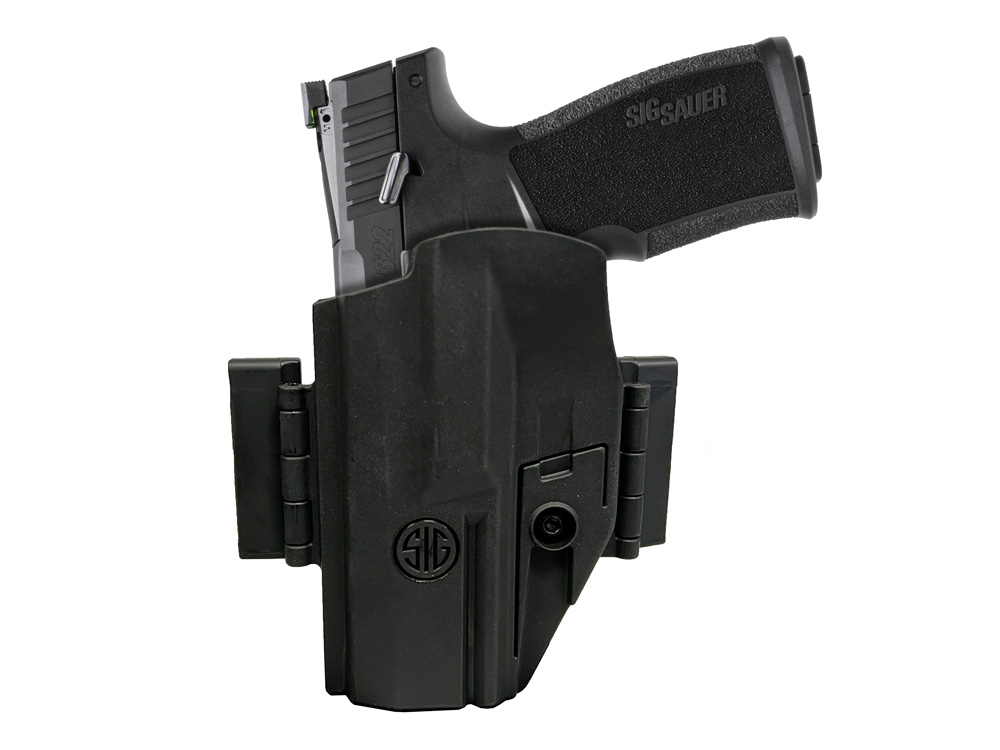
The main holster styles serve different purposes. Inside-the-waistband, or IWB, designs sit between the body and the waistband and are commonly selected for concealed carry because they can keep the firearm close to the torso beneath a shirt, overshirt, or light jacket. Comfort depends on more than the holster itself; ride height, cant, body shape, clothing cut, and the location of belt loops can all affect how naturally it carries. Appendix-position setups may provide a consistent draw path for some trained users, while strong-side or behind-the-hip positioning may suit others, but each position calls for careful practice and attention to safe handling. Outside-the-waistband, or OWB, holsters place the firearm outside the waistband and often provide a more accessible, comfortable arrangement for range sessions, open carry where lawful, field use, or duty-oriented applications. OWB options may be worn close to the body for a lower profile or farther out when additional clearance is needed for a jacket or equipment belt. A Hip Holsters selection can be a useful starting point for shoppers who prefer a traditional belt-mounted position and want to compare different carry arrangements. For professional or demanding environments, retention features can add another layer of security by helping keep the firearm seated during movement, bending, or strenuous activity. Passive retention may rely on a molded fit or adjustable tension, while active retention requires an intentional release motion. The best choice depends on the wearer’s training, environment, dress, and access needs. Shoulder, chest, and other specialty configurations may also have a place in specific outdoor, occupational, or vehicle-based applications, although they should be evaluated carefully for safe access and consistent positioning.
Black holsters can be a thoughtful gift for a new firearm owner, an experienced range visitor, a concealed-carry practitioner, or someone assembling a more organized training setup, but compatibility should be confirmed before purchase. A holster intended for one firearm model may not fit another, even when the two appear similar, and differences in barrel length, mounted optics, lights, controls, or frame dimensions can affect both fit and retention. When the exact firearm is not known, a gift card or a conversation about intended use may be more practical than guessing. For personal buyers, it helps to treat comfort as a functional concern rather than a luxury. A holster that digs into the side, shifts while walking, or makes sitting in a vehicle unpleasant is less likely to be worn consistently, no matter how attractive or durable it appears. During cooler months, heavier layers can change how a holster sits and how easily the grip can be accessed, while lighter clothing may make concealment and comfort more sensitive to holster profile and placement. Take time to practice the draw and reholstering process with an unloaded firearm in a controlled setting, following the four fundamental rules of firearm safety and any instructions supplied with the holster. Inspect screws, clips, belt attachments, retention components, and contact surfaces periodically for looseness or wear. Keep the firearm and holster free of excess debris, and use secure storage whenever the firearm is not under the owner’s direct control. With the right match between firearm, carry position, clothing, belt, and experience level, a black holster can become a dependable part of a responsible setup—quietly doing its job from the first fitting at home to a full day on the range or on the move.