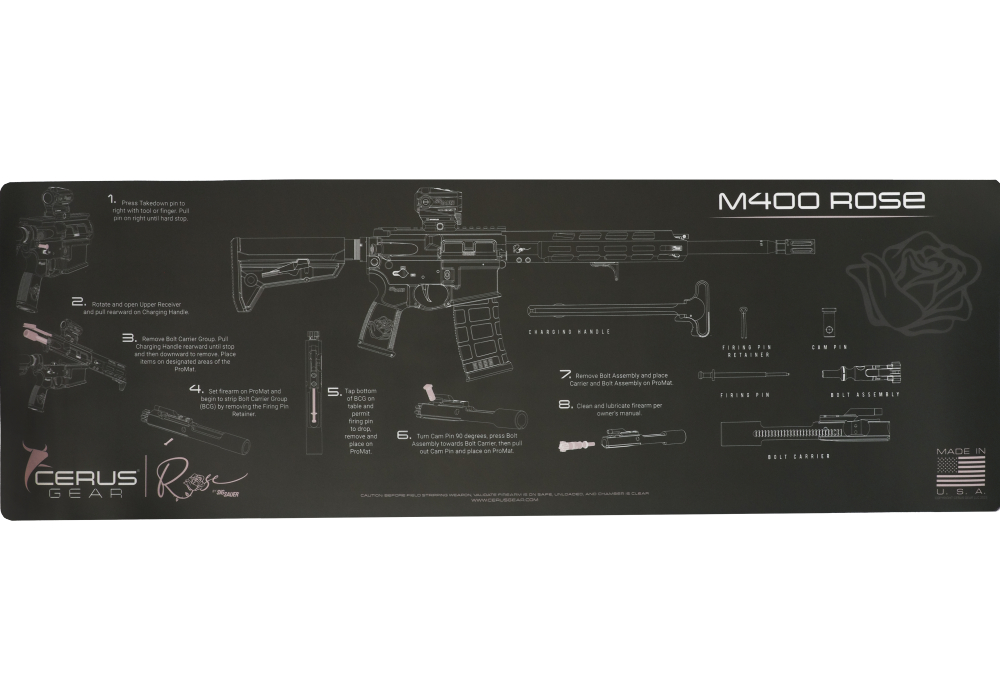
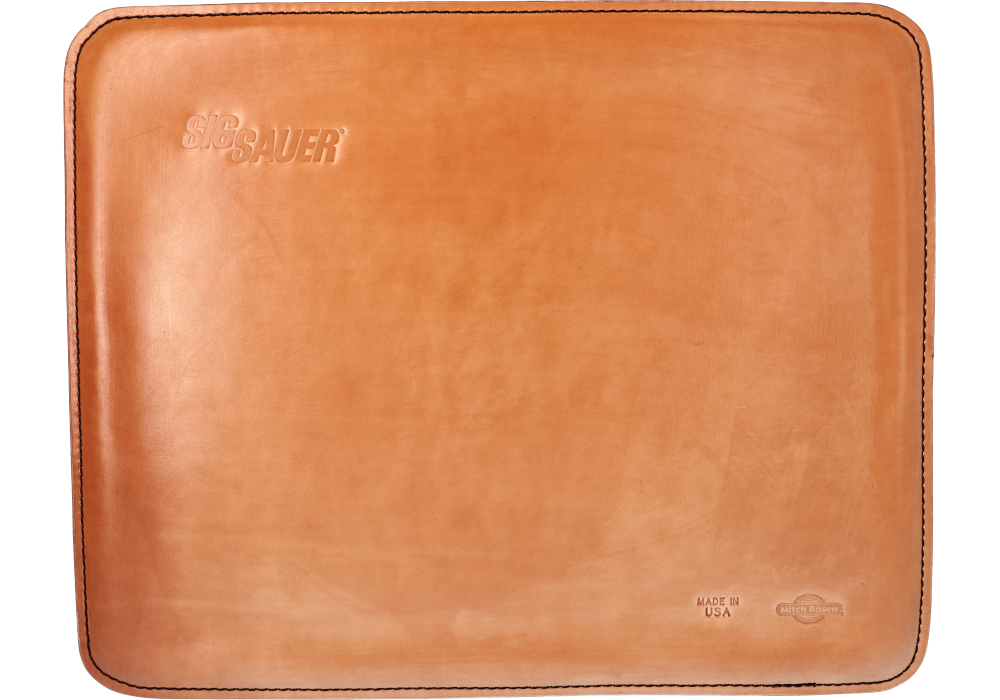
Gun mats for benchrest shooting provide a protective layer between a firearm, shooting accessories, and the hard surface of a range bench. A suitable mat can cushion contact points, help limit sliding, and keep a firearm’s finish away from grit, rough concrete, exposed wood grain, or scratches in a tabletop. Depending on its construction, it may also absorb small amounts of oil or provide a wipe-clean barrier against residue. These benefits serve different purposes, so a cleaning mat and a padded bench mat are not necessarily interchangeable. A cleaning mat emphasizes a protected work surface for maintenance, while a benchrest mat needs to lie flat and remain steady wherever a firearm, support bag, or shooting rest contacts it. Neither replaces a properly supported rest or guarantees tighter groups. Its role is more practical: creating a cleaner, more comfortable surface that keeps equipment separated from the bench itself. That distinction matters at a shared range, where the next available bench may have a very different texture or shape from the one used on a previous visit. A broad pad can cover the main work area, while a smaller mat can protect a limited contact zone without occupying the entire tabletop. Full-length shooting mats intended for prone use serve another purpose and may be unnecessarily bulky for a bench. For recreational target shooters, regular range visitors, and competitors organizing a familiar bench layout, the right footprint helps keep the workspace orderly without interfering with the support equipment already in use. Space for a rifle alone is not always enough; a useful layout may also need room for a rear bag, eye and hearing protection, a notebook, and other essentials. The most practical size protects those contact areas while leaving the bench edges clear and keeping everything comfortably within reach. Rounded bench fronts, narrow side shelves, and fixed seating can all affect how much of a mat actually rests on a solid surface rather than hanging over an edge.
Materials influence how a gun mat feels, how securely it stays in place, and how much care it needs after a range session. Rubber and neoprene backings are common choices for grip and flexibility, though their performance depends on the bench surface and the condition of the backing. Dust, loose grit, or an oily tabletop can reduce traction even when a mat has a textured underside. Fabric-faced designs offer a softer contact surface, while smooth synthetic faces may be easier to wipe clean. Absorbent textiles can hold residue within their fibers, which makes regular cleaning important rather than optional. Resistance to firearm oils and cleaning solvents also varies by material; a protective surface should not automatically be treated as suitable for every chemical used at a maintenance bench. Thickness deserves similar attention. Additional cushioning can be comfortable beneath forearms and help shield finishes from abrasive contact, but very soft padding may compress unevenly beneath narrow rest feet or a heavy support bag. A firmer, flatter surface is often more useful where consistent contact matters. If a rest sits on the mat, the entire supporting footprint should have even contact rather than straddling a raised seam or an edge. Bound edges, secure stitching, and well-bonded layers are useful construction details because repeated rolling, carrying, and contact with bench corners can put stress on those areas. A mat that curls at the corners or bunches beneath equipment can become more distracting than helpful. Portability matters as well: a flexible mat that rolls neatly may fit beside a range bag, while a thicker pad may require separate carrying space. Foldable designs can be convenient, provided the folds settle flat during use. Surface texture, padding density, edge construction, and packed size work together, so the best fit is not necessarily the thickest or largest option. It is the one that suits the bench, the support arrangement, and the amount of equipment traveling to the range.
Care and storage help preserve those practical advantages over time. Before a mat is rolled or folded, loose grit should be removed so it does not become trapped against the protective face. Fine debris can turn an otherwise soft surface into an abrasive contact point, particularly when the same mat travels between a range bench and a cleaning table. Cleaning methods should follow the material’s care directions, since machine washing, soaking, stiff brushes, or strong cleaners may damage backing, adhesives, printing, or edge binding. A wipe-clean surface and an absorbent fabric surface need different treatment, and neither should be packed away while still damp from cleaning. Mats used around firearms can collect oils, fouling, and lead-containing residue, so keeping them separate from food, kitchen counters, and household textiles is a sensible part of routine care. Handwashing after handling used range equipment also helps limit the transfer of residue. Maintenance belongs in a designated workspace with the firearm unloaded and ammunition kept separate; a mat provides surface protection, not a substitute for safe handling. For shooters who use one space to arrange range equipment and maintain other essentials, Gun Mats for Tactical Gear offers a related category for a broader equipment workspace. A dedicated bench mat can also be a thoughtful gift for someone who spends time at a target range, particularly when its dimensions and carrying format suit that person’s existing setup. Competitive shooters may value a repeatable layout and firm contact surface, while occasional range visitors may place greater emphasis on simple cleanup and compact storage. Someone with a permanent home workbench may prefer broader coverage than a shooter carrying everything in a single bag. Across those uses, durability is best understood through everyday details: edges that remain intact, layers that stay together, a backing that retains its grip, and a surface that stays flat after storage. Those qualities help a gun mat remain a useful part of the bench rather than another piece of equipment to work around.