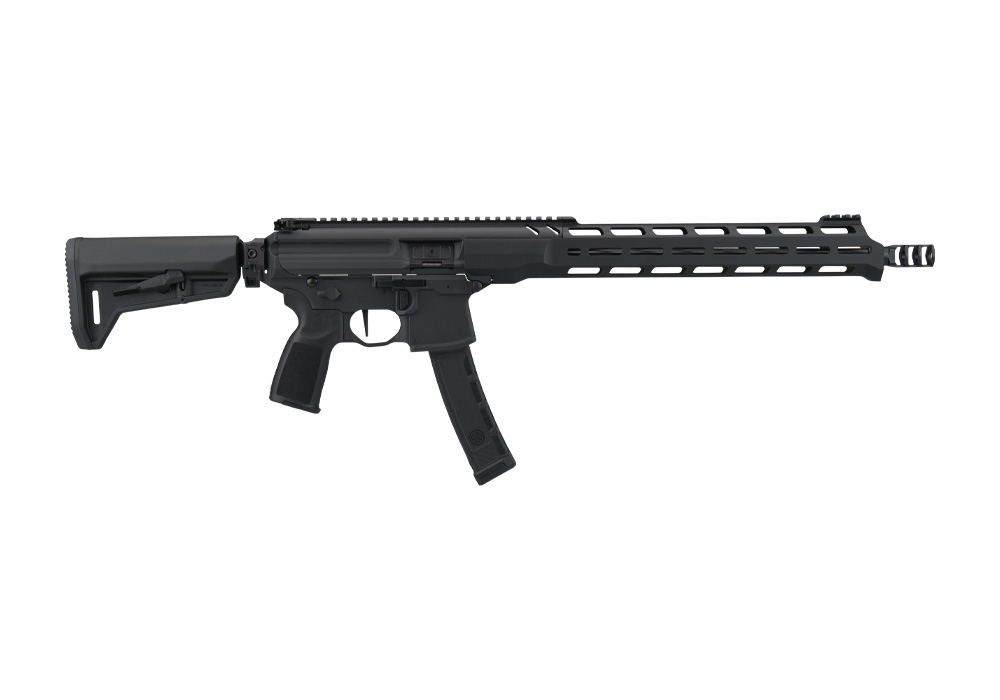
Equipment for benchrest shooters centers on stable rifle support, a clear aiming reference, consistent ammunition, and accessories that help keep each range session repeatable. Benchrest shooting measures precision from a supported position, often through the size of a shot group, so small differences in fit and equipment behavior deserve attention. The purpose of a benchrest setup is to reduce unwanted movement and provide a consistent foundation, not to guarantee a particular group size. Front rests and rear support bags serve different roles within that foundation, and their compatibility with the rifle matters as much as their individual construction. A broad, flat fore-end needs a different contact surface than a narrow sporting stock; a poorly matched bag can allow rocking or create uneven pressure. Support height also affects comfort, especially when the bench, seat, and rifle place the shooter at an awkward angle. Useful adjustments accommodate the shooting position without forcing the neck or shoulders into a strained posture. Steel components can contribute mass and rigidity, while aluminum can reduce the burden of transporting equipment between a vehicle and a firing line. Reinforced polymers, durable stitching, abrasion-resistant fabrics, and leather contact surfaces each offer practical benefits depending on the design. Bag fill, seam construction, and the shape of the contact area influence how firmly a support holds its form over repeated sessions. A lightweight setup may suit a shooter who carries equipment a considerable distance, while a heavier rest may appeal to someone working from a permanent bench. Neither approach replaces a stable bench or careful attention to compatibility. Competition shooters also need equipment that fits the rules of their chosen discipline, since permitted rests, rifle dimensions, and weight limits can vary. For recreational target shooting, the same emphasis on fit and repeatability helps make time at the bench more comfortable and productive. The most useful equipment works together as a system rather than as a collection of unrelated accessories.
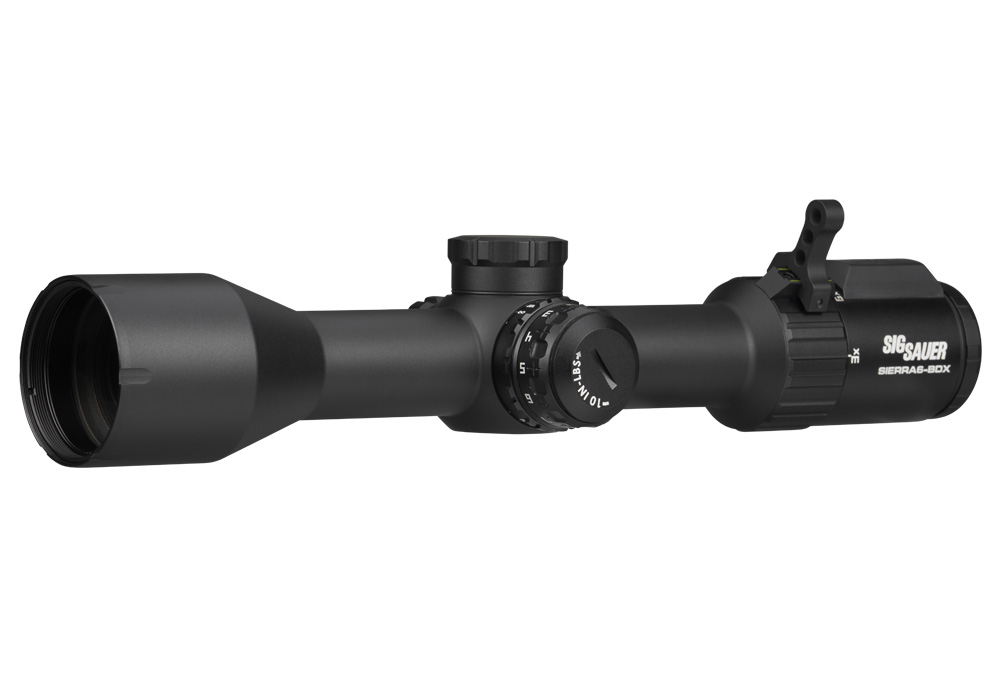
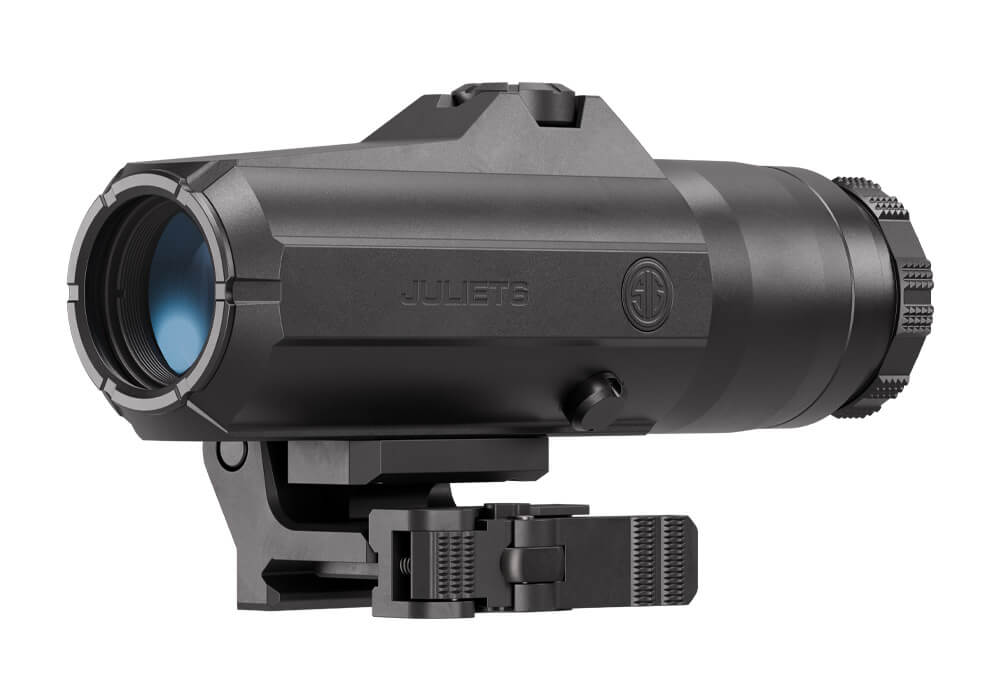
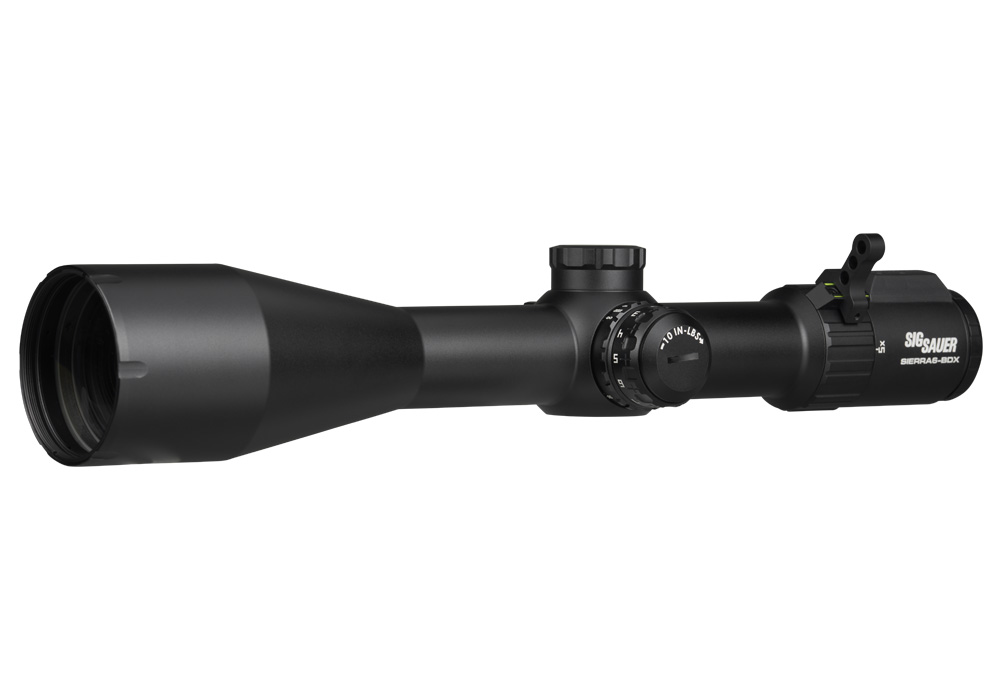
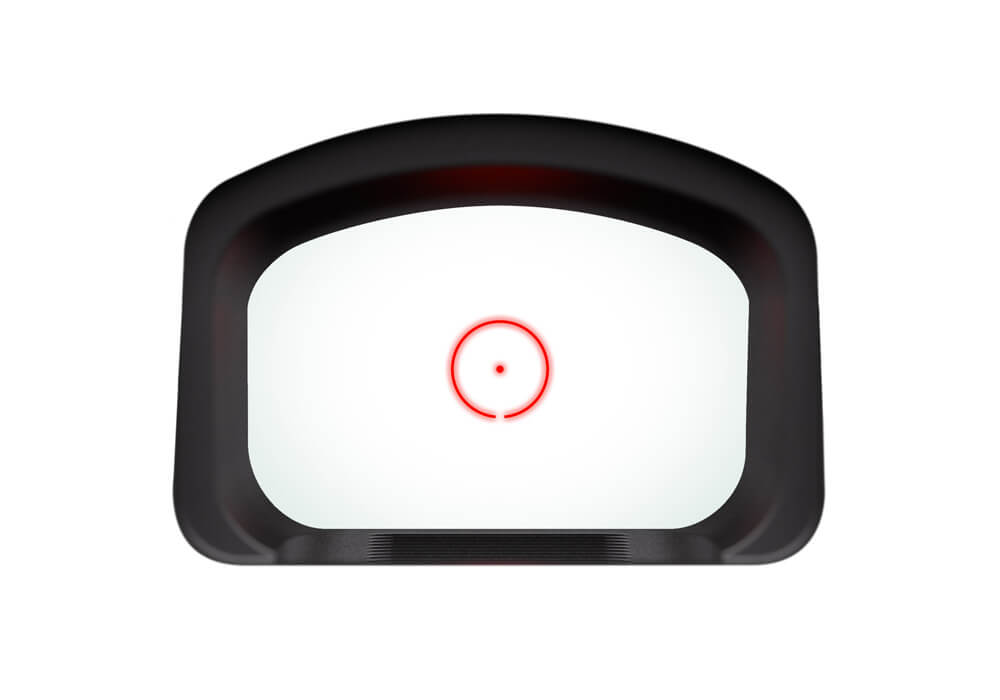
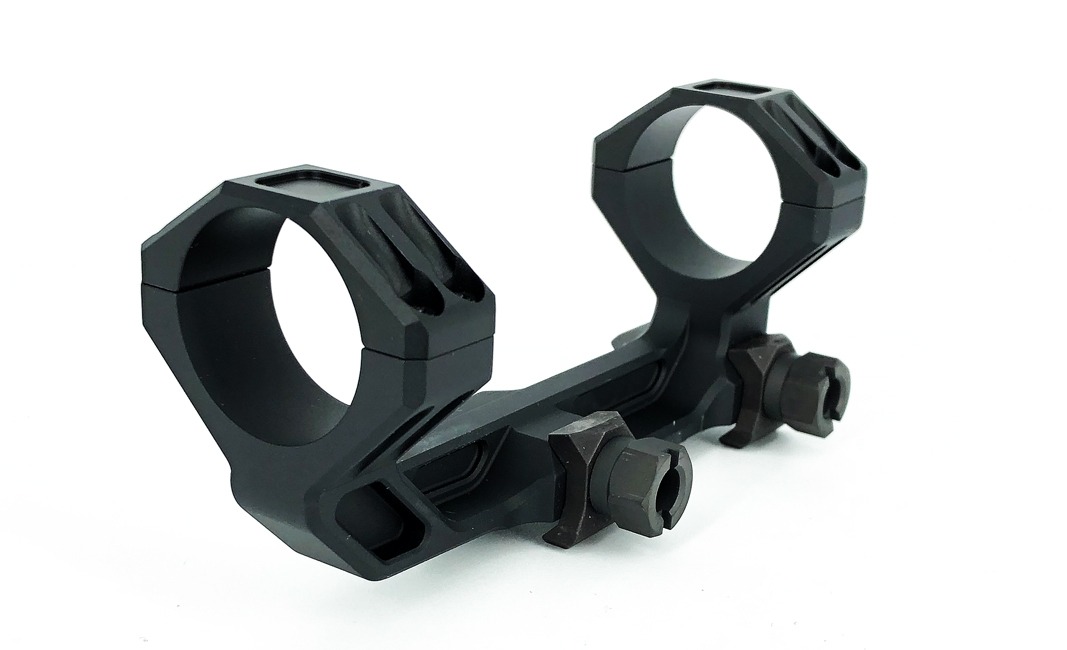
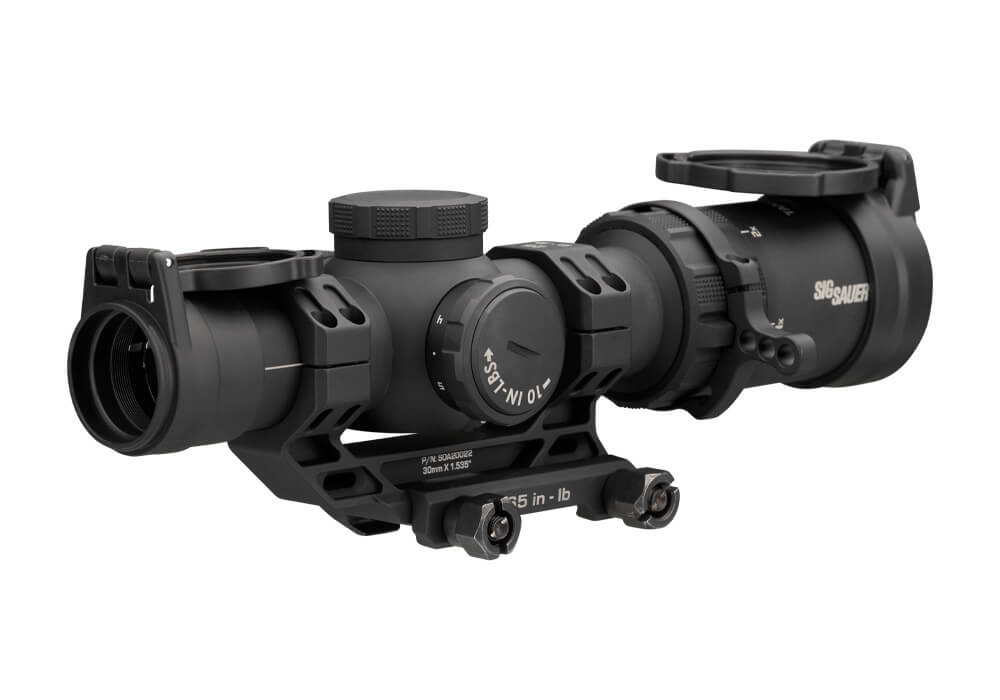
Optics for benchrest shooting should provide an aiming image that remains clear enough to distinguish a precise reference on the target. Magnification is one consideration, but resolution, reticle design, adjustment consistency, and parallax adjustment also influence suitability. Greater magnification can make small target details easier to see, yet it also narrows the field of view and makes movement more apparent. A fine aiming point may suit small paper targets, while a more prominent reticle can be easier for some shooters to acquire. Eye relief and mounting height affect whether a scope fits comfortably with the rifle’s stock and the shooter’s supported position. Rings and bases need the correct dimensions and interface for the rifle and optic; secure attachment depends on compatible components and the manufacturer’s installation specifications. A separate spotting optic can help with target observation, although the ability to resolve individual impacts depends on distance, target contrast, and optical performance. Ammunition deserves similarly careful consideration. The correct cartridge designation and compliance with the firearm manufacturer’s requirements come first. Within those requirements, ammunition intended for precision target use emphasizes consistency, but an individual rifle may perform differently with different loads. Bullet weight alone does not establish suitability or predict group size. Keeping ammunition identified by its original packaging and recording the lot used can make later comparisons more meaningful. Targets with clearly defined aiming marks, suitable measuring tools, and a range notebook help preserve useful information without turning every session into a complicated testing exercise. Notes about the rifle, optic settings, ammunition, and observed results provide context that memory often misses. Shooters whose interests extend beyond the bench may also find related categories within Long Range Shooting Equipment, particularly where optical clarity, dependable mounting, and organized range equipment overlap. Benchrest and long-distance disciplines are not interchangeable, however, and equipment choices should reflect the actual target distance, competition rules, and intended use rather than magnification or accessory count alone.
Care, transport, and personal protection round out a practical benchrest setup. A rifle case with appropriate internal support helps protect the firearm and optic from knocks during transport, while separate compartments can keep metal tools from rubbing against finished surfaces. External dimensions do not always tell the whole story: a mounted scope, a taller turret, or an extended stock can change the space required inside a case. Range bags benefit from strong handles, reliable closures, and an interior that makes small accessories easy to find. A missing adjustment tool or an unprotected lens can interrupt an otherwise well-planned session, so organization has a practical role alongside precision equipment. Cleaning supplies should match the firearm’s caliber, materials, and manufacturer’s care recommendations. Properly sized rods, guides, patches, and brushes help support routine maintenance, while compatible cleaners reduce the risk of damaging finishes, seals, or stock materials. Optics require their own care, with loose grit removed before a suitable lens-cleaning method is used. Support bags and rests also deserve inspection for worn stitching, loose hardware, damaged contact surfaces, and fill escaping through seams. Durable construction is valuable, but even sturdy equipment benefits from clean storage and periodic checks. Eye protection and hearing protection remain essential at the firing line, with fit especially important during longer sessions. Protective eyewear should work comfortably with the shooting position, and hearing protection should not interfere with a stable cheek position or compromise its own seal. Newer target shooters may appreciate straightforward equipment that is easy to transport and maintain, while experienced competitors may place greater value on precise adjustments and compatibility with an established setup. For a gift recipient, protective cases, range organization accessories, or other equipment with broadly useful dimensions can be more practical than components requiring an exact firearm fit. A thoughtful choice reflects how the person actually shoots, carries equipment, and cares for it. Across skill levels, well-matched benchrest equipment supports a deliberate, organized range experience with fewer distractions from uncomfortable fit, inconsistent support, or avoidable wear.