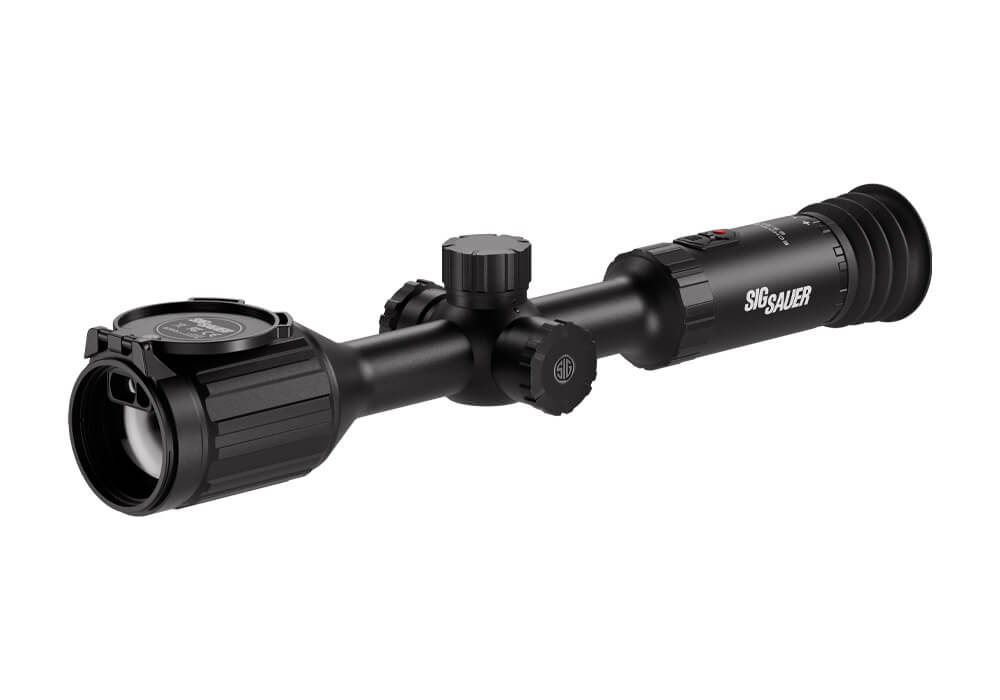
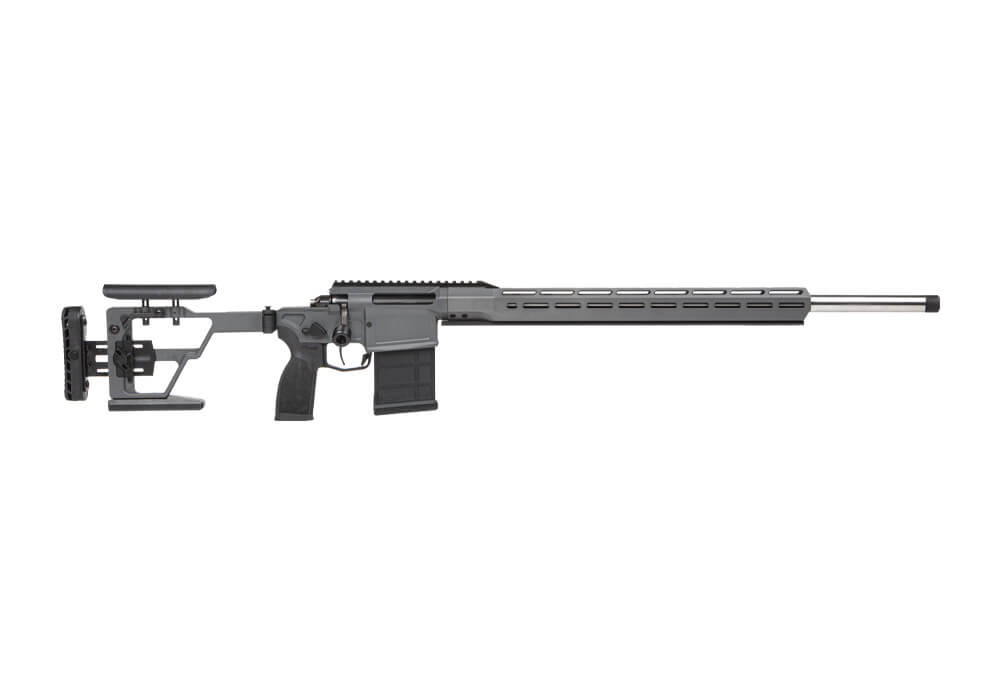
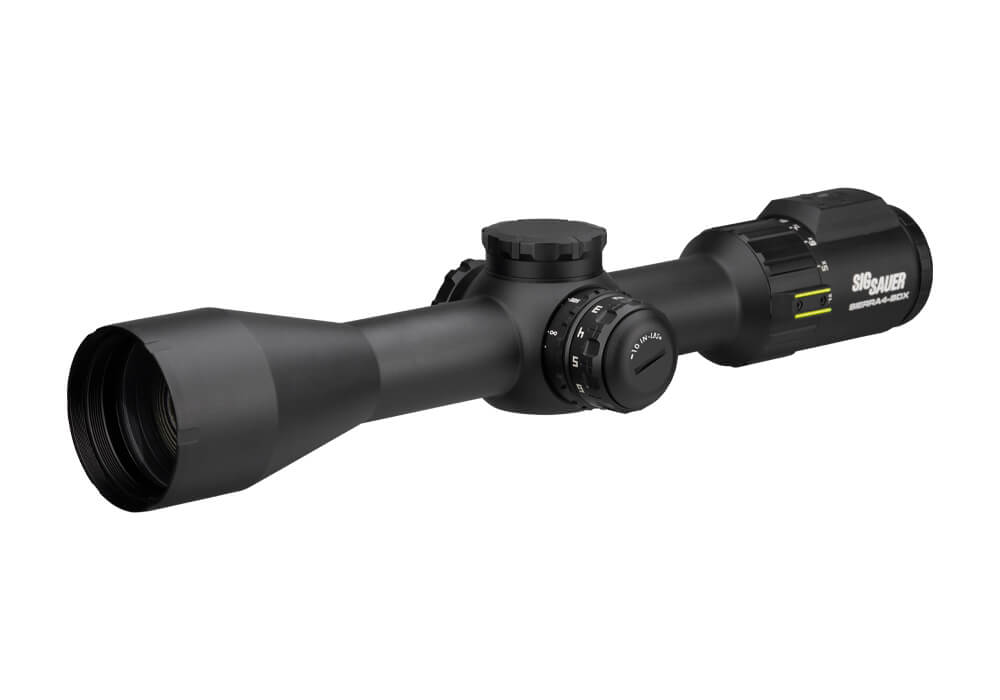
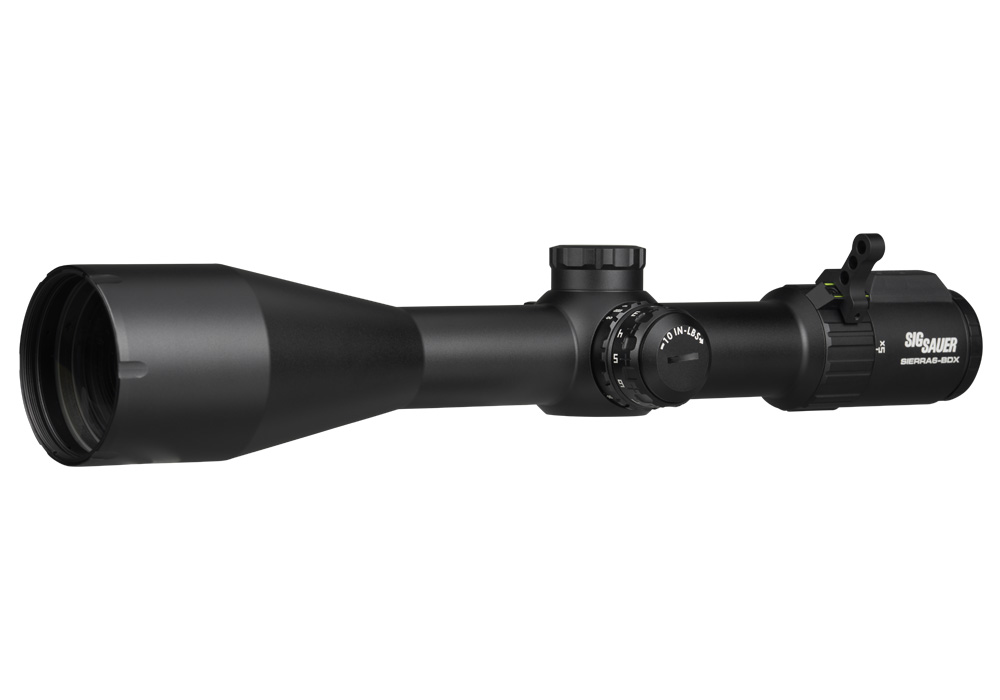
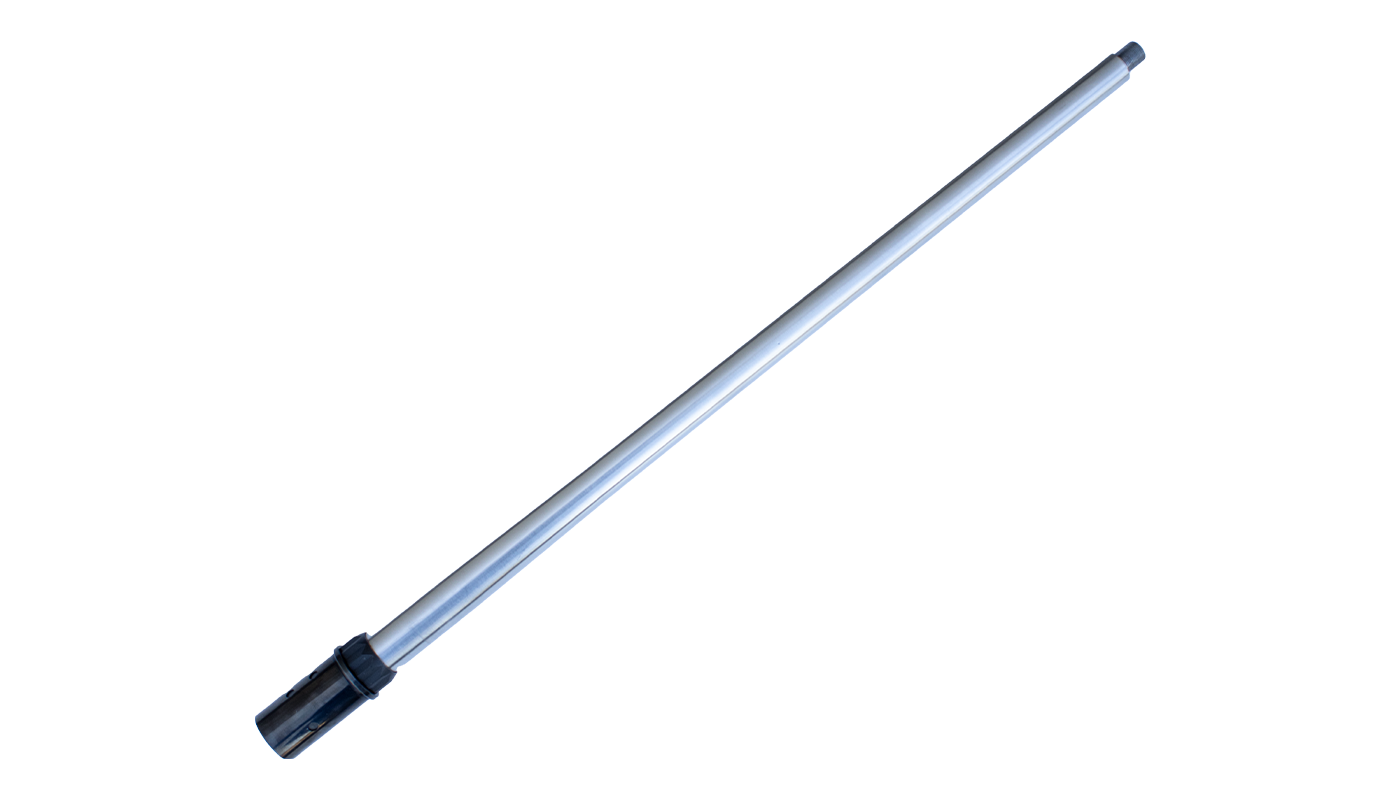
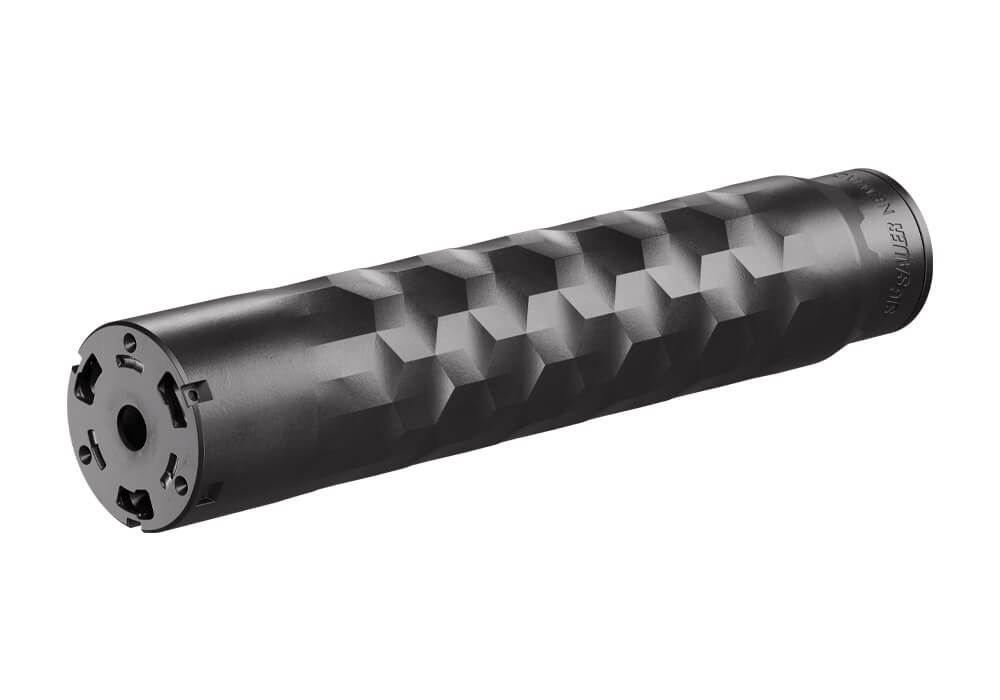
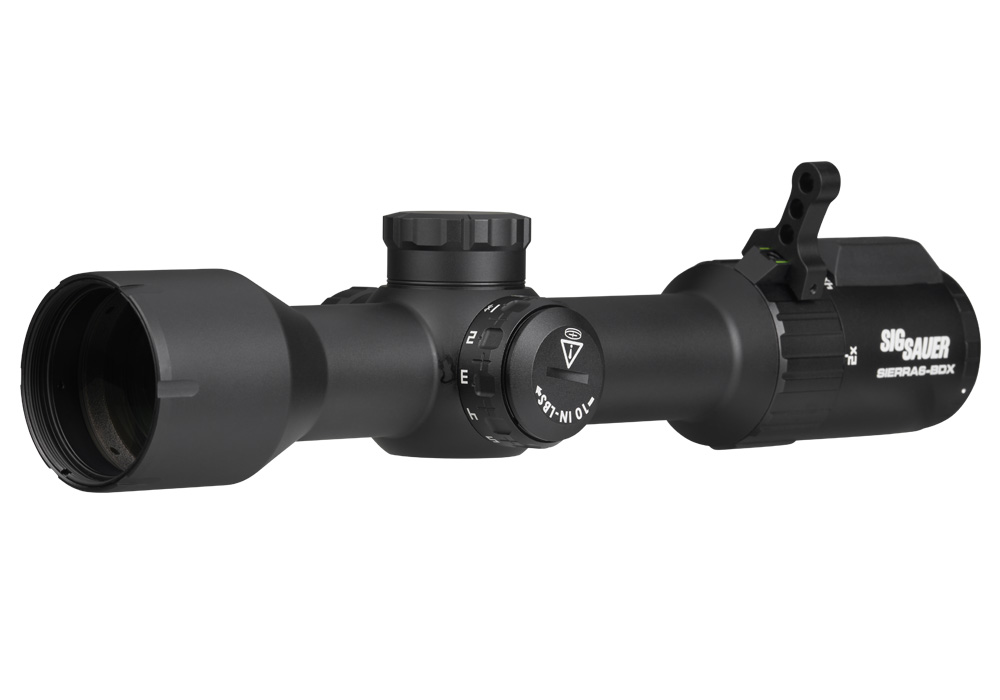
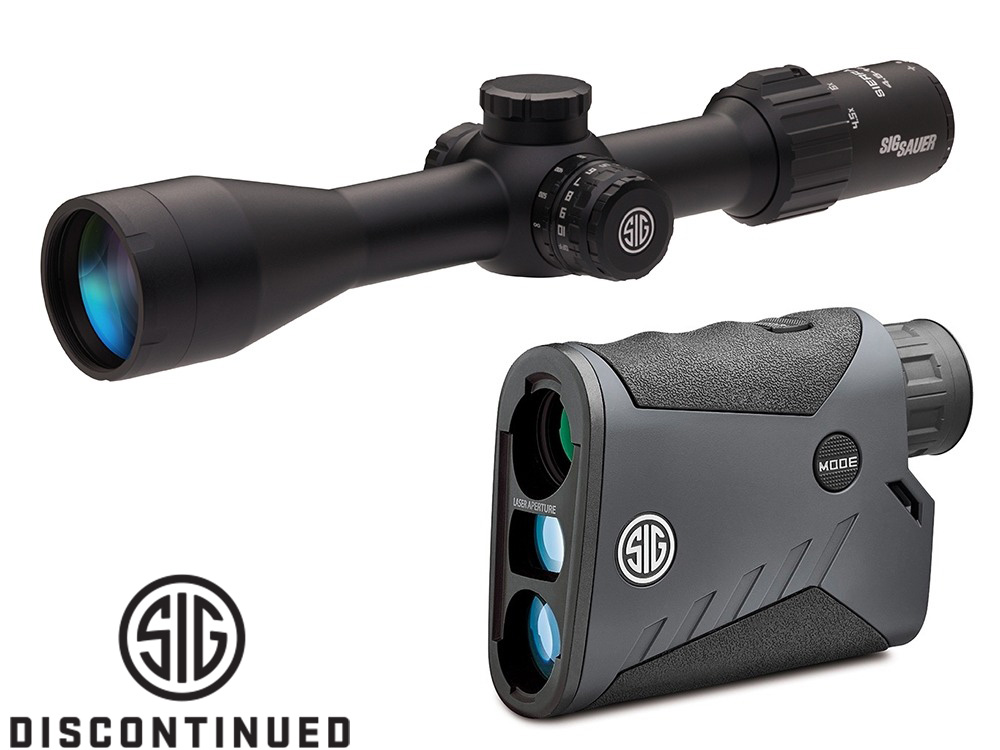
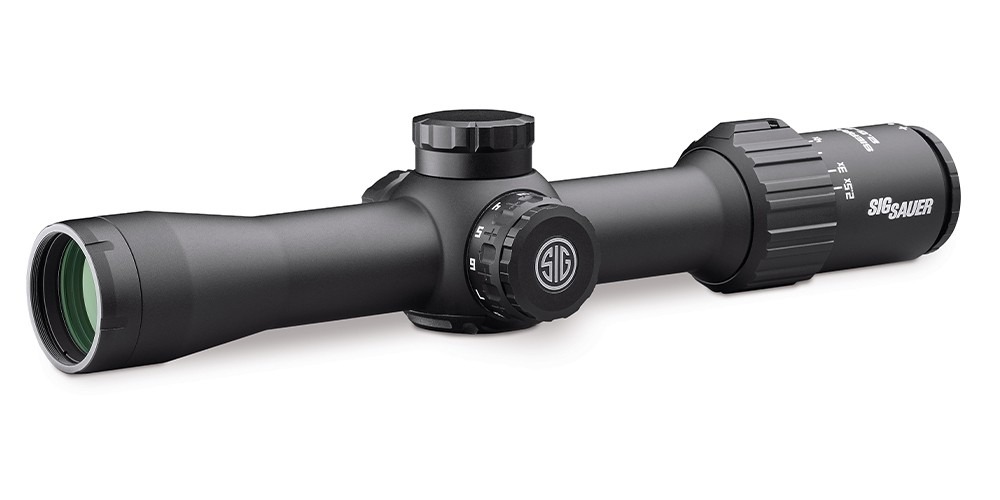
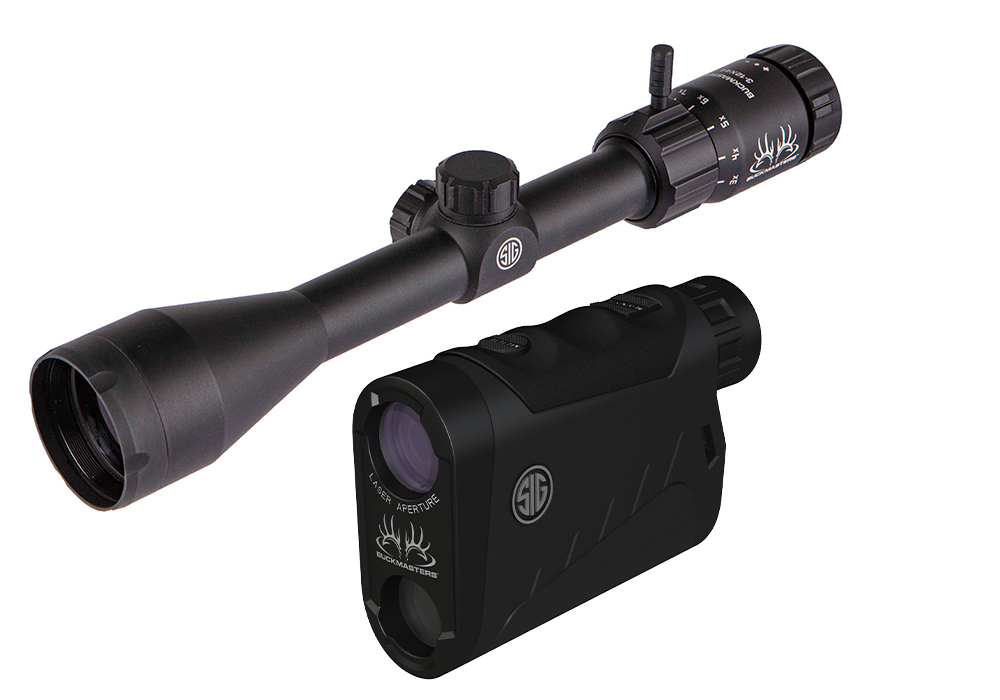
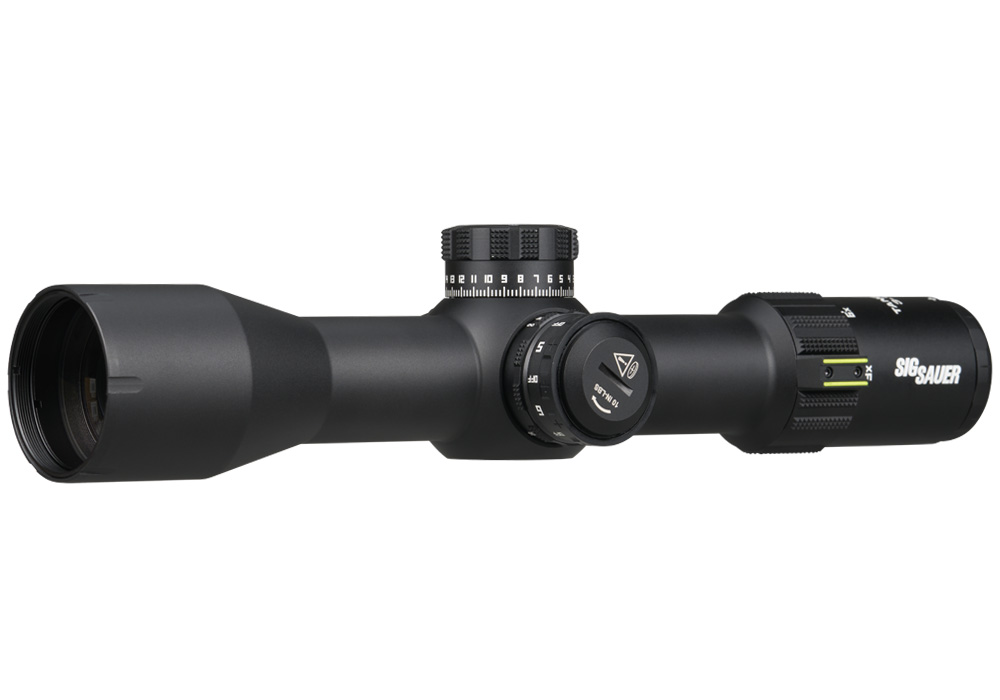
Long range shooting equipment brings together precision, observation, stability, and dependable data. Whether the products are being selected for a dedicated range setup, a practical field kit, or a thoughtful gift for an experienced marksman, each component has a role in making distant targets easier to assess and engage responsibly. A precision-oriented rifle is the foundation, with attention commonly given to consistent construction, a comfortable stock or chassis, a smooth action, and a barrel suited to the intended use. Cartridge selection also matters, since different loads produce different levels of recoil, velocity, wind sensitivity, and trajectory. Shooters who are developing their skills often favor an efficient, widely supported cartridge that offers manageable recoil and plentiful ammunition options, while experienced users may select a setup around a specific discipline, distance, or competition format. The goal is not simply maximum reach. A well-matched rifle and ammunition combination should produce repeatable results, allow the shooter to maintain a stable position, and remain comfortable through a long session. An optic is equally important. Long range scopes typically offer generous magnification, precise elevation and windage adjustments, and a reticle designed to help the shooter compensate for bullet drop and wind. First focal plane designs keep the reticle’s subtensions consistent throughout the magnification range, while exposed or locking turrets provide a clear, repeatable method for making adjustments. Shooters comparing Long Range Turret Scopes may also consider adjustment units, turret feel, parallax control, glass clarity, eye relief, and the size and weight of the optic. A scope that looks impressive on paper still needs to be comfortable behind the rifle, easy to read in changing light, and durable enough for transport between the safe, range, and field.
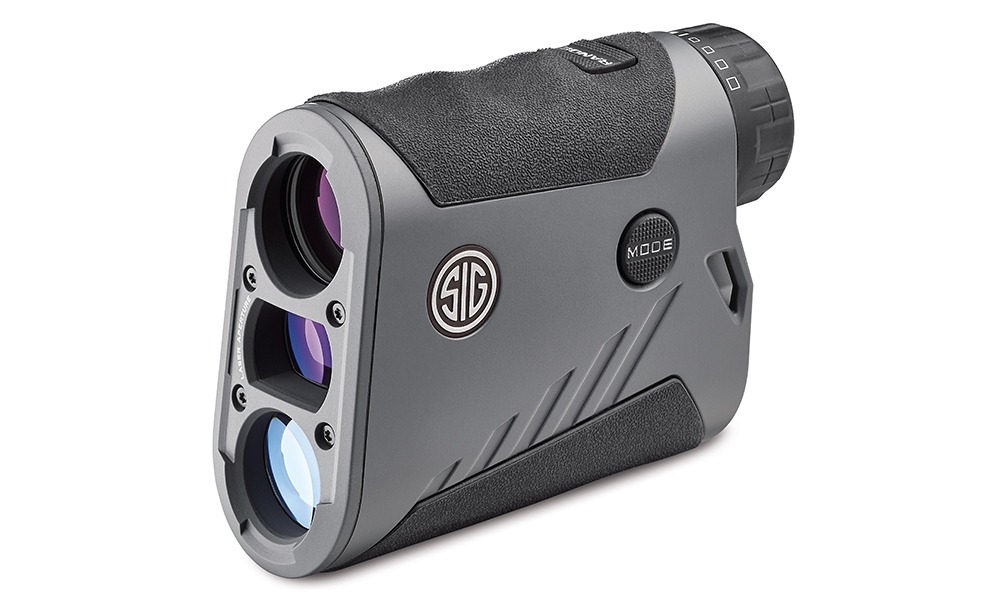
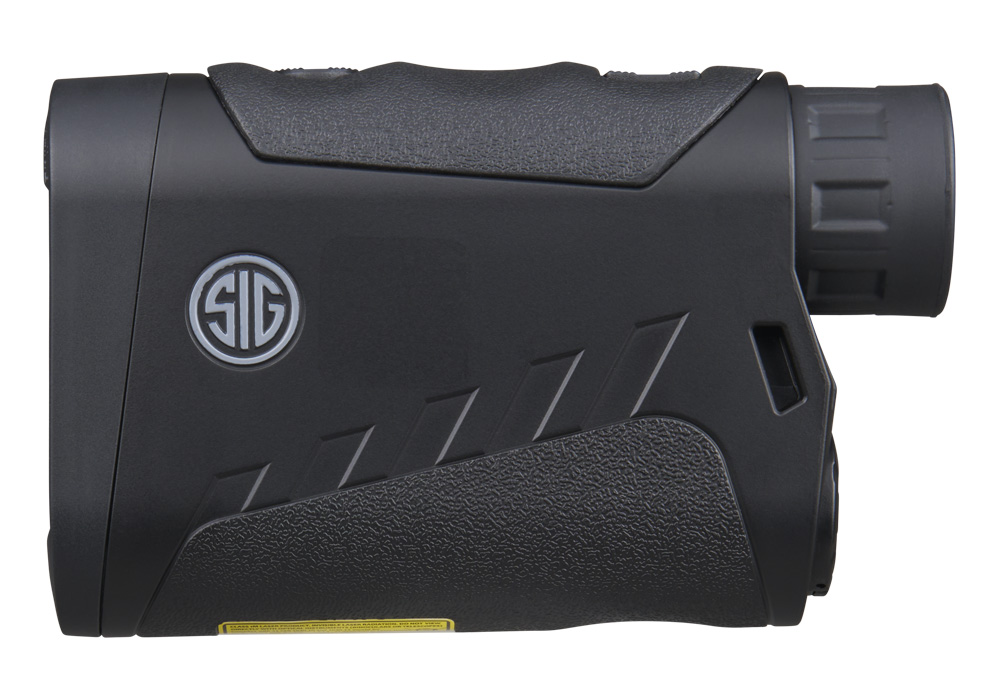
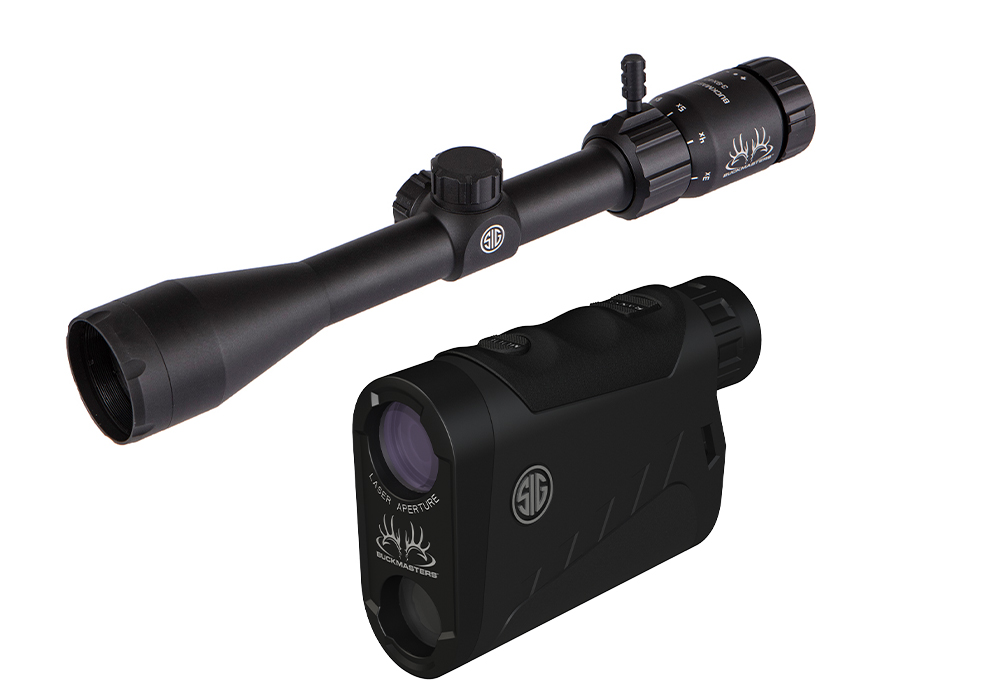
Distance changes the importance of information. A dependable laser rangefinder helps confirm the actual measurement to a target or landmark, which can be considerably different from an estimate made by eye across uneven ground. Models intended for long range use may be designed to read both reflective and non-reflective surfaces, and their performance can be affected by terrain, vegetation, haze, and lighting conditions. A ballistic calculator or portable weather meter adds another layer of useful information by accounting for muzzle velocity, bullet characteristics, elevation, temperature, pressure, humidity, and wind. These tools do not replace judgment or careful confirmation; they help organize the variables that influence a projectile’s path. A chronograph can verify actual muzzle velocity rather than relying only on published ammunition data, making ballistic data more representative of a particular rifle and barrel. This is especially useful when a setup is being refined over time or when ammunition lots change. For observation, binoculars offer a broad field of view and can be comfortable during extended glassing, while a spotting optic can provide a more detailed look at distant targets, impacts, and trace. Magnification, objective size, tripod compatibility, and low-light performance are practical considerations, particularly when shooting sessions continue into the cooler hours or when the landscape is shaded. Support equipment often determines how much of that precision can be used. An adjustable bipod can help establish a stable front rest on a bench, shooting mat, or uneven ground, while a rear support bag allows small changes in elevation and helps settle the rifle behind the optic. Front bags, barricade supports, and compact shooting rests can make a difference when the position is improvised rather than perfectly level. A sturdy tripod, rear bag, data book, wind meter, and spare batteries can be just as valuable as the primary equipment, especially for shooters who spend time moving between positions.
Long range shooting equipment can suit a variety of users. Recreational shooters may use it to build consistency at an established range, learning how small changes in wind or position affect groups as distance increases. Competitive shooters often look for equipment that can withstand repeated adjustment, quick transitions, and transportation to unfamiliar courses. Hunters and field shooters may prioritize compact dimensions, weather resistance, clear glass, and equipment that can be carried over uneven terrain without adding unnecessary weight. The same categories can also make meaningful gifts. A rangefinder is a practical choice for someone who enjoys shooting, hiking, or outdoor observation; a quality support bag or compact bipod can improve an existing setup without requiring knowledge of the recipient’s exact rifle; and a data notebook, chronograph, or weather meter can appeal to a detail-oriented shooter who enjoys refining a load or recording results. During the cooler months, durable cases, lens covers, hand warmers, and protective gear can help keep equipment ready as temperatures shift and field conditions become less forgiving. Whatever the intended use, responsible selection includes checking compatibility, mounting standards, adjustment range, weight, warranty coverage, and local laws or range requirements. Safe storage and transport remain essential, as does following all range rules, using appropriate eye and ear protection, confirming a safe backstop, and treating every firearm as loaded until it has been personally verified otherwise. The most useful long range setup is the one that fits the shooter, supports a stable position, provides trustworthy information, and encourages deliberate, repeatable practice.