Gun mats are a practical part of fall hunting preparation, giving you a dedicated surface for inspecting, cleaning, lubricating, and organizing firearms before heading into the field. After a summer of range sessions, storage, dust, and routine handling, a rifle, shotgun, or handgun may benefit from a careful once-over before cooler weather settles in. A quality mat helps shield a workbench, table, or tailgate from oil, solvent, fouling, and small metal parts while also reducing the chance of scratches caused by direct contact with a hard surface. Look for a mat made with oil-resistant, solvent-tolerant materials and a nonslip backing that stays in place as you work. Soft, cushioned surfaces can help protect a stock or receiver from scuffs, while waterproof or absorbent layers help contain drips during cleaning. Size is another important consideration: a compact mat may be convenient for a handgun or a small bench, while an extended mat provides room for a full-length rifle or shotgun, cleaning tools, removed components, and a bottle of lubricant without crowding everything together. A rolled or foldable design is useful for hunters who maintain firearms at camp, in a workshop, or at a range, while a heavier mat may be better suited to a permanent home workbench. Before beginning any maintenance, confirm that the firearm is unloaded, remove all ammunition from the work area, and follow the owner’s manual for field-stripping and care procedures. Good lighting, ventilation, and a stable surface are just as important as the mat itself, particularly when using solvents or other cleaning chemicals.
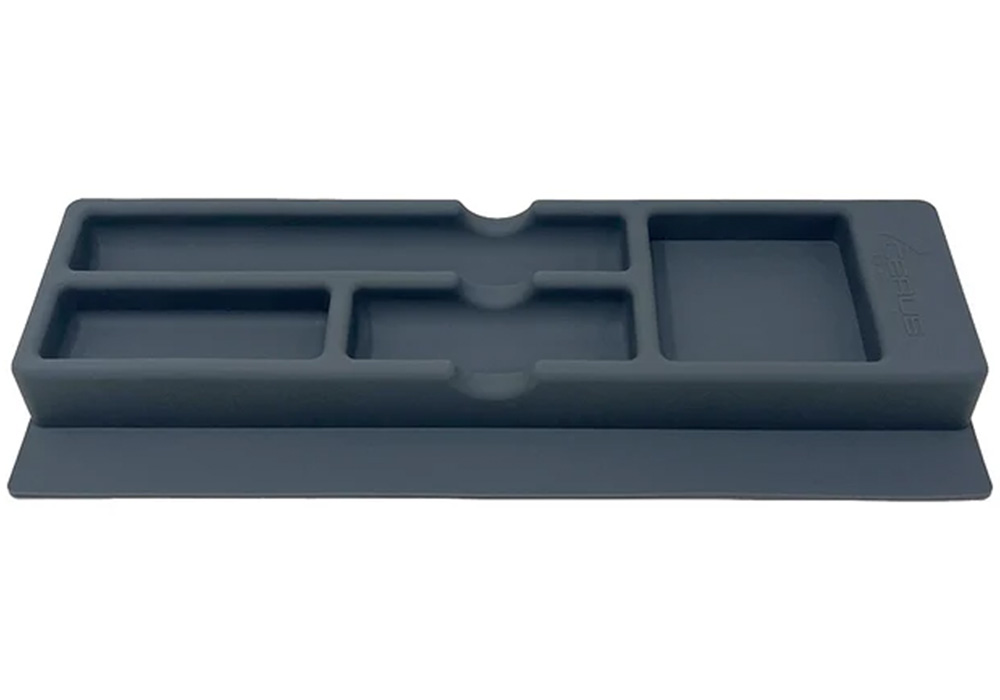
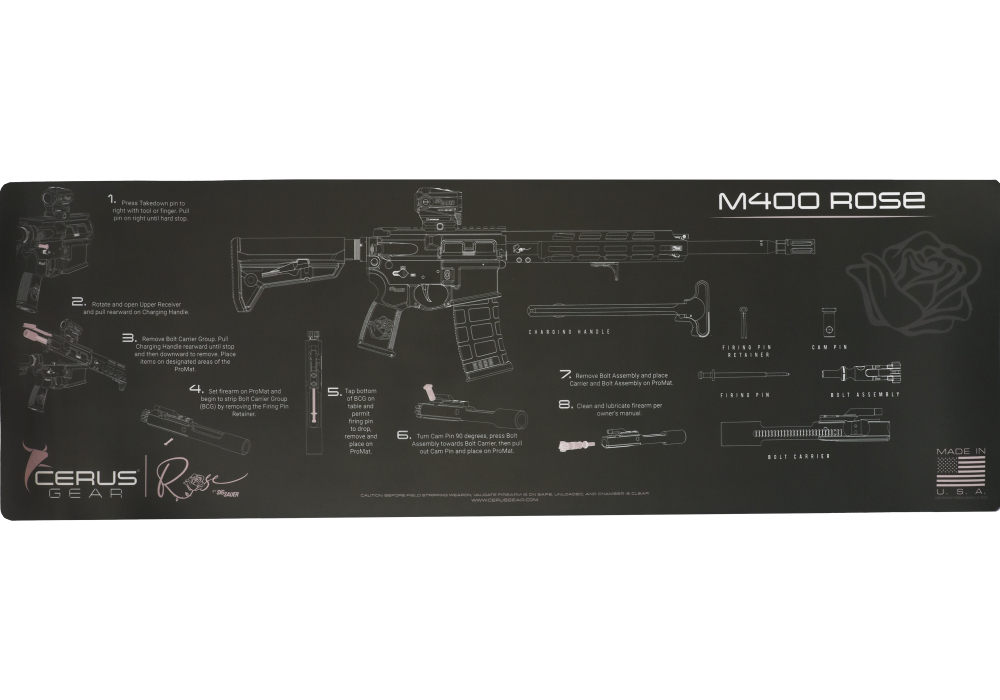
Organization can make firearm maintenance more deliberate and less frustrating, especially when preparing several pieces of gear for a hunt. Some gun mats include printed outlines or exploded-view diagrams that help identify where pins, springs, screws, and other components belong during reassembly. These layouts can be especially useful when switching between firearm platforms or revisiting a maintenance task after a long stretch in storage. Integrated pockets, tool compartments, or snap closures keep brushes, patches, cleaning rods, drivers, and lubricant within reach, while a separate magnetic tray can help prevent small steel parts from rolling beneath a bench or disappearing into grass at an outdoor campsite. A mat with clearly defined work zones also creates a simple routine: place removed parts in order, keep dirty components away from clean ones, and wipe down tools before packing them away. For a rifle or shotgun, the additional length can accommodate the action, barrel, stock, and cleaning equipment in one protected area. For a handgun, a smaller footprint may be easier to store in a gear cabinet or transport in a range bag. Hunters who travel frequently may prefer a lightweight roll-up mat that can be placed on a cabin table or tailgate, while dedicated hobbyists may value a thicker, more structured option that remains flat and offers more room for repeated work. The same qualities make gun mats useful gifts for a new firearm owner, a seasoned hunter, a range regular, or anyone building a more organized cleaning station. A mat is a practical addition to a larger maintenance setup, pairing naturally with approved cleaning supplies, nylon or bronze brushes, lint-free cloths, protective gloves, and a small parts container. When the work surface is clean and organized, it is easier to notice wear, excess fouling, loose hardware, or moisture before those issues become a problem in the field.
As the weather shifts from warm days toward cooler mornings, a gun mat also helps create a consistent preparation habit between outings. Place it on a stable, well-lit bench before inspecting the firearm, and keep ammunition stored elsewhere throughout the process. After removing surface dirt, use cleaning products appropriate for the firearm’s materials and finish, then apply only the amount of lubricant recommended by the manufacturer. Excess oil can attract dust and debris, while too little protection may leave exposed metal vulnerable to moisture during damp hunts or changing temperatures. Pay attention to areas that collect residue, including the action, breech, chamber, bore, and contact points, while avoiding unnecessary disassembly beyond the level described in the owner’s manual. A mat with a waterproof backing can help keep solvents from reaching wood, laminate, or finished furniture, and a textured surface can reduce movement when working on a narrow table or uneven camp setup. When maintenance is complete, wipe down the mat, allow any chemical residue to dry or evaporate as directed, and store cleaning supplies securely away from children and unauthorized users. Hunters who already have a mat for warmer-weather range preparation may also find a second mat useful for keeping a dedicated workshop setup separate from a portable hunting kit; related options can be found in Gun Mats for Summer Shooting. Whether used at home before a morning in the field or packed for maintenance at camp, the right gun mat protects the work surface, keeps essential tools close, and gives each firearm a clean, controlled place to be checked before heading outdoors.