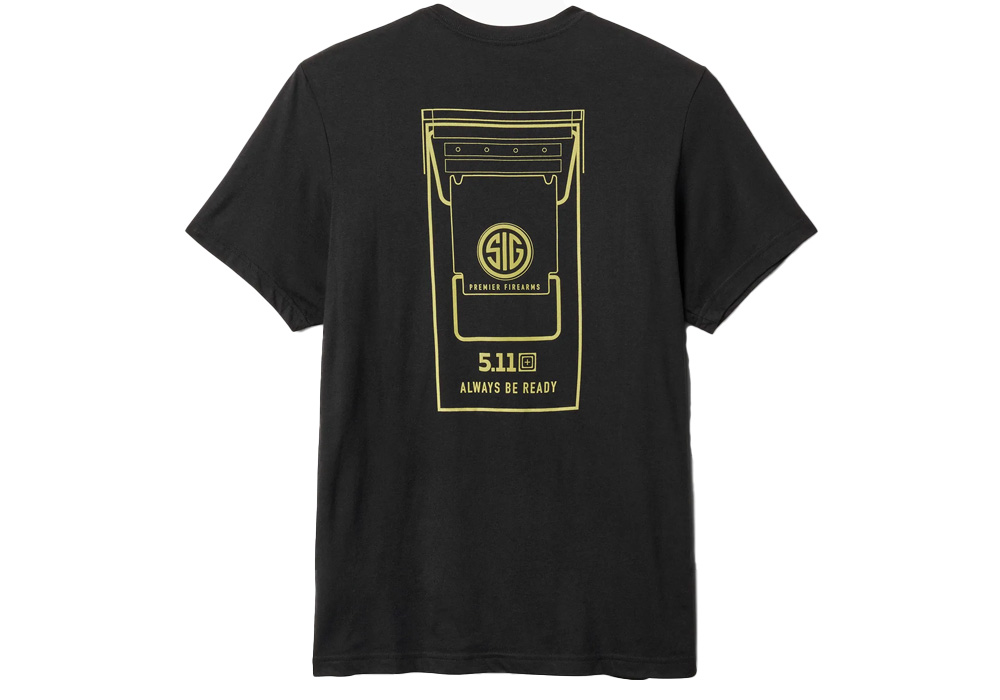
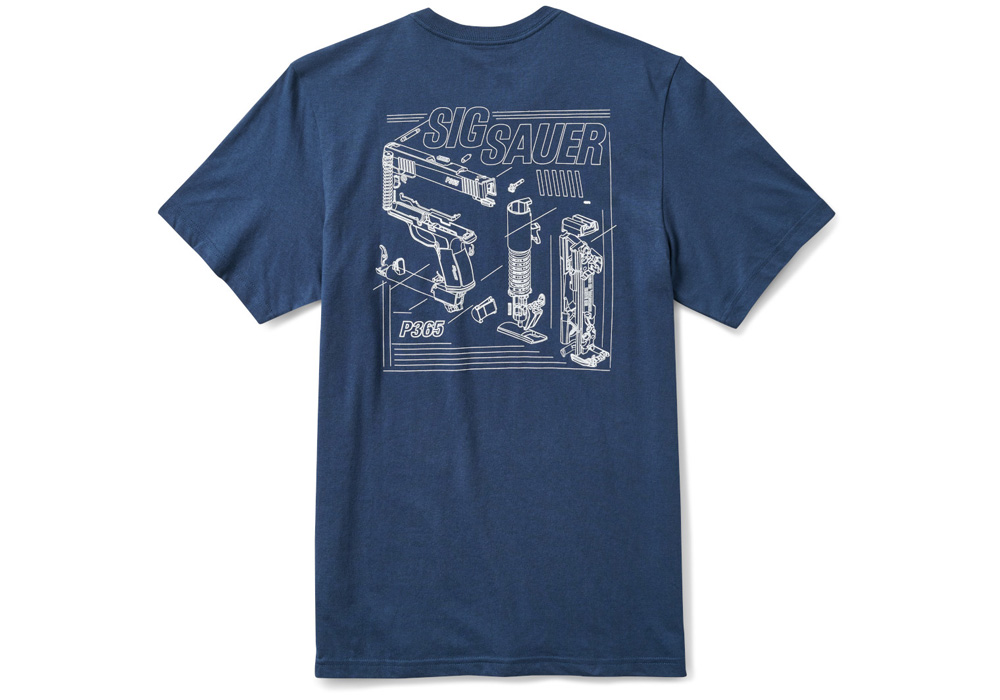
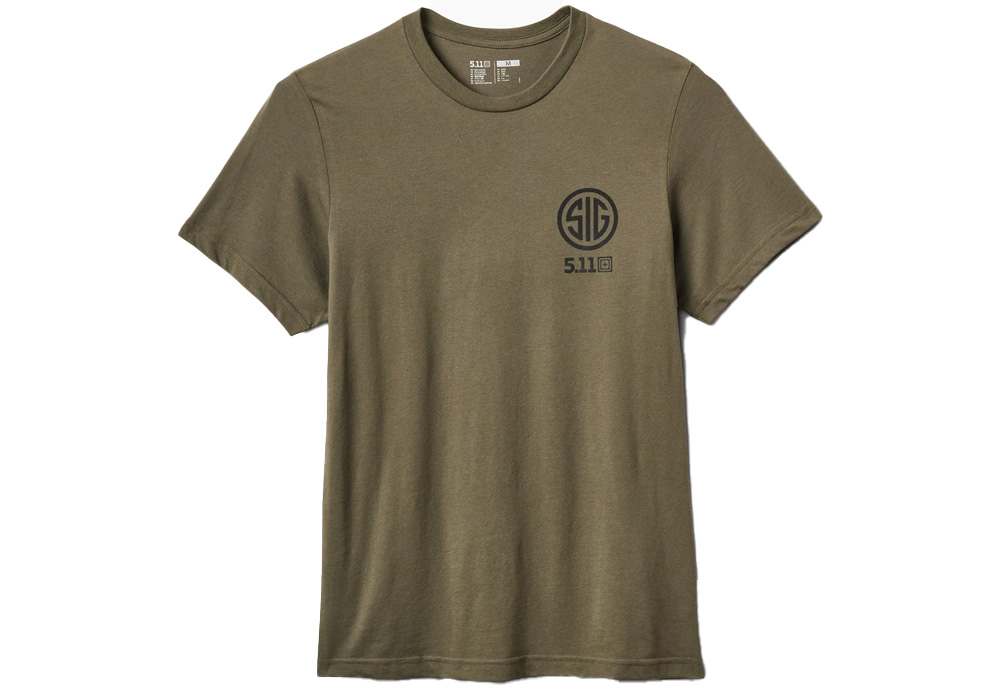
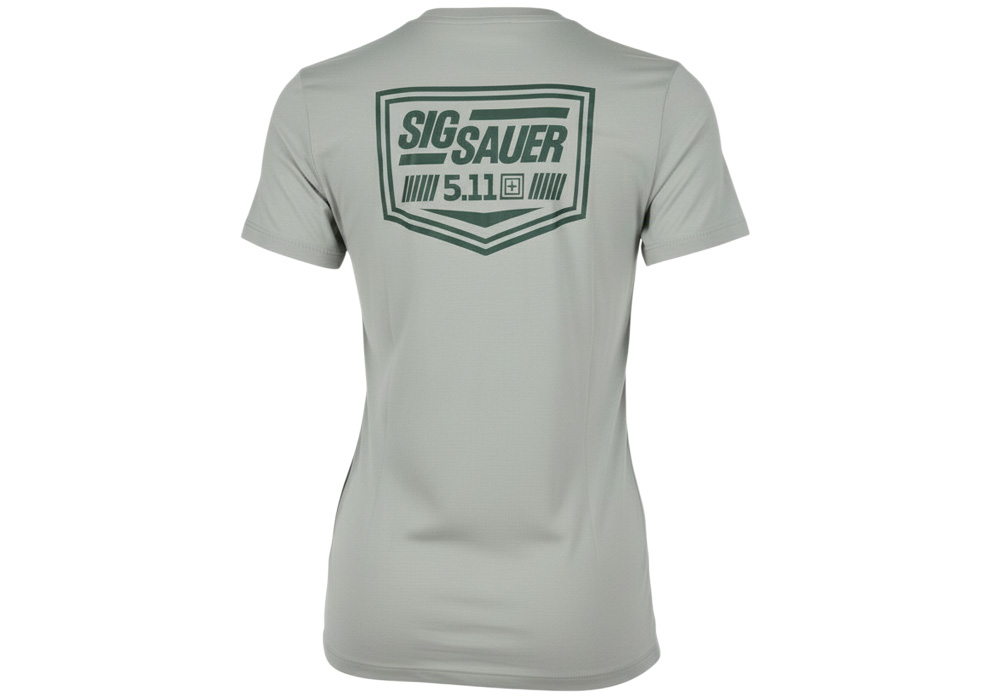
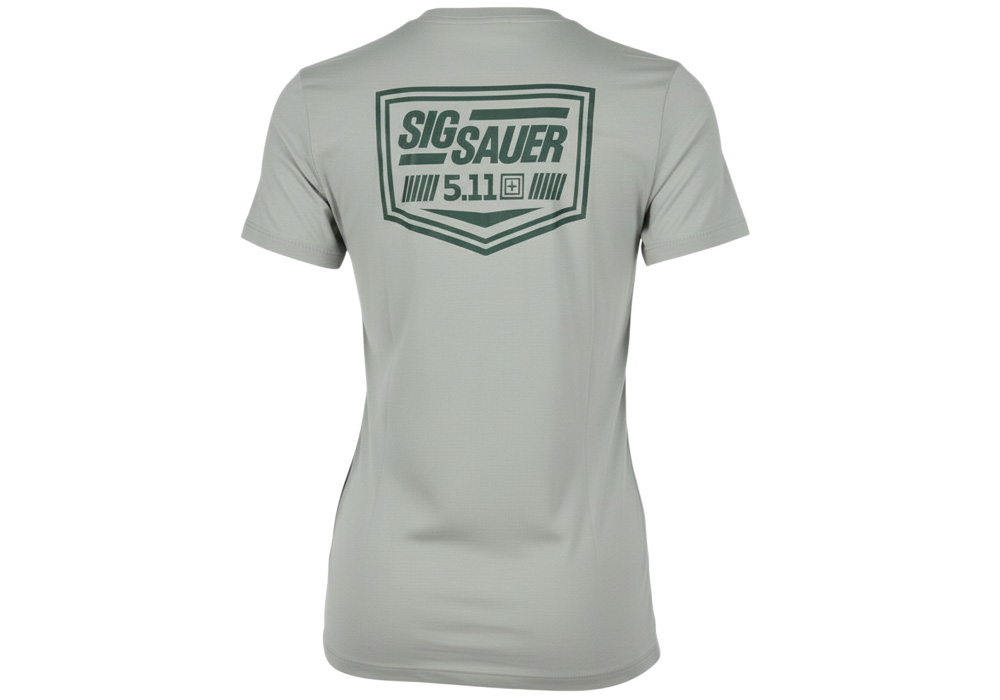
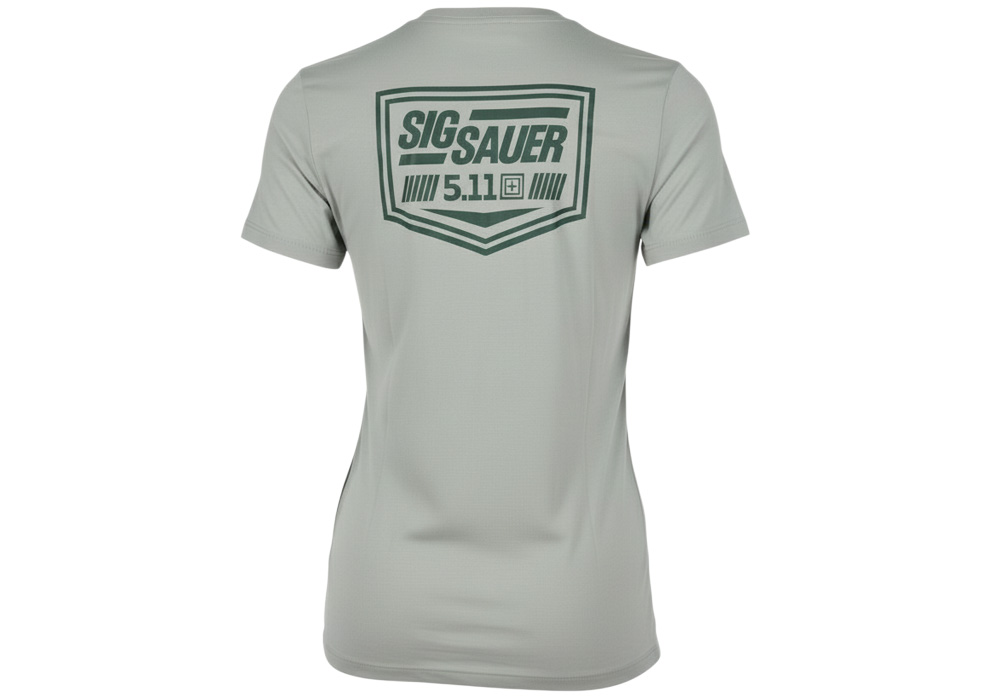
Gun range apparel should support comfortable movement, practical coverage, and a secure fit from the first step onto the range until the last piece of equipment is packed away. A typical range wardrobe begins with a high-neck shirt that covers the chest, shoulders, and upper back, helping shield skin from warm ejected brass. Crew necks and similar close-fitting collars offer useful coverage without interfering with a stable shooting position. Long pants provide an additional layer of protection for the legs and are well suited to walking between the firing line, benches, storage areas, and training spaces. Denim, rugged cotton blends, and other durable fabrics can stand up to regular wear while allowing enough flexibility for kneeling, crouching, or adjusting a stance. Sturdy closed-toe footwear is equally important. Athletic shoes with dependable traction or supportive boots can help maintain balance on smooth indoor floors, gravel, packed earth, and other uneven surfaces. Open-toe shoes, sandals, and loose footwear leave feet more exposed and may provide less stability. Before visiting a range, review its dress code and safety rules, since some facilities may have additional requirements for collars, footwear, or protective equipment. Clothing should fit close enough to stay clear of controls and surrounding gear without restricting natural movement. Extremely loose sleeves, dangling accessories, long scarves, and excessive jewelry can catch on equipment, interfere with handling, or become uncomfortable during a longer session. A well-chosen outfit keeps attention on safe procedures, consistent technique, and time spent practicing rather than on constant adjustments.
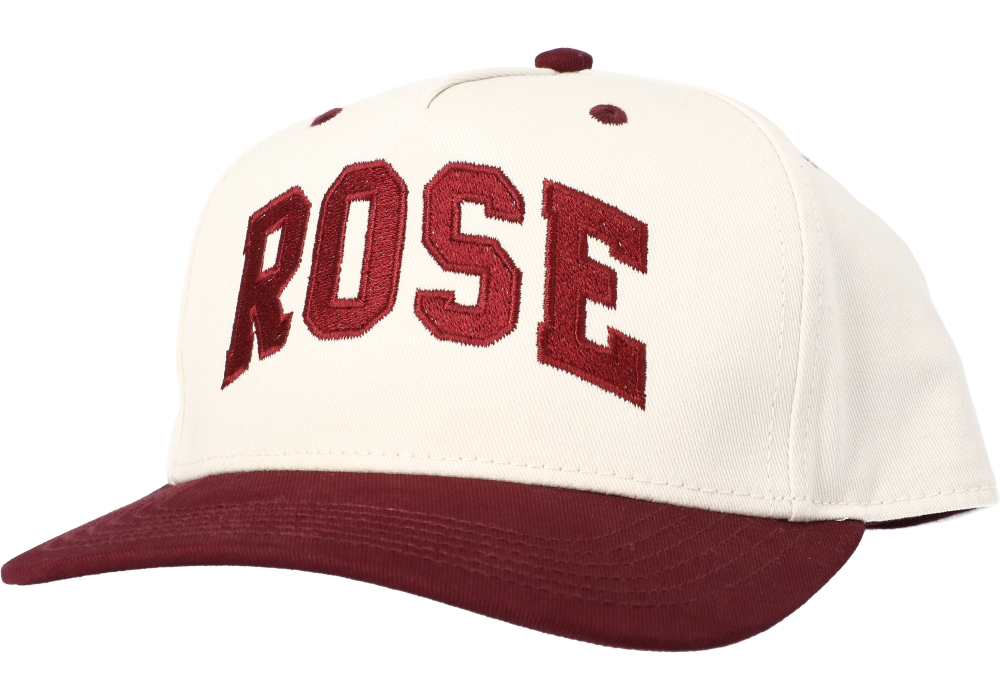
Headwear is a practical part of a range-ready wardrobe as well. A brimmed cap can help shade the eyes under bright outdoor conditions, keep hair contained, and provide a measure of coverage from warm brass that may land near the head or face. For indoor facilities, a simple, secure design is often preferable to anything with loose straps or oversized details. Eye and ear protection remain essential, even when apparel provides good coverage. Safety glasses or goggles should sit securely and provide clear vision without pressing uncomfortably against the face; tinted lenses can be useful outdoors, while clear lenses are often better suited to covered or indoor lanes. Properly fitted earplugs or earmuffs help reduce exposure to loud reports and should be selected according to the range environment and personal comfort. Clothing layers can be adjusted for changing conditions, especially during the cooler months when a comfortable walk to an outdoor lane may lead to a warmer period of activity once practice begins. Choose an outer layer that allows full arm movement and does not hang into the workspace, then secure or remove it before handling equipment if it becomes restrictive. Moisture-managing base layers can help during extended sessions, while a durable overshirt or lightweight jacket can add warmth during early morning practice and shaded outdoor periods. The best apparel feels unobtrusive: sleeves stay in place, waistbands remain comfortable, pockets do not interfere with equipment, and each layer supports a composed, repeatable routine. Shoppers comparing options in Apparel for Gun Enthusiasts can look for versatile pieces that transition easily from range time to travel, training classes, outdoor chores, or casual wear.
Gun range apparel also makes a thoughtful gift for a new shooter, a regular training partner, an instructor, or anyone who spends time around shooting sports. Practical clothing is especially useful for people building a dedicated range bag, preparing for an introductory class, or replacing worn pieces that have seen years of use. When choosing a gift, consider the recipient’s usual environment and routine. Someone who practices indoors may prefer lightweight layers and simple, low-profile clothing, while an outdoor shooter may value sun coverage, weather-resistant outerwear, and fabrics that remain comfortable across changing temperatures. Neutral colors and classic silhouettes are easy to combine with an existing wardrobe, and adjustable fits can be helpful when selecting apparel for another person. A brimmed cap, durable long-sleeve layer, or comfortable range-ready shirt can complement protective equipment without adding unnecessary bulk. For personal use, build an outfit around the same principles that guide safe range conduct: clear visibility, secure movement, dependable coverage, and minimal distractions. Keep hands and wrists free from loose fabric, choose pants that allow a natural stance, and confirm that footwear provides firm contact with the ground. Check each garment for loose threads, damaged closures, or stretched areas before heading out, especially when clothing has been stored between seasons. As weather shifts from milder days toward colder conditions, a flexible layering system keeps range apparel useful across indoor and outdoor settings. With the right combination of coverage, comfort, and durability, gun range apparel helps create a more confident, organized experience for practice sessions, training days, and everyday life beyond the firing line.