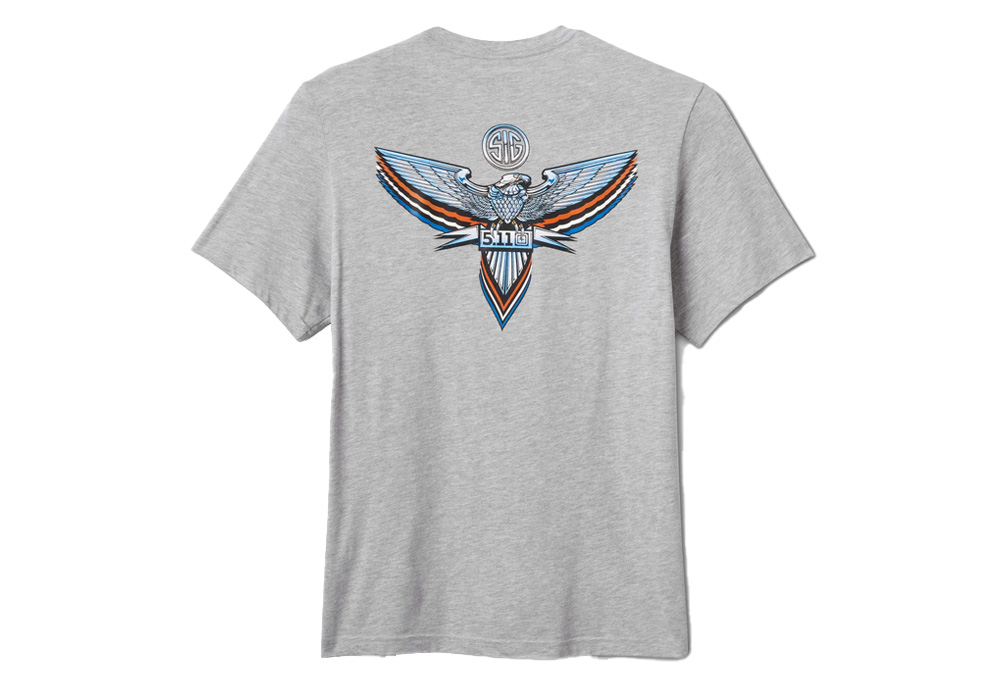
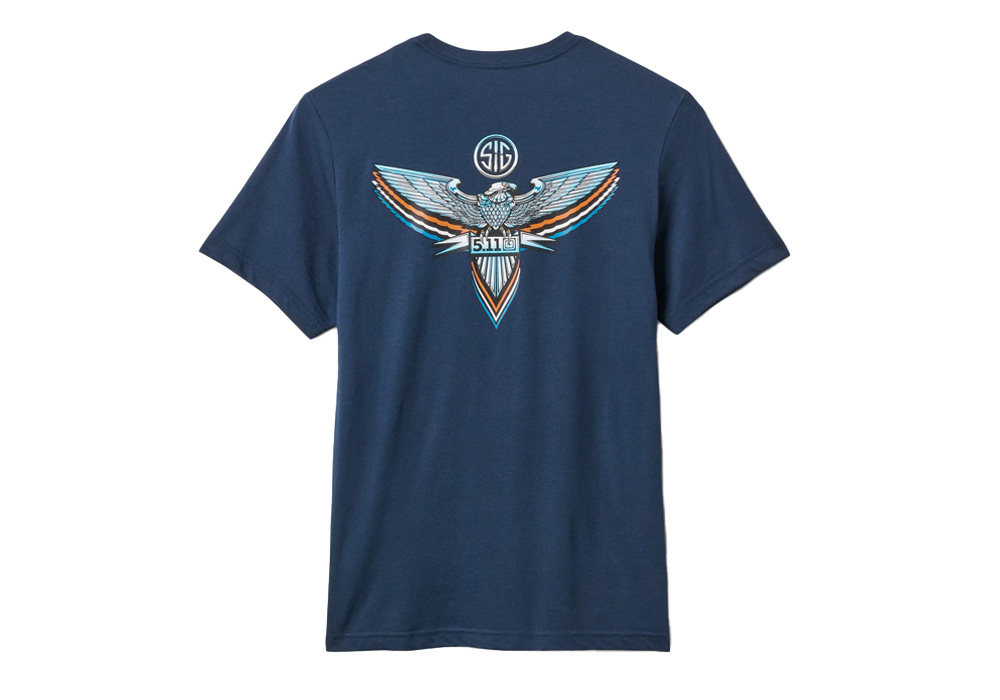
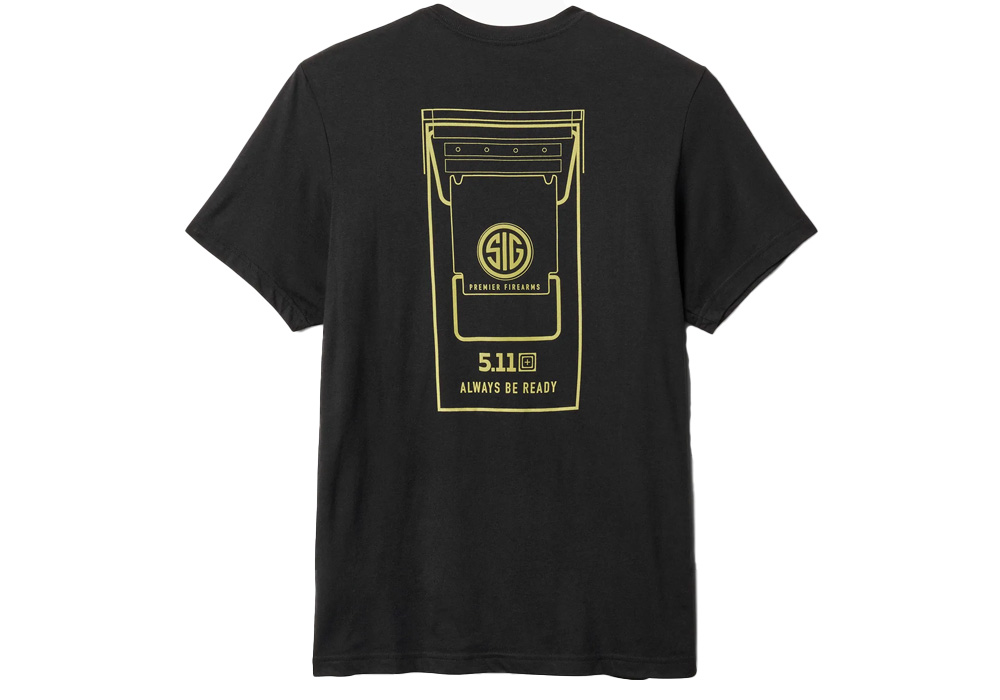
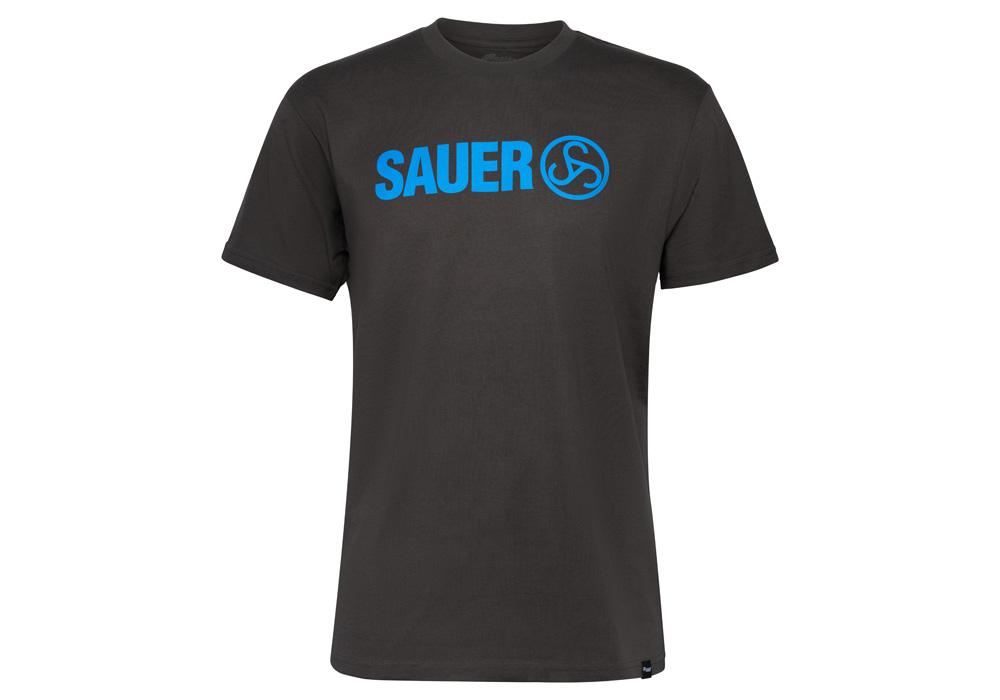
Apparel for gun enthusiasts brings a connection to shooting sports into everyday clothing, balancing personal style with the comfort needed for an afternoon at the range or a full day of errands. The category spans casual graphic apparel, understated logo designs, headwear, and clothing with practical details for active use. Some shoppers prefer a clear expression of their interests, while others favor simple graphics, neutral colors, and silhouettes that fit easily into an everyday wardrobe. Neither approach has to come at the expense of comfort. Fabric composition, construction, and cut all influence how a garment feels after several hours of wear. Cotton offers a familiar, soft hand, while cotton blends can combine that feel with improved shape retention or faster drying, depending on their fiber content. Synthetic performance fabrics may suit more active routines, and a small amount of stretch can help clothing move naturally through the shoulders, elbows, waist, and knees. Fabric weight matters, too: a substantial knit can feel structured and substantial without needing a tight fit, while a lighter knit may have a softer drape. For range apparel, those differences become noticeable when reaching across a bench, carrying a gear bag, or spending time standing between sessions. A shirt that feels comfortable while sitting still should also allow an easy reach without pulling sharply across the back or lifting excessively at the waist. Neckline shape, sleeve length, and the placement of seams can influence that experience as much as the size printed on the label. Headwear has its own fit considerations, including crown depth, closure style, and compatibility with eye and hearing protection. A comfortable cap should sit securely without creating distracting pressure beneath protective equipment. Together, these details distinguish clothing chosen only for a graphic from apparel that earns a regular place in a shooting enthusiast’s rotation. The strongest everyday choices offer both: an appearance that feels personal and a fit that remains comfortable through ordinary movement.
Fit and intended use give gun enthusiast clothing its practical character. Range days, shooting competitions, club gatherings, and casual outings can call for different levels of structure, coverage, and freedom of movement, even when the overall style stays relaxed. An athletic cut may appeal to someone who prefers a closer silhouette, while a relaxed fit can provide more room through the torso or thighs. Size labels alone do not describe those differences reliably; garment measurements and the stated fit offer a clearer picture, particularly when choosing clothing across several styles. Length deserves attention alongside width. A hem that stays comfortably in place when seated or reaching can be more useful than extra room throughout the entire garment. Likewise, sleeves should allow movement without bunching awkwardly around the wrist or restricting the upper arm. For people who include concealed carry in their daily routine, clothing fit may also involve comfortable coverage and compatibility with a suitable belt and holster. Apparel complements that equipment rather than replacing secure firearm retention or responsible handling practices. Pocket placement, waistband construction, and fabric stretch can affect comfort, but a low-profile appearance does not require an overtly tactical look. Straightforward cuts and restrained graphics often transition easily between a range visit and lunch afterward. Durability comes from the relationship between material and construction rather than fabric thickness alone. Even stitching, neatly finished seams, secure pocket edges, and resilient ribbing are useful details in clothing that sees frequent wear. Reinforcement can be valuable in areas exposed to repeated friction, while flexible construction helps prevent a garment from feeling stiff during normal activity. Decorative elements deserve the same consideration: a large printed design can feel different against the body than a small embroidered detail. Smooth seams and thoughtfully placed labels are especially noticeable during longer wear. These practical distinctions give shoppers room to choose apparel that matches their habits, whether that means a dependable casual layer, comfortable training clothing, or a simple way to show an interest in shooting sports without dressing differently for every stop in the day.
Care is part of the long-term value of apparel for gun enthusiasts, especially for favorite pieces worn between range visits and everyday activities. The care label is the best reference because fiber blends, printing methods, embroidery, and trims can require different treatment. Washing with similar colors, using an appropriate detergent, and following the recommended drying method can help preserve fit and appearance. Turning printed garments inside out may reduce surface abrasion when the label permits it, while avoiding unnecessary heat can help protect certain fabrics and decorative finishes. Overloading a washer can limit cleaning and increase rubbing between garments; giving clothing adequate room supports a more consistent result. Prompt attention to stains and allowing garments to dry fully before storage can also help keep a regular rotation looking fresh. Stretch fabrics and structured headwear may need particular care to retain their shape, so a familiar laundry routine is not always right for every piece. For gifting, apparel offers a personal connection to someone’s interests without requiring detailed knowledge of their firearm preferences or equipment setup. A birthday, graduation, or recognition of a shooting-sport milestone can be a fitting occasion, and an everyday design may appeal to a range partner, a club member, or a family member who enjoys the sport. The most useful gift choices reflect how the recipient actually dresses: preferred colors, typical fit, tolerance for prominent graphics, and the kinds of clothing already worn regularly. A familiar size is a starting point, but measurements and cut provide better context when a style differs from an existing favorite. Subtle designs can suit someone who keeps shooting interests separate from other parts of daily life, while expressive artwork may better match someone who enjoys that conversation. The broader Firearms And Apparel selection connects those interests with everyday style. Within an apparel wardrobe, lasting appeal comes from comfortable materials, dependable construction, straightforward care, and a look the wearer genuinely enjoys—not simply a graphic that catches attention once.