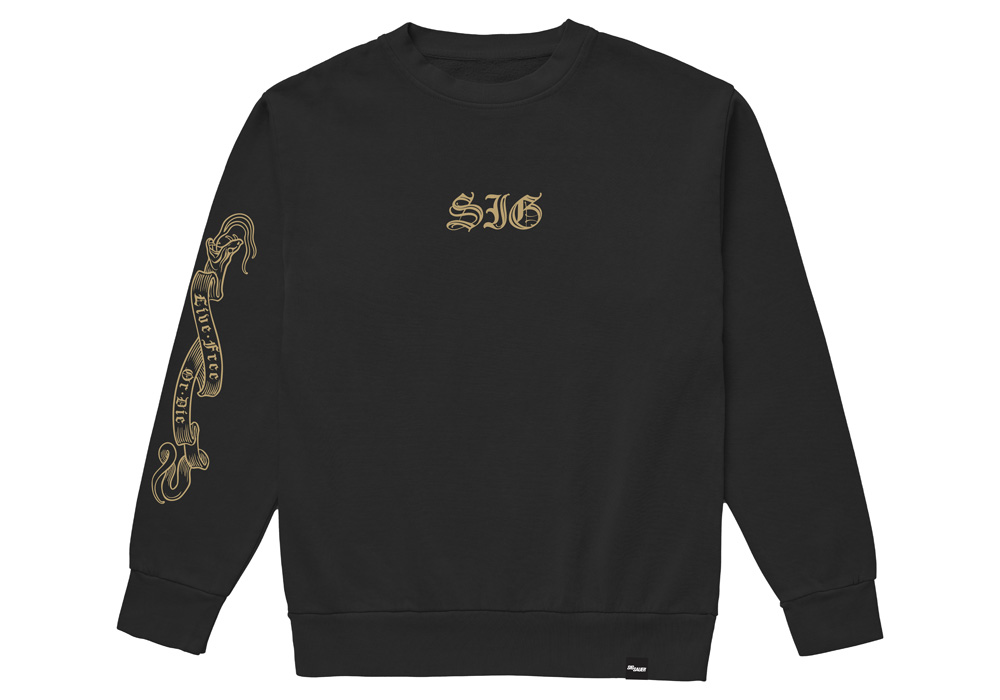
Firearms and apparel bring together equipment for lawful shooting activities and clothing suited to range visits, organized practice, and everyday wear. Firearm apparel generally falls into three overlapping categories: functional range clothing that supports comfortable movement, garments designed to accommodate lawful concealed carry, and lifestyle clothing that reflects an interest in shooting sports. The distinction matters because a casual graphic shirt serves a different purpose from a structured garment intended to support additional equipment. Likewise, firearms differ in their intended use, dimensions, weight, operating systems, and maintenance requirements. Selecting either category begins with a clear understanding of where and how it will be used. A recreational target shooter may prioritize a comfortable grip and clothing that stays comfortable through a full practice session, while someone participating in an organized shooting sport may need equipment that meets the discipline’s rules. For firearms, fit includes how naturally the grip sits in the hand, whether controls are comfortably accessible, and whether the overall weight feels manageable during supervised handling. For clothing, fit involves shoulder room, sleeve length, waistband comfort, and freedom of movement through the hips and knees. These are practical details rather than cosmetic ones: a seam that pulls across the back or a waistband that pinches while seated can become distracting over an afternoon at the range. Appearance still has a place, particularly in apparel intended for everyday use, but it works best alongside construction appropriate to the activity. Clear specifications, accurate size charts, and care information help distinguish purpose-built clothing from casual styles with a similar look. A coordinated wardrobe does not need to appear uniform or overly technical; straightforward cuts and understated graphics can transition easily between recreational settings and ordinary errands. Across both firearms and apparel, thoughtful selection means matching the product’s characteristics to its role rather than assuming that a particular appearance guarantees suitability.
Materials and construction have a direct influence on how shooting apparel feels, wears, and holds its shape. Cotton offers a familiar, soft hand for everyday clothing, while synthetic fibers can help manage moisture and maintain a lighter feel during active use. Blended fabrics balance those qualities in different ways, so fiber percentages and fabric weight are more informative than broad performance descriptions alone. Stretch can provide useful flexibility across the shoulders, elbows, and knees, though an excessively loose or elastic fit may not provide the structure required for every application. Reinforced stitching at pocket corners and other stress points can improve durability where fabric receives repeated pulling or abrasion. Flat seams, smooth interior finishes, and thoughtfully placed labels can also matter when clothing is worn for several hours. For a closer look at clothing suited to practice sessions, Gun Range Apparel connects these everyday comfort considerations with the demands of a shooting environment. Imagine settling onto a range bench, reaching for hearing protection, and then standing again: a useful fit allows those ordinary movements without constant adjustment. Shoulder seams should not bind, hems should remain comfortable when seated, and bulky details should not interfere with required protective equipment. Apparel intended to accommodate lawful concealed carry needs particular attention to its stated purpose and compatibility requirements. A reinforced waistband or dedicated compartment does not, by itself, establish that a garment is a suitable substitute for a properly fitted holster. Secure retention, trigger coverage, and compliance with applicable laws remain separate considerations. Everyday lifestyle apparel can be evaluated more simply through fabric feel, cut, graphic treatment, and ease of care. Durability often shows up in modest details, including consistent stitching, stable neck openings, and closures that remain easy to use. Comparing garment measurements with a well-fitting piece of clothing at home is usually more useful than relying on a size label alone, especially when moving between relaxed, regular, and fitted silhouettes.
Firearm materials and finishes deserve the same careful attention, although their purpose differs from that of clothing. Steel, aluminum alloys, and reinforced polymers each contribute different combinations of weight, strength, and resistance to wear. Surface treatments can help protect exposed components, but no finish eliminates the need for appropriate care or secure storage. Manufacturer documentation is the reference for approved cleaning products, inspection intervals, and maintenance procedures; familiar household chemicals are not automatically suitable for every surface. Before cleaning or handling a firearm for maintenance, follow the manufacturer’s safety instructions and verify that it is unloaded. Questions about condition, function, or compatibility belong with a qualified professional rather than guesswork. Responsible ownership also includes preventing unauthorized access, understanding local requirements, and obtaining instruction appropriate to the owner’s experience. Clothing care is less specialized, but consistency still extends useful life. Follow each garment’s care label, account for different washing requirements across fabric blends, and pay attention to instructions for printed graphics, elastic components, and structured sections. Excessive heat or an unsuitable cleaning treatment can affect fit and appearance even when the fabric initially seems rugged. After range use, follow facility hygiene guidance, wash hands thoroughly, and keep range clothing separate from other laundry when recommended to limit the spread of residue. For frequent recreational shooters, easy-care fabrics and dependable sizing can make repeat visits more comfortable without adding unnecessary complexity to the routine. New participants may find straightforward, well-fitting apparel more useful than an elaborate collection of specialized features. Experienced enthusiasts often know which cuts, pocket placements, and materials suit their habits, making those preferences valuable when choosing a gift. Apparel can be a thoughtful option for an adult shooting-sports enthusiast when the recipient’s size and style are known; neutral designs and familiar silhouettes reduce uncertainty. A firearm involves additional legal, transfer, and personal-fit considerations and should never be treated as an ordinary clothing purchase. Whether selecting equipment for personal use or clothing for someone else, the most useful qualities remain concrete: appropriate fit, dependable construction, clear care requirements, and a purpose that matches the person using it.