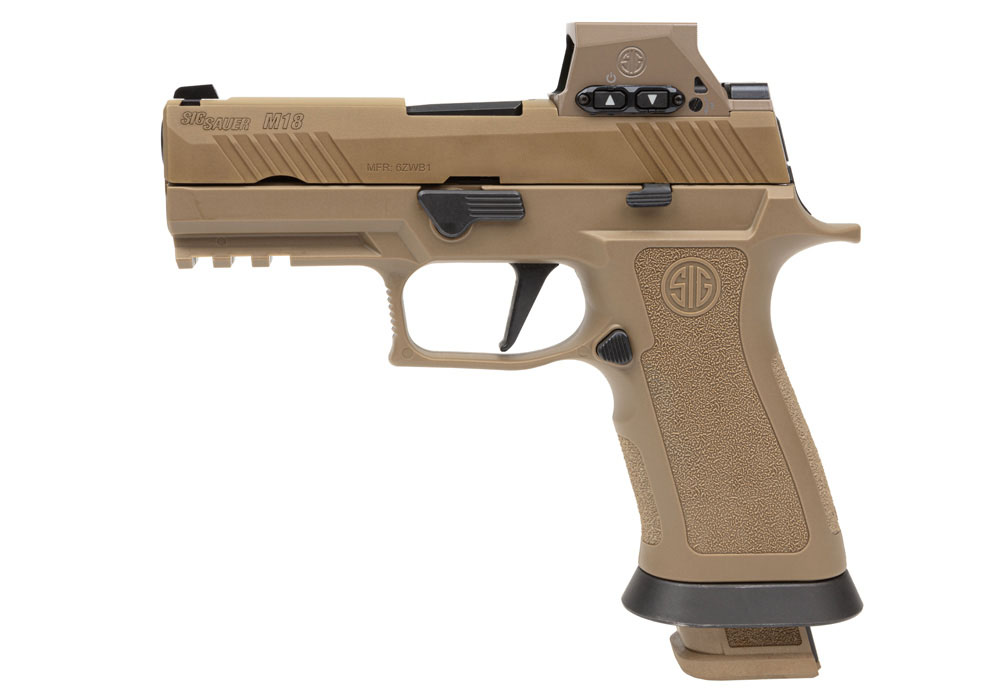
Handgun holders organize pistols and revolvers while helping protect their finishes and keep storage spaces orderly. Common styles include under-shelf handgun hangers, freestanding pistol racks, magnetic mounts, wall-mounted holders, and display stands, each suited to a different layout and purpose. Under-shelf hangers use the space beneath a shelf, leaving the surface above open for other equipment inside a locked gun safe. Pistol racks separate handguns into individual positions, reducing contact between neighboring firearms and making a crowded shelf easier to navigate. Magnetic holders secure compatible metal surfaces against a coated mounting face, while wall-mounted systems organize vertical space within an appropriately secured enclosure. Display stands emphasize presentation and balance, whether supporting a single handgun or arranging several firearms within a locked cabinet. The right style depends on the storage location, the dimensions of the firearms, and how often the collection changes. A compact safe with closely spaced shelves presents different requirements from a deep cabinet with generous vertical clearance. Likewise, a revolver with a wide cylinder occupies space differently from a slim pistol, even when their overall lengths are similar. Individual positions with adequate separation help prevent grips, sights, and controls from brushing against adjacent firearms. For a household with several handguns, a rack can create a consistent place for each one; for a smaller collection, individual holders may leave more room for future rearrangement. A holder’s footprint matters as much as its stated number of positions, especially when the surrounding shelf also accommodates cases or maintenance supplies. Clear organization can also make it easier to recognize an empty position without handling every firearm in the enclosure. These accessories support organization, not access control: a handgun holder is not a substitute for a locked safe or another suitable secure-storage system. Firearms should be stored unloaded, with ammunition secured separately and access restricted to authorized adults.
Materials influence how a handgun holder supports weight, protects surfaces, and stands up to repeated use. Steel and other rigid metal structures can provide a stable framework, particularly in racks and shelf-mounted designs, while polymer components offer a lighter structure with contact surfaces that may be easier to wipe clean. Closed-cell foam can cushion a handgun and separate it from neighboring firearms, although foam composition and compatibility with cleaning products deserve attention. Coated wire, padded cradles, and protective liners help limit direct contact between hard surfaces, but the condition of that coating matters over time. A worn edge or exposed fastener can undermine an otherwise well-designed holder. Acrylic display stands offer a clear view of a firearm’s profile, with stability depending on the base dimensions and the position of the supported handgun. Fit extends beyond whether a pistol can physically occupy a slot. Slide width, frame shape, grip angle, cylinder diameter, barrel length, and sight height can all affect how securely a handgun rests. An attached optic or light may require additional clearance, and a holder intended for a bare handgun may not accommodate that same firearm with accessories installed. Barrel-supported hangers require particular attention to the manufacturer’s stated compatibility, including bore dimensions and barrel configuration. The same attention to dimensions applies when considering Carry Handgun Barrels, since a change in barrel length or muzzle configuration can affect the way a handgun sits in a holder. No firearm should need to be forced into position, and contact points should not press against the trigger or operating controls. A well-matched design supports the firearm without awkward tilting, excessive movement, or pressure on delicate components. For magnetic mounts, holding strength depends on the compatible contact surface and the manufacturer’s mounting requirements, not simply the handgun’s overall size. Protective coatings help guard a finish, but they do not eliminate the need to keep grit away from contact points.
Everyday usefulness often comes down to small details: enough space to grasp a grip without touching the next handgun, a base that stays level on the intended shelf, and surfaces that remain easy to inspect. A collector arranging firearms in a locked display cabinet may value consistent presentation and minimal visual obstruction. A frequent range visitor may prefer clearly separated positions that keep a safe organized between outings. Someone sharing secure storage with another authorized adult may appreciate a layout in which each handgun has an established place. Modular arrangements can accommodate a changing collection, while a single-piece rack keeps spacing consistent without separate components shifting around. Where a holder attaches to a shelf, wall, or cabinet interior, both the mounting hardware and the supporting surface need to suit the intended load. A firm attachment cannot compensate for a weak shelf or an unsuitable cabinet panel. Vehicle storage introduces additional security and movement concerns; an exposed magnetic mount alone is not a secure firearm-storage solution. For longer periods between uses, material compatibility and cleanliness become especially important. Dust, grit, trapped moisture, and residue from firearm-care products can affect both the holder and the finish resting against it. Care generally involves cleaning contact surfaces according to the holder manufacturer’s directions, checking padding and coatings for wear, and inspecting mounting points for looseness. Absorbent liners deserve attention because they can retain moisture or cleaning residue. A damaged cradle, cracked base, or deteriorating protective layer is a reason to stop using the holder until the issue is resolved. Handgun holders can also be a practical gift for an adult firearm owner when the recipient’s storage arrangement and firearm dimensions are known. The most useful choice is not necessarily the largest rack or the most elaborate display; it is the holder that fits the secured space, supports the intended firearms correctly, and remains straightforward to maintain. Thoughtful organization leaves room around each handgun, protects neighboring surfaces, and complements responsible storage without pretending to replace it.