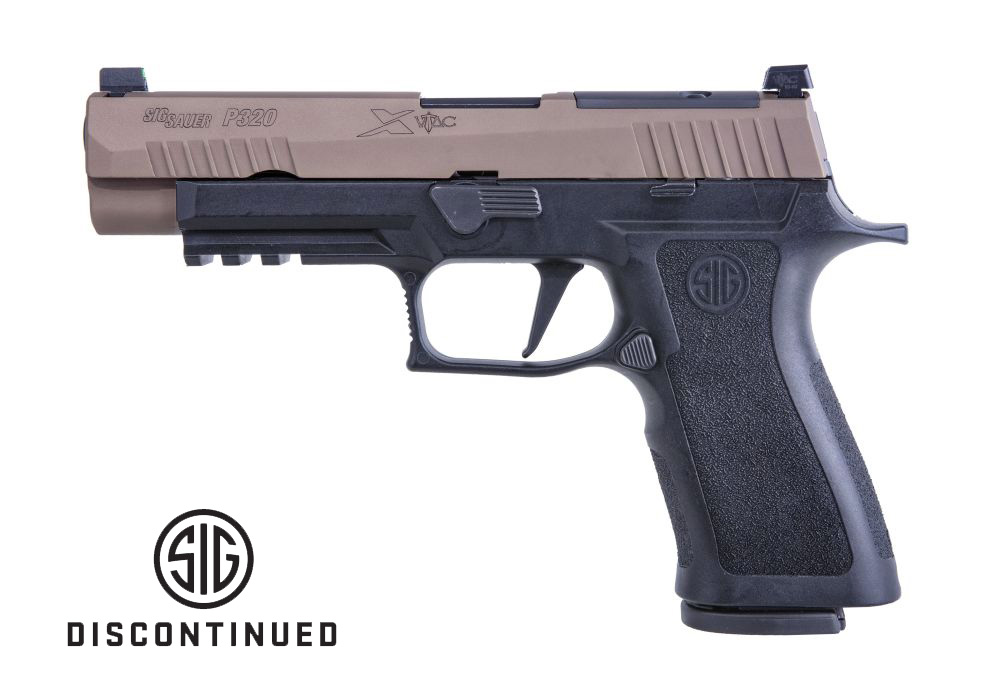
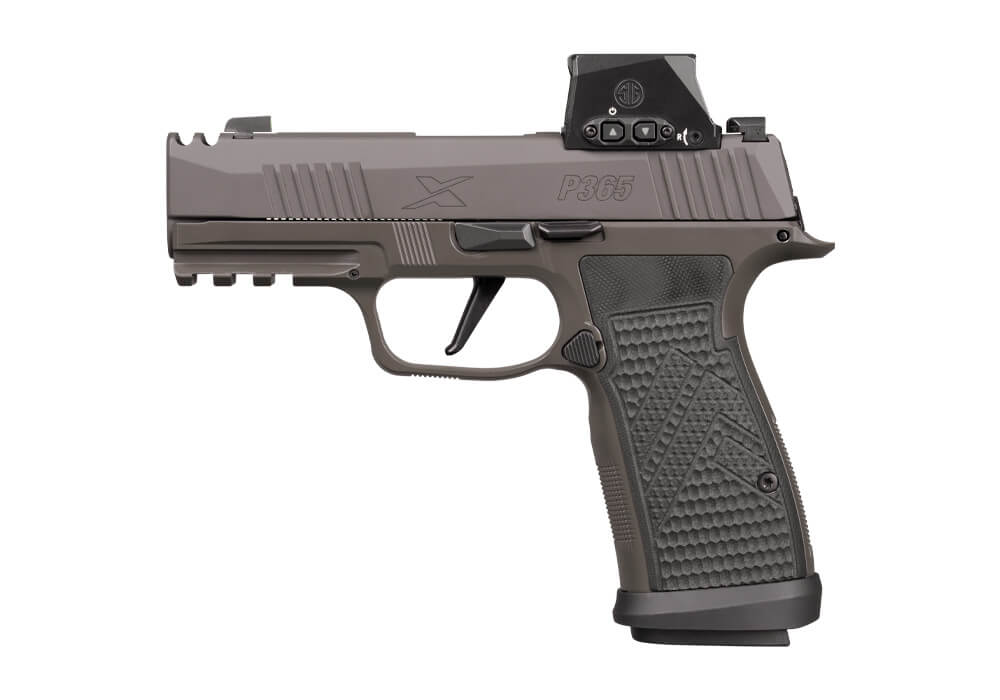
Handguns with night sight upgrades pair a familiar handgun platform with sights designed to remain easier to distinguish when ambient light is limited. The most common night sight systems use small, sealed tritium elements that glow without batteries or prior exposure to a light source. These illuminated reference points can help the shooter recognize the front and rear sights against a darker background, while a contrasting ring or outline around the front element can improve visibility under ordinary lighting. Fiber-optic sights work differently: they gather available light to create a bright reference point, but they need external light and do not produce their own illumination in darkness. Hybrid designs combine these approaches, although their appearance and performance depend on the particular sight construction. Understanding that distinction helps explain why two handguns described as having enhanced sights may present very different views at the range. A fluorescent front ring might stand out clearly against a gray paper target, while a less prominent rear outline may keep the visual emphasis toward the front sight. Other configurations use equally visible reference points across both sights for a more familiar presentation. Neither arrangement is universally best; eyesight, corrective lenses, target background, and personal preference all influence what feels clear rather than distracting. Night sights also have an important limitation: they illuminate the sight references, not the target or the surrounding area. They do not replace adequate lighting, positive target identification, or sound firearm safety practices. Their role is narrower and more practical, providing a visible reference when conventional sight markings become harder to distinguish. For recreational target shooting, structured training, or lawful personal protection, that added visibility can be a useful feature, provided the handgun itself fits the user and the sight system suits the intended use. The most relevant differences are often the ones visible in everyday handling: a front outline that remains distinct, a rear notch that feels uncluttered, and a sight picture that stays recognizable across different lighting environments.
Materials, dimensions, and installation quality matter as much as the luminous elements inside the sights. Many handgun night sights use steel bodies with protective finishes to resist wear from routine handling, cleaning, and contact with a holster. Rounded edges can reduce abrasion against surrounding equipment, while textured or serrated viewing surfaces may limit distracting reflections under bright range lights. Those details affect how the sights look and feel over time, but no finish is immune to scratches, corrosion, or neglect. A durable sight system also depends on a secure, correctly fitted interface with the slide. Compatibility involves more than the general size of the handgun: sight mounting geometry, front and rear dimensions, and differences between slide configurations can all affect fit. A set intended for one configuration should not be assumed to suit another simply because the pistols look similar. Front and rear sight heights also work together, so a visually appealing combination is not necessarily a properly matched one. Professional installation and inspection by a qualified gunsmith can help address fit without risking damage to the slide, sight body, or illuminated inserts. Handguns equipped with an electronic optic introduce another consideration. Taller iron sights may remain visible through an optic window, a relationship often called co-witnessing, but that visibility depends on the optic, mounting arrangement, and sight height. Standard-height sights may sit below the window, while excessively tall sights can occupy more of the view than a shooter prefers. Neither setup should be assumed compatible without checking the relevant specifications. Sight height can also affect holster clearance, making equipment fit part of the overall selection rather than an afterthought. Beyond the sights, the handgun’s grip dimensions, control placement, weight, and trigger reach remain central to comfortable, responsible use. An illuminated sight system cannot compensate for a grip that is difficult to manage or controls that are awkward to reach. A well-matched configuration brings these elements together without treating the sight upgrade as a substitute for the fundamentals of handgun fit.
Long-term ownership calls for straightforward care and realistic expectations. Tritium illumination gradually becomes less bright over a period of years, and its useful service life varies with the sight design, its age, and the user’s visual needs. Daytime visibility can change for other reasons: residue may obscure a colored outline, lint can collect around a rear notch, and repeated abrasion can wear a protective finish. Routine inspection helps reveal those changes before a range visit turns into a search for the source of an unfamiliar sight picture. Any cleaning or inspection should follow the handgun and sight manufacturers’ directions, with the firearm unloaded and ammunition kept separate from the work area. Appropriate cleaning materials matter because aggressive solvents, abrasive tools, or excessive force can harm finishes, colored rings, and sensitive components. A cracked insert, a loose sight, or a noticeable change in alignment calls for professional evaluation rather than an improvised repair. Secure storage is equally important, especially in a household with children or visitors who are unfamiliar with firearms. For newer owners, a handgun with upgraded night sights may offer a clearly defined visual reference during supervised instruction, while experienced shooters may value a configuration that resembles the sights on another handgun they regularly practice with. In both cases, consistency and familiarity matter more than the number of visible features. Those interested in a related grouping centered on included sight equipment can explore Handguns With X-Ray Night Sights Included. Factory-equipped sights can simplify the relationship between the handgun and its sight configuration, although the same considerations of fit, visibility, and intended use still apply. A useful comparison looks beyond how brightly a sight glows in a dark room and considers how clearly it appears under normal range lighting, how comfortably the complete handgun handles, and how readily the owner can maintain it. Night sight upgrades are most meaningful as part of a dependable, properly maintained handgun supported by responsible storage, qualified instruction, and regular practice.