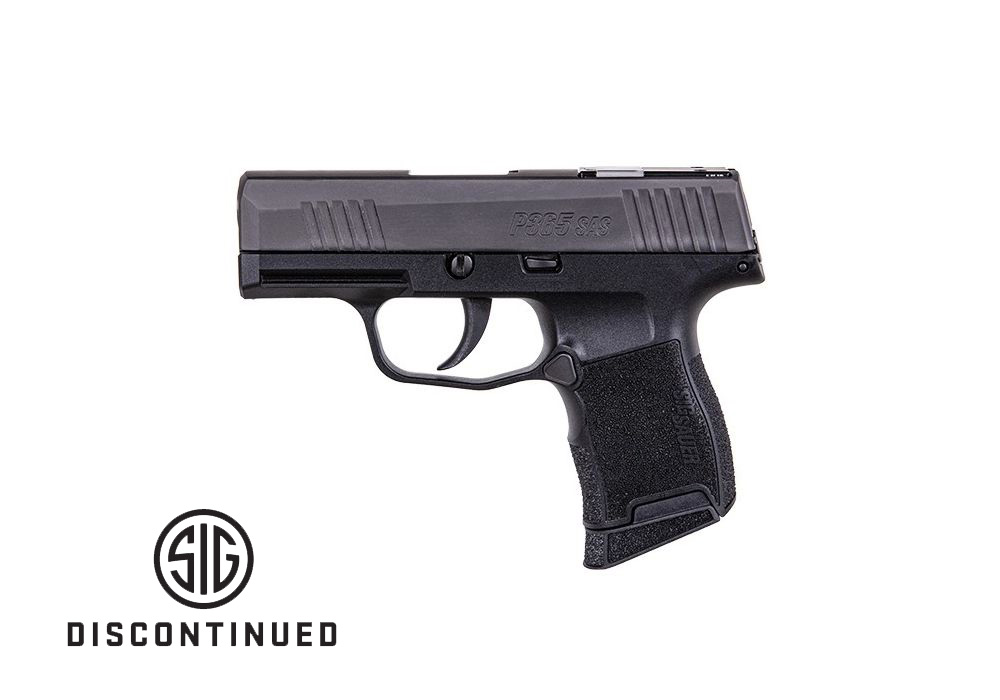
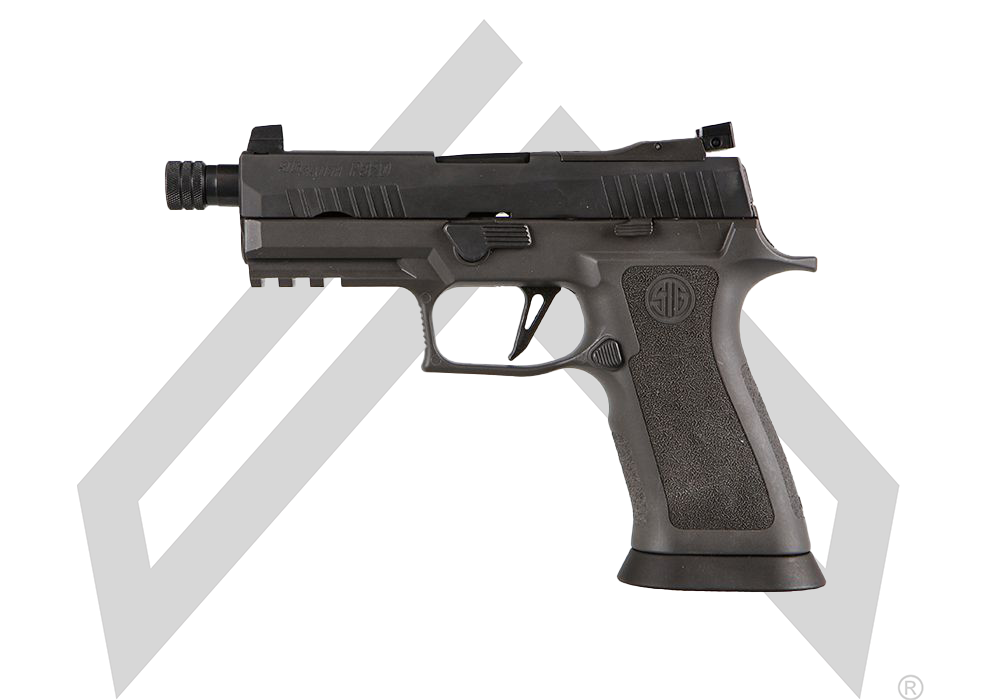
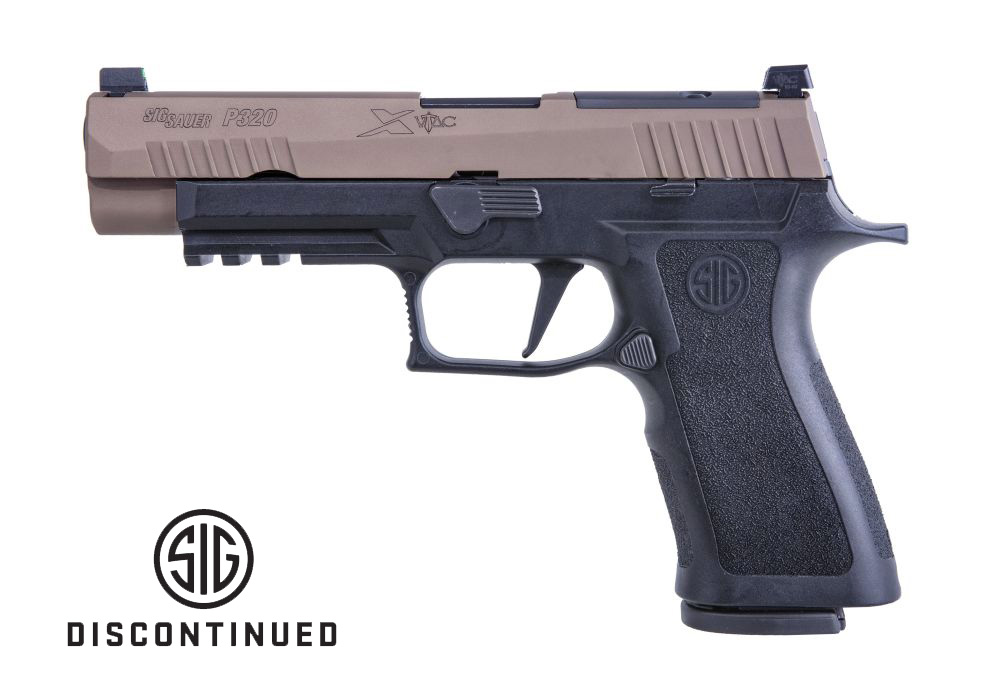
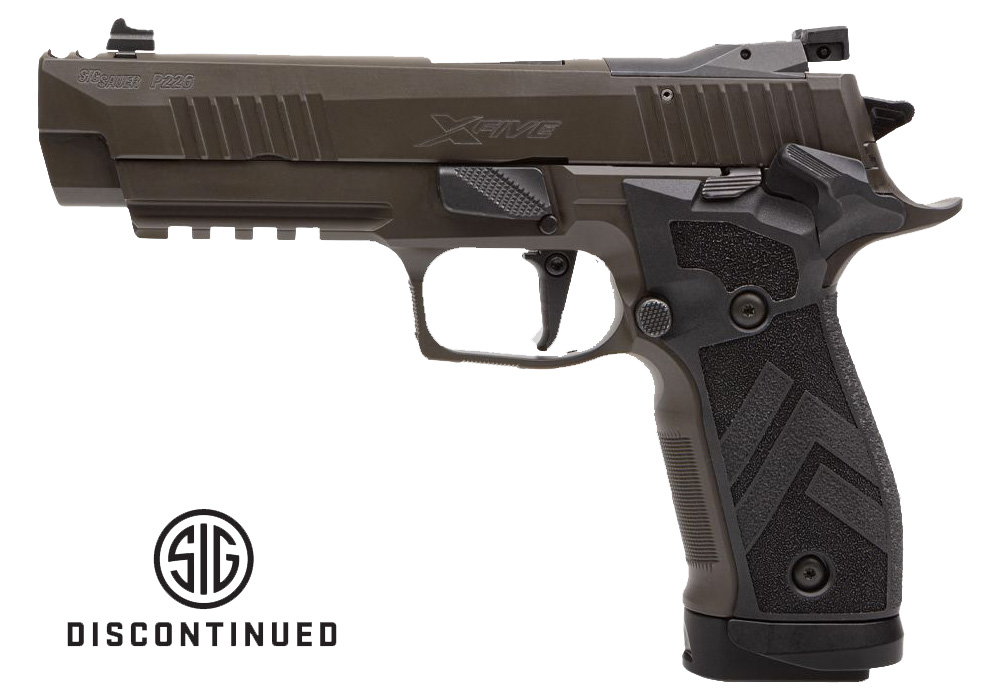
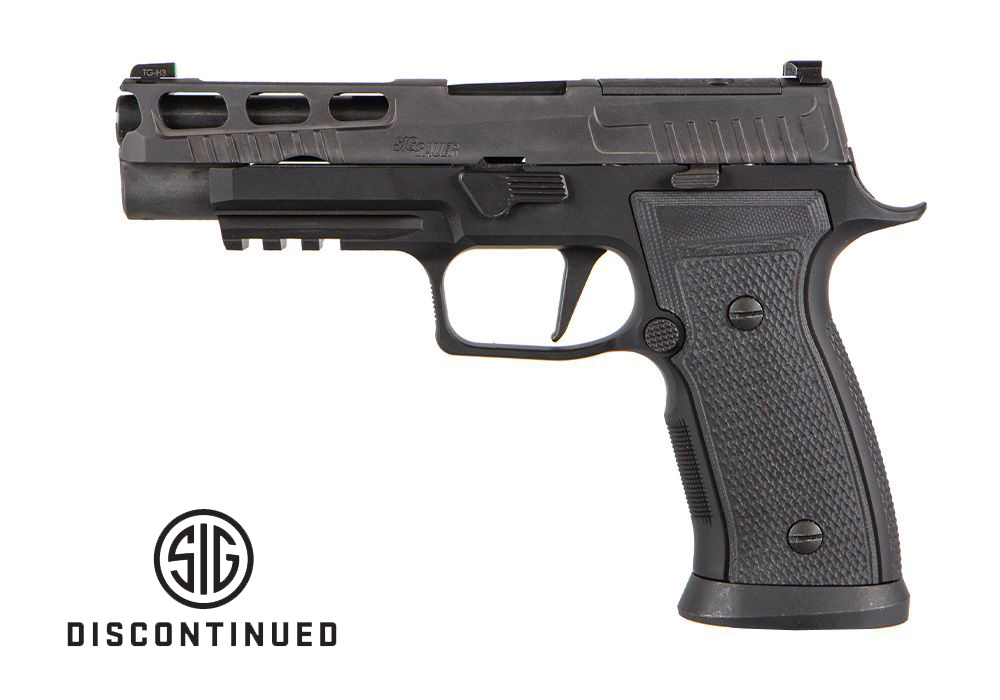
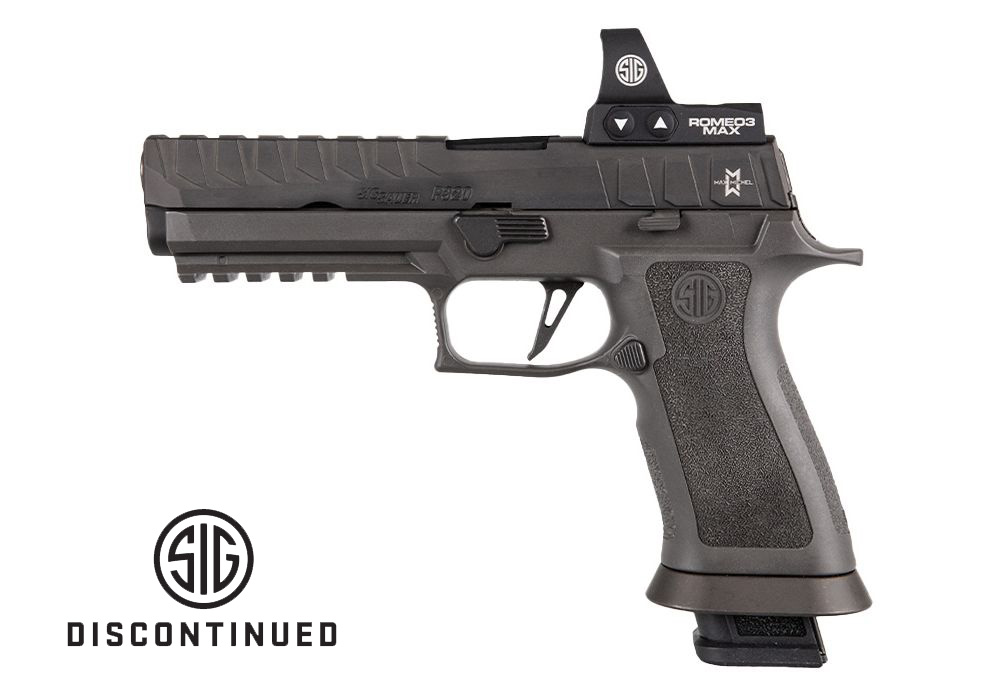
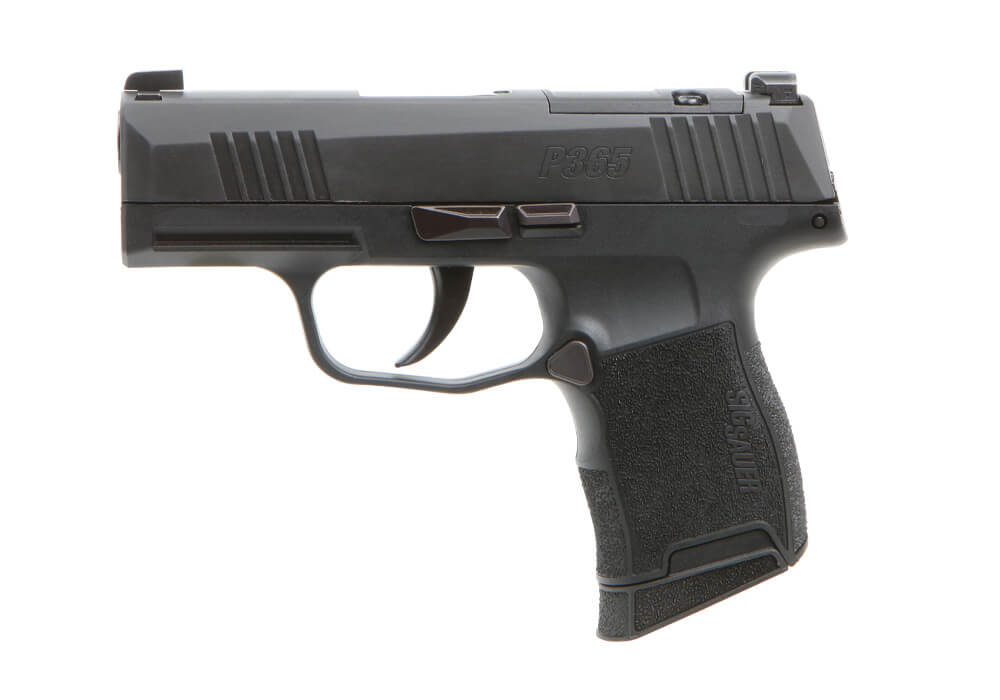
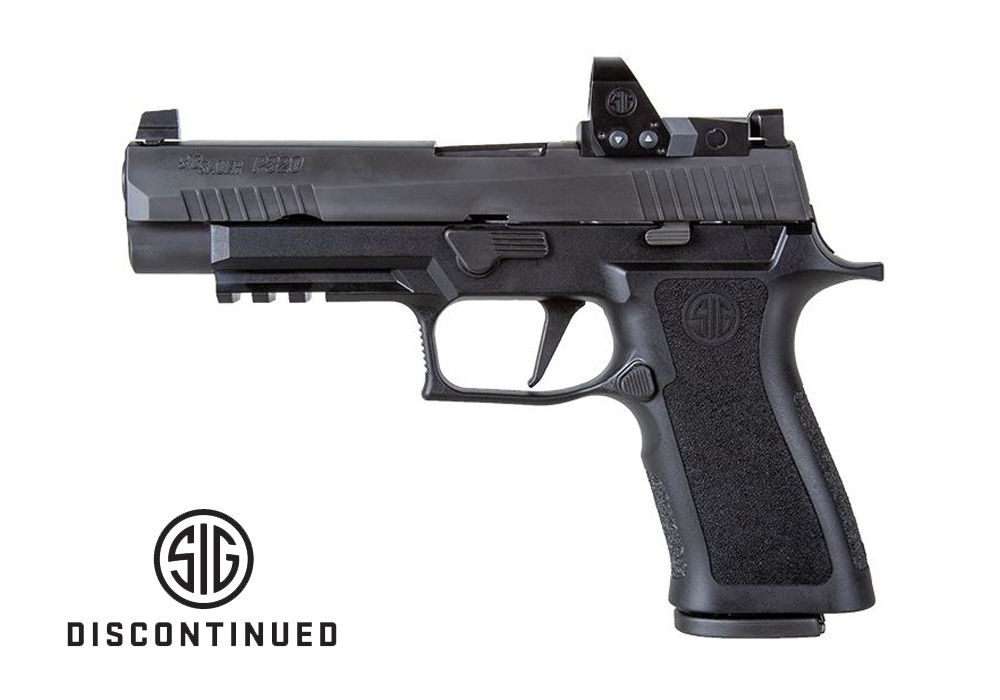
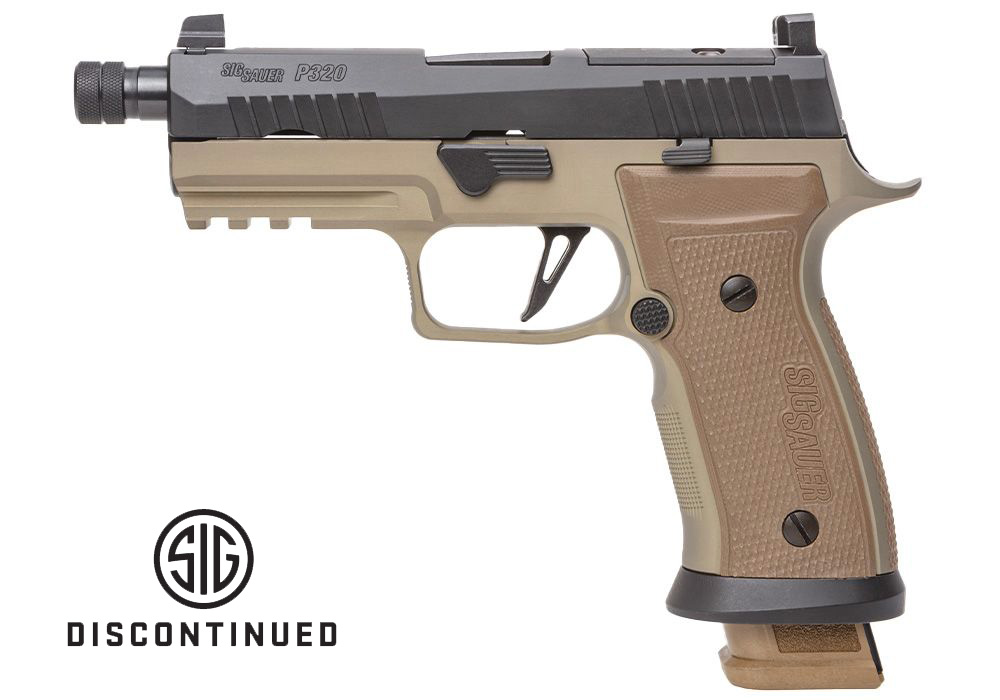
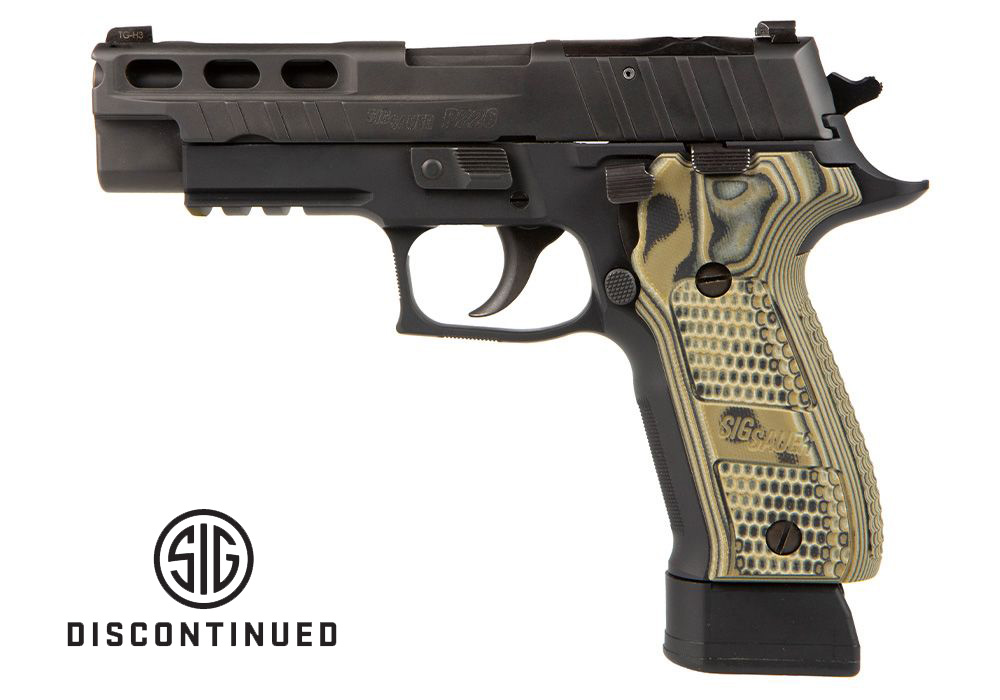
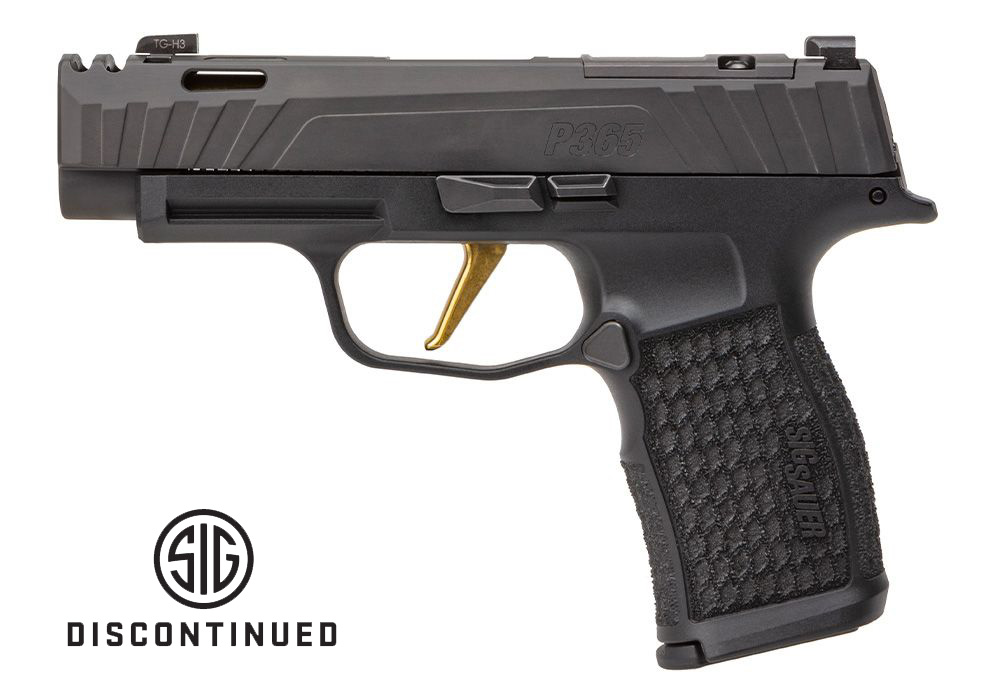
Handguns with advanced sight systems pair the familiar handling of a pistol with sighting features that can make the aiming reference easier to see and interpret. The category includes handguns equipped with miniature red dot sights, tritium night sights, fiber-optic sights, and combinations of electronic optics and backup iron sights. Each system serves a different purpose, so the most useful distinction is how the sight presents its aiming reference under the conditions in which the handgun will be used. A miniature red dot projects an illuminated reticle within an optical window, allowing the shooter to view the aiming reference while maintaining visual attention on the target. With suitable fit and practice, that arrangement can support more consistent sight acquisition, particularly for shooters who find the traditional alignment of front and rear sights difficult to resolve. It does not eliminate the need for sound fundamentals or guarantee better accuracy. Tritium night sights use sealed, self-illuminating elements to make sight references visible in dim light without an electronic power source. Fiber-optic sights gather available light through a colored rod, producing a conspicuous reference that is especially useful in well-lit settings. Unlike tritium, fiber optics depend on surrounding light and do not provide their own illumination in darkness. Neither system illuminates a target or replaces the need to identify it clearly. Hybrid sight designs combine different elements to provide useful references across a broader range of lighting conditions. Electronic sights introduce additional considerations, including reticle brightness, battery life, window dimensions, and the visibility of the reticle to the individual shooter. A bright setting that looks crisp against a pale target may appear distracting against a dark background. Reticle appearance also varies with vision; someone with astigmatism may see an illuminated dot as a streak or starburst rather than a clean circle. Evaluating the sight picture firsthand, where possible, helps distinguish useful features from specifications that look impressive but offer little practical benefit for a particular person.
The relationship between the handgun, slide, and sight is just as important as the sight technology itself. A handgun supplied with an installed optic offers a different starting point from an optics-ready handgun that requires a separately selected sight and, in some cases, mounting hardware. Optics-ready does not mean universally compatible: the slide interface, optic footprint, screw specifications, and any required adapter plate must match the intended configuration. Direct-mount arrangements can position an optic closer to the slide, while plate-based systems may accommodate additional footprints at the expense of extra mounting height. Neither approach automatically provides a usable view of the iron sights through the optic. That relationship, often called co-witness, depends on the height of the front and rear sights, the optic housing, and the complete mounting assembly. Backup sights may provide an alternative aiming reference if an electronic sight is unavailable, but their usefulness should be evaluated for the actual setup rather than assumed from the presence of an optic cut. For a related selection centered on slide styling and mounting provisions, Handguns With Optic Ready Stylized Slides offers another way to explore this category. Materials and construction also influence how a sight-equipped handgun feels and holds up to regular use. Polymer grip frames, metal frames, steel slides, protective finishes, and aluminum optic housings contribute differently to weight, balance, and resistance to wear. Lens coatings can help manage reflections and protect optical surfaces, although no coating removes the need for careful cleaning. Enclosed-emitter optics shield the emitter within the housing, while open-emitter designs leave that area more exposed to lint and debris. Overall dimensions deserve attention, too: a larger window may be easier to view, but the housing can affect holster compatibility and the profile of the handgun. Grip circumference, reach to the controls, and balance remain essential fit considerations. A clearly visible reticle cannot compensate for a handgun that feels awkward in the hand or requires an uncomfortable grip to operate its controls.
Intended use helps bring these details into focus. For recreational range shooting, an easy-to-read sight picture and comfortable handling can matter more than the smallest possible dimensions. For organized competition, sight selection should account for the applicable equipment rules, since electronic optics and iron sights may place otherwise similar handguns in different divisions. For lawful concealed carry, the complete combination of handgun, sight, and holster deserves attention, including secure retention, full trigger coverage, and sufficient clearance around the optic and taller iron sights. A holster designed for an unmodified slide may not accommodate an optic-equipped configuration correctly. A handgun intended for home defense likewise calls for dependable operation, appropriate secure storage, and familiarity with the sight system; visible sight references alone do not resolve the challenges of limited lighting. New shooters, experienced enthusiasts, and people returning to regular practice may all appreciate advanced sights, but the best match depends on vision, hand fit, intended use, and willingness to maintain the equipment. Routine care is straightforward in principle and specific in execution: follow the handgun and sight manufacturers’ instructions, verify that the firearm is unloaded before inspection or cleaning, and keep ammunition separate from the maintenance area. Use cleaning products appropriate for coated lenses, and avoid treating an optic window as though it were an ordinary metal surface. Lint around an exposed emitter, residue on a lens, or a damaged fiber-optic rod can interfere with the sight picture even when the handgun itself is clean. Battery-powered optics benefit from a planned replacement schedule and periodic function checks rather than reliance on an advertised runtime alone. Battery access also matters, since some designs allow replacement without removing the optic while others require removal and subsequent verification of sight alignment. Tritium elements gradually lose brightness and eventually need professional service or replacement. Mounting components should be inspected and serviced according to the applicable instructions, with qualified assistance when needed. Consistent practice and careful upkeep help preserve the advantages of a sight system that fits both the handgun and its owner.