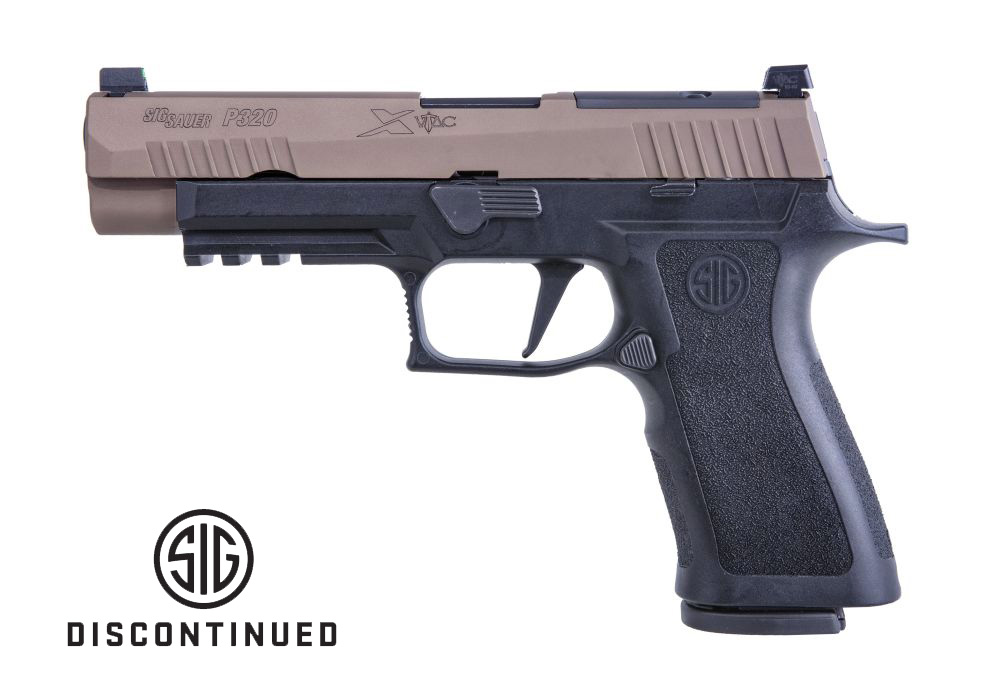
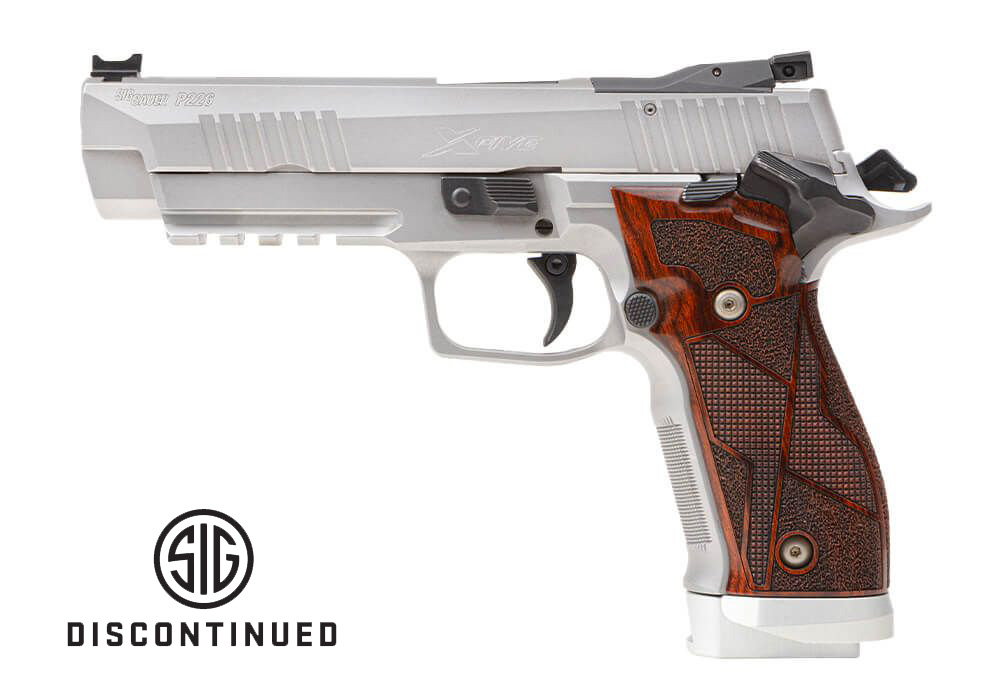
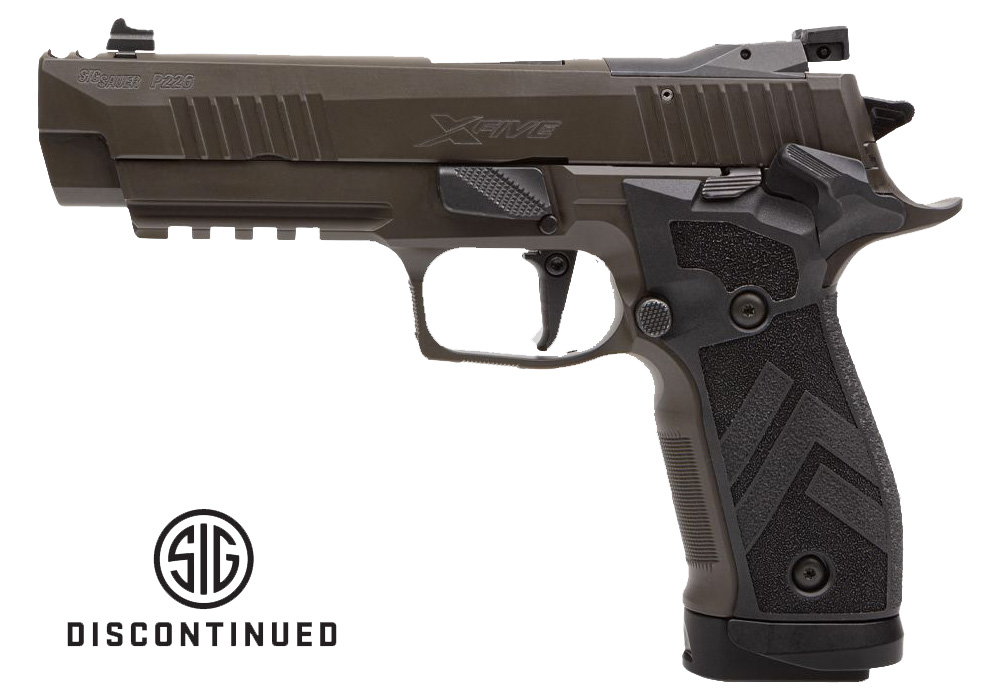
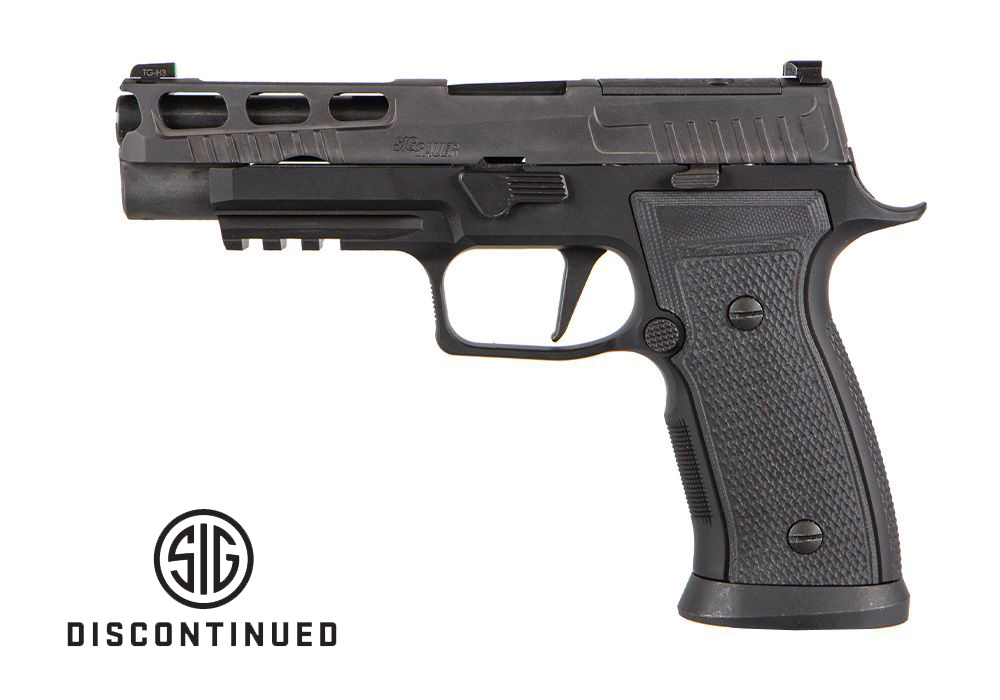
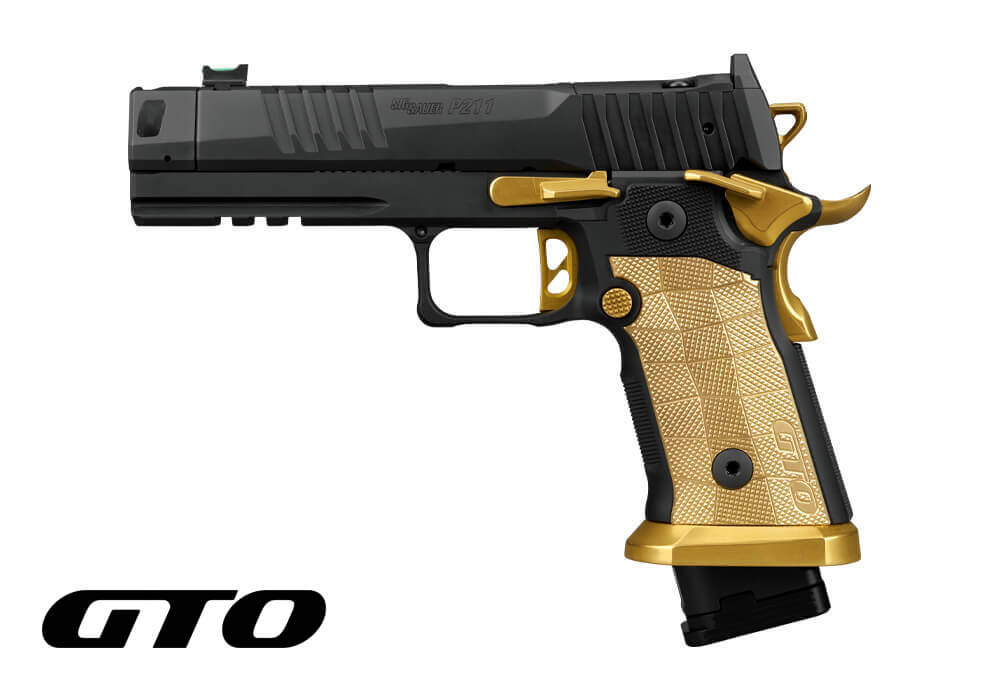
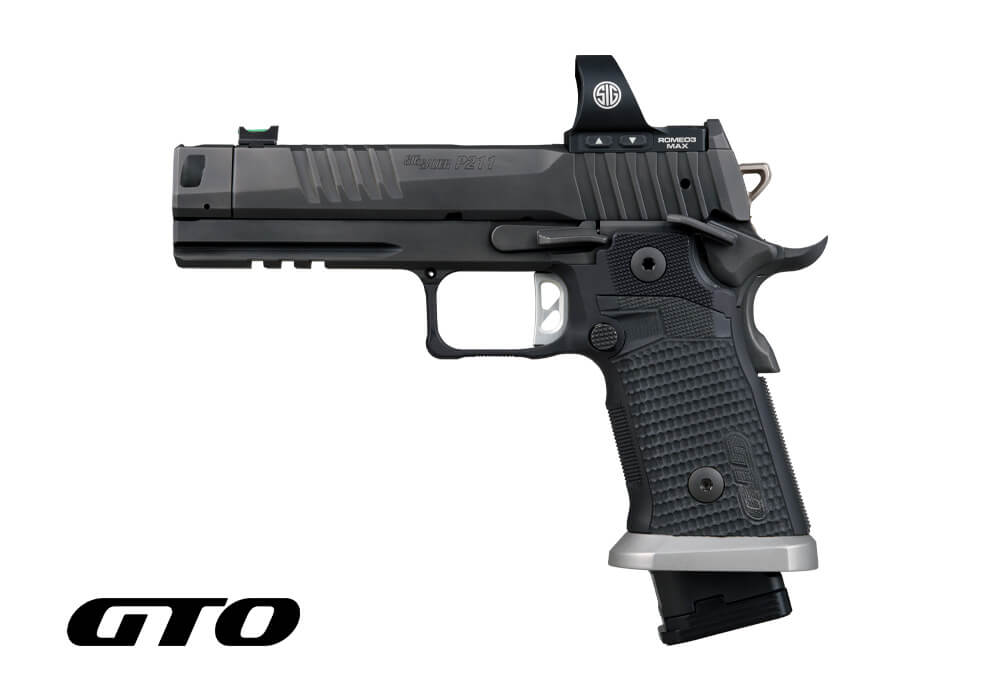
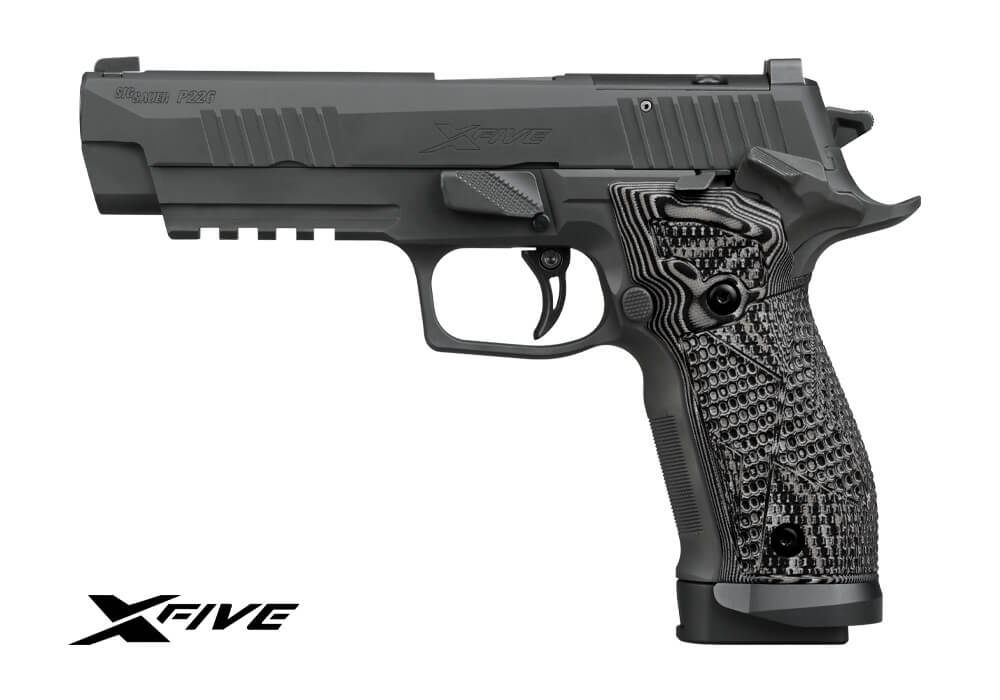
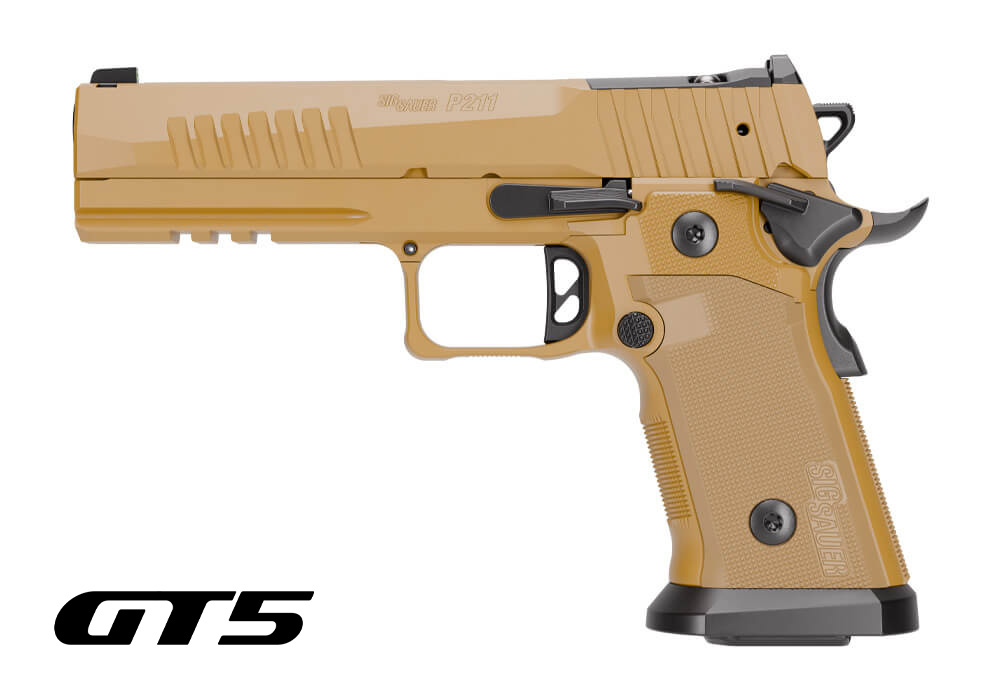
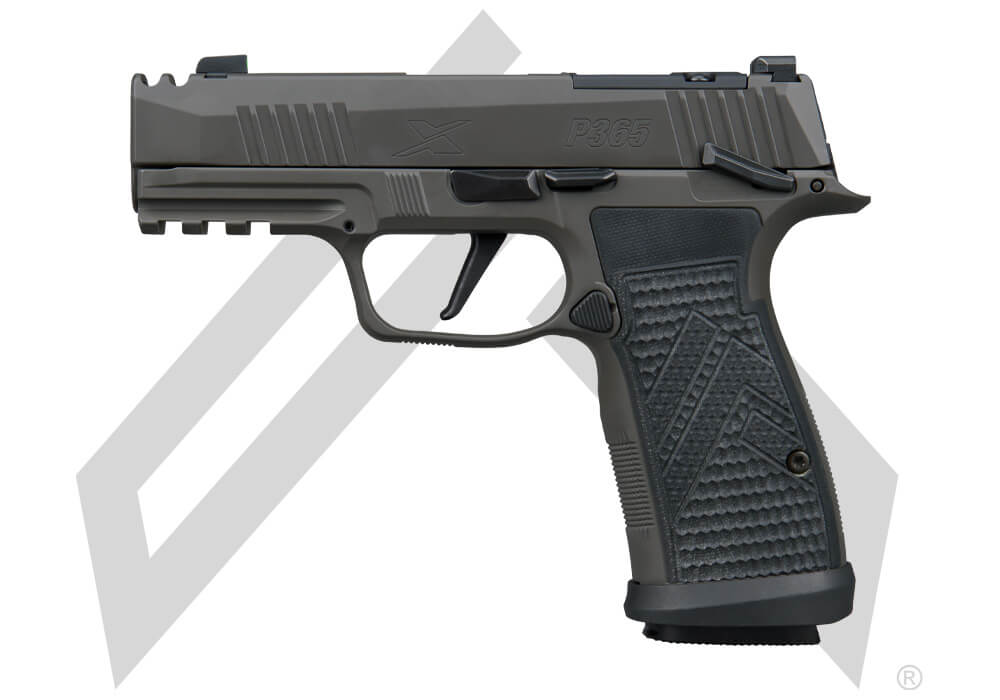
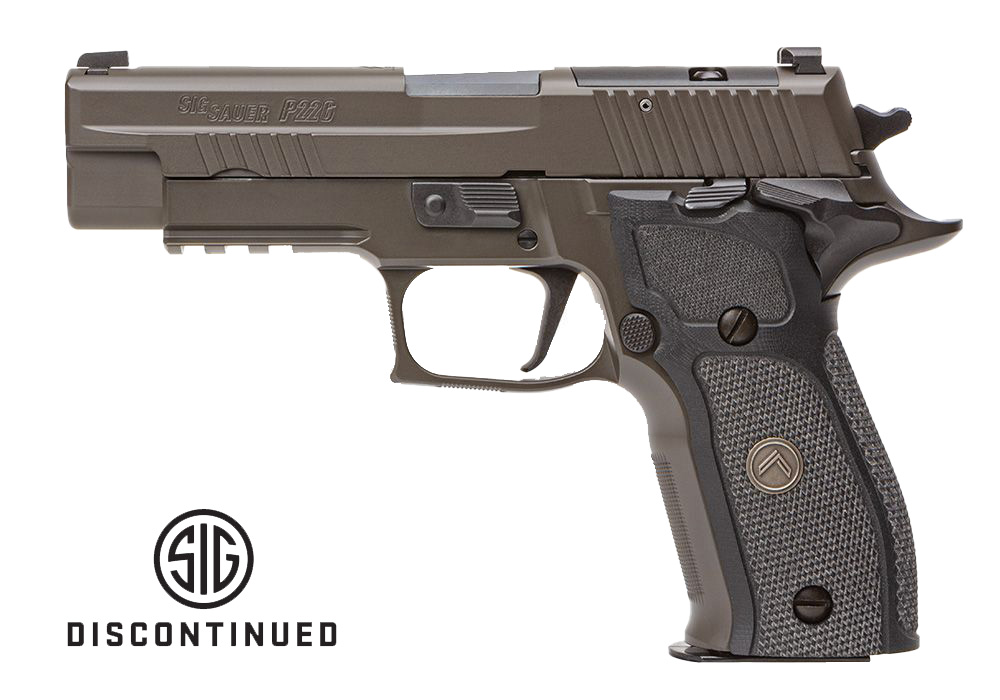
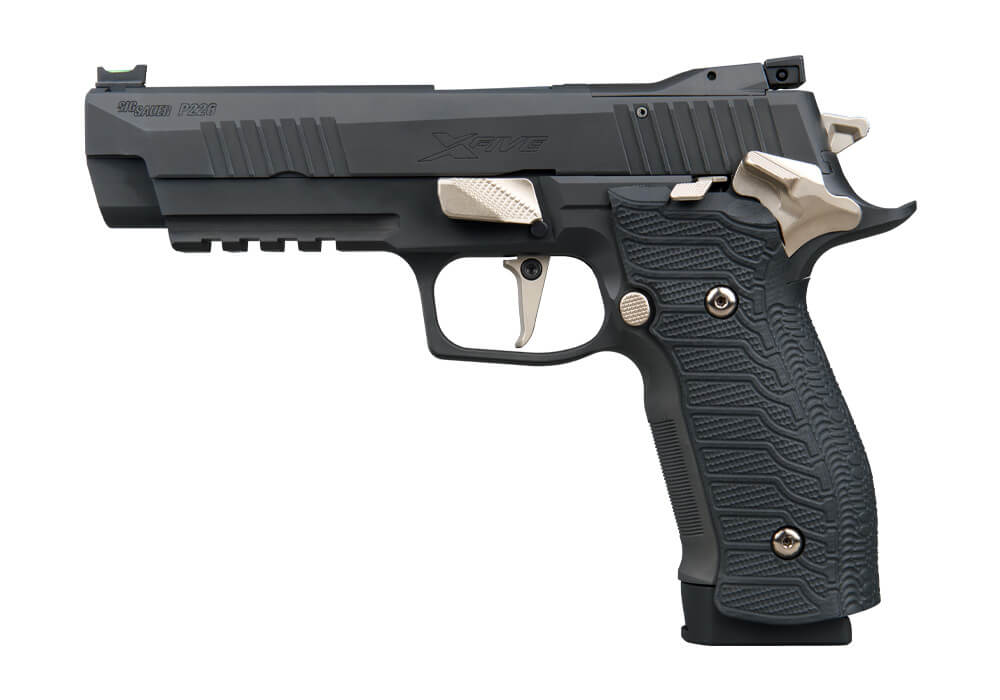
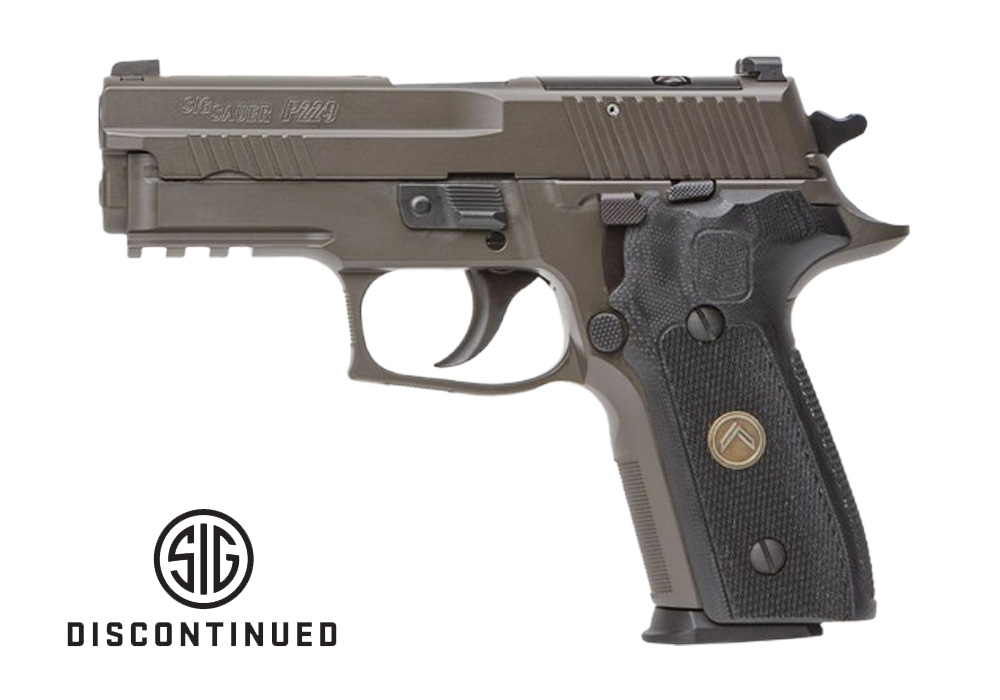
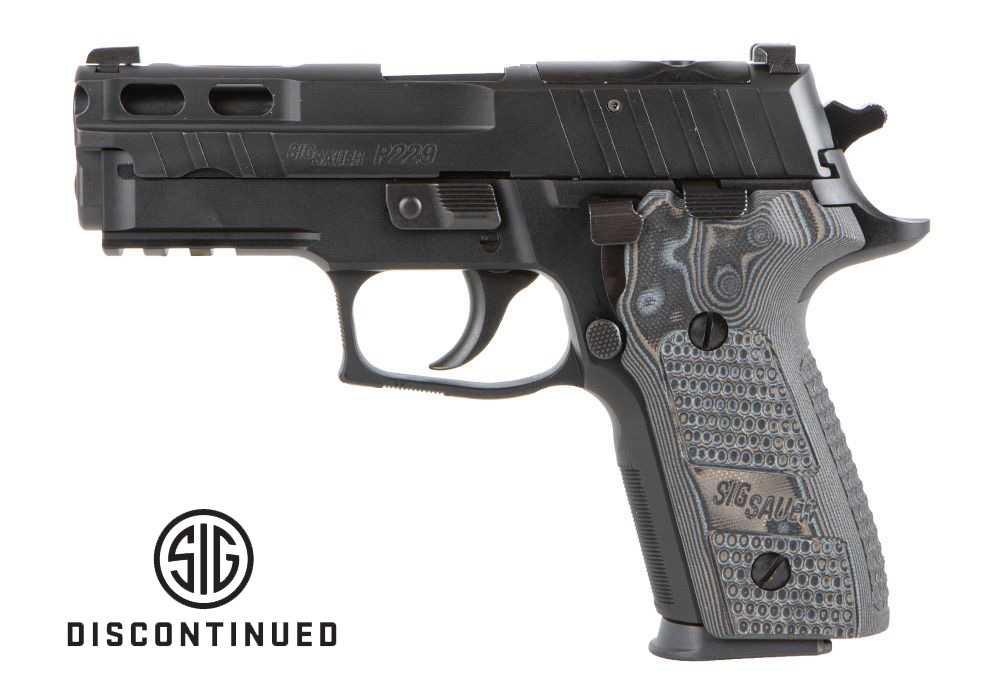
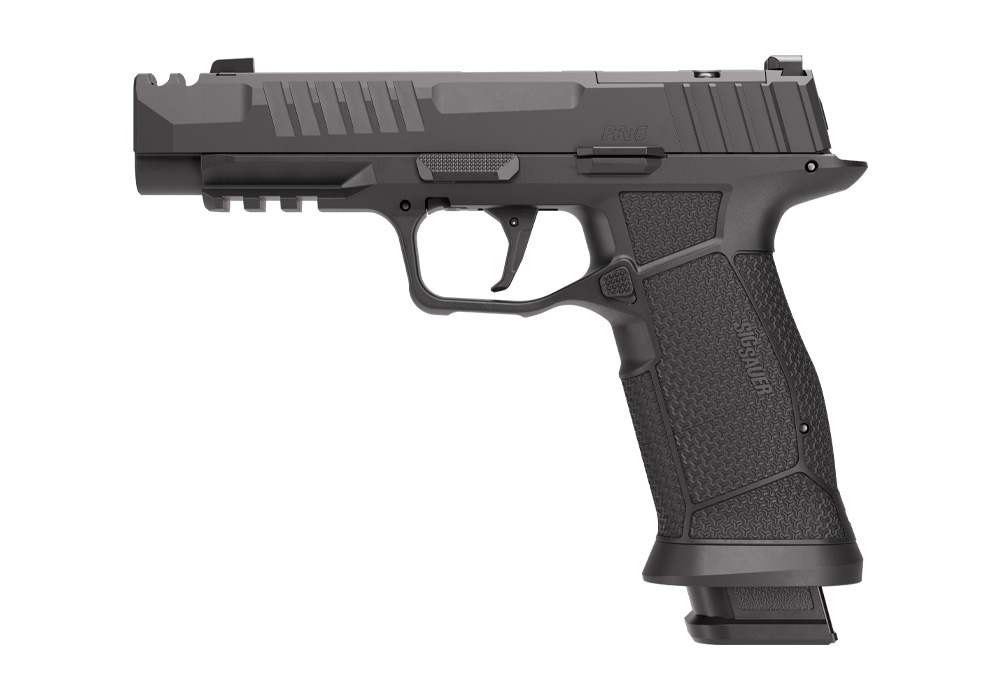
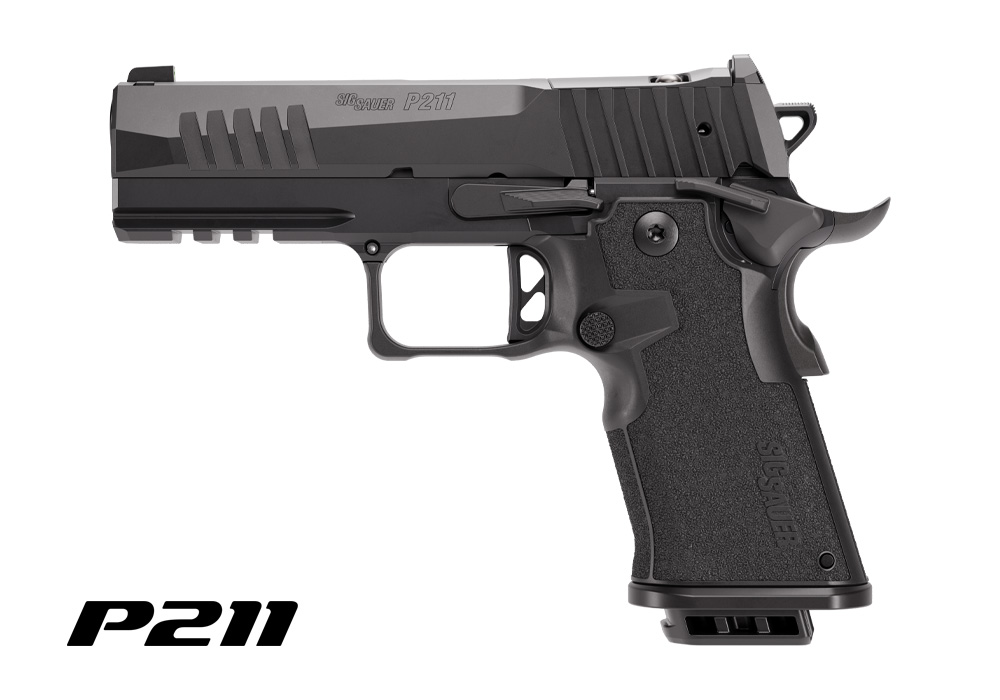
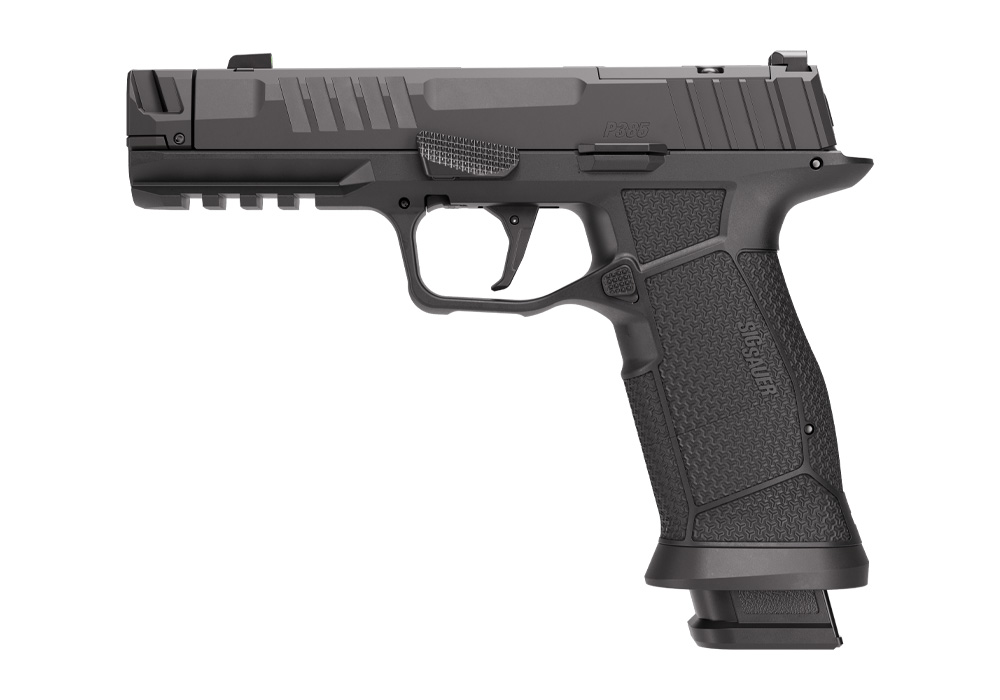
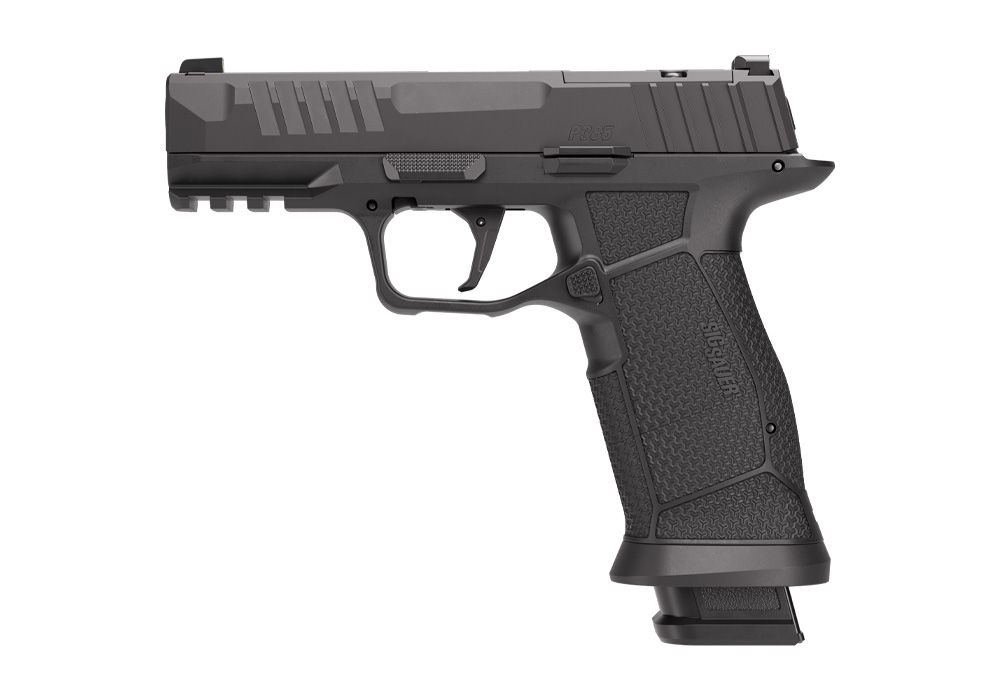
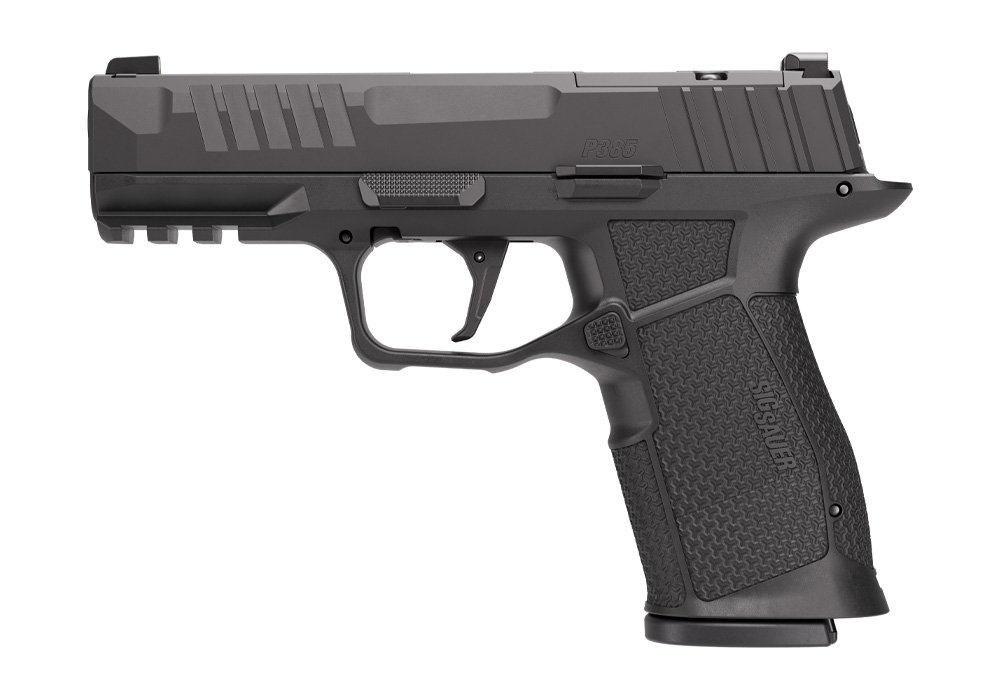
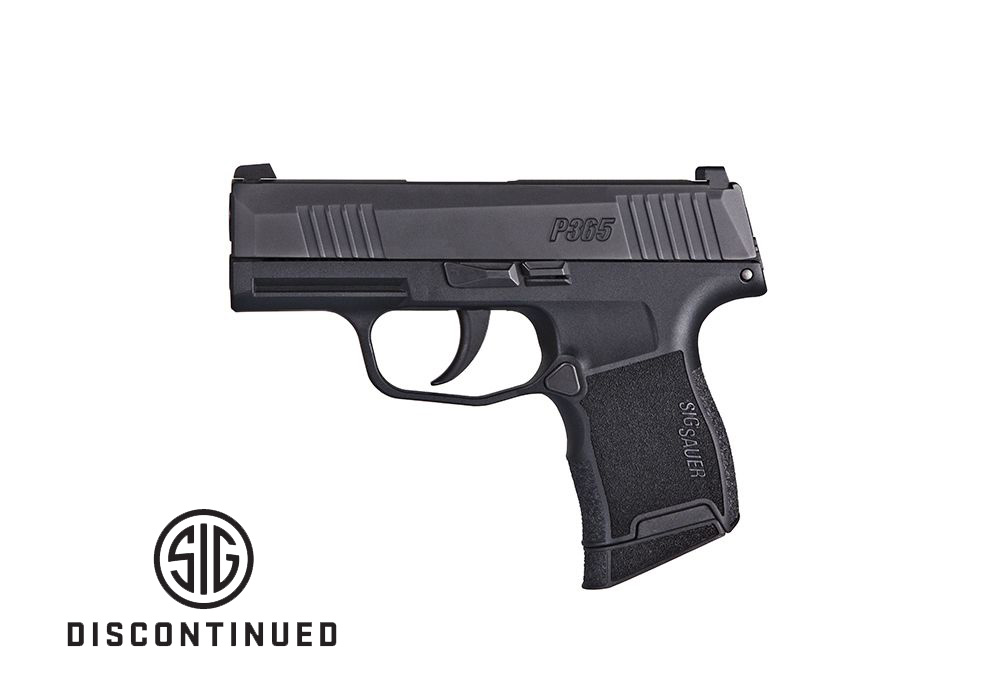
9mm pistols with advanced trigger systems combine the familiar handling of the 9mm cartridge with refined controls intended to support a more consistent shooting experience. In practical terms, an advanced trigger may offer a smooth take-up, a defined wall, a crisp break, and a short reset that can be felt or heard as the trigger returns forward. These characteristics help the shooter understand exactly where the trigger is in its cycle, which can encourage steadier finger placement and more deliberate shots. A flat-faced trigger can also provide a consistent point of contact from one press to the next, while a pull weight commonly ranging from about 3.5 to 5 pounds may balance precision with appropriate control for a defensive, training, competition, or recreational pistol. Trigger feel remains personal, and a clean break is only one part of the overall experience. Grip shape, sight picture, slide movement, frame texture, balance, and controls all influence how naturally a pistol fits the hand. Shoppers comparing this category should look closely at the trigger’s pre-travel, wall, break, over-travel, and reset, then consider whether those traits align with their own experience level and intended use. A trigger that feels precise during a slow, careful range session should also remain manageable when the shooter is working from a ready position, practicing controlled pairs, or building confidence through structured drills.
Selection also involves the details surrounding the trigger. A full-size 9mm pistol can provide a longer sight radius and a stable feel during extended practice, while a compact or slim configuration may be easier to carry and handle in tighter spaces. Grip circumference matters, especially for shoppers with smaller or larger hands, because a comfortable reach to the trigger supports proper finger placement without shifting the shooting hand. Sight design, accessory mounting options, ambidextrous controls, frame texture, and the availability of replacement magazines can influence long-term satisfaction just as much as trigger geometry. Magazine size should suit the intended role, with standard or extended options offering different balances of concealment, weight, and range convenience. Buyers should also review local laws, storage requirements, transport rules, and any training expectations that apply where they live. Safe ownership begins with a secure storage plan, a quality holster when carry is lawful, and regular practice under qualified instruction. Before handling any pistol, keep it pointed in a safe direction, keep the trigger finger indexed along the frame until the sights are on an intended target, treat every firearm as loaded, and be certain of the target and what lies beyond it. New owners may benefit from an introductory handgun course, while experienced shooters can use a formal practice plan to evaluate trigger control, reset awareness, sight tracking, and recovery between shots. During cooler months, layered clothing and gloves can affect grip access and trigger reach, so a realistic fit check with the clothing and equipment used most often is worthwhile.
This category can appeal to a broad range of responsible owners. A first-time buyer may appreciate a predictable trigger that provides clear feedback during foundational training, while an experienced range participant may seek a shorter reset and more refined break for precision work or competition practice. Instructors, security professionals, and prepared citizens may value controls that are easy to identify by touch and consistent from session to session, provided the pistol is selected and used within all applicable laws and training standards. A 9mm pistol with an advanced trigger system can also be a thoughtful gift for a responsible adult who already owns firearms and has expressed interest in improving range skills, though gifting rules differ by jurisdiction and should be reviewed before purchase. For a recipient, practical additions such as professional instruction, secure storage, eye and ear protection, a cleaning kit, and suitable range ammunition can be more useful than choosing a pistol based on appearance alone. At the range, begin with slow fire to learn the trigger’s take-up and reset, then build speed gradually while keeping the sights aligned and the grip consistent. Pay attention to whether the finger contacts the same portion of the trigger each time, whether the sights remain steady through the break, and whether the reset is used deliberately rather than rushed. Shooters exploring additional options may also find useful comparisons in 9mm Pistols With Heightened Performance. With careful selection, secure storage, regular maintenance, and ongoing instruction, a 9mm pistol with an advanced trigger system can become a dependable part of a thoughtful training routine through changing seasons and changing range goals.