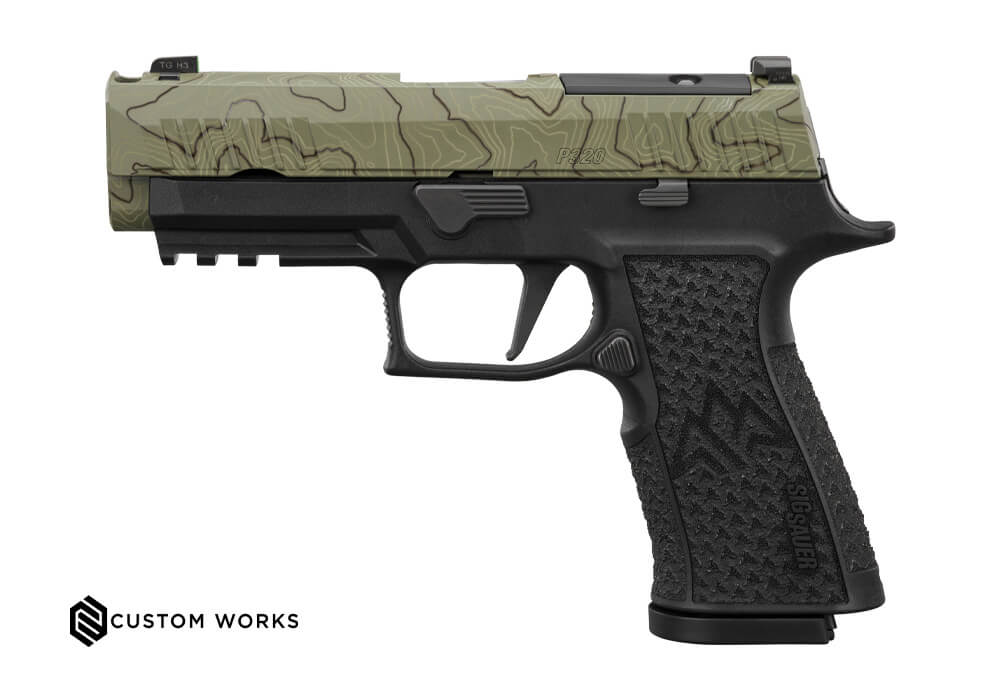
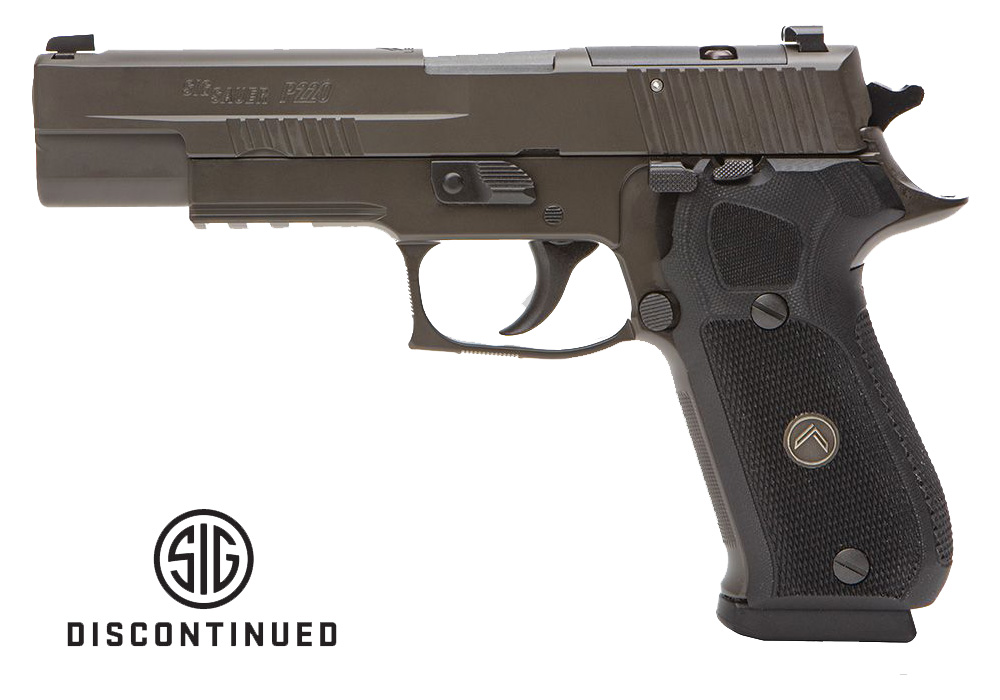
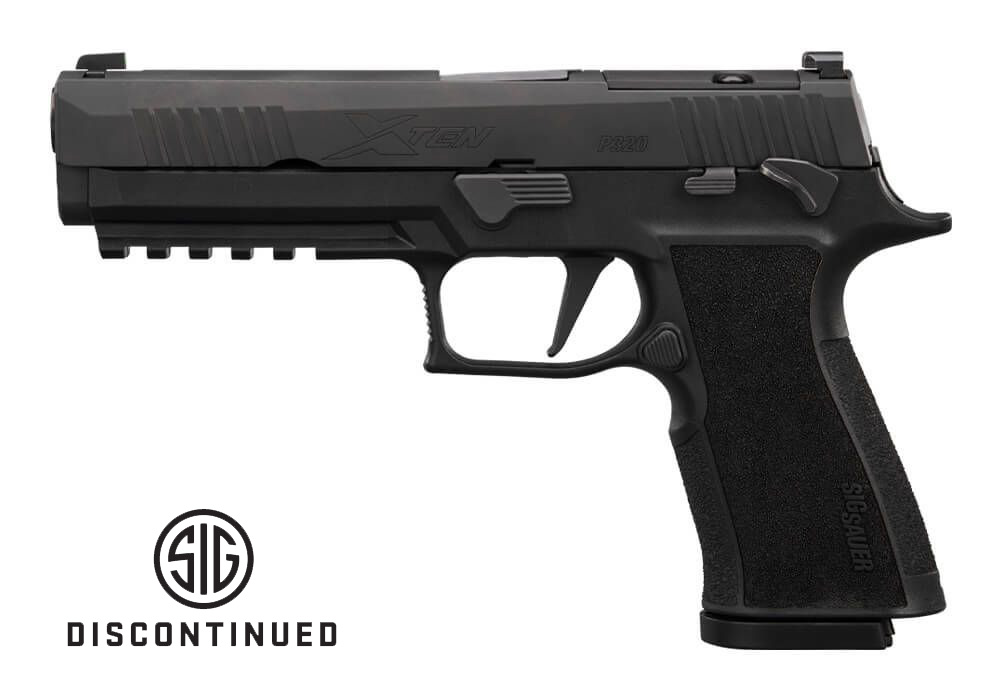
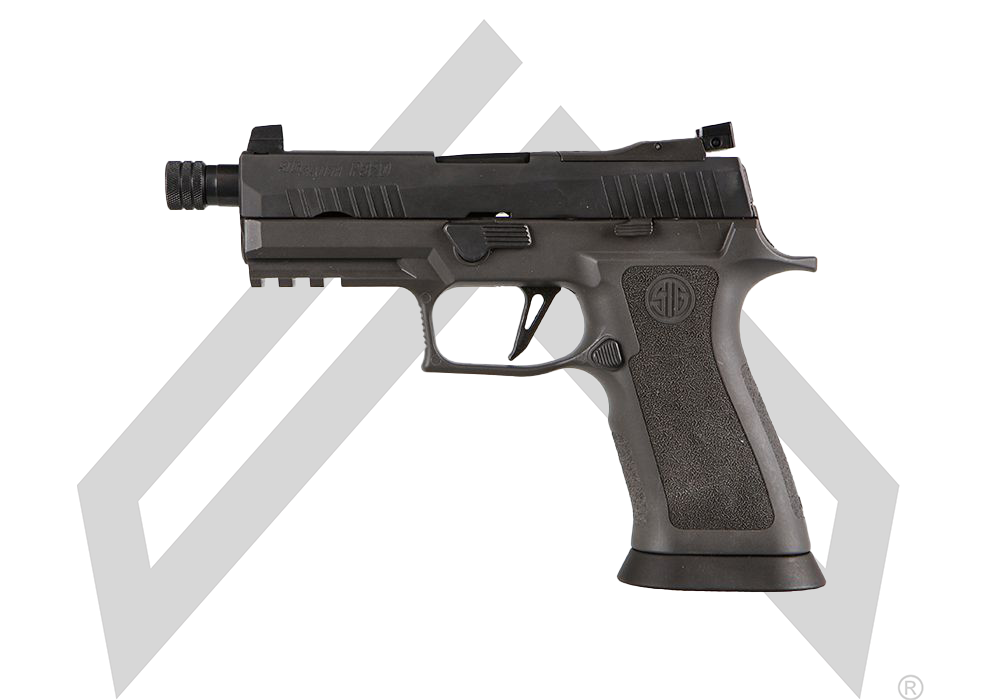
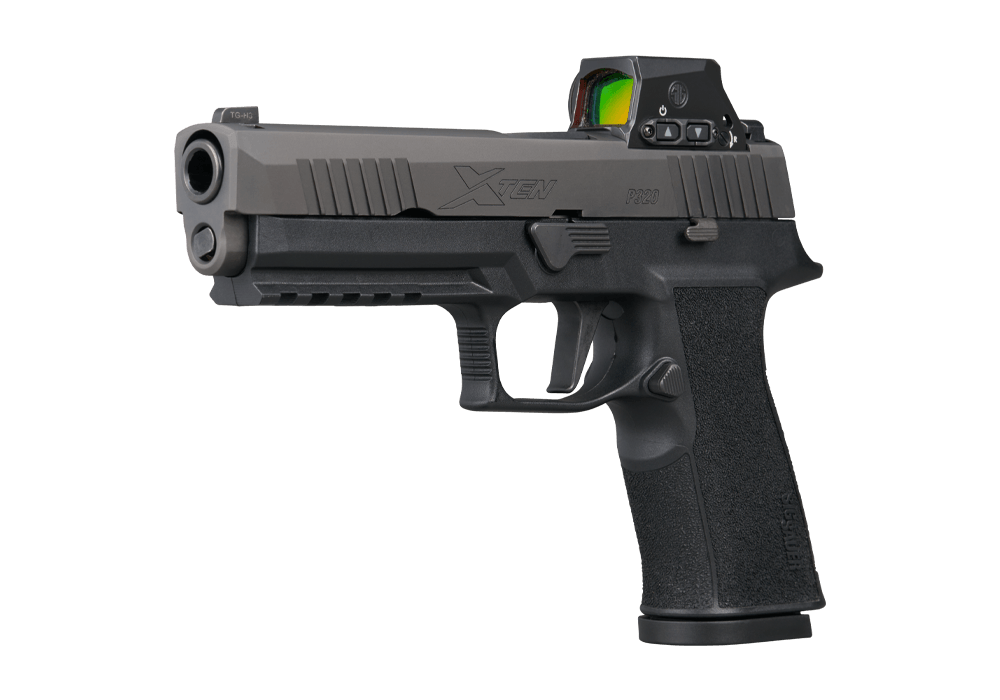
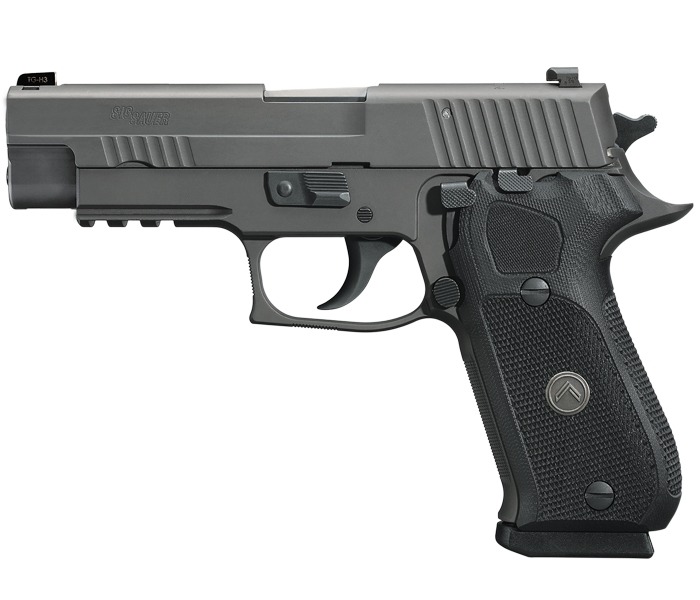
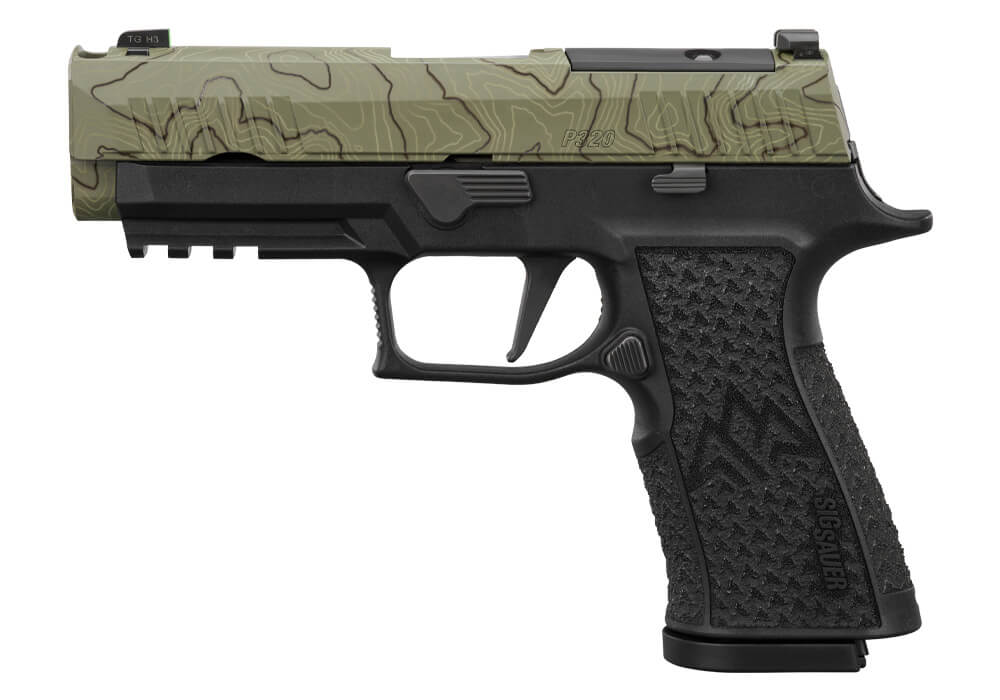
10mm pistols with custom trigger features bring together the 10mm Auto cartridge and a trigger configuration that may differ from a conventional factory setup in shape, feel, or specified components. The term “custom trigger” does not describe one universal design: it can refer to a factory-configured option, a distinctive trigger shoe, or work performed by a qualified professional. The individual pistol’s specifications are the best source for understanding what that description actually includes. A flat trigger face and a curved trigger face present different contact surfaces to the finger, while trigger reach describes the distance a shooter must comfortably span from the grip to the trigger. These details matter because two pistols with similar dimensions can feel noticeably different in the hand. Take-up refers to initial trigger movement before the point of greater resistance; the break is the point at which the firing mechanism releases; and reset describes the trigger’s return to a position that permits another shot. Those terms help distinguish trigger characteristics without reducing the entire experience to a single pull-weight figure. A lighter pull is not automatically a better fit, particularly when a pistol will serve more than one role. Consistency, comfortable reach, intact safety features, and suitability for the intended use deserve equal attention. For recreational target shooters and experienced handgun owners, the appeal often lies in a deliberate, predictable feel rather than an unusually light specification. Someone accustomed to one trigger system may need time and supervised practice to become comfortable with another. Factory configurations and professionally altered pistols should not be treated as interchangeable, and a custom appearance alone says little about the internal mechanism. Within this category, meaningful distinctions come from documented specifications, the overall handgun design, and how well the complete pistol suits its owner. A trigger is one part of that relationship, not a substitute for sound fit, responsible handling, or regular training.
Materials, dimensions, and grip geometry give 10mm pistols much of their individual character. Steel frames generally contribute more weight, aluminum-alloy frames can offer a different balance, and polymer frames often reduce overall weight, although the complete design determines how a particular handgun handles. A heavier pistol may feel more settled during a range session, while a lighter configuration may be less burdensome to transport or carry where lawful. Neither choice removes the need to account for the substantial recoil associated with many 10mm Auto loads. Ammunition characteristics, pistol weight, and grip fit all influence the shooting experience, so the cartridge designation alone cannot predict how every configuration will feel. Grip circumference, backstrap shape, and surface texture deserve close attention alongside the trigger. A grip that feels secure for one person may place another person’s finger awkwardly against the trigger face, and aggressive texture that feels reassuring at first can become uncomfortable through an extended practice session. The relationship between the grip and trigger is especially important for owners with smaller hands or limited finger mobility. Full-size and more compact formats also involve differences in grip space, sight radius, weight, and accessory compatibility. Stainless steel components, protective finishes, and durable grip materials can support long-term ownership, but no finish eliminates the need for routine care. Intended use helps put these characteristics in perspective. A pistol primarily reserved for recreational target shooting may be evaluated differently from one intended for lawful carry or participation in an organized shooting sport. Competition rules can also limit acceptable trigger configurations and other features, making the relevant rulebook an important reference before choosing a setup for a particular event. For any role, a holster must fit the exact pistol configuration, cover the trigger guard completely, and retain the handgun securely. Changes to external dimensions or attached accessories can affect that fit even when the underlying pistol platform remains the same.
Long-term satisfaction with a custom-trigger 10mm pistol depends as much on upkeep and familiarity as on its initial feel. Regular cleaning and inspection should follow the firearm manufacturer’s instructions, including the specified approach to lubrication and the use of compatible cleaning products. Residue, lint, and wear can affect moving components, while excessive lubricant can attract debris; more is not necessarily better. A protective finish helps shield exposed surfaces, but contact points and frequently handled areas still deserve attention during routine care. Unexplained changes in trigger feel, damaged parts, or concerns about reliable function call for evaluation by the manufacturer or a qualified gunsmith rather than continued use. Trigger components must be compatible with the exact firearm, and safety mechanisms should remain intact. Documentation matters, too: clear information about factory features, professional service, and maintenance history provides useful context throughout ownership. For a knowledgeable recipient, a firearm-related gift is best considered around personal fit, experience, secure storage, and applicable transfer requirements rather than appearance alone. A preferred trigger shape is highly individual, and a recipient’s comfort with the 10mm cartridge should never be assumed. Locked storage that prevents unauthorized access, with ammunition secured separately, remains an essential part of responsible ownership. For shoppers comparing cartridge options and trigger terminology, 9mm Pistols With Advanced Trigger Systems provides a related category to explore. Many 9mm configurations offer a different recoil experience, although firearm size, weight, and ammunition remain important variables in any comparison. The distinction is not simply one cartridge versus another; it is the combination of mechanical design, grip dimensions, trigger characteristics, and the owner’s intended use. A thoughtfully selected 10mm pistol brings those factors into balance, with documented features that match expectations and an ownership routine that supports dependable function. Comfortable ergonomics, durable construction, appropriate professional support, and consistent practice give custom trigger features their proper context within the complete handgun.