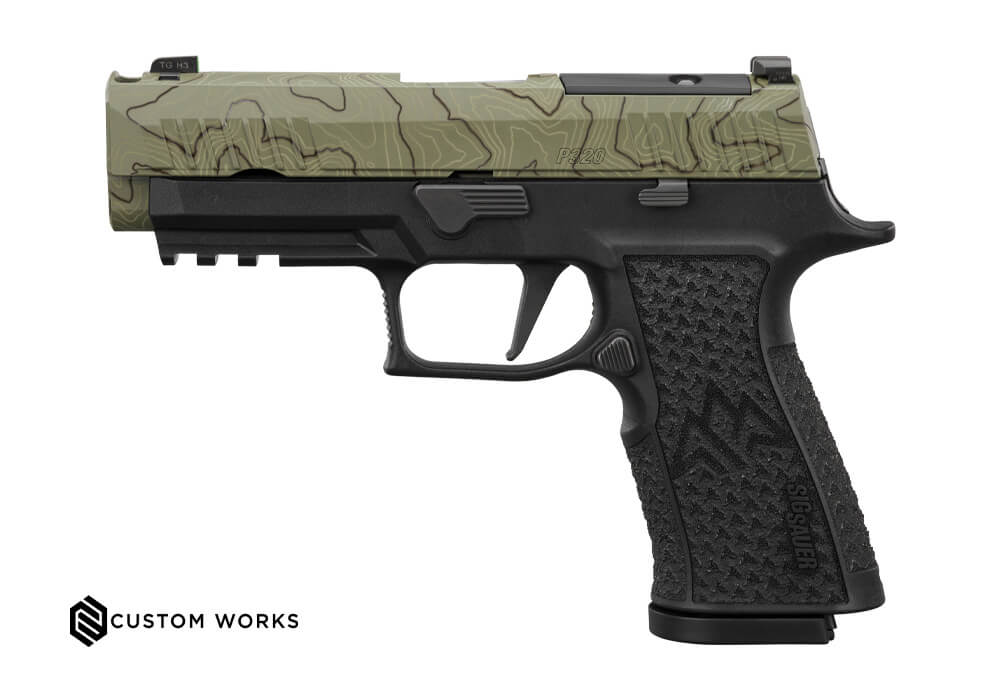
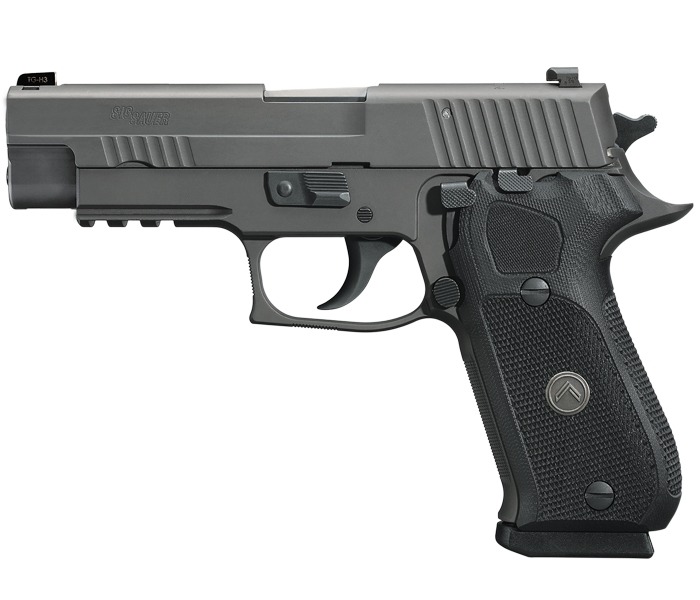
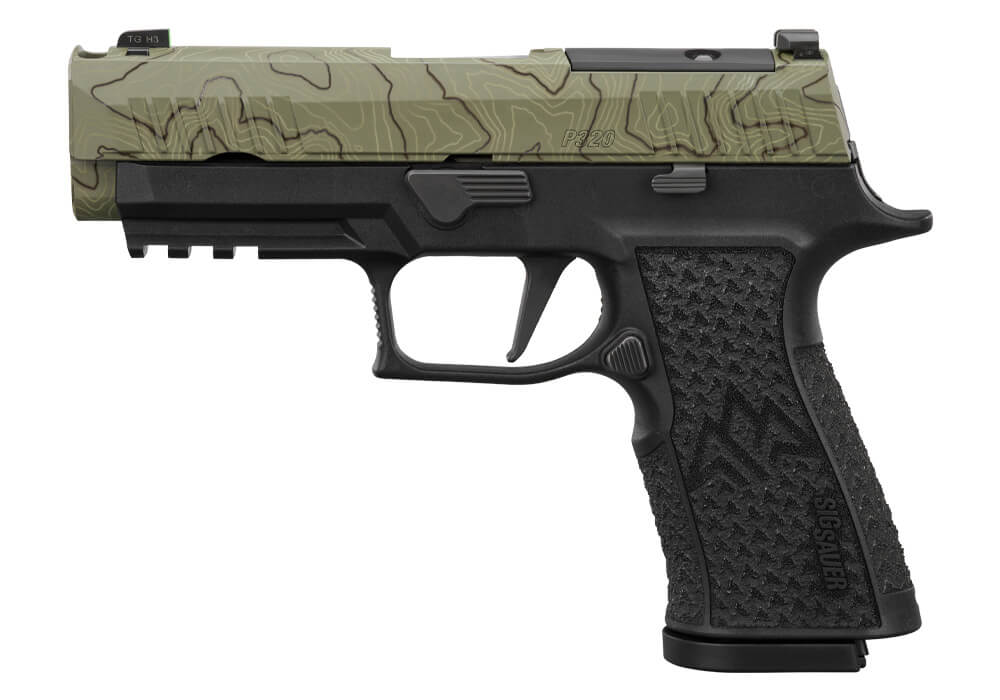
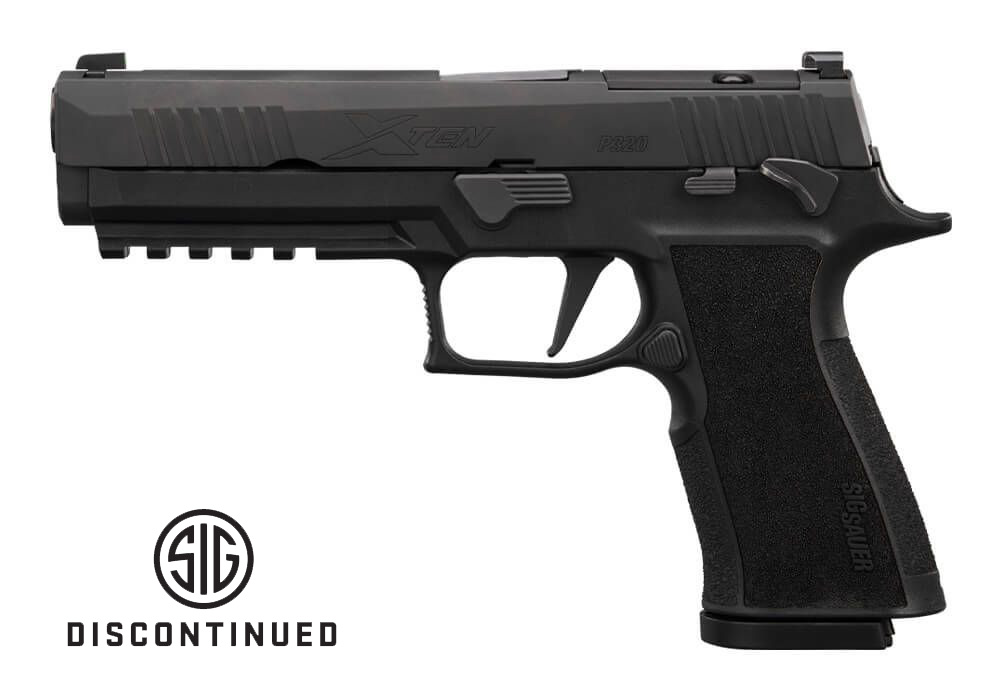
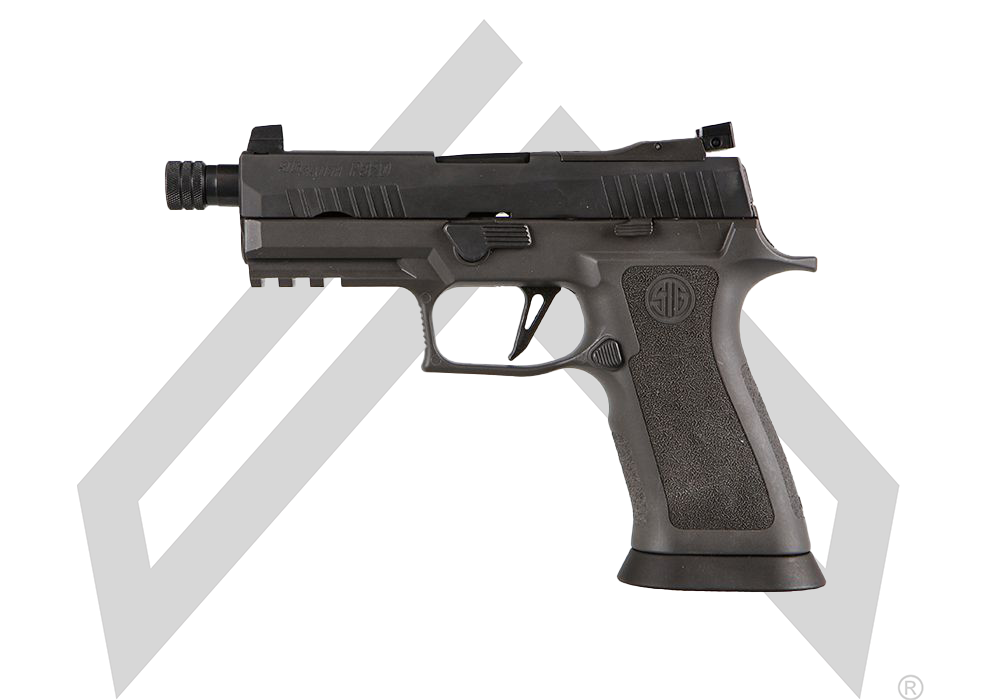
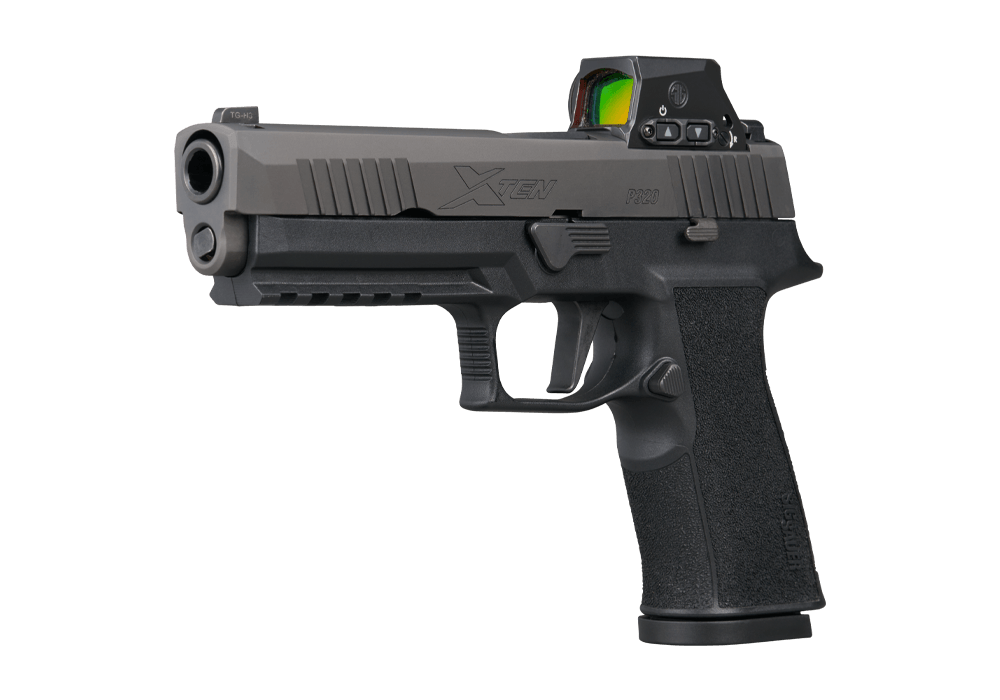
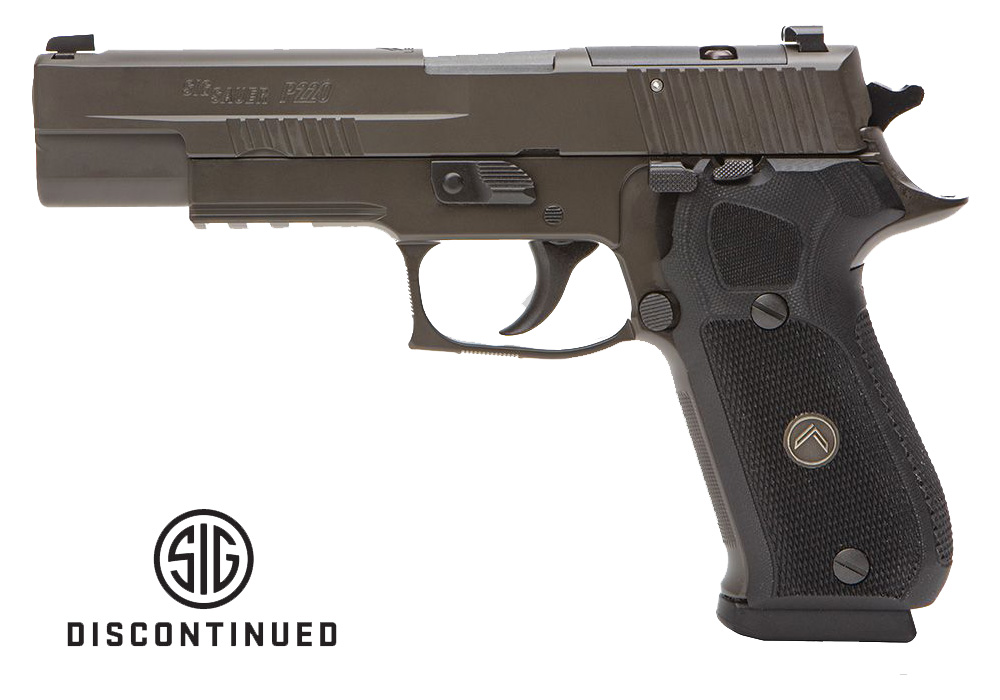
10mm pistols with adjustable sights bring together the substantial performance of the 10mm Auto cartridge and the fine-tuning capability many shooters value at the range or in the field. Unlike fixed sights, an adjustable rear sight can typically be moved for windage and elevation, allowing the point of impact to be refined for a particular load, distance, or shooting position. That flexibility can be especially useful with 10mm ammunition, since bullet weights and velocities vary widely between practice, hunting, and personal-protection loads. A pistol that prints slightly high with one cartridge may produce a different result with another, and adjustable sights give the shooter a practical way to bring the sights and point of impact into better agreement. When comparing 10mm pistols with adjustable sights, consider the sight profile, adjustment method, sight visibility, and durability. A rear sight with clear, positive clicks is easier to tune than one that feels vague, while a front sight with a bright insert or contrasting finish can stand out against dark targets, woodland backgrounds, or changing light. Some configurations use a traditional notch-and-post arrangement for a familiar sight picture, while others combine a fiber-optic front with a serrated or glare-resistant rear. The right choice depends on how the pistol fits your eyes, hands, and intended use. Sight radius matters as well: longer-slide configurations often provide a longer sighting plane and additional weight up front, while more compact designs may be easier to carry and maneuver. Grip shape, controls, trigger reach, and the ability to obtain a full, repeatable grip deserve equal attention, particularly with a powerful cartridge that can produce noticeable recoil.
These pistols may appeal to experienced range shooters, outdoorsmen, hunters where lawful, and responsible owners seeking a versatile sidearm for practice and field use. At the range, adjustable sights make it easier to establish a dependable zero and compare ammunition without assuming that every load will strike at the same elevation. A shooter working from a bench can begin with a careful sight-in, then confirm the pistol from practical distances and unsupported positions. The small details become apparent during this process: whether the rear sight remains secure after repeated firing, whether the front sight is easy to pick up during a fast presentation, and whether the grip stays comfortable through a longer session. In the field, a 10mm pistol can serve as a companion for lawful outdoor activities, but its weight, barrel length, holster compatibility, and resistance to moisture and rough handling should be evaluated before purchase. A heavier steel-frame or long-slide design may settle quickly and feel steady during deliberate fire, while a lighter polymer-frame option may be more convenient during extended time on the trail. Action type is another consideration. Hammer-fired designs often offer a familiar manual of arms and a distinct trigger feel, while striker-fired designs may provide consistent controls and a straightforward operating system. Neither approach replaces training; each should be handled, carried, and stored according to the manufacturer’s instructions and applicable laws. For shoppers considering a refined trigger as part of the same selection process, the 10mm Pistols With Custom Trigger collection offers another feature to compare alongside sight adjustability, grip ergonomics, and overall fit.
A thoughtful purchase also includes the practical equipment and habits that support safe, consistent use. Select a holster designed for the exact pistol and sight configuration, with adequate retention and coverage of the trigger guard, and choose a sturdy belt if the pistol will be carried outside the range. Magazines should be compatible with the specific model, and additional magazines can make structured practice more efficient without interrupting every drill for frequent reloads. Hearing and eye protection remain essential, especially with the sharp report and substantial recoil associated with full-power 10mm ammunition. New owners should begin with manageable practice loads, learn the pistol’s controls, and gradually work toward the ammunition intended for field or defensive use. A qualified instructor can help refine grip pressure, stance, sight alignment, trigger control, and safe holster work; those fundamentals matter more than any single feature. Adjustable sights are not a substitute for confirming point of impact, and they should be checked periodically after travel, hard use, or sight changes. For someone who enjoys time at the range, a 10mm pistol with adjustable sights can be a memorable and useful gift when paired with professional instruction, secure storage, eye and ear protection, and a selection of appropriate targets. During the cooler months, when outdoor trips and range sessions may involve changing light, heavier clothing, or damp conditions, the ability to see the sights clearly and maintain a consistent grip becomes even more valuable. Before completing a purchase, review local requirements, confirm whether the intended ammunition is suitable for the pistol, and compare the firearm’s dimensions, weight, sight system, warranty support, and storage needs. With the right fit and responsible practice, adjustable-sight 10mm pistols offer a precise, adaptable platform for shooters who want to tune their equipment to the way they actually train and use it.