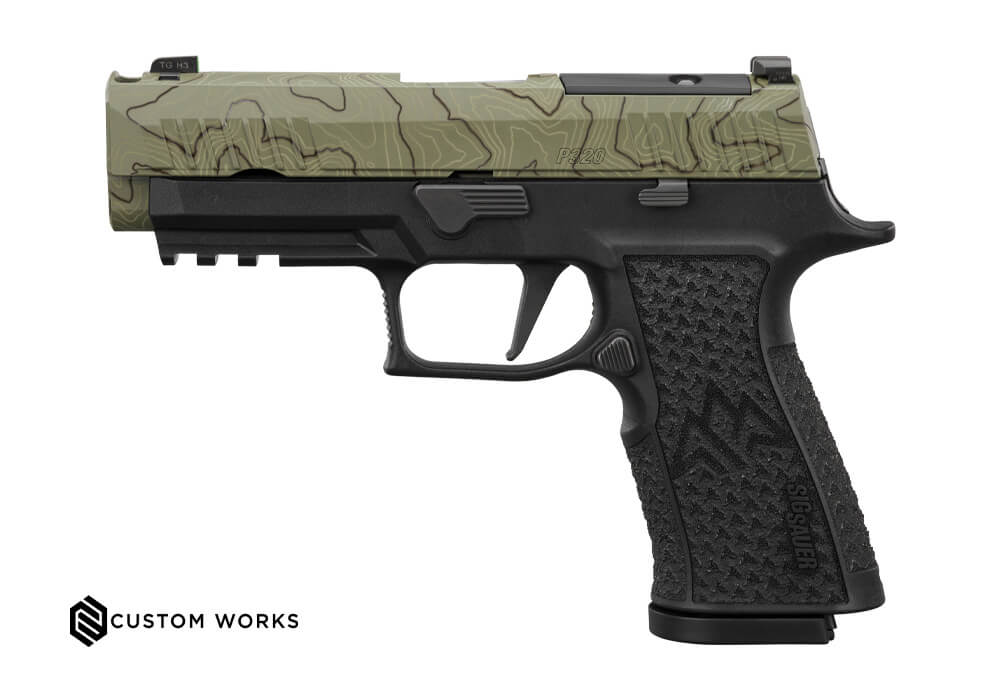
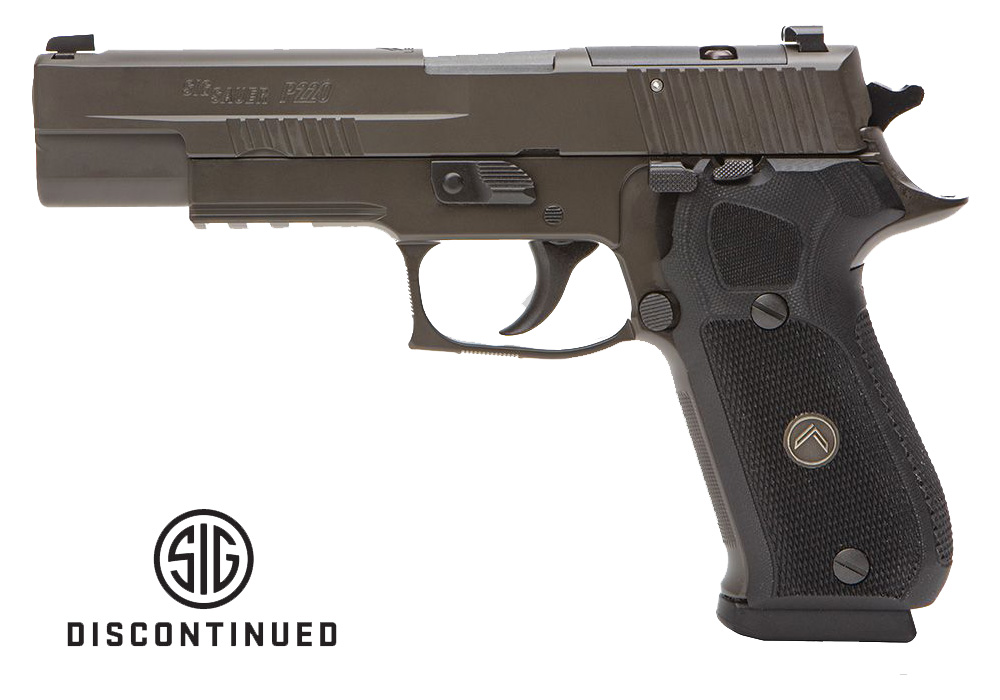
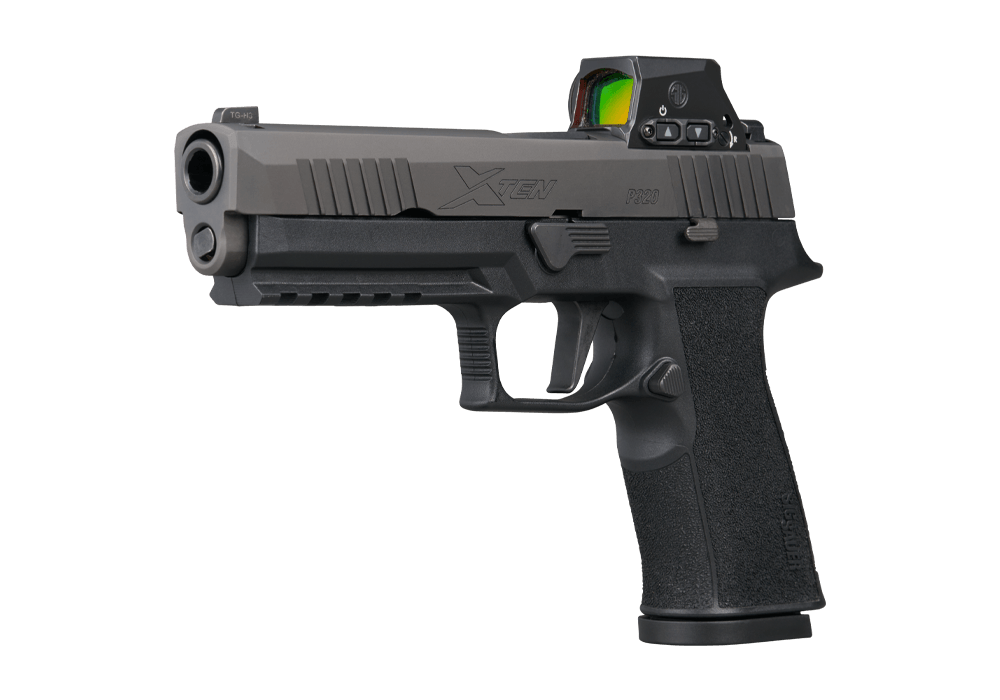
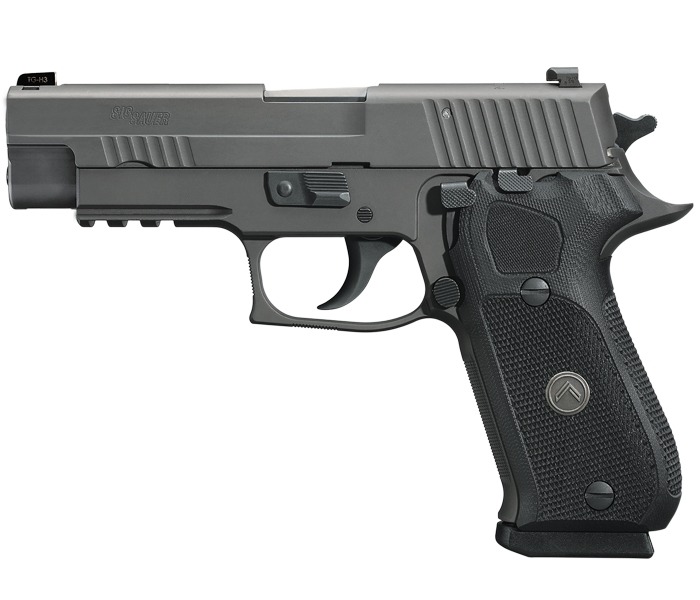
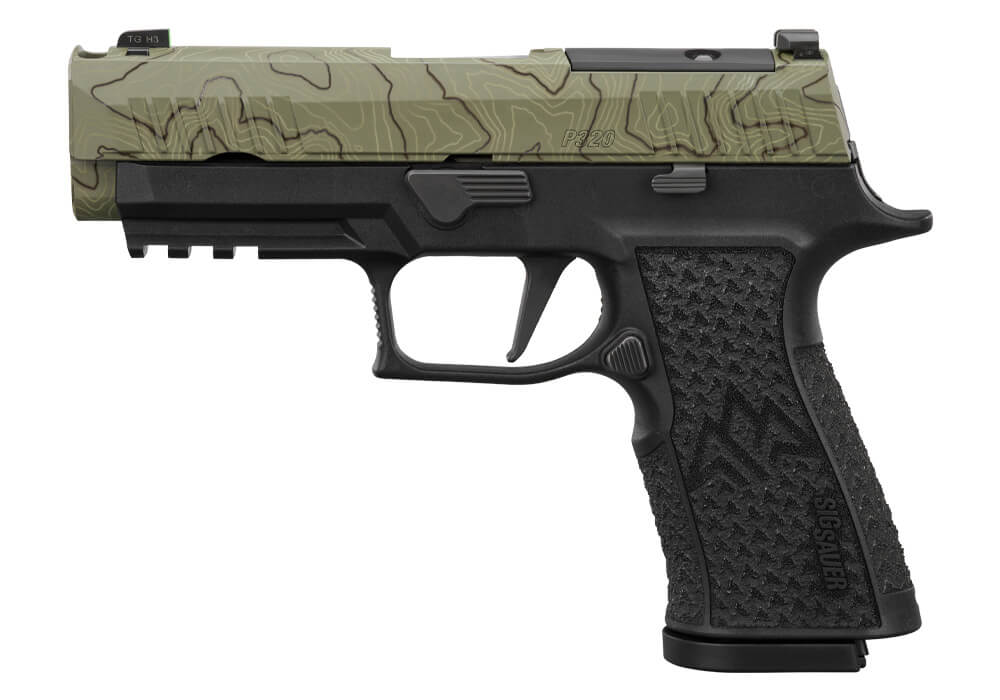
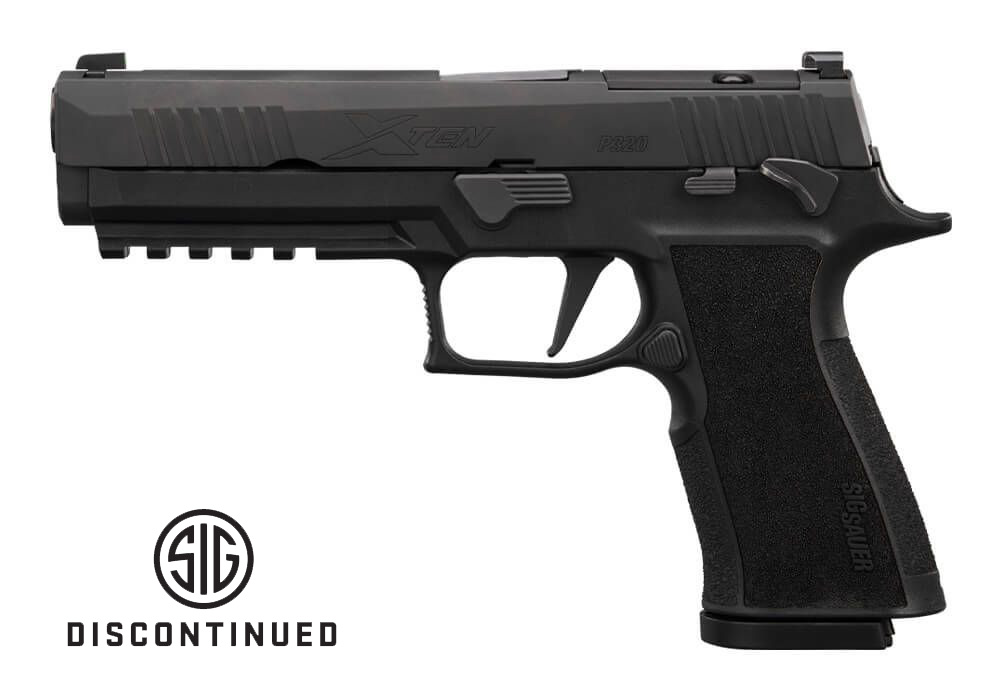
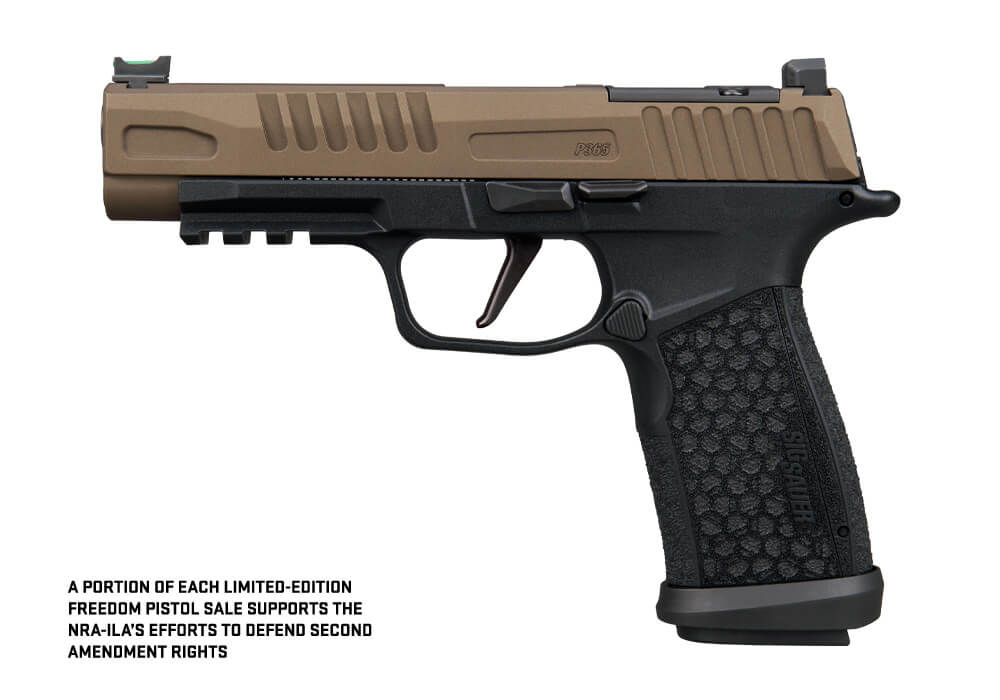
10mm pistols with low-profile sights pair the 10mm Auto chambering with iron sights that sit relatively close to the slide, keeping the handgun’s upper outline compact and uncluttered. The defining feature is sight height and shape, not a particular action type, frame material, or overall pistol size. A low-profile arrangement generally has less exposed height than tall sights intended to clear certain accessories, while rounded or beveled edges can help reduce catching on clothing or equipment. The term does not describe a universal measurement, so the actual front and rear sight dimensions matter more than the label alone. Nor does low profile necessarily mean fixed: some designs allow adjustment while retaining a relatively compact outline. For shoppers drawn to a traditional sight picture, this category offers a straightforward relationship between the front blade and rear notch without requiring an electronic aiming device. Depending on the configuration, that picture may use plain dark surfaces, contrasting dots, a fiber-optic front element, or illuminated inserts. Each presents a different visual balance, and a sight that looks crisp to one person may appear crowded or indistinct to another. A clearly defined front edge, sufficient contrast, and a rear notch that does not visually overwhelm the front blade are useful qualities to evaluate. The appeal extends to experienced handgun owners who prefer the feel of the 10mm Auto cartridge, recreational shooters seeking a substantial range pistol, and lawful owners who value a streamlined sight arrangement. The cartridge typically brings more pronounced recoil and muzzle movement than common lower-recoil handgun chamberings, although ammunition and pistol construction influence that experience considerably. Low-profile sights do not reduce recoil by themselves; their role is to provide a compact aiming reference. Overall comfort comes from the complete package, including grip dimensions, weight, balance, controls, and the way the sights appear when the pistol is held naturally.
Materials and fit give this category much of its character. Steel frames contribute substantial weight and a solid feel, while aluminum-alloy and polymer frames can offer a lighter overall package, depending on the design. A heavier pistol may feel steadier during range sessions, but it also adds weight to a secured transport case or compatible holster. A lighter frame changes that balance and can make recoil feel more pronounced. Grip circumference, front-to-back reach, and texture deserve attention alongside those differences. Someone with smaller hands may find a thick grip less comfortable even when the pistol’s external dimensions appear manageable; someone with larger hands may prefer more gripping surface and additional room around the controls. Interchangeable grip components, where specified, can broaden the fit range, but they are not a feature of every design. Sight construction adds another layer to durability and feel. Steel sight bodies often appeal to shoppers who prioritize resistance to routine handling wear, while the visibility and upkeep of inserts depend on their material and construction. Fiber-optic elements rely on surrounding light for their bright appearance, and self-luminous inserts have a finite service life. Neither feature should be assumed from the words low profile. Likewise, a compact rear sight may offer windage adjustment without offering elevation adjustment, and a fixed-looking sight can still require professional fitting for replacement. For a different balance of compactness and adjustability, 10mm Pistols With Adjustable Sights provides a related category to consider. Adjustable and low-profile descriptions can overlap, so the relevant distinction is the actual sight mechanism and its dimensions. Accessory compatibility also belongs in the overall fit assessment. Low-profile iron sights may not remain visible through a slide-mounted optic, and they may not clear a suppressor. An optics-ready slide does not guarantee either relationship. Holster fit depends on the exact pistol configuration, including slide shape, barrel length, sight height, and any attached accessories, rather than chambering alone.
Long-term satisfaction with a 10mm pistol also depends on how naturally it fits the owner’s routine. For regular target shooting, readable sights, comfortable grip texture, and manageable overall weight can matter more than an aggressive appearance or a long feature list. During an extended range visit, a sharply textured frame may feel quite different from the way it felt during a brief handling session. A narrow front blade may look precise against a clean target yet be harder for some eyes to distinguish against a visually busy background. These are personal fit considerations rather than universal advantages, which is why supervised handling or a rental experience can be valuable before selecting a handgun. Recreational use, organized shooting activities that permit the configuration, and other lawful purposes place different demands on size and sight visibility; no single profile suits every setting. Durability is equally practical. Protective finishes help resist corrosion and surface wear, but they do not replace cleaning, inspection, and secure storage. Sight notches and the area around the front blade can collect lint, residue, and cleaning product, obscuring otherwise clear edges. Manufacturer-approved care is especially important around fiber-optic elements, illuminated inserts, and painted markings, which may react differently to solvents than the surrounding metal. Sight replacement, loose components, or a changing point of impact warrant attention from the manufacturer or a qualified gunsmith rather than improvised adjustment. Ammunition should match the chamber marking and the manufacturer’s specifications, since a shared bullet diameter does not establish cartridge compatibility. For households with other people present, secure storage that prevents unauthorized access is a central part of ownership, and storage equipment should accommodate the handgun without placing pressure on its controls. Eye and hearing protection, qualified instruction, and adherence to range rules support responsible recreational use. Taken together, the strongest reasons to choose this category are concrete: a defined iron-sight picture, a compact sight outline, suitable materials, and a frame that fits the individual. Those qualities give 10mm pistols with low-profile sights their practical identity without making sight height a substitute for comfort, compatibility, or responsible ownership.