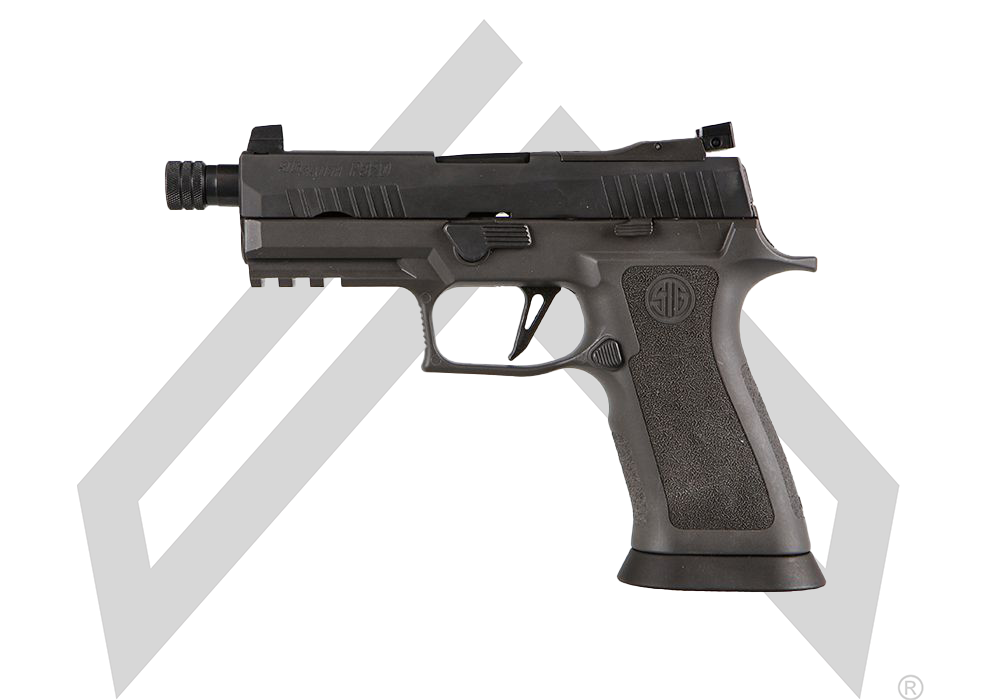
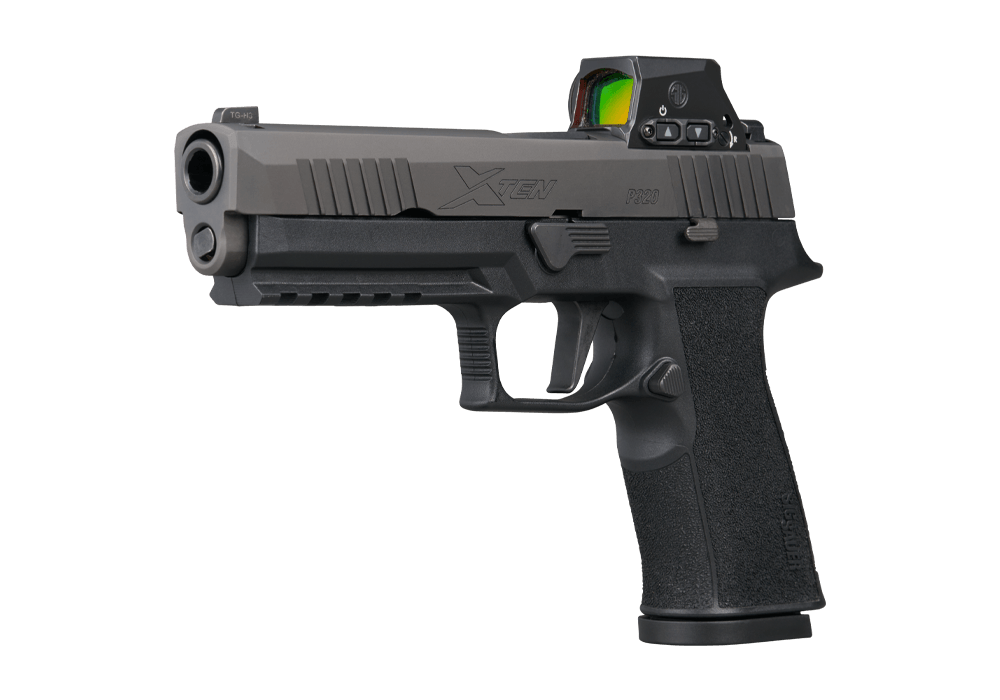
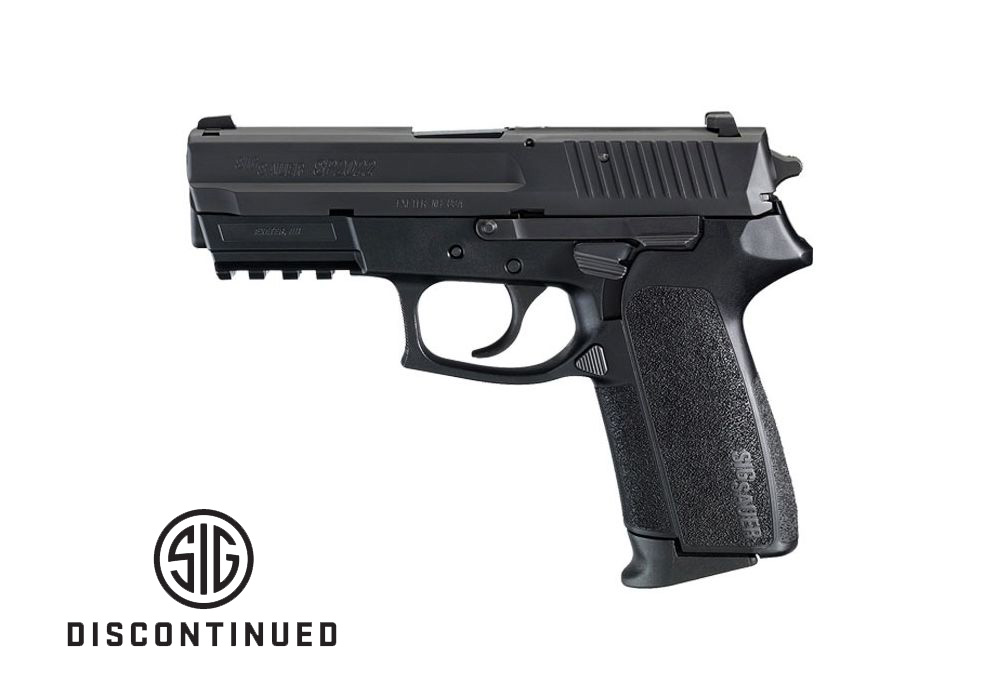
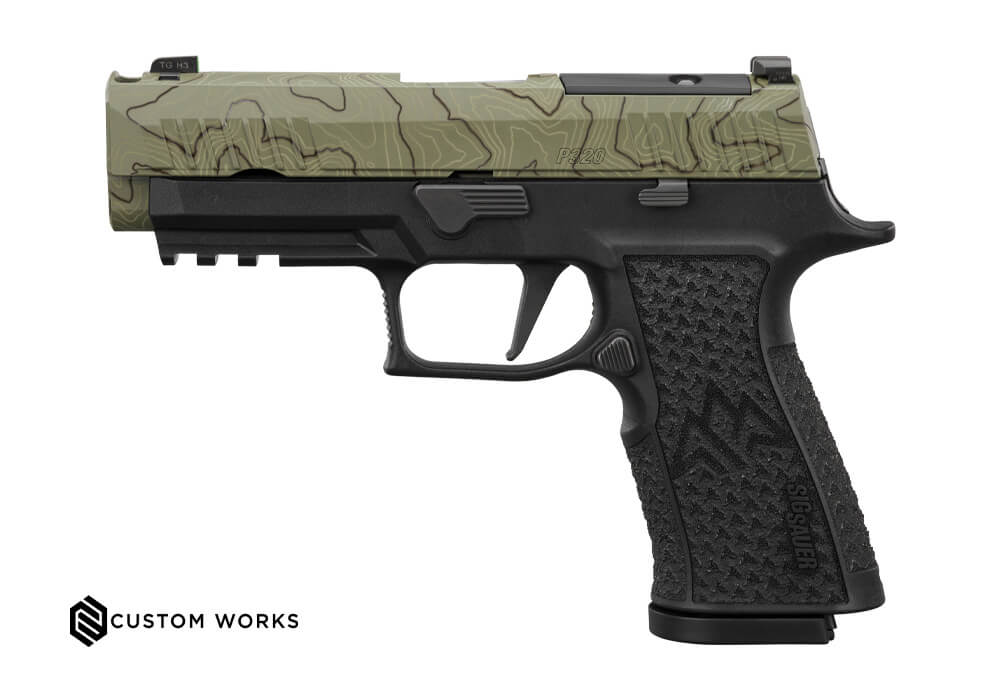
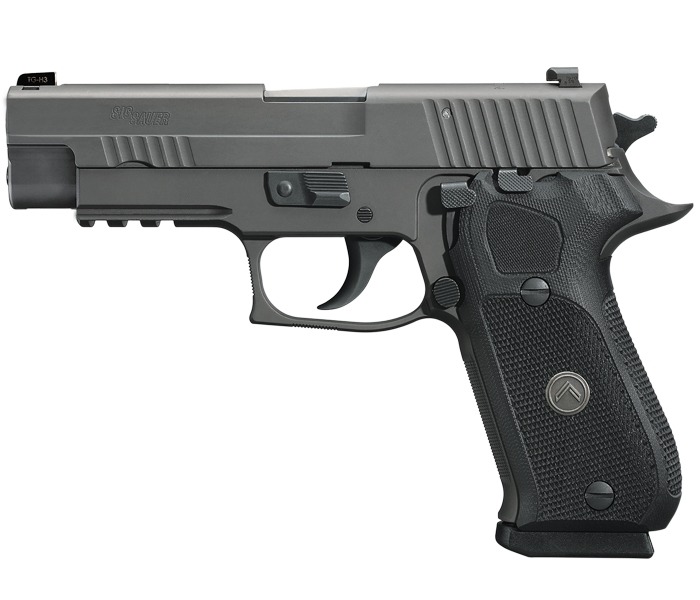
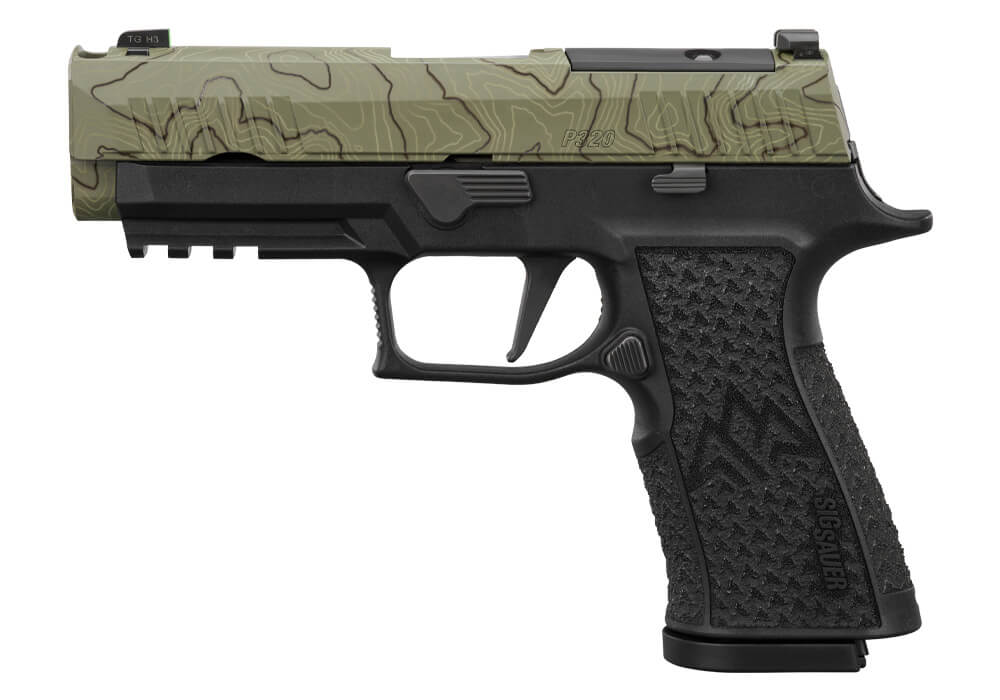
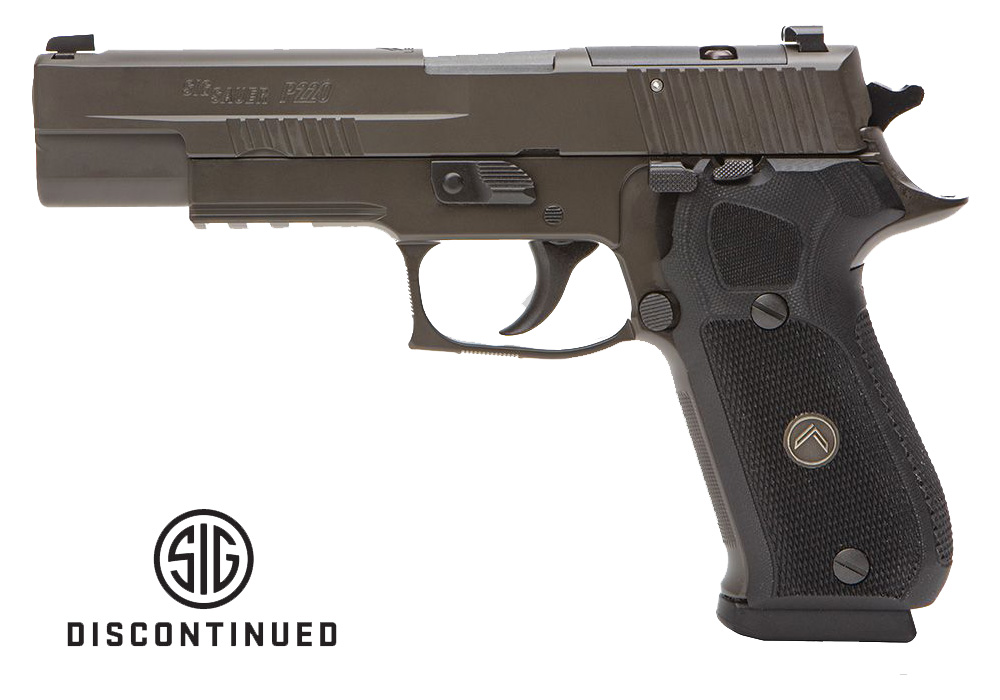
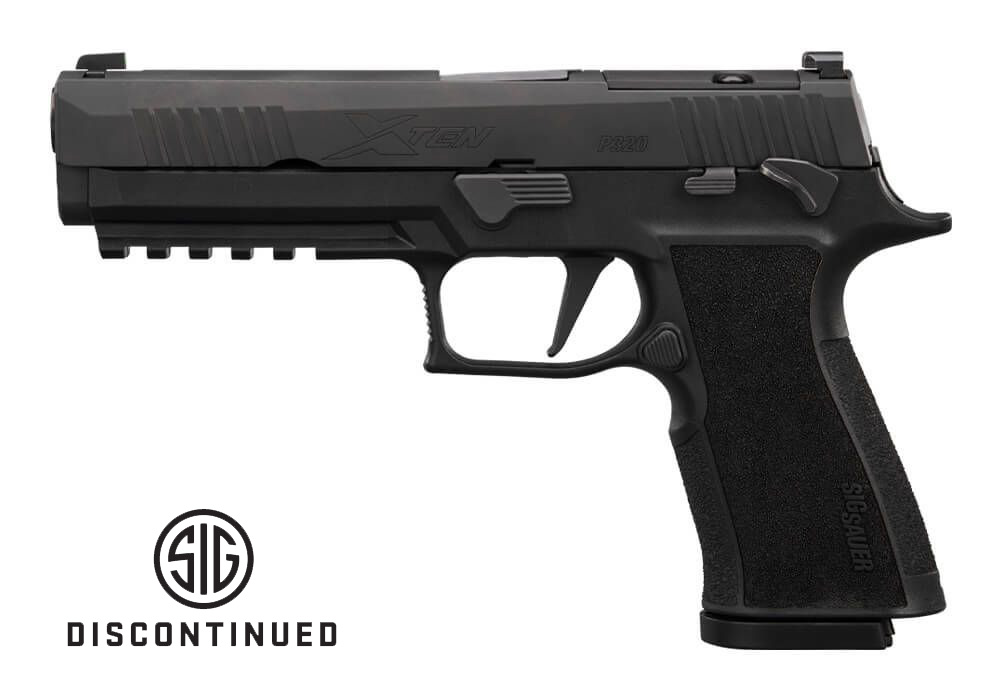
10mm pistols with modern polymer frames pair the 10mm Auto cartridge with a lighter frame structure, durable metal operating components, and ergonomics suited to contemporary handgun use. Compared with similarly sized steel-frame pistols, polymer-frame designs generally reduce weight without removing the steel barrel, slide, and bearing surfaces needed for reliable operation. The frame supports the grip and operating assemblies, while its shape, texture, and dimensions influence how the pistol feels in the hand. Some designs use a separate polymer grip module around a metal chassis; others have a conventional polymer frame with integrated metal rails. These construction approaches offer different options for fit and maintenance, so modularity should be treated as a model-dependent feature rather than a universal characteristic. The practical appeal is straightforward: less weight on a belt, a frame material that resists corrosion, and grip contours that can accommodate features such as interchangeable backstraps or pronounced texturing. Polymer construction does not, by itself, guarantee soft recoil. A 10mm pistol’s behavior also depends on its overall weight, grip geometry, operating system, and ammunition. Loads intended for routine target practice can feel noticeably different from full-power loads, even when both use the same cartridge designation. A comfortable grip and an appropriate pistol size therefore matter more than broad claims about recoil absorption. Full-size configurations often provide more gripping surface and additional weight, while compact configurations trade some of that space for easier carry. Neither format is automatically the better choice for every owner. A pistol carried for several hours and a pistol used primarily at a range bench place different demands on weight, dimensions, and comfort. Modern polymer-frame 10mm pistols appeal to experienced handgun owners who want the cartridge’s performance in a practical platform, with the understanding that ammunition selection, regular practice, and sound handling remain essential parts of ownership. Their appeal rests on the complete design, not simply the frame material or cartridge marking. The most useful comparison considers how those elements work together during ordinary carry, practice, and upkeep.
Fit becomes especially important when a handgun combines a substantial cartridge with a relatively light frame. Trigger reach, grip circumference, backstrap shape, and the position of operating controls can affect comfort as much as the pistol’s listed dimensions. A grip that fills the palm without forcing an awkward reach can make extended practice more comfortable, while a longer grip may give larger hands additional support. Texturing should provide useful traction without becoming unnecessarily abrasive against clothing or skin during carry. Replaceable backstraps, where included, can offer some flexibility, but they do not change every aspect of grip size or control placement. These details matter for owners considering lawful defensive use, recreational target shooting, or backcountry carry, where a holstered handgun may remain on the belt for hours. Hunting-related use also depends on local regulations, the intended application, and the owner’s proficiency; a cartridge designation alone does not establish suitability. Holster fit deserves equal attention. Barrel and slide length, frame contours, sight height, and attached accessories can all affect compatibility, and a secure holster should cover the trigger guard while retaining the pistol appropriately. An accessory rail or an optics-ready slide may expand configuration options, but neither feature means every light, optic, or mounting plate will fit. Manufacturer specifications should establish compatibility before accessories are selected. Iron sights remain relevant for owners who prefer a straightforward sighting arrangement or want compatible backup sights alongside an optic. For a related selection centered on sight configuration, 10mm Pistols With Low Profile Sights offers another way to compare the category. Sight height, visibility, and holster clearance are separate considerations from frame construction, and each can influence everyday handling. Magazine dimensions and round counts also vary, with longer magazines sometimes changing both the grip profile and how the pistol carries. A coherent setup considers the pistol, sights, magazine, and holster together rather than treating each feature as an isolated benefit. The result should suit the owner’s actual use, not simply collect the largest number of features.
Durability in a polymer-frame 10mm pistol depends on both construction and consistent care. The polymer portion is not vulnerable to rust, but steel components still require attention, particularly the barrel, slide, magazines, and internal metal parts. Protective finishes help resist corrosion and surface wear, yet they do not replace cleaning, inspection, and appropriate lubrication. Ordinary use can leave fouling around the barrel and slide, lint near the grip and holster contact points, and residue inside magazines. Maintenance should follow the manufacturer’s manual, including its recommendations for cleaning products, lubricant placement, inspection, and service intervals. Aggressive solvents or unapproved chemicals can be unsuitable for some polymers, finishes, or accessory materials. A small cleaning kit with compatible supplies is more useful than an assortment of products whose effects are uncertain. Frame and grip surfaces also deserve inspection for unusual wear or damage, especially around contact points and removable components. Cosmetic marks from holster use are different from structural concerns; cracks, loose parts, or a noticeable change in operation warrant assessment by a qualified professional. Ammunition should match the chamber marking and the manufacturer’s requirements, and cartridge appearance is not a reliable substitute for checking those details. Reliable function with the ammunition intended for lawful use matters more than assuming that every load will behave identically. Routine range practice provides an opportunity to become familiar with the pistol’s controls and handling while observing its function under appropriate supervision when needed. Safe storage remains part of responsible ownership regardless of frame material, with access restricted to authorized individuals and storage arrangements consistent with applicable laws. Transport requirements and rules governing carry or hunting can differ by location and should be checked for the intended activity. For long-term ownership, practical details such as magazine compatibility, replaceable wear components, documented maintenance procedures, and manufacturer support deserve attention alongside weight and ergonomics. A well-suited polymer-frame 10mm pistol is one whose fit, configuration, care requirements, and intended role remain workable beyond the first range visit.